
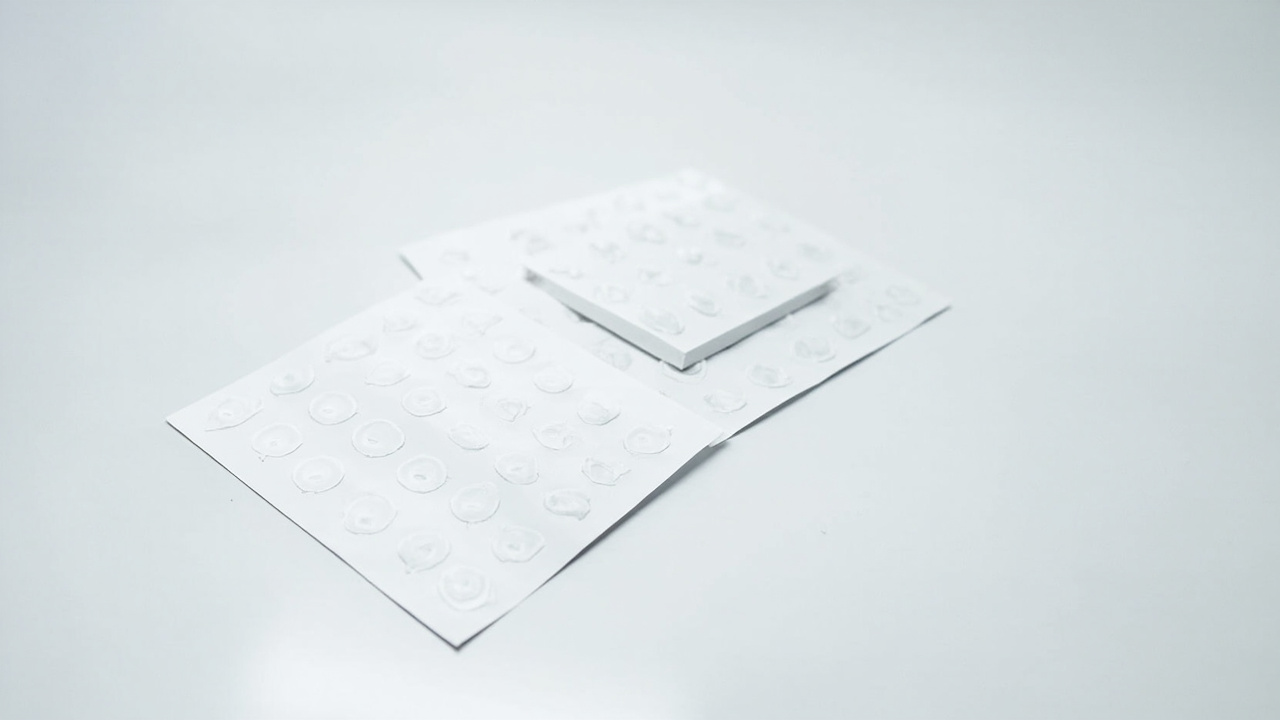
As the global wellness market continues to expand, hangover patches have emerged as a popular solution for consumers seeking relief from alcohol-induced symptoms. These patches, which combine electrolytes and B vitamins in a transdermal delivery system, represent a convergence of convenience and science. For B2B buyers and brand owners, understanding the formulation intricacies and market dynamics is crucial for success. In this comprehensive guide, we delve into the science behind hangover patches, the role of electrolytes and B vitamins, regulatory considerations, and how partnering with an experienced OEM like Kongdy Health can give you a competitive edge.
Key Takeaways
- Why Hangover Patches Are Gaining Traction
- The Science of Transdermal Delivery for Hangover Relief
- Key Components: Electrolytes and B Vitamins
- Formulation Strategies for Optimal Delivery
- Market Trends and Consumer Demand
- Regulatory Landscape for Hangover Patches
Key Takeaways
- Hangover patches deliver electrolytes and B vitamins transdermally, bypassing the digestive system for faster absorption and sustained release.
- The global hangover remedy market is projected to grow at a CAGR of 5.8% from 2023 to 2030, driven by increasing alcohol consumption and wellness trends (Grand View Research, 2023).
- Formulation success hinges on selecting the right pressure-sensitive adhesives, permeation enhancers, and active ingredient concentrations to ensure stability and efficacy.
- Regulatory pathways vary: in the US, hangover patches are typically marketed as cosmetics or dietary supplements, while in the EU, they may fall under medical devices or general product safety directives.
- Partnering with an ISO 13485 and GMP-certified OEM like Kongdy Health ensures high-quality, scalable production and compliance with global standards.
Why Hangover Patches Are Gaining Traction
The hangover patch market has seen a surge in popularity, fueled by a growing awareness of wellness and the desire for convenient remedies. According to a 2023 report by Grand View Research, the global hangover remedy market size was valued at USD 1.8 billion in 2022 and is expected to expand at a compound annual growth rate (CAGR) of 5.8% from 2023 to 2030. This growth is attributed to increasing alcohol consumption, rising disposable incomes, and a shift towards preventive healthcare. Unlike traditional oral remedies, patches offer a discreet, long-lasting approach that appeals to modern consumers.
Moreover, the transdermal patch market overall is thriving. MarketsandMarkets reports that the transdermal patch market is projected to reach USD 8.9 billion by 2027, growing at a CAGR of 6.5% from 2022 to 2027. This indicates a robust demand for innovative delivery systems, with hangover patches carving out a niche. For B2B buyers, this presents a lucrative opportunity to enter a high-margin, trend-driven category with strong repeat purchase potential.
The Science of Transdermal Delivery for Hangover Relief
Transdermal delivery involves the absorption of active ingredients through the skin into the bloodstream. The skin, particularly the stratum corneum, acts as a barrier, so formulations must incorporate permeation enhancers to facilitate the passage of electrolytes and vitamins. Common enhancers include alcohols, fatty acids, and terpenes, which temporarily disrupt the skin’s lipid structure. The choice of enhancer is critical: it must be effective without causing irritation, and compatible with the adhesive matrix.
For hangover patches, the goal is to deliver a steady dose of electrolytes (such as sodium, potassium, magnesium, and calcium) and B vitamins (B1, B2, B3, B6, B12) over several hours. This mimics the body’s natural recovery process, which is often hampered by dehydration and nutrient depletion after alcohol consumption. Unlike oral supplements, which must pass through the digestive system and may be poorly absorbed due to alcohol-induced gastrointestinal distress, transdermal delivery ensures a more consistent bioavailability. Studies suggest that transdermal absorption can achieve plasma concentrations comparable to intravenous administration for certain compounds, albeit at a slower rate.
Key Components: Electrolytes and B Vitamins
Electrolytes are essential for rehydration and nerve function. Alcohol consumption leads to dehydration and electrolyte imbalance, contributing to hangover symptoms like headache, fatigue, and nausea. A well-formulated hangover patch should include a balanced mix of electrolytes. For instance, sodium helps maintain fluid balance, potassium supports heart and muscle function, magnesium can alleviate headaches and anxiety, and calcium is vital for nerve signaling. The concentrations must be carefully calibrated to avoid skin irritation or toxicity.
B vitamins play a crucial role in energy metabolism and nervous system health. Alcohol depletes B vitamins, particularly B1 (thiamine), B6, and B12, leading to fatigue and cognitive impairment. Including these in a patch can help replenish levels and support recovery. However, B vitamins are water-soluble and have limited skin permeability; thus, formulation scientists often use derivatives like methylcobalamin (B12) or pyridoxal phosphate (B6) to enhance absorption. The synergy between electrolytes and B vitamins is key: electrolytes rehydrate, while B vitamins restore energy, addressing both physical and mental aspects of a hangover.
Formulation Strategies for Optimal Delivery
Developing an effective hangover patch requires a systematic approach. First, the active ingredients must be dissolved or dispersed in a suitable vehicle, often a hydrogel or adhesive matrix. Hydrogels are popular for their high water content, which can aid in hydration and cooling effects. Adhesive matrices, on the other hand, offer better adhesion and controlled release. The choice depends on the desired release profile and consumer preference.
Second, the adhesive must be skin-friendly and capable of maintaining adhesion for 8-12 hours, even during sleep or movement. Pressure-sensitive adhesives (PSAs) like silicone or acrylic are commonly used. They must not interact with the actives or cause allergic reactions. Third, permeation enhancers are added to improve skin penetration. Oleic acid, isopropyl myristate, and propylene glycol are frequently used. The formulation must be optimized for stability, ensuring no phase separation or degradation over the shelf life.
Finally, manufacturing involves coating, drying, and laminating the adhesive matrix onto a backing film, then die-cutting into patches. Quality control tests include adhesive strength, drug content uniformity, and in vitro release studies. For B2B buyers, it’s essential to partner with a manufacturer experienced in transdermal systems, as even minor formulation changes can significantly impact performance.
Market Trends and Consumer Demand
The hangover patch market is driven by several trends. Firstly, the rise of the “sober curious” movement and moderation trends have not diminished alcohol consumption but have increased demand for harm-reduction products. Secondly, the wellness industry’s focus on convenience has led to a preference for patches over pills or drinks. Thirdly, social media and influencer marketing have amplified awareness, with celebrities and wellness influencers endorsing hangover patches. According to a 2023 survey by Statista, 45% of millennials and Gen Z consumers expressed interest in transdermal wellness products.
Geographically, North America dominates the market due to high alcohol consumption and a strong wellness culture. However, the Asia-Pacific region is expected to witness the fastest growth, driven by increasing disposable incomes and changing lifestyles. For B2B buyers, this means opportunities to target both mature and emerging markets with tailored formulations and branding.
Regulatory Landscape for Hangover Patches
Regulatory requirements for hangover patches vary by region. In the United States, the FDA regulates transdermal patches based on their intended use. If a patch makes claims to treat or prevent hangover symptoms, it may be classified as a drug and require an New Drug Application (NDA) or be marketed under an Over-the-Counter (OTC) monograph. However, many hangover patches are marketed as cosmetics or dietary supplements, making structure/function claims without drug claims. This distinction is critical: cosmetic claims (e.g., “refreshes skin”) are not subject to pre-market approval, while drug claims (e.g., “cures hangover”) are strictly regulated.
In the European Union, hangover patches may fall under the Medical Devices Regulation (MDR) if they are intended for medical purposes, or under the General Product Safety Directive if they are consumer products. Compliance with ISO 13485 for medical devices and Good Manufacturing Practice (GMP) is often required. Additionally, CE marking is necessary for medical devices in the EU. For B2B buyers, it’s imperative to work with a manufacturer that understands these nuances to avoid regulatory hurdles.
Manufacturing Considerations and OEM Partnerships
Choosing the right OEM partner is pivotal for launching a successful hangover patch line. Key factors include the manufacturer’s expertise in transdermal technology, quality certifications, and scalability. Kongdy Health, with over 36 years of experience and certifications including FDA, ISO 13485, and GMP, is a trusted partner for many global brands. Their OEM/ODM services cover formulation development, regulatory support, and packaging.
When evaluating an OEM, consider the following numbered steps to ensure a smooth partnership:
- Define Your Product Concept: Determine the target market, desired claims, and unique selling points. Will your patch focus on rapid hydration, energy boost, or overall wellness?
- Select Active Ingredients: Collaborate with the OEM’s R&D team to choose the right electrolytes and B vitamins, considering stability, compatibility, and cost.
- Optimize Formulation: Conduct pilot trials to test adhesion, release profiles, and skin irritation. Use in vitro and in vivo studies to validate efficacy.
- Ensure Regulatory Compliance: Work with the OEM’s regulatory affairs team to prepare documentation for FDA, CE, or other authorities as needed.
- Scale-Up Production: Once the formulation is finalized, transition to full-scale manufacturing with rigorous quality control at every batch.
- Packaging and Branding: Choose packaging that preserves patch integrity and appeals to your audience. Consider eco-friendly options for sustainability.
- Launch and Monitor: After launch, gather consumer feedback and be prepared to iterate on the formulation or marketing strategy.
By following these steps, B2B buyers can mitigate risks and accelerate time-to-market. Kongdy Health’s end-to-end services streamline this process, from concept to shelf.
Frequently Asked Questions
Q1: What are the key ingredients in a hangover patch?
Hangover patches typically contain a blend of electrolytes (sodium, potassium, magnesium, calcium) and B vitamins (B1, B2, B3, B6, B12). These ingredients work synergistically to rehydrate the body and replenish nutrients depleted by alcohol consumption. Some formulations may also include antioxidants like vitamin C or herbal extracts such as milk thistle for liver support. The exact composition varies by brand and target consumer needs.
Q2: How long does it take for a hangover patch to work?
The onset of action depends on the formulation and individual skin permeability. Generally, users may begin to feel effects within 30-60 minutes, with peak delivery occurring over 4-8 hours. For best results, it’s recommended to apply the patch before or during alcohol consumption to maintain hydration and nutrient levels. However, it can also be applied the morning after to alleviate symptoms.
Q3: Are hangover patches regulated by the FDA?
The FDA regulates hangover patches based on their claims. If a patch claims to treat or prevent hangover, it may be considered a drug and require FDA approval. However, many patches are marketed as dietary supplements or cosmetics, which have different regulatory pathways. It’s crucial to consult with regulatory experts to ensure compliance. Working with an ISO 13485-certified manufacturer like Kongdy Health can help navigate these requirements.
Conclusion: Capitalizing on the Hangover Patch Trend
The hangover patch market presents a significant opportunity for B2B buyers looking to tap into the wellness and convenience trends. With a solid understanding of formulation science, regulatory landscapes, and consumer demand, you can develop a product that stands out. Partnering with an experienced OEM like Kongdy Health ensures access to cutting-edge technology, quality assurance, and regulatory support. As the market continues to grow, early entrants can establish strong brand loyalty and capture a share of this expanding pie. To learn more about how Kongdy Health can bring your hangover patch to life, visit our OEM/ODM services page.
2 thoughts on “Hangover Patch Formulation: Electrolyte & B-Vitamin Delivery”
Comments are closed.