
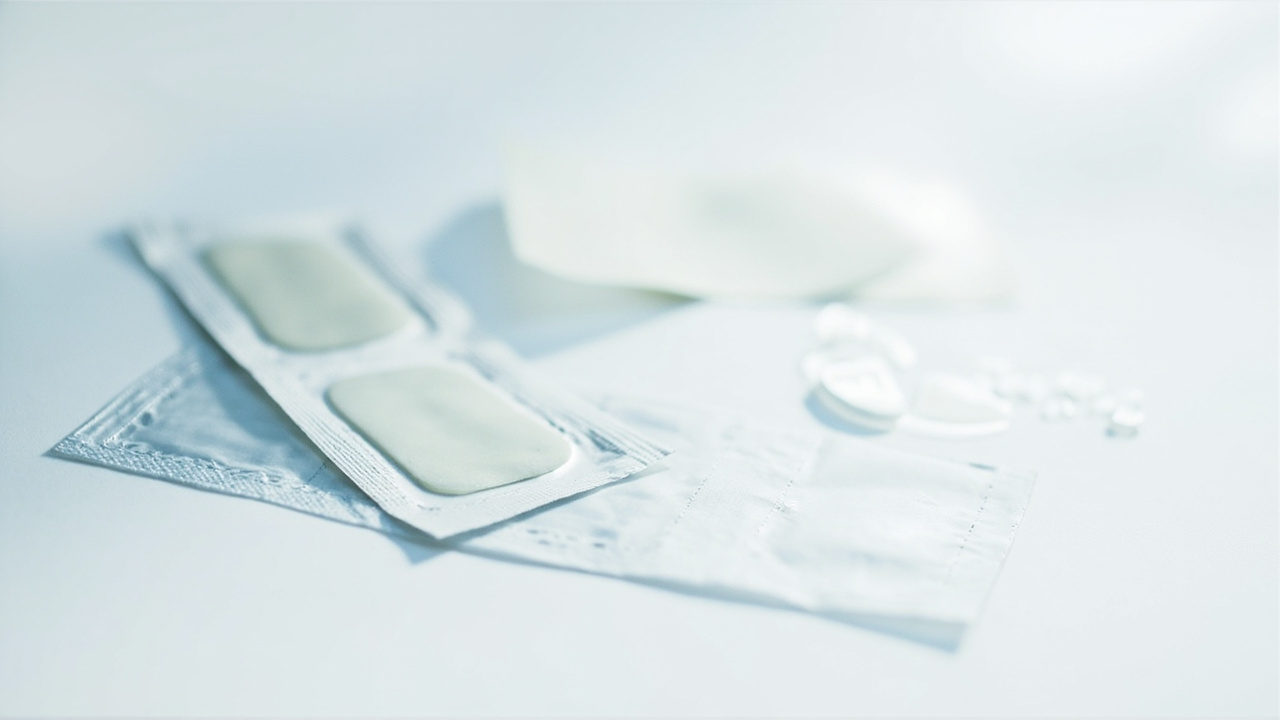
The global wellness industry is witnessing a paradigm shift in how nutrients are delivered. Gone are the days when oral supplements—pills, capsules, and gummies—were the only option. Today, a growing number of consumers and healthcare professionals are turning to vitamin patches as an innovative, effective, and convenient alternative. This surge in popularity is not just a passing trend; it’s a fundamental change in the approach to daily supplementation, driven by the desire for higher bioavailability, avoidance of digestive issues, and consistent nutrient delivery. For B2B brands looking to capitalize on this momentum, understanding the intricacies of vitamin patch OEM is crucial. This definitive guide explores the rise of transdermal vitamins, focusing on the most sought-after options—B12, D3, and C—and provides actionable insights for businesses aiming to launch their own product lines.
Key Takeaways
- The Science Behind Transdermal Vitamin Delivery
- Market Growth and Consumer Demand for Vitamin Patches
- Key Vitamins in Transdermal Form: B12, D3, and C
- OEM Manufacturing and Regulatory Considerations for Vitamin Patches
- How to Choose the Right Vitamin Patch OEM Partner
- Steps to Launch Your Own Vitamin Patch Product
Key Takeaways
- The global transdermal patches market is projected to reach $9.4 billion by 2027, growing at a CAGR of 5.2%, indicating a robust and expanding market opportunity.
- Transdermal delivery bypasses the digestive system, offering higher bioavailability for certain nutrients like B12 and D3, which are poorly absorbed orally.
- Vitamin patches provide consistent, time-released delivery over 8-12 hours, ensuring steady blood levels without the peaks and troughs associated with oral supplements.
- Consumer demand for non-invasive, convenient supplementation is rising, with 62% of U.S. adults expressing interest in transdermal vitamin delivery.
- Partnering with an experienced OEM manufacturer like Kongdy Health, with FDA, ISO 13485, and GMP certifications, ensures regulatory compliance and high-quality production.
- Successful product development requires careful consideration of patch materials, adhesive selection, and compatibility with active ingredients to ensure safety and efficacy.
The Science Behind Transdermal Vitamin Delivery
To appreciate the rise of vitamin patches, one must first understand the science that makes them work. The skin is the body’s largest organ, and it acts as a barrier but also a gateway. Transdermal patches are designed to deliver active ingredients through the skin and into the bloodstream, bypassing the gastrointestinal tract entirely. This route of administration offers several advantages, particularly for nutrients that are notoriously difficult to absorb orally.
For instance, vitamin B12 absorption in the gut requires intrinsic factor, a protein produced in the stomach, and many people—especially the elderly—have reduced intrinsic factor production, leading to deficiency despite adequate oral intake. Similarly, vitamin D3 is fat-soluble and requires dietary fat for optimal absorption, which can be inconsistent. Patches circumvent these obstacles by delivering nutrients directly into the systemic circulation, ensuring that a higher percentage of the dose reaches the cells that need it.
Moreover, the stratum corneum, the outermost layer of the skin, acts as a formidable barrier. To facilitate transdermal delivery, patches use various technologies such as microreservoirs, chemical enhancers, or microneedle arrays. These technologies allow for the controlled release of vitamins over an extended period, typically 8 to 12 hours, providing a steady supply of nutrients throughout the day. This is a significant advantage over oral supplements, which cause a spike in nutrient levels followed by a rapid decline.
From a formulation perspective, not all vitamins are suitable for transdermal delivery. The molecular weight, solubility, and partition coefficient of the active ingredient must be carefully considered. For example, vitamin C is water-soluble and relatively unstable, requiring specialized formulation to maintain its efficacy in a patch. In contrast, vitamin D3 is lipophilic and more stable, making it an excellent candidate for transdermal delivery. This is where the expertise of an experienced vitamin patch OEM becomes indispensable, as they possess the technical knowledge to overcome these formulation challenges.
Market Growth and Consumer Demand for Vitamin Patches
The market for transdermal patches has been experiencing robust growth, and vitamin patches are a significant contributor to this expansion. According to a report by Grand View Research, the global transdermal patches market size was valued at $6.5 billion in 2020 and is expected to grow at a compound annual growth rate (CAGR) of 5.2% from 2021 to 2028. This growth is driven by increasing consumer awareness of the benefits of transdermal drug delivery, technological advancements, and a growing preference for self-administration and non-invasive treatments.
In the specific segment of vitamin patches, consumer interest has skyrocketed. A survey conducted by the Council for Responsible Nutrition in 2021 found that 62% of U.S. adults were interested in using transdermal vitamin patches, citing convenience, perceived effectiveness, and concerns about swallowing pills. This shift in consumer behavior is not lost on retailers and online marketplaces, where vitamin patches are now a common sight, with products ranging from B12 energy patches to D3 mood patches and C immunity patches.
The COVID-19 pandemic further accelerated the demand for immune-supporting supplements, including vitamin C and D3 patches. People became more proactive about their health, seeking innovative ways to boost their immunity. As a result, many brands saw a surge in sales of vitamin patches, and this trend is expected to continue as consumers become more educated about the benefits of transdermal delivery.
For B2B buyers, this presents a golden opportunity. By entering the vitamin patch market now, you can position your brand as an innovator and capture a share of this growing pie. However, success requires more than just a good idea; it requires a reliable manufacturing partner who can deliver high-quality, compliant products that meet consumer expectations.
Key Vitamins in Transdermal Form: B12, D3, and C
While a wide range of vitamins can be delivered transdermally, three have emerged as the most popular in the patch market: B12, D3, and C. Each offers unique benefits and addresses specific consumer needs.
Vitamin B12 Patches
Vitamin B12 is essential for nerve function, red blood cell production, and DNA synthesis. Deficiency is common, affecting up to 15% of the general population, according to the National Institutes of Health (NIH). Traditional oral supplements often fail to correct deficiency due to poor absorption, which is why B12 injections have been a standard treatment. However, B12 patch transdermal delivery offers a non-invasive alternative that ensures high bioavailability. Patches are particularly popular among vegans, vegetarians, and the elderly, who are at higher risk of deficiency. They are also favored by athletes and busy professionals seeking an energy boost without the jitters of caffeine.
Vitamin D3 Patches
Vitamin D3, also known as cholecalciferol, plays a crucial role in bone health, immune function, and mood regulation. The World Health Organization estimates that 1 billion people worldwide have vitamin D deficiency. Oral supplements are effective, but they require consistent daily intake and can be affected by dietary habits. A vitamin D3 patch provides a steady release of the vitamin, which is particularly beneficial for individuals with malabsorption issues or those living in areas with limited sunlight. The patch format also appeals to those who forget to take daily supplements, as a single patch can last for 24 hours or more.
Vitamin C Patches
Vitamin C is a powerful antioxidant that supports immune function, skin health, and collagen production. However, it is water-soluble and rapidly excreted, requiring frequent dosing to maintain optimal levels. Transdermal delivery of vitamin C allows for a slower, more sustained release, maximizing its benefits. Patches are especially popular during cold and flu season, as consumers seek to boost their immunity proactively. The stability of vitamin C in patch formulations is a technical challenge, but leading OEM manufacturers have developed proprietary methods to ensure efficacy.
Beyond these three, other vitamins like B-complex, magnesium, and multivitamin blends are also gaining traction in the patch market. This diversification offers brands ample opportunities to create niche products that cater to specific health concerns, from sleep support to stress relief.
OEM Manufacturing and Regulatory Considerations for Vitamin Patches
Entering the vitamin patch market requires a thorough understanding of the manufacturing process and regulatory landscape. Unlike oral supplements, transdermal patches are considered medical devices in many jurisdictions, subject to stricter regulations. For instance, in the United States, the FDA regulates transdermal patches as drugs or devices depending on their intended use. If a patch claims to treat or prevent a disease, it is classified as a drug and requires a New Drug Application (NDA). However, if it is marketed as a cosmetic or a dietary supplement, it may be subject to different regulations. It is crucial to work with an OEM partner who is well-versed in these distinctions and can guide you through the compliance process.
ISO 13485 is the international standard for quality management systems for medical devices, and certification ensures that the manufacturer consistently meets regulatory requirements and customer expectations. Additionally, adherence to Good Manufacturing Practices (GMP) is essential to ensure product safety, purity, and quality. A reputable vitamin patch OEM will have these certifications and be able to provide documentation to prove compliance.
The manufacturing process itself involves several critical steps: formulation, patch construction, and quality control. The formulation must ensure that the vitamins are stable and compatible with the adhesive and backing materials. The patch construction includes layers such as the release liner, adhesive matrix, and backing film, each of which must be selected carefully to ensure proper adhesion and drug release. Quality control measures include testing for uniformity, stability, and microbial contamination.
Given these complexities, it is not advisable to attempt manufacturing in-house without significant expertise. Instead, partnering with an experienced OEM like Kongdy Health, a company with over 30 years of experience in transdermal patch manufacturing, can save time, reduce risk, and ensure a high-quality end product. Kongdy Health has served clients in 120+ countries and holds FDA, ISO 13485, and GMP certifications, making them a trusted partner for brands looking to enter the market.
How to Choose the Right Vitamin Patch OEM Partner
Selecting the right OEM partner is a critical decision that can determine the success or failure of your vitamin patch product. Here are key factors to consider when evaluating potential manufacturers:
- Experience and Expertise: Look for a manufacturer with a proven track record in transdermal patch development. Ask about their experience with vitamin patches specifically, and request case studies or references.
- Certifications and Compliance: Ensure the OEM holds relevant certifications such as FDA registration, ISO 13485, and GMP. These certifications are non-negotiable for ensuring product quality and regulatory compliance.
- Customization Capabilities: Your brand may have specific requirements for patch size, shape, color, and adhesion properties. A good OEM should offer flexible customization options to meet your unique needs.
- Research and Development Support: A partner with strong R&D capabilities can help you optimize your formulation, improve bioavailability, and overcome technical challenges. This is especially important if you are developing a novel product.
- Production Capacity and Scalability: Consider the OEM’s production capacity and ability to scale up as your business grows. You don’t want to be limited by your manufacturer’s capabilities.
- Supply Chain and Sourcing: Inquire about the sourcing of raw materials and the OEM’s supply chain management. Reliable sourcing ensures consistent quality and timely delivery.
By carefully evaluating these factors, you can select a partner that aligns with your business goals and helps you bring a superior product to market.
Steps to Launch Your Own Vitamin Patch Product
Once you have chosen an OEM partner, the next step is to plan your product launch. Here is a step-by-step guide to help you navigate the process:
- Market Research: Identify your target audience, understand their pain points, and analyze your competitors. Determine which vitamins are in demand and what unique selling proposition (USP) your product can offer.
- Product Development: Work with your OEM partner to develop a prototype. This includes selecting the vitamins, determining the dosage, and designing the patch. Ensure that the formulation is stable and effective.
- Regulatory Approval: Depending on your target market, you may need to register your product with regulatory bodies such as the FDA or obtain CE marking for Europe. Your OEM partner should provide the necessary documentation and support.
- Branding and Packaging: Develop a compelling brand identity and packaging that resonates with your target audience. Consider the patch design, color, and messaging.
- Quality Testing: Before mass production, conduct rigorous quality testing to ensure the patches meet all specifications and are safe for consumer use.
- Production and Launch: Once everything is approved, proceed with mass production and plan your launch marketing campaign. Utilize digital channels, influencers, and retail partnerships to reach your audience.
Following these steps with the guidance of an experienced OEM will increase your chances of success in the competitive vitamin patch market.
Case Studies and Success Stories in Vitamin Patch Market
Several brands have successfully leveraged vitamin patches to carve out a niche in the wellness industry. For example, PatchAid, a leading brand in the vitamin patch market, offers a wide range of patches including B12, D3, and multivitamin formulas. They have gained a loyal following by emphasizing the benefits of transdermal delivery and ensuring high-quality products through rigorous testing.
Another success story is The Vitamin Patch Company, which specializes in all-natural patches for sleep, energy, and immunity. They have capitalized on the growing demand for natural and convenient health solutions, and their products are now available in major retail chains and online platforms.
These success stories demonstrate that there is a viable market for vitamin patches, and with the right strategy and manufacturing partner, new brands can achieve similar success. The key is to offer a product that stands out in terms of quality, efficacy, and branding.
Frequently Asked Questions
Q1: How long does a vitamin patch take to start working?
The onset of action for vitamin patches varies depending on the vitamin and the individual’s metabolism. Generally, you may start to feel effects within 1-2 hours of application, as the vitamin begins to absorb through the skin and enter the bloodstream. However, for some vitamins like B12, it may take a few days of consistent use to notice significant changes in energy levels or mood. The key is to use the patch as directed and give your body time to adjust.
Q2: Are vitamin patches safe to use?
Yes, vitamin patches are generally safe for most people when used as directed. They are designed to deliver a controlled dose of vitamins, minimizing the risk of overdose. However, it is important to consult with a healthcare professional before starting any new supplement, especially if you have underlying health conditions or are pregnant or nursing. Additionally, if you experience any skin irritation, discontinue use and consult a doctor.
Q3: Can I wear a vitamin patch while showering or exercising?
Most vitamin patches are designed to be water-resistant and can withstand showering, swimming, and exercise. However, it is recommended to check the product instructions for specific guidance. Some patches may have a lower adhesion tolerance and may need to be removed before vigorous activities. To ensure optimal adhesion, apply the patch to a clean, dry area of skin and press firmly for at least 30 seconds.
Sources
- Grand View Research – Transdermal Patches Market Report
- FDA – Medical Device Classification
- ISO 13485:2016 – Medical devices quality management systems
- World Health Organization – Vitamin D Fact Sheet
Ready to bring your vitamin patch product to life? Partner with Kongdy Health, a trusted leader in transdermal patch OEM with over 30 years of experience. Our FDA, ISO 13485, and GMP certified facilities ensure your product meets the highest standards. Contact us today to discuss your project and get a free consultation. Learn more about our OEM/ODM services.