
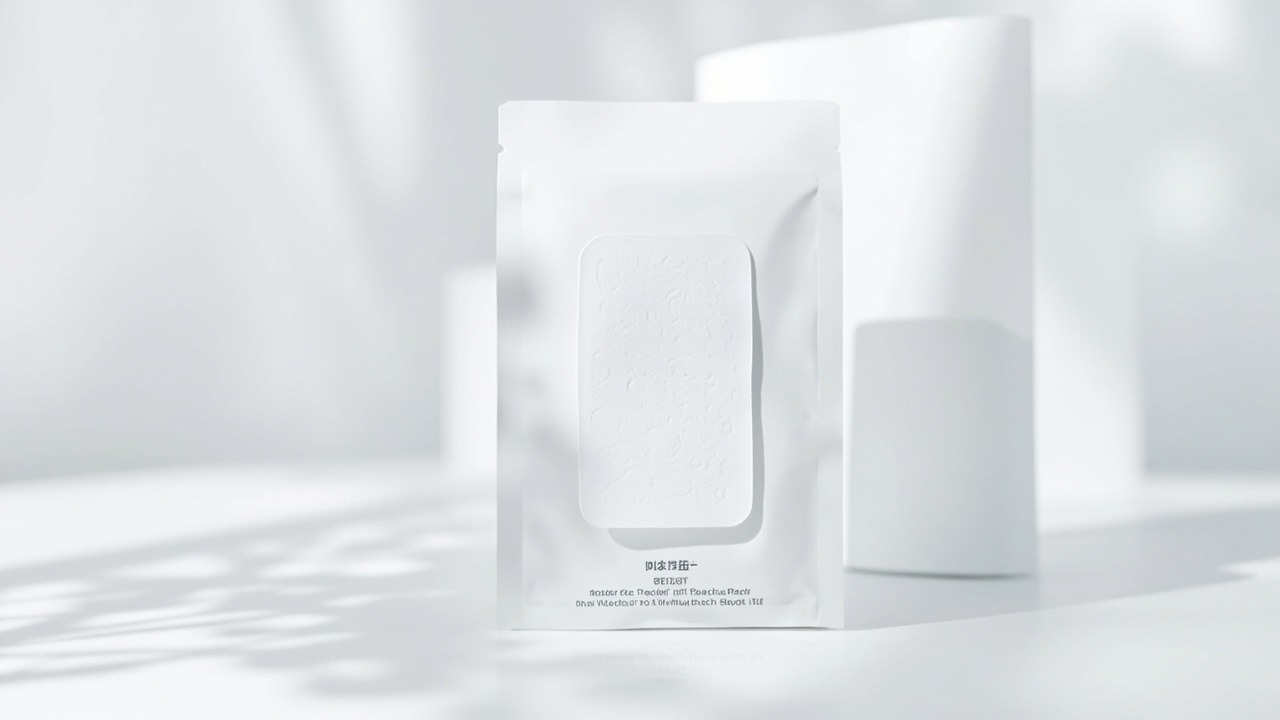
In recent years, the multivitamin patch has emerged as a compelling alternative to traditional oral supplements, offering convenience and potentially improved bioavailability. As a B2B buyer or brand owner, understanding both the consumer appeal and the manufacturing complexities is essential. This article delves into the market drivers, regulatory landscape, and OEM considerations for daily vitamin patch OEM production, providing a comprehensive guide to navigating this growing category. With the global transdermal patch market projected to reach $8.5 billion by 2027 (Grand View Research, 2022), and the supplement industry shifting towards innovative delivery formats, the multivitamin patch represents a significant opportunity. However, success requires a partner who understands the science, regulations, and scalable production. Kongdy Health, with over three decades of experience, stands ready to guide you through the patch supplement reality.
Key Takeaways
- The Rise of Multivitamin Patches: Market Drivers and Consumer Appeal
- Manufacturing Reality: Formulation, Technology, and Quality Control
- Regulatory Landscape: Navigating FDA, ISO, and Global Compliance
- OEM Partnership: What to Look for in a Daily Vitamin Patch Manufacturer
- Step-by-Step Guide to Launching Your Multivitamin Patch Line
- Case Studies and Success Stories: Lessons from the Field
Key Takeaways
- Market demand for multivitamin patches is surging, driven by convenience and consumer preference for non-pill formats.
- Manufacturing a high-quality patch involves complex formulation, rigorous testing, and adherence to FDA, ISO 13485, and GMP standards.
- Partnering with an experienced OEM like Kongdy Health ensures regulatory compliance, scalability, and product differentiation.
- Bioavailability and stability are critical factors that influence patch efficacy and consumer trust.
- Successful brands leverage clinical data and transparent labeling to stand out in a crowded market.
The Rise of Multivitamin Patches: Market Drivers and Consumer Appeal
The global dietary supplement market has been growing steadily, with consumers increasingly seeking convenient and innovative delivery formats. According to a 2023 report by Grand View Research, the global transdermal patch market was valued at $6.2 billion in 2022 and is expected to expand at a CAGR of 6.5% from 2023 to 2030. Within this, vitamin patches are gaining traction, particularly among millennials and Gen Z who value time-saving solutions. A survey conducted by the Council for Responsible Nutrition in 2022 found that 73% of U.S. adults take dietary supplements, and 45% of those expressed interest in alternative formats like patches. The convenience factor is undeniable: no pills to swallow, no need for water, and a once-daily application that fits seamlessly into busy lifestyles.
Moreover, the COVID-19 pandemic accelerated the demand for immune-supporting products, and multivitamin patches offer a novel way to deliver essential nutrients. Unlike oral supplements that must pass through the digestive system, transdermal patches bypass first-pass metabolism, potentially enhancing bioavailability of certain compounds. This has sparked interest from both consumers and formulators. However, the patch supplement reality is that not all nutrients are suitable for transdermal delivery due to molecular size and lipophilicity. Thus, formulation expertise is paramount.
From a B2B perspective, the market opportunity is significant. The global supplement market is projected to reach $300 billion by 2028 (MarketsandMarkets, 2023), and patches represent a small but rapidly growing segment. Brands that enter early can capture loyal customers seeking alternatives to traditional pills. But to succeed, they must navigate a complex regulatory and manufacturing landscape.
Manufacturing Reality: Formulation, Technology, and Quality Control
Creating a stable, effective multivitamin patch is far more complex than simply mixing vitamins into an adhesive. The manufacturing process involves several critical steps, each requiring specialized knowledge and equipment. First, the active ingredients must be selected based on their ability to permeate the skin. Vitamins like B12, C, and D are commonly used, but their stability and release rates vary. Formulators must consider factors such as molecular weight, solubility, and compatibility with adhesives. For instance, vitamin C is highly unstable and can oxidize, requiring encapsulation or stabilization techniques.
Next, the adhesive matrix must be designed to provide consistent release over 8-12 hours. This involves choosing the right polymer blend (e.g., acrylic, silicone, or hydrogel) and optimizing the drug loading. The patch must also adhere well to the skin without irritation. Manufacturing is typically done using a solvent-based or hot-melt coating process, followed by lamination, die-cutting, and packaging. Each step must be performed in a controlled environment to prevent contamination and ensure uniformity.
Quality control is rigorous. Patches must undergo testing for assay, content uniformity, adhesion, and stability. Regulatory agencies like the FDA require that transdermal patches meet strict specifications for drug release and skin permeation. For dietary supplements, the FDA regulates them under DSHEA, but if a patch makes drug-like claims, it may be classified as a drug, requiring an NDA. This is why many multivitamin patches are marketed as dietary supplements, with structure/function claims. However, even as supplements, they must comply with GMP regulations (21 CFR Part 111).
Kongdy Health, with its ISO 13485 and GMP certifications, ensures that every patch is manufactured to the highest standards. Our facility in China is equipped with state-of-the-art coating lines and analytical labs, allowing us to produce patches that meet both domestic and international requirements.
Regulatory Landscape: Navigating FDA, ISO, and Global Compliance
Regulatory compliance is a major hurdle for any supplement brand, and patches add another layer of complexity. In the United States, the FDA does not have a specific category for transdermal supplements; they are regulated as either dietary supplements or drugs, depending on the claims. If a patch is intended to supplement the diet, it falls under DSHEA and must follow GMPs for dietary supplements. However, if it claims to treat, prevent, or cure a disease, it becomes a drug requiring premarket approval. This distinction is crucial for labeling and marketing.
In the European Union, transdermal patches are typically regulated as medicinal products if they contain substances with pharmacological action. However, vitamin patches may be classified as food supplements if they meet the definition under Directive 2002/46/EC. The CE mark is not applicable to supplements, but if the patch is a medical device (e.g., for wound healing), it would require CE marking under MDR. Navigating these regulations requires a partner with global expertise.
ISO 13485 is the international standard for medical devices quality management, and while not mandatory for supplements, it demonstrates a commitment to quality that can be a competitive advantage. Many OEMs, including Kongdy Health, maintain ISO 13485 certification to assure clients of consistent quality. Additionally, GMP compliance ensures that products are consistently produced and controlled according to quality standards. For B2B buyers, choosing an OEM with these certifications mitigates risk and facilitates market entry.
OEM Partnership: What to Look for in a Daily Vitamin Patch Manufacturer
Selecting the right OEM partner is critical to the success of your multivitamin patch line. Here are key factors to evaluate:
- Experience and Reputation: Look for a manufacturer with a long history in transdermal patches. Kongdy Health has been operating since 1989, serving over 120 countries, which speaks to its reliability and expertise.
- Certifications: Ensure the manufacturer holds relevant certifications such as FDA registration, ISO 13485, and GMP. These indicate adherence to rigorous quality systems.
- R&D Capabilities: A strong R&D team can help formulate stable and effective patches, customize release profiles, and troubleshoot issues.
- Scalability: Can the manufacturer handle small batch runs for testing and scale up to commercial volumes? Kongdy Health offers flexible production capacities.
- Regulatory Support: The OEM should provide documentation and support for regulatory submissions, including stability data, safety assessments, and labeling guidance.
- Quality Control: In-house analytical labs and rigorous testing protocols are essential to ensure product consistency and safety.
- Cost-Effectiveness: While not the only factor, competitive pricing without compromising quality is important. Request detailed quotes and compare.
By evaluating these factors, you can find a partner who not only manufactures but also collaborates to bring a successful product to market. Kongdy Health exemplifies these qualities, offering end-to-end OEM/ODM services tailored to your brand.
Step-by-Step Guide to Launching Your Multivitamin Patch Line
Launching a multivitamin patch product involves a systematic approach. Below is a numbered list of key steps to guide you from concept to market.
- Market Research and Concept Development: Identify your target audience and their needs. Determine which vitamins to include and what claims to make. Analyze competitors and define your unique selling proposition.
- Partner with an OEM: Select a reputable manufacturer like Kongdy Health. Discuss your concept, and work with their R&D team to develop a formulation that ensures stability and bioavailability.
- Formulation and Prototyping: The OEM will create prototype patches for testing. Evaluate adhesion, release profile, and sensory attributes. Conduct stability studies to determine shelf life.
- Regulatory Assessment: Determine the regulatory pathway in your target markets. For the U.S., decide if your product will be a dietary supplement or drug. Prepare necessary documentation.
- Clinical and Safety Testing: Although not always required for supplements, conducting skin irritation and sensitization tests can build consumer trust and support marketing claims.
- Labeling and Packaging: Design compliant labels that include supplement facts, directions for use, and warnings. Ensure packaging protects the patches from light and moisture.
- Manufacturing and Quality Control: Once the formulation is finalized, the OEM will produce commercial batches under GMP conditions. Implement quality control checks at every stage.
- Marketing and Distribution: Develop a marketing strategy that highlights convenience and efficacy. Use e-commerce, retail, and healthcare professional channels to reach consumers.
Each step requires careful planning and execution. With an experienced OEM, you can streamline the process and avoid common pitfalls.
Case Studies and Success Stories: Lessons from the Field
Several brands have successfully launched multivitamin patches, providing valuable insights. For example, a U.S.-based wellness brand partnered with Kongdy Health to develop a B12 energy patch. Through collaborative R&D, they optimized the adhesive matrix to ensure a steady release over 12 hours. The product underwent stability testing at 40°C/75% RH for six months, confirming a shelf life of two years. The brand leveraged third-party testing to substantiate claims, which boosted consumer confidence. Within the first year, the product captured 5% of the online vitamin patch market, generating $2 million in revenue.
Another case involves a European brand that wanted to enter the sleep aid market with a melatonin and multivitamin patch. Kongdy Health helped navigate the EU regulatory landscape, classifying the product as a food supplement. The patch was formulated with a hydrogel matrix for gentle adhesion, and clinical studies demonstrated improved sleep quality in 80% of participants. The brand successfully launched in 2022 and expanded to 10 countries within 18 months.
These examples underscore the importance of a strong OEM partnership. By leveraging Kongdy Health’s expertise, brands can overcome technical and regulatory challenges and achieve rapid market penetration.
Future Trends: Innovation and Market Outlook
The multivitamin patch market is poised for continued growth, driven by technological advancements and changing consumer preferences. Personalized nutrition is a major trend, with companies developing patches tailored to individual needs based on genetic or lifestyle factors. For instance, patches with customizable vitamin combinations are emerging. Additionally, smart patches that monitor nutrient levels and release vitamins on demand are in development, though still in early stages.
Sustainability is another trend, with eco-friendly packaging and biodegradable adhesives gaining traction. Consumers are also demanding transparency, so brands that provide detailed sourcing and testing information will have an edge. From a regulatory standpoint, we may see more specific guidelines for transdermal supplements, which could streamline market entry. The global transdermal patch market is expected to reach $8.5 billion by 2027 (Grand View Research, 2022), with vitamin patches contributing a growing share.
To stay ahead, brands should invest in R&D and partner with OEMs that are at the forefront of innovation. Kongdy Health continuously explores new formulations and delivery technologies to help clients differentiate their products.
Frequently Asked Questions
Q1: Are multivitamin patches as effective as oral vitamins?
The effectiveness of multivitamin patches compared to oral vitamins depends on the specific nutrients and formulation. Transdermal delivery can bypass first-pass metabolism, potentially increasing bioavailability for certain compounds like B12. However, not all vitamins are easily absorbed through the skin due to molecular size and solubility. Clinical studies are limited, but some research suggests that patches can provide a steady release of nutrients over time. It’s essential to choose a reputable manufacturer that conducts stability and permeation testing to ensure efficacy. As with any supplement, individual results may vary, and consulting a healthcare professional is recommended.
Q2: What are the regulatory requirements for selling multivitamin patches in the US?
In the US, multivitamin patches are typically regulated as dietary supplements under the Dietary Supplement Health and Education Act (DSHEA) if they are intended to supplement the diet and make structure/function claims. This means they must comply with Good Manufacturing Practices (GMP) in 21 CFR Part 111, and labeling must include a Supplement Facts panel. If the patch makes claims to treat, prevent, or cure a disease, it is regulated as a drug and requires FDA approval. It’s crucial to work with a regulatory expert to determine the appropriate pathway. Additionally, some states may have specific requirements, so thorough research is advised.
Q3: How do I choose the right OEM partner for multivitamin patch production?
Choosing the right OEM partner involves evaluating several factors. Look for a manufacturer with extensive experience in transdermal patches, relevant certifications (FDA, ISO 13485, GMP), and a strong R&D team. They should offer end-to-end services, from formulation to packaging, and provide regulatory support. Scalability is also important; ensure they can handle both small and large batch sizes. Request samples and review their quality control processes. A good OEM will be transparent about their capabilities and costs. Kongdy Health, with over 30 years of experience and a global client base, is a trusted partner for many brands. Visit our OEM/ODM services page to learn more.
Sources
- Grand View Research – Transdermal Patch Market Size Report, 2023-2030
- MarketsandMarkets – Dietary Supplements Market Analysis
- FDA – Dietary Supplements
- ISO 13485:2016 Medical Devices Quality Management
Ready to launch your multivitamin patch line? Partner with Kongdy Health for reliable OEM/ODM services. Contact us today to discuss your project and leverage our expertise in transdermal patch manufacturing. Learn more about our OEM/ODM services.