
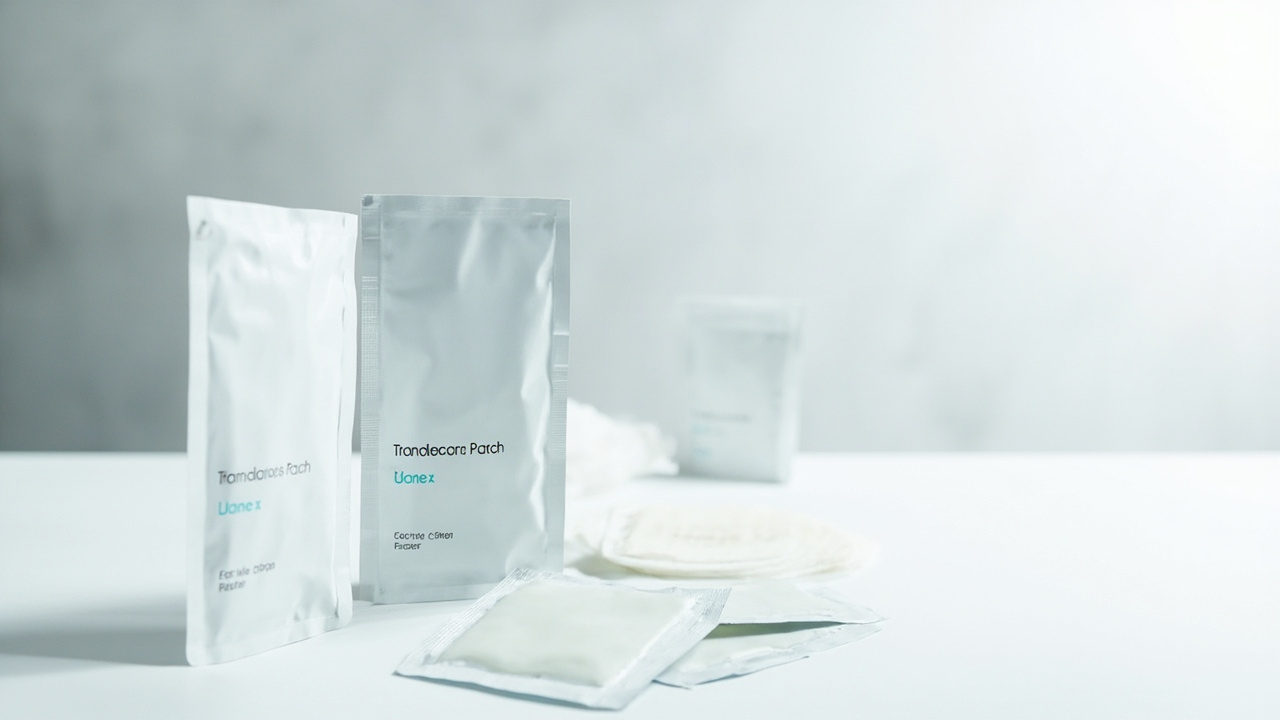
In a world where stress and anxiety have become pervasive, the demand for natural, convenient solutions is skyrocketing. Enter the anxiety patch—a transdermal delivery system infused with calming botanicals like ashwagandha, L-theanine, and valerian root. These patches offer a discreet, long-lasting way to manage everyday stress without pills or powders. For B2B buyers and brand owners, this represents a lucrative opportunity to tap into the booming wellness market. As a leading OEM/ODM manufacturer with over three decades of experience, Kongdy Health is at the forefront of this trend, helping companies launch their own calming patch OEM lines. In this comprehensive guide, we’ll explore the science behind these botanicals, market data, formulation strategies, and regulatory considerations to help you make informed decisions for your product development.
Key Takeaways
- Why Anxiety Patches Are Gaining Traction
- The Science Behind Key Botanicals: Ashwagandha, L-Theanine, and Valerian
- Market Data and Consumer Trends
- Formulation and Manufacturing Considerations for Calming Patch OEM
- Regulatory Landscape and Compliance
- Steps to Develop Your Own Anxiety Patch
Key Takeaways
- Anxiety patches combine botanicals like ashwagandha, L-theanine, and valerian to provide sustained calming effects through transdermal absorption.
- The global anxiety treatment market is projected to grow significantly, driven by increasing consumer preference for natural remedies (Grand View Research, 2023).
- Formulating an effective patch requires careful selection of active ingredients, penetration enhancers, and adhesive technologies to ensure stability and bioavailability.
- Regulatory compliance (FDA, ISO 13485, GMP, CE) is critical for market access; partnering with an experienced OEM like Kongdy Health streamlines this process.
- Clinical studies support the efficacy of ashwagandha for reducing cortisol levels and L-theanine for promoting relaxation without sedation.
- Customization options—such as patch size, dosage, and additional functional ingredients—allow brands to differentiate in a crowded market.
Why Anxiety Patches Are Gaining Traction
The global anxiety disorders treatment market was valued at approximately $10.5 billion in 2022 and is expected to grow at a CAGR of 4.2% from 2023 to 2030 (Grand View Research, 2023). While pharmaceutical options dominate, there’s a notable shift toward natural and over-the-counter solutions. Transdermal patches, in particular, are experiencing a surge in popularity due to their convenience, sustained release, and avoidance of first-pass metabolism. According to a 2022 report by MarketsandMarkets, the transdermal patch market is projected to reach $8.7 billion by 2027, with wellness patches (including calming and sleep aids) being one of the fastest-growing segments.
Consumers are increasingly seeking non-invasive, discreet ways to manage stress. Unlike oral supplements, patches provide a steady release of active ingredients over hours, which can be particularly beneficial for botanicals with short half-lives. Moreover, patches bypass the digestive system, reducing the risk of gastrointestinal discomfort and improving bioavailability for certain compounds. For B2B buyers, this translates to a product that meets consumer demand for convenience, efficacy, and clean-label appeal.
From a manufacturing perspective, the technology behind transdermal patches has evolved significantly. Modern patches can incorporate a wide range of botanical extracts, thanks to advances in adhesive polymers and penetration enhancers. This opens up opportunities for brands to create unique formulations that stand out in the marketplace. As an OEM partner, Kongdy Health has developed proprietary techniques to stabilize sensitive botanicals and ensure consistent dosing—a critical factor for consumer trust and regulatory compliance.
The Science Behind Key Botanicals: Ashwagandha, L-Theanine, and Valerian
Ashwagandha (Withania somnifera) is an adaptogenic herb with a long history in Ayurvedic medicine. It is renowned for its ability to reduce stress and anxiety by modulating the body’s stress response. Clinical studies have shown that ashwagandha can significantly lower cortisol levels. For instance, a 2019 randomized controlled trial published in Medicine found that participants taking ashwagandha root extract experienced a 27.9% reduction in cortisol levels compared to placebo. Additionally, ashwagandha has been shown to improve sleep quality and overall well-being. When delivered via a patch, ashwagandha’s active compounds (withanolides) are absorbed directly into the bloodstream, potentially enhancing its bioavailability and onset of action.
L-theanine is an amino acid found primarily in green tea. It is well-known for promoting relaxation without drowsiness, making it ideal for daytime anxiety relief. L-theanine works by increasing levels of GABA, serotonin, and dopamine in the brain, which helps to induce a state of calm alertness. A 2019 study in Nutrients demonstrated that L-theanine supplementation reduced stress-related symptoms and improved sleep quality in healthy adults. In a patch format, L-theanine can be combined with other botanicals to create a synergistic effect, providing both immediate and sustained relief.
Valerian root (Valeriana officinalis) is a traditional herb used for its sedative and anxiolytic properties. It is often included in sleep aids and calming formulations. Valerian root contains valerenic acid, which is believed to inhibit the breakdown of GABA, thereby promoting relaxation. A 2020 meta-analysis in Phytotherapy Research concluded that valerian root significantly improved sleep quality and reduced anxiety symptoms. However, valerian’s efficacy can be variable due to differences in extract quality. In a transdermal patch, valerian root extract can be standardized to ensure consistent levels of active compounds, providing reliable effects.
When formulating an anxiety patch, the synergy between these botanicals is key. Ashwagandha addresses the root cause of stress by regulating cortisol, L-theanine provides rapid calming without sedation, and valerian root promotes deeper relaxation and sleep. Together, they offer a comprehensive approach to anxiety management. Kongdy Health’s R&D team has extensive experience in optimizing ratios and using penetration enhancers to ensure each ingredient reaches therapeutic levels in the bloodstream.
Market Data and Consumer Trends
The demand for natural anxiety relief products is not a fleeting trend; it’s backed by solid market data. According to the American Institute of Stress, 55% of Americans report feeling stressed during the day, and 63% of adults say they are more anxious than they were a year ago (2022). This has led to a surge in sales of supplements and alternative therapies. The global herbal supplements market, valued at $8.8 billion in 2022, is expected to reach $12.9 billion by 2027, growing at a CAGR of 7.9% (MarketsandMarkets, 2022).
Within this, transdermal patches are carving out a significant niche. A 2023 report by Grand View Research on the transdermal patch market highlights that the wellness segment is growing at a CAGR of 6.5%, driven by consumer preference for non-oral delivery systems. This is particularly true among millennials and Gen Z, who value convenience and are more open to innovative formats. For B2B buyers, this means that launching an anxiety patch line can capture a loyal customer base and command premium pricing.
Moreover, the COVID-19 pandemic has accelerated the focus on mental health. A 2021 survey by the CDC found that 41% of adults reported symptoms of anxiety or depressive disorder, up from 11% pre-pandemic. This heightened awareness has reduced stigma and increased willingness to try natural remedies. As a result, retailers and online marketplaces are actively seeking differentiated products, making this an opportune time for brands to enter the market with a unique calming patch.
Formulation and Manufacturing Considerations for Calming Patch OEM
Developing an effective anxiety patch requires a deep understanding of transdermal technology. The patch must deliver a consistent dose of botanicals over a specified period (e.g., 8-12 hours) while maintaining adhesion and comfort. Key components include the backing layer, adhesive matrix, active ingredients, and release liner. The choice of adhesive is critical—it must be compatible with the botanicals and provide appropriate skin adhesion without irritation. Common adhesives include acrylics, silicones, and polyisobutylene. Each has its pros and cons; for instance, silicone adhesives offer excellent skin compatibility but may be more expensive.
Penetration enhancers are often necessary to facilitate the absorption of large molecules like withanolides. Ingredients such as oleic acid, isopropyl myristate, and terpenes can temporarily disrupt the skin’s barrier to improve permeability. However, they must be used judiciously to avoid skin irritation. Kongdy Health’s formulation scientists have developed proprietary blends that balance efficacy with safety, ensuring that the patch is gentle on the skin even for sensitive individuals.
Stability is another major challenge. Botanical extracts are complex mixtures that can degrade over time, leading to loss of potency. To mitigate this, manufacturers must control factors like temperature, humidity, and light during production and storage. Using antioxidants (e.g., vitamin E) and proper packaging can extend shelf life. Additionally, rigorous quality control testing—including HPLC analysis for marker compounds—is essential to ensure batch-to-batch consistency. As an ISO 13485-certified manufacturer, Kongdy Health adheres to strict quality management systems, giving clients peace of mind.
Scalability is also a consideration. Moving from lab-scale to commercial production requires specialized equipment for coating, drying, and laminating. Kongdy Health operates state-of-the-art facilities in China, capable of producing millions of patches per month. We offer full-service OEM/ODM, from formulation development to packaging and regulatory support. Whether you need a standard ashwagandha patch or a custom blend, our team can bring your vision to life.
Regulatory Landscape and Compliance
Navigating the regulatory landscape is one of the most complex aspects of launching an anxiety patch. In the United States, the FDA regulates transdermal patches as either drugs or cosmetics, depending on the claims made. If a patch is intended to treat anxiety, it is likely classified as a drug and requires an FDA New Drug Application (NDA) or Abbreviated New Drug Application (ANDA), which is a lengthy and costly process. However, if the patch is positioned as a cosmetic or general wellness product with structure/function claims (e.g., “promotes relaxation”), it may fall under the dietary supplement category, which is less stringent. It’s crucial to work with regulatory experts to determine the appropriate pathway.
In the European Union, patches are governed by the Medical Device Regulation (MDR) or the Cosmetic Regulation, depending on their intended use. CE marking is required for medical devices. For wellness patches, compliance with REACH and other chemical regulations is necessary. In other regions, such as Asia and Latin America, requirements vary. Kongdy Health has extensive experience in helping clients achieve compliance in over 120 countries. Our team stays up-to-date with evolving regulations, ensuring that your product meets all necessary standards.
Quality certifications are a testament to a manufacturer’s commitment to excellence. Kongdy Health holds ISO 13485 (medical devices), GMP (Good Manufacturing Practices), and FDA registration. These certifications not only facilitate market access but also reassure consumers about product safety and efficacy. When selecting an OEM partner, always verify their certifications and audit their facilities. A reputable manufacturer will welcome transparency and provide documentation to support their claims.
Steps to Develop Your Own Anxiety Patch
- Market Research and Concept Development: Identify your target audience and desired claims. Determine whether you want a daytime calming patch, a nighttime sleep patch, or a combination. Consider factors like patch size, duration of wear, and additional ingredients (e.g., magnesium, chamomile).
- Partner with an OEM/ODM Manufacturer: Choose a manufacturer with proven experience in transdermal patches and botanicals. Kongdy Health offers end-to-end services, from formulation to packaging. Discuss your concept and request samples.
- Formulation and Prototyping: Work with R&D to develop a prototype. This involves selecting the right extract concentrations, adhesives, and penetration enhancers. Test for stability, release profile, and skin compatibility.
- Clinical and Safety Testing: Depending on regulatory pathway, conduct safety assessments (e.g., skin irritation, sensitization) and efficacy studies. Even for wellness patches, it’s wise to have third-party testing to substantiate claims.
- Regulatory Submissions: Prepare and submit necessary documentation for your target markets. This may include FDA registration, CE marking, or country-specific notifications.
- Scale-Up and Production: Once the formulation is finalized, scale up to commercial production. Implement quality control measures to ensure consistency.
- Packaging and Branding: Design packaging that communicates the benefits and complies with labeling regulations. Consider eco-friendly options to appeal to sustainability-minded consumers.
- Launch and Marketing: Develop a marketing strategy that highlights the unique selling points of your patch. Leverage social media, influencer partnerships, and educational content to build trust.
Frequently Asked Questions
Q1: How long does it take for an anxiety patch to work?
The onset of effects depends on the formulation and individual. Typically, transdermal patches begin releasing active ingredients within 30-60 minutes, with peak effects occurring after 2-4 hours. However, because patches provide sustained release, the calming benefits can last for 8-12 hours. For best results, it’s recommended to apply the patch to clean, dry skin on a hairless area (e.g., wrist, shoulder, or upper back) and leave it on for the full duration. Unlike oral supplements that may cause a rapid spike and crash, patches offer a steady effect, which is ideal for managing anxiety throughout the day or night.
Q2: Are there any side effects associated with these botanical patches?
Botanical patches are generally well-tolerated, but some individuals may experience mild skin irritation at the application site. This can include redness, itching, or a rash. To minimize risk, rotate application sites and avoid applying to broken or irritated skin. Systemic side effects are rare but possible; for example, valerian root may cause drowsiness in some people, so caution is advised when driving or operating machinery. Ashwagandha is considered safe for most, but those with autoimmune conditions or pregnant women should consult a healthcare provider. Always conduct a patch test before full use and follow recommended guidelines.
Q3: Can I private label an anxiety patch with my own branding?
Absolutely. Private labeling is a core service offered by OEM/ODM manufacturers like Kongdy Health. We can produce patches with your logo, colors, and packaging design. The process begins with you selecting a base formulation or requesting a custom blend. We then handle production, quality control, and regulatory compliance. Private labeling allows you to build brand equity and offer a unique product without investing in manufacturing infrastructure. Minimum order quantities (MOQs) vary depending on customization; our team can guide you through the options to find a solution that fits your budget and goals.
Sources
- Grand View Research – Anxiety Disorders Treatment Market Report
- MarketsandMarkets – Transdermal Patch Market Report
- FDA – Transdermal Patches Information
- ISO – ISO 13485 Medical Devices
Ready to launch your own line of anxiety patches? Partner with Kongdy Health, a trusted OEM/ODM manufacturer with over 36 years of experience. From formulation to fulfillment, we provide end-to-end solutions tailored to your brand. Contact us today to discuss your project and request samples.