
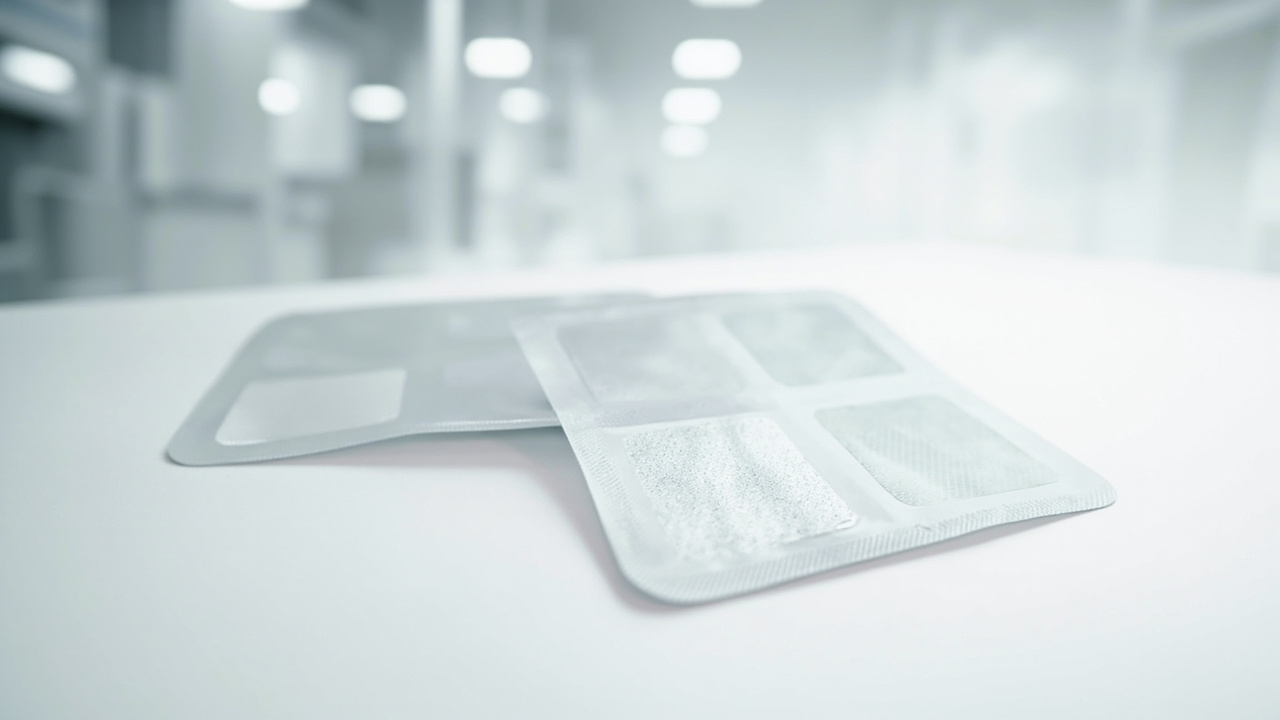
The nutraceutical and pharmaceutical industries are undergoing a paradigm shift. For decades, oral supplements—tablets, capsules, and powders—have dominated the market. However, a growing number of brands are pivoting to a more advanced delivery system: transdermal patches. This transition is not merely a trend; it is a response to scientific evidence, consumer demand for higher bioavailability, and the need for sustained, non-invasive delivery. According to a 2023 report by Grand View Research, the global transdermal patch market is projected to reach $12.2 billion by 2030, growing at a CAGR of 6.8%. In this comprehensive guide, we explore why brands are making the switch, the science behind patch delivery, and how partnering with an experienced OEM like Kongdy Health can accelerate your product launch.
The Bioavailability Advantage: Why Patches Outperform Oral Routes
One of the most compelling reasons for the shift is bioavailability. Oral supplements must survive the harsh acidic environment of the stomach, undergo first-pass metabolism in the liver, and then be absorbed through the intestinal wall. This process can reduce the active ingredient’s concentration by 50–90%, depending on the compound. For example, a 2021 study in the Journal of Pharmaceutical Sciences found that curcumin’s oral bioavailability is less than 1%, while transdermal delivery can achieve 20–30% systemic absorption.
Transdermal patches bypass the gastrointestinal tract and liver metabolism entirely. The drug is absorbed directly through the skin into the bloodstream, providing a consistent, controlled release over 12–24 hours. This not only enhances efficacy but also reduces the required dose, minimizing side effects. For brands, this translates to a more effective product that can command premium pricing and higher customer satisfaction.
Consumer Demand for Convenience and Consistency
Today’s health-conscious consumers prioritize convenience and reliability. Swallowing multiple pills daily is cumbersome, and many people experience pill fatigue or gastrointestinal discomfort. A 2022 survey by the Council for Responsible Nutrition indicated that 35% of supplement users forget to take their pills at least once a week. Transdermal patches offer a ‘set it and forget it’ solution: apply once and receive continuous delivery for up to 24 hours.
Moreover, patches eliminate the need for water, food timing, and multiple doses. This is particularly appealing for vitamins like B12, magnesium, and melatonin, where steady-state levels are critical. For brands, offering a patch format can differentiate their product line and attract a loyal customer base seeking hassle-free wellness.
Market Trends Driving the Supplement Patch Trend
The supplement patch trend is gaining momentum across multiple categories. According to a 2023 industry analysis by Transparency Market Research, the vitamin patch segment alone is expected to grow at 8.5% CAGR through 2031. Key drivers include the rise of personalized health, increased awareness of skin absorption, and the success of nicotine and pain relief patches as proof of concept.
Brands are expanding into patches for sleep (melatonin), energy (B12, caffeine), focus (l-theanine, caffeine), and immune support (vitamin C, zinc). The ability to combine multiple ingredients in a single patch—such as a sleep blend of melatonin, magnesium, and chamomile—offers a unique value proposition. Additionally, patches are ideal for people with sensitive stomachs or those who have difficulty swallowing pills, such as the elderly or children.
Regulatory Standards and Quality Assurance
Transdermal patches are classified as drug-device combinations in many jurisdictions, requiring rigorous quality control. Reputable manufacturers adhere to FDA, ISO 13485, and GMP standards to ensure safety, sterility, and consistent release profiles. For brands, partnering with a certified OEM like Kongdy Health (operating since 1989) provides assurance that every patch meets global regulatory requirements. Kongdy Health’s facilities are FDA-registered and ISO 13485:2016 certified, with CE marking for European markets.
Key quality parameters include:
- Uniformity of drug content across batches
- Adhesion testing to ensure patches stay on during daily activities
- Skin irritation and sensitization studies (ISO 10993 biocompatibility)
- Stability testing under various temperature and humidity conditions
These measures protect both the brand’s reputation and consumer safety, making OEM selection a critical business decision.
Formulation Considerations for Transdermal Patches
Developing an effective transdermal patch requires expertise in skin physiology and materials science. The skin’s stratum corneum is a formidable barrier; only molecules with a molecular weight under 500 Da and adequate lipophilicity can passively diffuse. For larger or hydrophilic molecules, permeation enhancers (e.g., ethanol, oleic acid) or active technologies (iontophoresis, microneedles) may be needed.
Kongdy Health’s R&D team leverages 35+ years of experience to optimize formulations. The process involves:
- Selecting the right polymer matrix (e.g., silicone, polyacrylate) for controlled release
- Incorporating permeation enhancers to maximize flux without causing irritation
- Conducting in vitro release testing using Franz diffusion cells
- Validating stability and packaging (e.g., heat-sealed pouches) to maintain product integrity
For brands, this technical depth ensures a product that performs consistently and stands up to regulatory scrutiny.
Cost-Effectiveness and Scalability for Brands
While the upfront cost of developing a transdermal patch may be higher than oral supplements, the long-term benefits often outweigh the investment. Patches command higher retail prices due to their perceived value and efficacy. Additionally, the manufacturing process—coating, drying, laminating, and die-cutting—is highly automated and scalable. Kongdy Health, with over 30 production lines and a capacity of 50 million patches per month, offers competitive OEM pricing with low minimum order quantities (MOQs) for startups.
Moreover, patches have a longer shelf life (typically 2–3 years) and do not require special storage conditions, reducing logistics costs. For brands, this means healthier margins and simplified supply chain management.
Frequently Asked Questions
Q1: Are transdermal patches as effective as oral supplements?
Yes, and often more effective for certain nutrients. Patches bypass first-pass metabolism, delivering a higher percentage of active ingredients directly into the bloodstream. For example, vitamin B12 patches have been shown to achieve comparable or superior serum levels to oral tablets, especially in individuals with absorption issues. However, effectiveness depends on the specific compound, patch design, and skin permeability. Consulting with an experienced OEM like Kongdy Health can help optimize formulation for maximum efficacy.
Q2: What types of ingredients work best in transdermal patches?
Ideal ingredients are those with low molecular weight (under 500 Da), moderate lipophilicity, and high potency. Common candidates include melatonin, magnesium, vitamin B12, caffeine, l-theanine, and certain herbal extracts like ashwagandha and curcumin. Water-soluble vitamins like vitamin C require specialized formulations with permeation enhancers. Kongdy Health’s R&D team can evaluate your ingredient list and recommend the best approach, including combination patches for synergistic effects.
Q3: How long does it take to develop and manufacture a custom patch?
Typical timelines range from 4 to 8 months, depending on formulation complexity and regulatory requirements. The process includes concept development, formulation optimization, stability testing, and scale-up. Kongdy Health streamlines this with parallel workflows and a dedicated project manager. For brands with existing formulations, the timeline can be shorter. We recommend starting early to allow for testing and regulatory submissions.
Ready to launch your own transdermal patch product? Partner with Kongdy Health, your trusted OEM/ODM manufacturer since 1989. With FDA/ISO 13485/GMP certifications and a proven track record in 120+ countries, we can turn your concept into a market-ready product. Contact us today to discuss your project.