
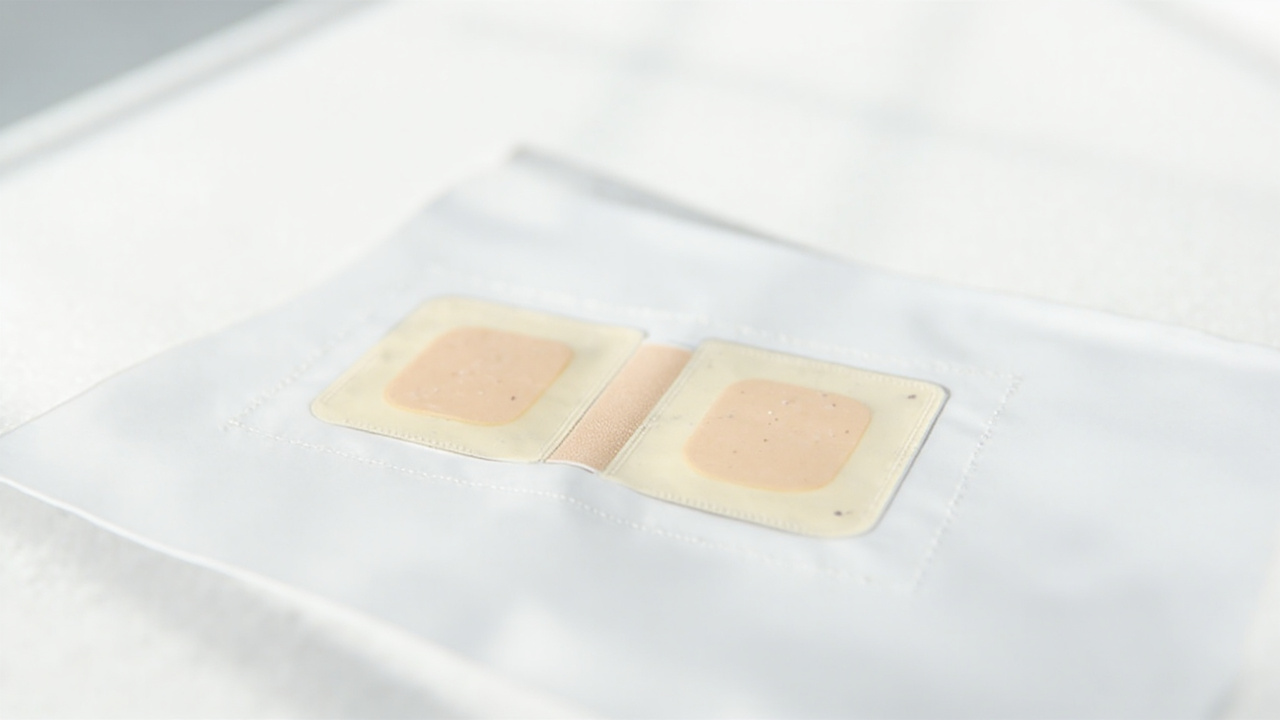
The global wellness industry continues to expand at a rapid pace, with the detox foot patch market projected to grow at a CAGR of 6.2% from 2023 to 2030 (Grand View Research). As consumer demand for non-invasive detoxification solutions rises, businesses are increasingly seeking reliable OEM partners to develop private-label detox foot patches. However, navigating the complexities of ingredient sourcing, manufacturing compliance, and international export can be daunting. This comprehensive guide explores every critical aspect of detox foot patch OEM—from active ingredients to regulatory certifications—equipping you with the knowledge needed to launch a successful product line.
Understanding Detox Foot Patch Ingredients and Their Functions
The efficacy of a detox foot patch largely depends on its ingredient formulation. Traditional recipes include a blend of natural substances such as bamboo vinegar, tourmaline, wood vinegar, and various herbal extracts. Bamboo vinegar, a key component, is produced by pyrolyzing bamboo at high temperatures and is believed to have absorbent and antimicrobial properties. Tourmaline, a crystalline mineral, is often added for its purported ability to emit far-infrared rays and negative ions, which may support circulation and detoxification.
Modern formulations may also incorporate activated charcoal, known for its adsorption capacity, and herbal extracts like mugwort, ginger, or lavender for added therapeutic benefits. When developing an OEM product, it is crucial to select ingredients that align with your target market’s regulatory standards. For instance, the European Union requires all cosmetic ingredients to be listed in the CosIng database, while the U.S. FDA expects adherence to Good Manufacturing Practices (GMP). Kongdy Health’s R&D team can customize formulations to meet specific health claims and regulatory requirements, ensuring both safety and efficacy.
The Detox Foot Patch Manufacturing Process: Step by Step
Manufacturing a detox foot patch involves a multi-stage process that demands precision and quality control. The journey begins with raw material inspection, where each ingredient is tested for purity, potency, and microbial contamination. Next, the formulation is prepared by blending active ingredients with a carrier matrix—often a hydrogel or adhesive base—in a controlled environment. This mixture is then coated onto a non-woven fabric backing, which provides structural integrity and breathability.
After coating, the patches are dried in a temperature- and humidity-controlled chamber to achieve the optimal moisture content. Once dried, they undergo lamination with a release liner to protect the adhesive side. The final steps include die-cutting into the desired shape, packaging in airtight pouches, and labeling. Throughout the process, in-process quality checks monitor parameters such as adhesion strength, pH, and microbial limits. Kongdy Health operates ISO 13485 and GMP-certified facilities, ensuring that every batch meets international quality standards.
Advanced manufacturing techniques, such as automated coating systems and real-time monitoring, enhance consistency and scalability. For OEM clients, this means the ability to produce large volumes without sacrificing quality—a critical factor when entering competitive markets like the United States or Europe.
Regulatory Standards and Certifications for Detox Foot Patches
Compliance with regulatory standards is non-negotiable when exporting detox foot patches. In the United States, the FDA categorizes detox foot patches as cosmetics or medical devices depending on the claims made. If the product claims to diagnose, treat, or prevent disease, it will be regulated as a medical device requiring 510(k) clearance. However, most detox patches are marketed as cosmetics, requiring adherence to FDA labeling regulations and GMP under 21 CFR Part 700.
For European markets, the patches must comply with the EU Cosmetics Regulation (EC) No 1223/2009 or the Medical Device Regulation (MDR) 2017/745, depending on classification. CE marking is mandatory, indicating conformity with health, safety, and environmental protection standards. Additionally, ISO 13485 certification demonstrates a robust quality management system for medical devices, while ISO 22716 covers GMP for cosmetics. Kongdy Health holds all these certifications, providing OEM clients with the assurance that their products meet global compliance requirements.
Other key certifications include the FDA registration for facilities, GMP certification, and documentation for the country of origin. Each export destination may have specific requirements—for example, Japan’s Pharmaceutical and Medical Device Act (PMD Act) or Australia’s Therapeutic Goods Administration (TGA). A knowledgeable OEM partner can navigate these complexities, ensuring your product clears customs smoothly.
Export Requirements and Documentation for Detox Foot Patches
Exporting detox foot patches requires meticulous preparation of shipping and customs documentation. Essential documents include a commercial invoice, packing list, bill of lading or airway bill, certificate of origin, and a material safety data sheet (MSDS) if the product contains hazardous substances. For countries like Saudi Arabia or the UAE, a certificate of free sale (CFS) issued by the health authority in the country of manufacture is often required.
Beyond paperwork, compliance with destination country regulations is critical. For instance, the European Union requires that the product be registered in the CPNP (Cosmetic Products Notification Portal) before placing on the market. Similarly, South Korea mandates K-REACH registration for any chemical substances in the product. Import duties and taxes vary by country; for example, the U.S. Harmonized Tariff Schedule classifies foot patches under HTS 3304.99.50 (cosmetics) with a duty rate of 5.3%.
Packaging and labeling must also meet local requirements: English labeling for the U.S., French for Canada, and Arabic for many Middle Eastern countries. Labels should include ingredient lists, net weight, usage instructions, and manufacturer information. Kongdy Health offers comprehensive export support, including label design assistance and customs documentation, to streamline the process for its OEM partners.
Key Considerations When Choosing a Detox Foot Patch OEM Partner
Selecting the right OEM partner is a strategic decision that impacts product quality, time-to-market, and long-term success. Here are critical factors to evaluate:
- Certifications and Compliance: Ensure the manufacturer holds ISO 13485, GMP, FDA registration, and CE marking. These certifications demonstrate a commitment to quality and regulatory adherence.
- Manufacturing Capabilities: Assess production capacity, lead times, and customization options. A partner with advanced equipment can produce various patch sizes, shapes, and formulations.
- R&D Expertise: Look for a team with experience in transdermal technology and herbal formulations. They should be able to develop proprietary blends and optimize absorption rates.
- Quality Control Systems: Verify that the manufacturer conducts raw material testing, in-process checks, and finished product testing. Third-party lab reports add credibility.
- Supply Chain Transparency: A reliable partner will source ingredients from reputable suppliers and provide traceability documentation.
- Export Experience: Choose a partner familiar with international shipping, customs procedures, and documentation requirements for your target markets.
- Minimum Order Quantities (MOQs): Evaluate whether MOQs align with your business scale. Some OEMs offer flexible MOQs for startups.
By prioritizing these factors, you can mitigate risks and build a profitable product line.
Steps to Launch Your Private Label Detox Foot Patch
Launching a private label detox foot patch involves a structured process from concept to market. Follow these steps to ensure a smooth rollout:
- Market Research and Concept Development: Identify your target audience, analyze competitors, and define your unique selling proposition. Decide on product claims (e.g., “overnight detox,” “herbal formula”) and packaging preferences.
- Select an OEM Partner: Research and vet manufacturers like Kongdy Health. Request samples, review certifications, and negotiate terms including pricing, MOQ, and lead times.
- Formulation and Prototyping: Collaborate with the OEM’s R&D team to develop a custom formulation. Provide feedback on texture, scent, and patch size. Multiple rounds of sampling may be needed.
- Regulatory Review: Work with the OEM to ensure the product complies with regulations in your target markets. This may involve ingredient checks, label review, and obtaining necessary certifications.
- Packaging and Label Design: Design packaging that reflects your brand identity while meeting regulatory labeling requirements. The OEM can assist with artwork and material selection.
- Pilot Production and Testing: Run a small batch to validate the manufacturing process and product stability. Conduct stability testing under various conditions.
- Full-Scale Production: Once the pilot is approved, proceed with mass production. The OEM should provide a production schedule and quality control reports.
- Shipping and Distribution: Arrange logistics with the OEM’s export team. Ensure all documentation is complete to avoid customs delays.
- Post-Launch Support: Monitor customer feedback and sales data. A good OEM will offer ongoing technical support and formulation adjustments if needed.
Each step requires careful planning and collaboration. With an experienced OEM, the timeline from concept to shelf can be as short as 12–16 weeks.
Frequently Asked Questions
Q1: Are detox foot patches FDA approved?
Detox foot patches are typically marketed as cosmetics, which do not require FDA approval before being sold. However, the FDA regulates them under the Federal Food, Drug, and Cosmetic Act, requiring that they be safe and properly labeled. If the product makes therapeutic claims (e.g., “treats arthritis”), it would be regulated as a drug and require FDA approval. Most OEM products avoid such claims to stay within cosmetic classification. Kongdy Health ensures all labels comply with FDA guidelines to prevent regulatory issues.
Q2: What is the minimum order quantity for OEM detox foot patches?
Minimum order quantities (MOQs) vary by manufacturer. For standard formulations, MOQs typically start at 5,000 to 10,000 units per SKU. Custom formulations may require higher MOQs due to setup costs. Kongdy Health offers flexible MOQs starting from 3,000 units for established formulas and can negotiate for larger volumes. It’s best to discuss your volume requirements during initial consultations to find a mutually beneficial arrangement.
Q3: How long does it take to develop a private label detox foot patch?
The development timeline depends on formulation complexity, testing requirements, and order size. On average, the process takes 8–16 weeks from initial concept to finished product. This includes formulation (2–4 weeks), sample production and feedback (2–3 weeks), regulatory review (1–2 weeks), packaging design (2–3 weeks), and final production (2–4 weeks). Kongdy Health streamlines the process with dedicated project managers and efficient manufacturing workflows to help you launch faster.
Ready to bring your detox foot patch vision to life? Partner with Kongdy Health, a trusted OEM manufacturer with over 30 years of experience. Our certified facilities, expert R&D team, and end-to-end support ensure your product meets the highest quality standards. Contact us today to start your private label journey.