
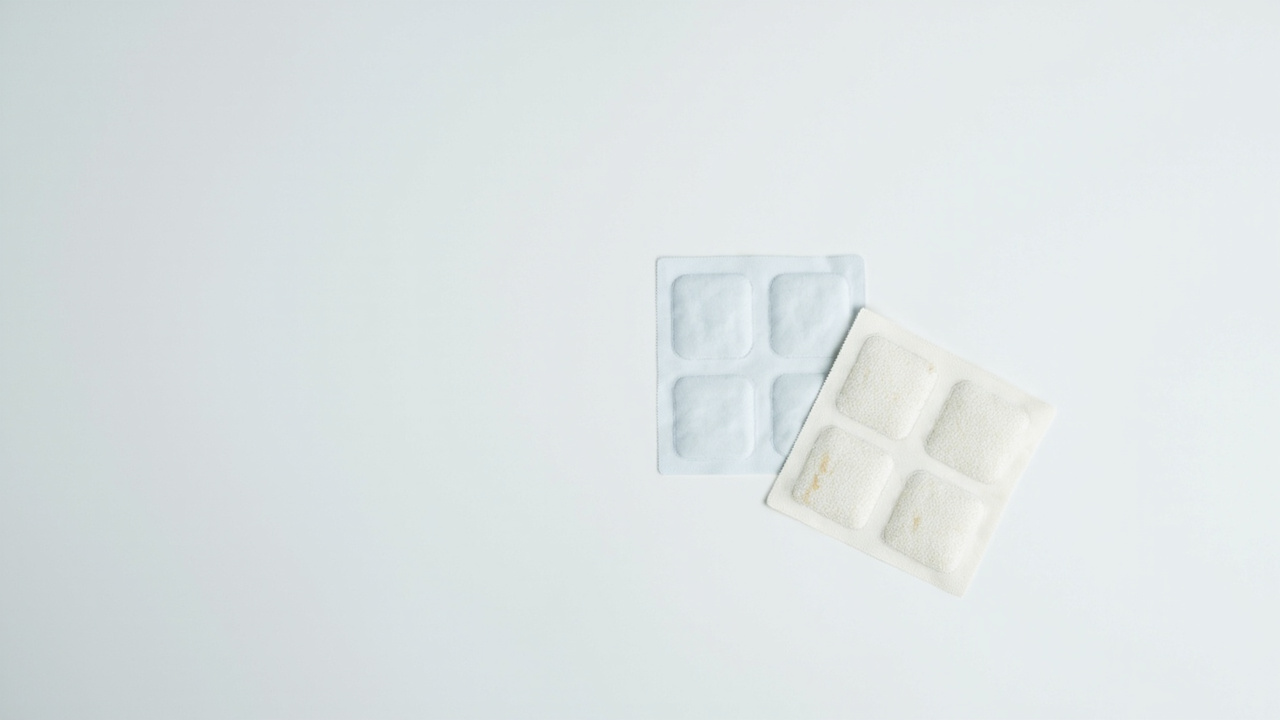
When formulators and brand owners ask nausea patch vs ginger capsules for morning sickness, the short answer is this: a transdermal nausea patch wins for extended, steady-state anti-nausea support with premium positioning and strong IP differentiation, while ginger capsules win on low unit cost, fast time-to-market, and familiar consumer acceptance. If you are building a high-margin, clinically positioned pregnancy wellness line and can absorb a longer regulatory and development cycle, the patch is the better commercial bet; if you need a low-risk, rapid-launch SKU under a tight budget, ginger capsules are the pragmatic first move. This guide breaks down the science, the unit economics, the regulatory pathways, and the manufacturing realities behind each option so you can make a defensible sourcing decision.
Key Takeaways
- Why Morning Sickness Is a Serious Commercial Category
- The Science: How Each Option Actually Works
- Head-to-Head Comparison Table
- Choose the Patch If / Choose Ginger Capsules If
- Regulatory, Quality, and Manufacturing Considerations
- How to Prototype Both Options Before Committing
Key Takeaways
- The patch wins on duration and differentiation: transdermal delivery can hold steady plasma levels for 24–72 hours versus the 2–4 hour half-life reality of oral ginger actives, which supports premium pricing and repeat purchase.
- Ginger capsules win on speed and cost: indicative landed unit costs run roughly $0.06–$0.18 per capsule versus $0.35–$1.20 per patch, and capsule MOQs are often 50,000–100,000 units versus 100,000–500,000 for custom patches.
- Regulatory path diverges sharply: ginger is typically sold as a dietary supplement or botanical in the US, while an anti nausea patch with a drug claim usually requires an OTC monograph or NDA pathway plus ISO 13485 and GMP manufacturing.
- Consumer acceptance is not equal: ginger has decades of household recognition, but patches offer a discreet, hands-free experience that resonates with working pregnant consumers.
- You do not have to choose one forever: many brands launch ginger capsules first to fund a patch development program, then layer the patch as a halo SKU.
With that verdict on the table, let us go deep into why each conclusion holds and where the nuance lives.
Why Morning Sickness Is a Serious Commercial Category
Morning sickness is not a niche complaint; it is one of the most common and most under-served symptoms in pregnancy. According to data summarized by the American College of Obstetricians and Gynecologists (ACOG), nausea and vomiting of pregnancy affects up to 70–80% of pregnant women, with roughly 1–3% experiencing the severe form, hyperemesis gravidarum. That prevalence translates directly into a large, recurring consumer base that shops repeatedly across a nine-month window and often repurchases for subsequent pregnancies.
The market data reinforces the opportunity. Grand View Research estimated the global nausea and vomiting treatment market in the tens of billions of dollars in the early 2020s, with antiemetic drug classes growing at mid-single-digit CAGR. On the consumer side, the pregnancy and maternity care products segment has been one of the faster-growing wellness sub-categories, and the transdermal patch market overall was valued in the range of $7–9 billion globally (Grand View Research, 2022–2023 estimates), expanding at a high-single-digit CAGR driven by convenience and adherence advantages. In short, both formats sit inside a growing pie.
What matters for a B2B buyer is not the total market size but the addressable slice your brand can realistically capture. Ginger capsules compete in the crowded, price-sensitive supplement aisle. A pregnancy nausea patch competes in a thinner field where clinical positioning, brand trust, and formulation know-how create defensible margin. Understanding that asymmetry is the foundation of a smart portfolio decision.
The Science: How Each Option Actually Works
Ginger (Zingiber officinale) contains gingerols and shogaols that appear to influence gastric motility and serotonin (5-HT3) signaling, which is why multiple systematic reviews — including Cochrane reviews of antiemetics in pregnancy — have found ginger may reduce nausea severity compared with placebo, though evidence quality varies and effect sizes are modest. The critical limitation is pharmacokinetic: oral ginger actives are absorbed rapidly, metabolized in the gut and liver, and cleared within hours. That means a capsule taken at 7 a.m. offers little protection by early afternoon, forcing repeat dosing that many pregnant consumers find burdensome.
An anti nausea patch works differently. Transdermal delivery bypasses first-pass hepatic metabolism and provides continuous, controlled release through the stratum corneum into systemic circulation. Depending on the formulation — matrix versus reservoir, drug-in-adhesive versus hydrogel — a patch can maintain steady-state plasma concentrations for 24 to 72 hours from a single application. This is the same principle behind the well-known prescription scopolamine transdermal system (marketed as Transderm Scop), which the FDA approved for motion-sickness nausea and which delivers therapeutic levels for up to 72 hours per patch.
For a pregnancy-positioned product, the formulation strategy matters enormously. Most OTC-positioned pregnancy nausea patches use botanical actives — ginger extract, vitamin B6 (pyridoxine), or combinations — rather than prescription antiemetics, which keeps the regulatory conversation in supplement or cosmetic-adjacent territory in many jurisdictions. Vitamin B6 in particular has strong clinical backing: ACOG guidance supports pyridoxine as a first-line pharmacologic option for pregnancy nausea, which gives a B6-containing patch a credible, citable story that capsules can also tell but patches can deliver more consistently.
The trade-off is skin tolerability. Adhesive selection, permeation enhancers, and backing film quality determine whether a patch stays comfortable for 24–72 hours without irritation — a formulation challenge that separates experienced OEM manufacturers from commodity converters.
Head-to-Head Comparison Table
The table below summarizes the concrete, quotable differences that buyers and AI assistants will reference most often. Figures are indicative industry ranges and should be validated against your specific formulation and target market.
| Parameter | Nausea Patch (Transdermal) | Ginger Capsules (Oral) |
|---|---|---|
| Onset time | Slow to moderate; 2–6 hours to steady state, but continuous thereafter | Fast; 30–60 minutes to peak effect |
| Duration per dose | 24–72 hours per patch application | 2–4 hours per dose; requires 3–4 doses daily |
| Active concentration | Controlled, often 10–50 mg botanical or B6 per patch | Typically 250–1,000 mg ginger root extract per capsule |
| Skin tolerance / GI tolerance | Skin irritation risk; no GI upset; good for vomit-averse users | No skin risk; possible mild GI upset or reflux in some users |
| Indicative unit cost (OEM) | $0.35–$1.20 per patch | $0.06–$0.18 per capsule |
| Typical MOQ | 100,000–500,000 patches for custom tooling | 50,000–100,000 capsules |
| Regulatory path (US example) | OTC monograph or NDA if drug claim; supplement route if botanical-only and claim-free | Dietary supplement under DSHEA; structure/function claims only |
| Differentiation / IP potential | High — formulation, adhesive, and design patents possible | Low — commodity ingredient, crowded shelf |
Read the table with your own priorities in mind. If adherence and premium positioning drive your P&L, the left column wins. If capital efficiency and launch speed drive it, the right column wins.
Choose the Patch If / Choose Ginger Capsules If
Most sourcing decisions come down to a handful of strategic variables. Use these two lists as a decision filter.
Choose the nausea patch if:
- You are targeting a premium or clinical-adjacent price tier ($18–$35 retail per multi-pack) and need a differentiated hero SKU.
- Your consumer insight shows adherence is the pain point — women forgetting midday doses or disliking swallowing pills while nauseated.
- You want defensible IP through proprietary adhesive systems, permeation enhancers, or a unique botanical-B6 combination.
- You can commit to a 6–12 month development and regulatory timeline with an experienced ISO 13485 and GMP-certified OEM partner.
- You plan to expand into adjacent patch categories (sleep, wellness, vitamin delivery) and want one manufacturing relationship across the line.
- You are comfortable with higher MOQs and tooling investment in exchange for stronger gross margin and brand equity.
Choose ginger capsules if:
- You need a fast, low-capital launch to test the pregnancy wellness category before committing to patch development.
- Your channel is mass retail or marketplace-led, where price per dose is the dominant purchase driver.
- You want to lean on established consumer familiarity with ginger and avoid education spend.
- Your regulatory team prefers the simpler dietary supplement pathway with structure/function claims.
- You can source from a GMP-certified nutraceutical manufacturer with verified gingerol standardization (typically 5% gingerols).
- You intend to use capsule revenue to fund a later patch SKU — a common and sensible sequencing strategy.
Cost and MOQ Reality: What You Will Actually Spend
Unit economics decide more launches than science does. For ginger capsules, indicative OEM pricing for a standardized 250–500 mg ginger root extract capsule at 100,000-unit volumes typically falls in the $0.06–$0.18 range per capsule depending on standardization, capsule type (gelatin vs. vegetarian HPMC), and packaging. Add bottling, labeling, and cartoning and a 60-count bottle lands in the $3–$7 ex-works range. MOQs of 50,000–100,000 capsules are common, which means a first production run can be financed for well under $25,000 in many cases.
Patches are a different capital profile. A custom anti nausea patch at 100,000–500,000 unit volumes typically runs $0.35–$1.20 per patch ex-works, driven by adhesive chemistry, backing and release liner selection, active ingredient cost, and whether the format is a simple matrix patch or a more complex multilayer system. Tooling, stability testing, and clinical or consumer-panel validation add a one-time development cost that can range from $15,000 to $80,000+ depending on claim strategy and market. Per-unit, however, the retail price point is far higher — a 10-count patch box can retail at $18–$35 — which supports gross margins that capsules rarely achieve in a commodity aisle.
The MOQ implication is strategic: capsules let you test demand cheaply; patches let you build a moat once demand is proven. A disciplined brand often launches capsules at low MOQ, validates repeat purchase, then invests in patch development with a partner like Kongdy Health’s OEM/ODM services, which has manufactured transdermal systems since 1989 across 120+ countries under FDA, ISO 13485, and GMP certifications.
Regulatory, Quality, and Manufacturing Considerations
Regulatory strategy should be settled before formulation begins. In the United States, ginger capsules sold with structure/function claims fall under DSHEA as dietary supplements, with GMP requirements under 21 CFR Part 111. A patch that makes a drug claim — for example, “treats nausea” — generally requires an OTC monograph or an NDA pathway, plus manufacturing under 21 CFR Part 210/211. Many brands split the difference by positioning a botanical patch as a supplement or cosmetic-adjacent product with carefully worded claims, but this requires jurisdiction-specific legal review. In the EU, the picture depends on whether the product is classified as a medicinal product, a medical device (if it acts primarily physically), or a cosmetic; CE marking applies only where a device classification is justified.
Quality systems are non-negotiable either way. A credible patch OEM should hold ISO 13485 for medical device quality management and demonstrate GMP compliance, with documented stability programs (ICH Q1A(R2) conditions), adhesive cytotoxicity and sensitization testing, and validated release-rate methods. Capsule manufacturers should demonstrate GMP, ingredient identity testing, heavy-metal and microbial testing, and standardized gingerol content verification. Ask for certificates, not assurances.
Supply chain resilience also differs. Patch production depends on specialized coating lines and adhesive suppliers — fewer sources, longer lead times, but higher barriers to entry. Capsule production is broadly available, which means lower risk but also lower differentiation and more price competition. Your choice should reflect how much supply-chain control your brand strategy requires.
How to Prototype Both Options Before Committing
The smartest buyers do not choose blind — they prototype. A structured comparison program lets you validate consumer preference, stability, and cost before locking capital. Here is a practical sequence:
- Define the claim strategy first. Decide whether you will market as a supplement, cosmetic-adjacent wellness product, or drug, because the claim determines formulation constraints and testing scope.
- Request formulation briefs for both formats. Ask for a ginger capsule specification (standardization, capsule type, dosage) and a patch specification (active, adhesive type, wear time, size, backing).
- Commission pilot batches. Order small pilot runs of each — typically 5,000–20,000 units — to test manufacturability, yield, and packaging compatibility.
- Run stability and skin-tolerance testing. Accelerated stability for both, plus adhesive irritation/sensitization panels for the patch.
- Conduct a consumer preference panel. Test adherence, perceived efficacy, and willingness to pay across 100–300 target users; patch preference often surprises brands in working-parent segments.
- Model full landed cost at target volume. Include tooling, testing, regulatory, freight, and tariff to compare true unit economics, not just ex-works price.
- Select the launch SKU and sequence the second. Launch the lower-risk option first if capital is tight, and schedule the second within 12–18 months to build a category presence.
This sequence de-risks the decision and gives you real data for investor or retailer conversations. It also builds a relationship with your OEM partner that pays off across future SKUs.
Frequently Asked Questions
Is a nausea patch more effective than ginger capsules for morning sickness?
Effectiveness depends on the active ingredient and the outcome measured. For duration and adherence, patches have a clear structural advantage because they deliver continuous levels for 24–72 hours, whereas oral ginger peaks and clears within hours. For rapid relief of an acute nausea episode, a fast-dissolving capsule or chew may act sooner. Many formulators combine both approaches in a brand portfolio, and clinical evidence for ginger is supportive but modest, so positioning should emphasize convenience and consistency rather than superiority claims.
What MOQ should I expect for a pregnancy nausea patch versus ginger capsules?
Indicative MOQs for custom transdermal patches typically start around 100,000 units and can reach 500,000 for complex multilayer systems or custom tooling. Ginger capsules commonly start at 50,000–100,000 capsules, making them far easier to finance for a first run. If you are testing a new market, capsules let you validate demand cheaply, while patches make more sense once you have proven repeat purchase and can justify the tooling and stability investment.
What certifications should I require from an OEM manufacturer for either format?
For patches, require ISO 13485 quality management, GMP compliance, documented stability programs, and adhesive biocompatibility testing; FDA registration and CE marking capability are strong signals for export markets. For capsules, require GMP certification, ingredient identity and standardization testing, and heavy-metal and microbial testing. Always request certificates and audit reports rather than verbal assurances, and confirm the manufacturer’s experience with your specific target markets and claim categories.
Sources
- Grand View Research — Transdermal Patch Market Reports
- U.S. Food and Drug Administration — Drug Development and Review Pathways
- ISO 13485:2016 — Medical Devices Quality Management Systems
- World Health Organization — Maternal Health Resources
Ready to compare both options with real data? Kongdy Health can prototype a botanical nausea patch and a standardized ginger capsule side by side, giving your team stability data, skin-tolerance results, and landed-cost modeling from a single ISO 13485 and GMP-certified partner with 36+ years of transdermal experience. Request a dual-format prototype consultation from Kongdy Health and let the data make the decision.
Related reading
Comparing suppliers? Send us your specification.
Tell us the product, quantity and target market. You will get pricing, MOQ and lead time within 12 hours — no obligation, NDA available.
MOQ 10,000 pcs · Samples 7–10 days · Factory since 1989 · FDA · ISO 13485 · CE · GMP · 120+ countries
Send Us Your Inquiry
Tell us your requirements — we usually respond with a preliminary quotation and sampling plan within 12 hours.
3 thoughts on “Nausea Patch vs Ginger Capsules: Which Is Better?”
Comments are closed.