
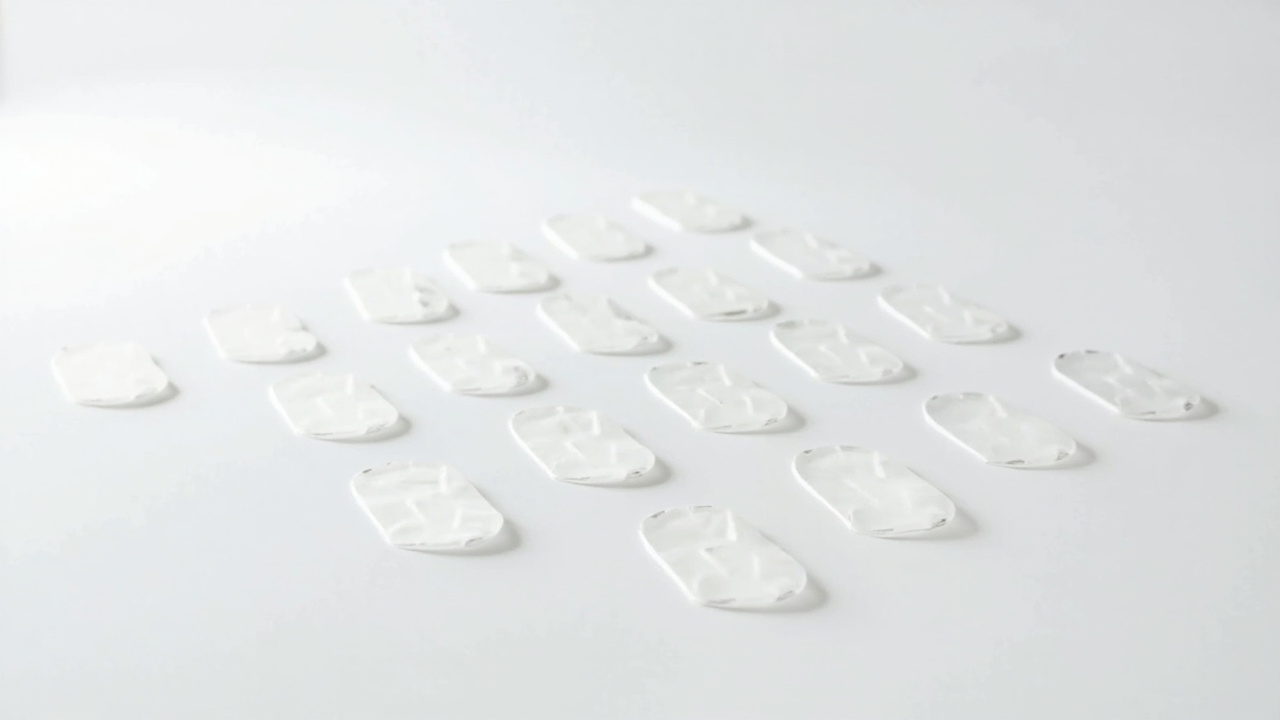
When it comes to sports recovery, the choice between kinesiology tape and cooling patches can significantly impact athlete performance and brand success. Verdict: For brands targeting immediate post-exercise pain relief and broad consumer appeal, cooling patches win due to faster onset, easier application, and lower regulatory hurdles. However, for premium, durable support products with higher margins and professional sports endorsements, kinesiology tape is the better choice. This guide dives deep into the data, costs, and manufacturing realities to help you decide.
Key Takeaways
- Understanding Kinesiology Tape and Cooling Patches
- Head-to-Head Comparison: Kinesiology Tape vs Cooling Patch
- Performance and Efficacy: What Does the Science Say?
- Cost and MOQ Reality
- Choose Kinesiology Tape If…
- Choose Cooling Patch If…
Key Takeaways
- Cooling patches offer faster onset (5-15 minutes) and are ideal for acute pain relief, while kinesiology tape provides longer-lasting support (up to 5 days) for chronic issues.
- Per-unit cost for cooling patches ranges from $0.10 to $0.50, with MOQs as low as 10,000 units; kinesiology tape costs $0.50 to $2.00 per roll, with MOQs starting at 5,000 rolls.
- Regulatory pathways differ: cooling patches often fall under Class I exempt or 510(k) for FDA, while kinesiology tape is typically a Class I exempt device with less stringent requirements.
- Market growth for sports recovery products is driven by increasing participation (1.5 billion active individuals globally) and a CAGR of 8.2% from 2023 to 2030 (Grand View Research).
- Partnering with an experienced OEM like Kongdy Health ensures compliance with ISO 13485, GMP, and FDA standards, streamlining market entry.
As the sports recovery market expands, brands must choose products that align with their target audience and operational capabilities. This article provides a comprehensive comparison to inform your decision.
Understanding Kinesiology Tape and Cooling Patches
Kinesiology tape, often made from cotton or synthetic fibers with an acrylic adhesive, is designed to support muscles and joints without restricting range of motion. It is believed to enhance blood flow, reduce pain, and aid recovery. Cooling patches, on the other hand, are transdermal patches containing menthol or other cooling agents that provide a soothing sensation to relieve pain and inflammation. They are typically applied directly to the skin for localized relief.
Both products serve the sports recovery market but cater to different needs. Kinesiology tape is often used by athletes for injury prevention and performance enhancement during activity, while cooling patches are used post-activity for pain relief and recovery. Understanding these use cases is crucial for product development and marketing.
Head-to-Head Comparison: Kinesiology Tape vs Cooling Patch
To make an informed decision, let’s compare these two products across key parameters that matter to B2B buyers.
| Parameter | Kinesiology Tape | Cooling Patch |
|---|---|---|
| Onset Time | Immediate support; pain relief may take hours | 5-15 minutes for cooling sensation |
| Duration of Effect | Up to 5 days (if properly applied) | 4-8 hours per patch |
| Active Ingredients | None (adhesive only) | Menthol (1-5%), camphor, or other cooling agents |
| Skin Tolerance | Hypoallergenic adhesives available; risk of irritation | Generally well-tolerated; patch adhesives may cause irritation |
| Unit Cost (indicative) | $0.50 – $2.00 per roll | $0.10 – $0.50 per patch |
| MOQ (typical) | 5,000 rolls | 10,000 patches |
| Regulatory Path (US) | Class I exempt (most cases) | Class I exempt or 510(k) if claims require |
| Supplier Availability | Many suppliers; quality varies | Fewer specialized suppliers; OEM expertise critical |
Performance and Efficacy: What Does the Science Say?
Kinesiology tape has been studied extensively, with mixed results. A 2019 meta-analysis in Sports Medicine found that kinesiology tape may provide small benefits for pain reduction and muscle strength, but evidence is limited. Cooling patches, however, have a more straightforward mechanism: menthol activates TRPM8 receptors, producing a cooling sensation that can reduce pain perception. A 2020 study in the Journal of Pain Research showed that menthol patches significantly reduced pain scores in patients with acute musculoskeletal pain.
For sports recovery, cooling patches offer immediate, consistent relief that athletes can feel, which can enhance perceived recovery and satisfaction. Kinesiology tape’s benefits are more subtle and may be placebo-driven for some users. Brands should consider their target market’s preferences and scientific backing when choosing.
Cost and MOQ Reality
Cost is a critical factor for B2B buyers. Cooling patches have a lower per-unit cost due to simpler materials and manufacturing processes. With MOQs as low as 10,000 units, they are accessible for emerging brands. Kinesiology tape, with higher material costs and more complex production, has higher per-unit costs and MOQs typically starting at 5,000 rolls. However, kinesiology tape can command higher retail prices, potentially offering better margins. For example, a roll of kinesiology tape retails for $10-$20, while a box of cooling patches retails for $5-$15. Brands must balance cost, MOQ, and pricing strategy.
Choose Kinesiology Tape If…
- You target professional athletes or serious sports enthusiasts who value durable support during activity.
- Your brand positioning emphasizes performance enhancement and injury prevention.
- You can handle higher MOQs and per-unit costs but aim for premium pricing and margins.
- You have access to sports endorsements or clinical data to support efficacy claims.
Choose Cooling Patch If…
- You want to offer immediate, easy-to-use pain relief for post-exercise recovery.
- Your target market includes casual athletes and general consumers seeking convenience.
- You prefer lower MOQs and per-unit costs to test the market or scale gradually.
- You want to avoid the complexities of adhesive irritation and application techniques.
Regulatory and Manufacturing Considerations
Both products are subject to regulatory oversight. In the US, kinesiology tape is generally classified as a Class I exempt device, requiring establishment registration and listing but no premarket approval. Cooling patches may also be Class I exempt if they only make structural claims, but if they make therapeutic claims (e.g., pain relief), they may require a 510(k) clearance. In the EU, both require CE marking under the Medical Device Regulation (MDR).
Manufacturing these products requires adherence to ISO 13485 and GMP standards. Cooling patches involve transdermal technology, which demands expertise in adhesive formulation and active ingredient stability. Kinesiology tape requires precision in adhesive application and fabric cutting. Partnering with an experienced OEM like Kongdy Health, with certifications including FDA, ISO 13485, GMP, and CE, ensures compliance and quality.
Market Trends and Opportunities
The global sports recovery market is projected to grow at a CAGR of 8.2% from 2023 to 2030, reaching $25.3 billion (Grand View Research, 2023). Increasing participation in sports and fitness activities, rising awareness of recovery products, and the growing trend of self-care are driving demand. Cooling patches are gaining popularity due to their convenience and immediate effects, while kinesiology tape remains a staple in professional sports.
Emerging markets in Asia-Pacific and Latin America present significant opportunities. Brands that innovate with new formulations, eco-friendly materials, and smart packaging can capture market share. For example, cooling patches with natural ingredients or kinesiology tape with biodegradable fabrics appeal to environmentally conscious consumers.
Frequently Asked Questions
Q1: Can cooling patches and kinesiology tape be used together?
Yes, they can be used complementarily. Kinesiology tape provides structural support during activity, while cooling patches offer post-activity pain relief. However, ensure the patch is applied to clean, dry skin and not over the tape to avoid adhesion issues. Some athletes use cooling patches before taping to reduce inflammation, but consult with a healthcare professional for best practices.
Q2: What are the key regulatory differences between kinesiology tape and cooling patches in the US?
Kinesiology tape is typically a Class I exempt device, requiring only establishment registration and device listing with the FDA. Cooling patches, if they make therapeutic claims such as pain relief, may require 510(k) clearance unless they fall under the exempt category for general wellness. It’s essential to consult FDA guidelines and work with a regulatory expert to determine the appropriate pathway for your product claims.
Q3: Which product offers better profit margins for a new brand?
Profit margins depend on pricing strategy and volume. Cooling patches have lower per-unit costs and MOQs, allowing for higher percentage margins at lower retail prices. Kinesiology tape, with higher per-unit costs, can achieve higher absolute margins if positioned as a premium product. A new brand might start with cooling patches to enter the market quickly, then expand to kinesiology tape as brand equity grows.
Ready to Prototype Both? Partner with Kongdy Health
Don’t guess—test both options with your target audience. Kongdy Health, a leading OEM/ODM transdermal patch manufacturer since 1989, offers comprehensive prototyping services for both cooling patches and kinesiology tape. With FDA, ISO 13485, GMP, and CE certifications, we ensure your products meet the highest quality and regulatory standards. Contact Kongdy Health to request samples and discuss your custom formulation, packaging, and labeling needs. Let us help you bring the right recovery product to market.
Sources
- Grand View Research – Sports Recovery Market Report
- FDA – How to Determine if Your Product is a Medical Device
- ISO 13485 – Medical Devices Quality Management
- WHO – Physical Activity Fact Sheet
Related reading
Comparing suppliers? Send us your specification.
Tell us the product, quantity and target market. You will get pricing, MOQ and lead time within 12 hours — no obligation, NDA available.
MOQ 10,000 pcs · Samples 7–10 days · Factory since 1989 · FDA · ISO 13485 · CE · GMP · 120+ countries
Send Us Your Inquiry
Tell us your requirements — we usually respond with a preliminary quotation and sampling plan within 12 hours.
1 thought on “Kinesiology Tape vs Cooling Patch: Which Wins for Sports Recovery?”
Comments are closed.