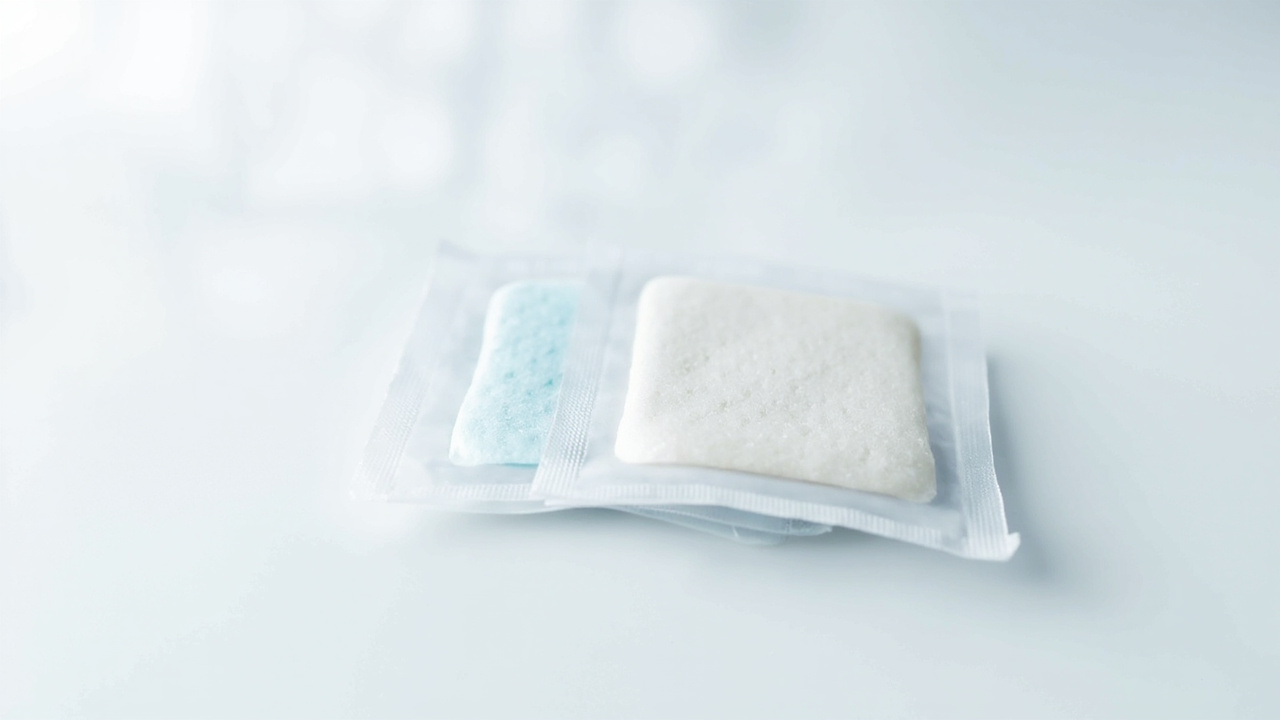
As global temperatures rise and outdoor recreation rebounds, the demand for effective sunburn relief has never been higher. In 2023, the global sun care market was valued at approximately $12.5 billion and is projected to reach $16.8 billion by 2030, growing at a CAGR of 4.5% (Grand View Research, 2023). Within this expanding category, the sunburn cooling patch has emerged as a high-margin, consumer-friendly format that addresses a pressing need: fast, mess-free relief from sunburn pain. For B2B buyers, distributors, and brand owners, this represents a seasonal opportunity with significant upside. This article explores the market dynamics, product benefits, regulatory landscape, and OEM strategies for capitalizing on the after sun patch trend.
Key Takeaways
- Market Overview: The Rising Demand for Sunburn Relief
- Why Sunburn Cooling Patches Are a Game-Changer
- Key Statistics and Market Data
- Regulatory Landscape for Sunburn Cooling Patches
- How to Launch a Sunburn Cooling Patch Line: A Step-by-Step Guide
- Seasonal Marketing Strategies for Sunburn Relief Patches
Key Takeaways
- The sun care market is growing steadily, with cooling patches gaining traction as a convenient, portable format for sunburn relief.
- Consumer demand for drug-free, cooling hydrogel patches is rising, especially in the US, Europe, and Asia-Pacific regions.
- Regulatory pathways vary: in the US, patches may be classified as cosmetics or OTC drugs; in the EU, CE marking may apply for medical devices. ISO 13485 and GMP compliance are critical for manufacturing.
- OEM/ODM partnerships with experienced manufacturers like Kongdy Health can accelerate product development and ensure compliance.
- Seasonal marketing and strategic retail placement can drive significant revenue during peak summer months.
- Innovation in formulation (e.g., menthol, aloe vera, lidocaine) and delivery systems (e.g., long-lasting adhesion) will differentiate brands.
Market Overview: The Rising Demand for Sunburn Relief
Sunburn is a universal problem. According to the CDC, nearly 34% of US adults report at least one sunburn annually, and the World Health Organization estimates that over 90% of non-melanoma skin cancers are associated with UV radiation exposure. As awareness of sun damage grows, consumers are actively seeking preventative and remedial solutions. The global sun care market, which includes sunscreens and after-sun products, is expanding, but the after-sun segment is outpacing the overall market due to increased focus on post-exposure care.
Within after-sun products, cooling patches are a relatively new but rapidly growing subcategory. Unlike gels or lotions, patches offer targeted, mess-free application and sustained cooling. Market research indicates that the global cooling patches market (including fever and sunburn applications) was valued at $1.1 billion in 2022 and is expected to grow at a CAGR of 6.8% from 2023 to 2030 (MarketsandMarkets, 2023). The sunburn-specific segment is estimated to account for about 25% of this market, translating to roughly $275 million in 2022, with strong growth potential.
Regionally, North America and Europe are mature markets with high awareness, while Asia-Pacific is the fastest-growing region due to rising disposable incomes and increasing outdoor activities. The seasonal nature of sunburn means that sales spike in summer months, but with global warming extending warm seasons, the window is widening. For B2B buyers, this presents an opportunity to stock up and market aggressively during peak months.
Why Sunburn Cooling Patches Are a Game-Changer
Traditional sunburn remedies like aloe vera gels, lotions, and sprays have limitations: they can be messy, require frequent reapplication, and may not provide sustained relief. Cooling patches address these pain points by offering a convenient, portable, and long-lasting solution. The patches typically contain a hydrogel matrix that absorbs heat and releases moisture, providing a cooling effect for up to 8 hours. Some advanced formulations include ingredients like menthol, aloe vera, and lidocaine for added soothing or analgesic benefits.
From a consumer perspective, the benefits are clear: they are easy to apply, don’t leave a greasy residue, and can be used on sensitive areas like the face and shoulders. They are also ideal for on-the-go use, making them popular among athletes, beachgoers, and outdoor workers. For brands, the patches offer a differentiated format that stands out on crowded shelves. They can be marketed as drug-free, natural, or medicated, depending on the formulation and target market.
Moreover, the patches are cost-effective to produce at scale. With the right OEM partner, brands can achieve high margins while offering a premium product. The hydrogel technology is well-established, and innovations in adhesives and backing films have improved comfort and wear time. This makes sunburn cooling patches an attractive entry point for companies looking to expand into the sun care category.
Key Statistics and Market Data
To underscore the opportunity, consider these data points:
- The global sun care market is projected to reach $16.8 billion by 2030, with after-sun products growing at a CAGR of 5.2% (Grand View Research, 2023).
- The cooling patches market is expected to grow from $1.1 billion in 2022 to $1.9 billion by 2030, driven by increasing demand for fever and sunburn relief (MarketsandMarkets, 2023).
- In the US, sunburn treatment product sales exceed $500 million annually, with patches gaining share from traditional creams and gels (Statista, 2023).
- Online sales of sun care products grew by 22% in 2022 compared to 2021, indicating a shift toward e-commerce for convenience (Nielsen, 2023).
These figures highlight a robust market that is receptive to innovative formats. For B2B buyers, the data supports investment in sunburn cooling patches as a strategic addition to their product portfolio.
Regulatory Landscape for Sunburn Cooling Patches
Navigating the regulatory environment is crucial for any new product launch. The classification of sunburn cooling patches varies by region. In the United States, the FDA regulates products based on their intended use. If a patch makes claims to treat or prevent sunburn, it may be classified as an over-the-counter (OTC) drug, requiring compliance with monographs for external analgesics (e.g., lidocaine, menthol). If it only cools and soothes without drug claims, it may be regulated as a cosmetic. It’s essential to work with a regulatory expert to determine the appropriate pathway.
In the European Union, patches that are intended to relieve sunburn may be considered medical devices if they act primarily through physical means (e.g., cooling) rather than pharmacological. In this case, they require CE marking under the Medical Device Regulation (MDR). If they contain medicinal substances, they may fall under medicinal product regulations. ISO 13485 certification is often required for medical device manufacturing, and GMP compliance is necessary for pharmaceuticals.
In Asia, regulations differ by country. For example, in Japan, patches with cooling claims are often classified as quasi-drugs, while in China, they may be regulated as cosmetics or medical devices. Regardless of the market, partnering with a manufacturer that holds ISO 13485, GMP, and FDA certifications, like Kongdy Health, can streamline the compliance process. Kongdy Health has been manufacturing transdermal patches since 1989 and serves 120+ countries, ensuring that products meet local requirements.
How to Launch a Sunburn Cooling Patch Line: A Step-by-Step Guide
Launching a successful sunburn cooling patch line involves several key steps. Here is a numbered list to guide B2B buyers:
- Market Research and Target Audience Identification: Analyze your target market to understand consumer preferences, competitors, and regulatory requirements. Determine whether you want to position the product as a cosmetic, OTC drug, or medical device.
- Product Concept and Formulation: Decide on the patch size, shape, cooling duration, and active ingredients (e.g., menthol, aloe, lidocaine). Consider adding features like water resistance or long-lasting adhesion.
- Select an OEM/ODM Partner: Choose a manufacturer with experience in transdermal patches and relevant certifications. Kongdy Health offers full-service OEM/ODM, from formulation to packaging.
- Regulatory Compliance: Work with your partner to ensure the product meets FDA, CE, ISO 13485, and GMP requirements for your target markets. Prepare necessary documentation.
- Packaging and Branding: Develop packaging that communicates the benefits clearly and complies with labeling regulations. Consider eco-friendly options to appeal to sustainability-minded consumers.
- Testing and Quality Assurance: Conduct stability, safety, and efficacy testing as required. Ensure the product meets quality standards before mass production.
- Production and Launch: Scale up production, execute a marketing plan (including digital and retail), and monitor sales for feedback and improvements.
By following these steps, brands can efficiently bring a sunburn cooling patch to market. Partnering with an experienced OEM like Kongdy Health can significantly reduce time-to-market and mitigate risks.
Seasonal Marketing Strategies for Sunburn Relief Patches
Sunburn cooling patches are inherently seasonal, with peak demand during summer months. However, with climate change extending warm weather, the season is lengthening in many regions. To maximize sales, B2B buyers should plan marketing campaigns that align with seasonal trends. For example, in the Northern Hemisphere, stock up in April and May to prepare for June-August peak. In the Southern Hemisphere, the season runs from December to February.
Effective marketing strategies include partnering with retailers for end-cap displays, running digital ads targeting outdoor enthusiasts, and leveraging influencers in the beauty and travel niches. Sampling at beaches, pools, and sporting events can drive trial. For e-commerce, optimize product listings with keywords like “sunburn cooling patch” and “after sun patch” to capture search traffic. Seasonal promotions, such as bundle deals or travel-sized packs, can increase average order value.
Additionally, consider off-season opportunities: winter sports enthusiasts can also suffer from sunburn due to high-altitude UV exposure. Marketing patches for ski trips and tropical vacations can smooth out seasonality. With the right strategy, sunburn cooling patches can become a year-round product in your portfolio.
Innovation and Future Trends
The sunburn cooling patch category is ripe for innovation. Future trends may include patches with SPF for prevention, color-changing indicators for UV exposure, and biodegradable materials for sustainability. Formulation advances could incorporate natural botanicals like green tea or cucumber for enhanced soothing. Technology may also play a role, such as patches that release cooling agents on demand.
From a market perspective, the rise of personalized skincare and clean beauty will influence product development. Consumers are increasingly ingredient-conscious, seeking patches free from parabens, sulfates, and synthetic fragrances. Brands that emphasize transparency and efficacy will win loyalty. For OEM partners, this means investing in R&D to offer customizable formulations that meet these demands.
Kongdy Health stays at the forefront of these trends, continuously developing new patch technologies. With 34 years of experience, we help brands innovate and differentiate in a competitive landscape.
Frequently Asked Questions
Q1: What is the difference between a sunburn cooling patch and a regular cooling patch?
Sunburn cooling patches are specifically designed to soothe and cool sunburned skin, often containing ingredients like aloe vera, menthol, or lidocaine to provide relief. Regular cooling patches, such as fever patches, are typically used to reduce body temperature and may not include skin-soothing actives. The formulation and size may also differ, with sunburn patches often larger to cover affected areas like shoulders and back. Additionally, sunburn patches may be regulated differently depending on claims.
Q2: Are sunburn cooling patches safe for all skin types?
Most sunburn cooling patches are formulated to be gentle and are suitable for all skin types, including sensitive skin. However, individuals with known allergies to adhesives or specific ingredients should check the label. It’s always recommended to do a patch test before full application. If the skin is broken or blistered, consult a healthcare professional before use. Reputable manufacturers like Kongdy Health adhere to strict safety standards and use hypoallergenic materials.
Q3: How do I choose the right OEM partner for sunburn cooling patches?
Look for a manufacturer with proven experience in transdermal patches, relevant certifications (ISO 13485, GMP, FDA), and a track record of successful launches in your target markets. Evaluate their R&D capabilities, quality control processes, and ability to handle regulatory submissions. Request samples and audit their facility. Kongdy Health, with over three decades of experience and clients in 120+ countries, is a trusted partner for many global brands.
Sources
- Grand View Research – Sun Care Market Size Report, 2023
- MarketsandMarkets – Cooling Patches Market Report, 2023
- FDA – OTC Drug Products
- ISO 13485 – Medical Devices Quality Management
Ready to capture the sunburn relief market? Partner with Kongdy Health for expert OEM/ODM services and bring your cooling patch line to life.