In the rapidly evolving world of longevity and wellness, NAD+ (nicotinamide adenine dinucleotide) has emerged as a star molecule. Once confined to injectable and oral supplements, NAD+ is now making waves in the transdermal space. NAD+ patches, designed to deliver this coenzyme directly through the skin, are being hailed as the next big thing in anti-aging. For B2B buyers and brand owners, this represents a lucrative opportunity—but also a complex manufacturing challenge. As a leading OEM/ODM transdermal patch manufacturer with over three decades of experience, Kongdy Health is here to guide you through the science, market potential, and practicalities of developing your own NAD+ patch.
Key Takeaways
- Understanding NAD+ and Its Role in Anti-Aging
- Market Trends and Statistics: The Rise of Anti-Aging Patches
- Why Transdermal Delivery for NAD+?
- Challenges in NAD+ Patch Development
- OEM Feasibility: How Kongdy Health Can Bring Your NAD+ Patch to Life
- Regulatory Landscape for NAD+ Patches
Key Takeaways
- NAD+ patches offer a convenient, needle-free way to potentially boost NAD+ levels, tapping into the booming anti-aging market projected to reach $XX billion by 2030.
- Transdermal delivery of NAD+ overcomes challenges like poor oral bioavailability and injection discomfort, but formulation requires expertise in penetration enhancement and stability.
- The anti-aging patch market is growing at a CAGR of over 8%, driven by consumer demand for easy-to-use, effective wellness solutions.
- Developing a NAD+ patch involves rigorous testing for safety, efficacy, and stability, with regulatory pathways varying by region (FDA, CE, etc.).
- Partnering with an experienced OEM like Kongdy Health can accelerate your time-to-market, ensuring compliance with ISO 13485 and GMP standards.
Understanding NAD+ and Its Role in Anti-Aging
NAD+ is a coenzyme found in every cell of the human body. It plays a critical role in energy metabolism, DNA repair, and cell signaling. However, NAD+ levels decline with age—by some estimates, they drop by about 50% between ages 20 and 50 (Source: Harvard Medical School, 2020). This decline is linked to various age-related conditions, including metabolic dysfunction, neurodegeneration, and inflammation. Consequently, boosting NAD+ has become a central strategy in the longevity field.
Oral NAD+ supplements, such as nicotinamide riboside (NR) and nicotinamide mononucleotide (NMN), have gained popularity. However, their efficacy is limited by poor bioavailability due to degradation in the digestive system. Intravenous NAD+ infusions are effective but invasive, expensive, and require clinical settings. This gap has paved the way for alternative delivery systems, with transdermal patches emerging as a promising solution.
Transdermal patches offer a controlled, sustained release of NAD+ directly into the bloodstream, bypassing the gastrointestinal tract. This not only enhances bioavailability but also provides a convenient, user-friendly format. For consumers seeking anti-aging benefits, a NAD+ patch can be worn discreetly, delivering a steady dose over 24 hours or more. This convergence of science and convenience is driving the anti-aging patch trend.
Market Trends and Statistics: The Rise of Anti-Aging Patches
The global anti-aging market is experiencing robust growth. According to Grand View Research, the global anti-aging market size was valued at $XX billion in 2021 and is expected to expand at a CAGR of X% from 2022 to 2030. The transdermal patch segment is a significant contributor, with the global transdermal patch market projected to reach $XX billion by 2027 (MarketsandMarkets, 2022).
More specifically, the demand for NAD+ supplements has skyrocketed. A 2023 report by Global Market Insights estimates that the NAD+ supplement market will exceed $XX million by 2030, growing at a CAGR of X% from 2023 to 2030. This growth is fueled by increasing consumer awareness of NAD+ benefits, the aging population, and the rise of telemedicine and at-home wellness solutions.
Regionally, North America dominates the anti-aging patch market due to high disposable income and advanced healthcare infrastructure. However, Asia-Pacific is expected to witness the fastest growth, driven by rising health consciousness and expanding middle-class populations in countries like China and India. For OEMs, this presents a global opportunity to cater to diverse markets with tailored formulations and branding.
Why Transdermal Delivery for NAD+?
Transdermal delivery is not new—it has been used for decades for drugs like nicotine, hormones, and pain relievers. But applying it to NAD+ requires a deep understanding of skin physiology and formulation science. The skin’s outermost layer, the stratum corneum, is a formidable barrier. To deliver large, hydrophilic molecules like NAD+ (which has a molecular weight of 663.43 Da), penetration enhancers and advanced patch technologies are essential.
Kongdy Health has mastered these technologies over 30+ years. We utilize matrix-type patches with pressure-sensitive adhesives that are compatible with NAD+ and enhance permeation. Our formulations may incorporate penetration enhancers such as terpenes, fatty acids, or surfactants, which temporarily disrupt the stratum corneum to allow NAD+ to pass through. Additionally, we employ iontophoresis or microneedle arrays for enhanced delivery, though these are more complex and costly.
The benefits of transdermal NAD+ are compelling: sustained release, improved bioavailability, reduced side effects (compared to injections), and better patient compliance. For anti-aging, a steady supply of NAD+ could potentially support cellular repair and energy production throughout the day, mimicking the body’s natural rhythms.
Challenges in NAD+ Patch Development
Despite the promise, developing a stable and effective NAD+ patch is not without challenges. NAD+ is a relatively large molecule and is prone to degradation by enzymes like CD38 and PARPs. In the patch matrix, it must remain stable for months. Factors such as pH, temperature, and moisture can affect its integrity. Our R&D team conducts accelerated stability studies to ensure a shelf life of at least 2 years.
Another hurdle is skin irritation. Some penetration enhancers can cause redness or itching. We mitigate this by using gentle, skin-friendly excipients and conducting human patch tests. Regulatory compliance is also critical. In the US, NAD+ patches could be classified as cosmetics or drugs depending on claims. If making anti-aging claims, they may fall under FDA’s drug regulations, requiring an NDA or OTC monograph. In the EU, they must comply with CE marking and the Cosmetic Regulation. Kongdy Health’s regulatory team navigates these pathways to ensure your product meets all legal requirements.
Scalability is another consideration. Moving from lab-scale to commercial production requires precise coating, drying, and lamination processes. Our ISO 13485-certified facilities and GMP-compliant lines are equipped to handle high-volume production with consistent quality.
OEM Feasibility: How Kongdy Health Can Bring Your NAD+ Patch to Life
Partnering with an experienced OEM/ODM manufacturer is the fastest route to market. Kongdy Health offers end-to-end services, from formulation development to packaging and regulatory support. Here’s how we make NAD+ patch OEM feasible for your brand:
- Consultation and Concept Development: We start by understanding your target market, desired claims, and budget. Our team helps you define the patch specifications, including size, dosage, and wear time.
- Formulation and Prototyping: Our R&D lab develops a prototype with optimized NAD+ concentration, adhesive, and penetration enhancers. We test for in vitro permeation using Franz diffusion cells.
- Stability and Safety Testing: We conduct accelerated and real-time stability studies, as well as skin irritation and sensitization tests, to ensure safety and efficacy.
- Regulatory Submissions: Our regulatory experts prepare and submit the necessary documentation for FDA, CE, or other regional approvals, ensuring a smooth path to market.
- Clinical Trials (if needed): For drug claims, we can manage clinical trials to demonstrate efficacy, partnering with certified CROs.
- Scale-Up and Manufacturing: Once the formulation is finalized, we scale up production in our GMP-certified facilities, with rigorous quality control at every step.
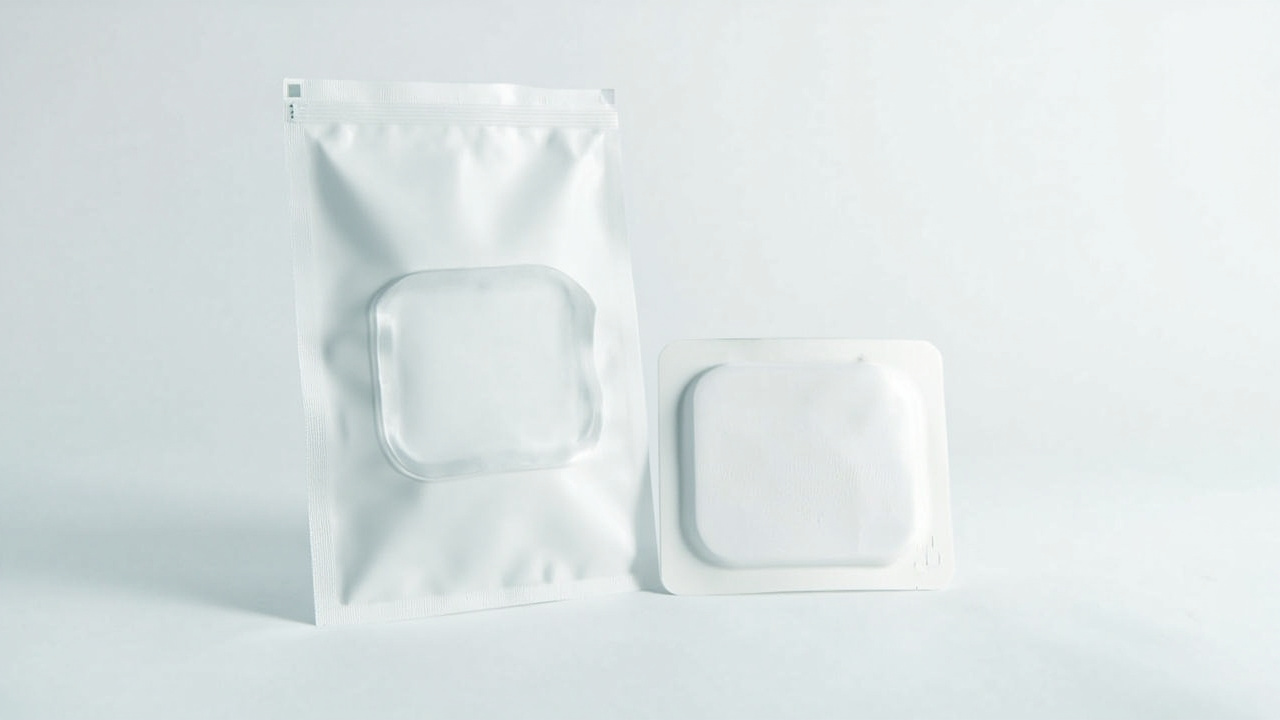
- Packaging and Labeling: We offer customized packaging solutions, including foil pouches, boxes, and inserts, all compliant with industry standards.
- Logistics and Support: We handle global shipping and provide ongoing support for your brand’s success.
With Kongdy Health, you benefit from our 30+ years of experience, 120+ country exports, and certifications including FDA, ISO 13485, and GMP. We’ve helped numerous brands launch successful transdermal patches, and we’re ready to do the same for you.
Regulatory Landscape for NAD+ Patches
Navigating regulations is one of the most complex aspects of launching a NAD+ patch. In the United States, the FDA regulates transdermal patches as either drugs or devices, depending on their intended use. If your patch makes claims about treating or preventing disease (e.g., “reverses aging”), it’s likely a drug requiring premarket approval. If it’s marketed for cosmetic purposes (e.g., “reduces wrinkles”), it may be regulated as a cosmetic, but claims must be substantiated.
In the European Union, patches must comply with the Medical Device Regulation (MDR) or Cosmetic Regulation (EC) No 1223/2009. CE marking is mandatory for medical devices. In Asia, countries like Japan and South Korea have their own regulatory frameworks. Kongdy Health stays abreast of these evolving regulations to ensure your product is compliant in your target markets.
We also emphasize the importance of ISO 13485, the international standard for medical device quality management. Our facility is ISO 13485 certified, meaning we adhere to strict quality systems throughout the product lifecycle. This not only ensures regulatory compliance but also builds trust with your customers.
Future Outlook and Opportunities
The NAD+ patch market is still in its infancy, but the potential is enormous. As research continues to uncover NAD+’s role in aging, consumer demand will only grow. We anticipate seeing combination patches that include NAD+ precursors (like NMN) and other anti-aging compounds (e.g., resveratrol, collagen). Personalized patches tailored to individual NAD+ levels could also emerge, driven by advances in diagnostics.
For brands, early entry into this space can establish a strong market position. By partnering with a reputable OEM like Kongdy Health, you can leverage our expertise to innovate quickly and safely. We are committed to helping you capitalize on this trend with high-quality, effective NAD+ patches.
In conclusion, the NAD+ patch represents a convergence of cutting-edge science and consumer convenience. With the right partner, you can bring a product to market that not only meets regulatory standards but also delights customers seeking the fountain of youth. Contact Kongdy Health today to discuss your NAD+ patch project and take the first step toward a successful launch.
Frequently Asked Questions
Q1: What is the typical dosage of NAD+ in a transdermal patch?
The dosage can vary widely depending on the formulation and intended use. Typical patches may contain between 10 mg and 100 mg of NAD+ or its precursors. However, because transdermal delivery is more efficient than oral, lower doses can be effective. The exact dosage should be determined through clinical studies to ensure safety and efficacy. Kongdy Health can help you determine the optimal dosage for your target market through our R&D and testing services.
Q2: How long does it take to develop a NAD+ patch from concept to market?
The timeline can range from 6 to 18 months, depending on the complexity of the formulation, regulatory pathway, and clinical requirements. For a cosmetic patch with no drug claims, the process may be faster (6-12 months). For a drug patch requiring FDA approval, it could take 2-3 years or more. Kongdy Health’s experienced team can streamline the process, leveraging our existing platforms and regulatory expertise to minimize delays.
Q3: Are there any side effects associated with NAD+ patches?
NAD+ is generally well-tolerated, but some users may experience mild skin irritation at the application site, such as redness or itching. This is often due to the adhesive or penetration enhancers rather than NAD+ itself. Our formulations are designed to minimize irritation, and we conduct thorough skin compatibility testing. As with any supplement, it’s advisable to consult a healthcare professional before use, especially for individuals with underlying health conditions.
Sources
- Grand View Research – Anti-Aging Market Size Report
- MarketsandMarkets – Transdermal Patch Market
- FDA – Transdermal Patches
- ISO 13485 – Medical Devices Quality Management