
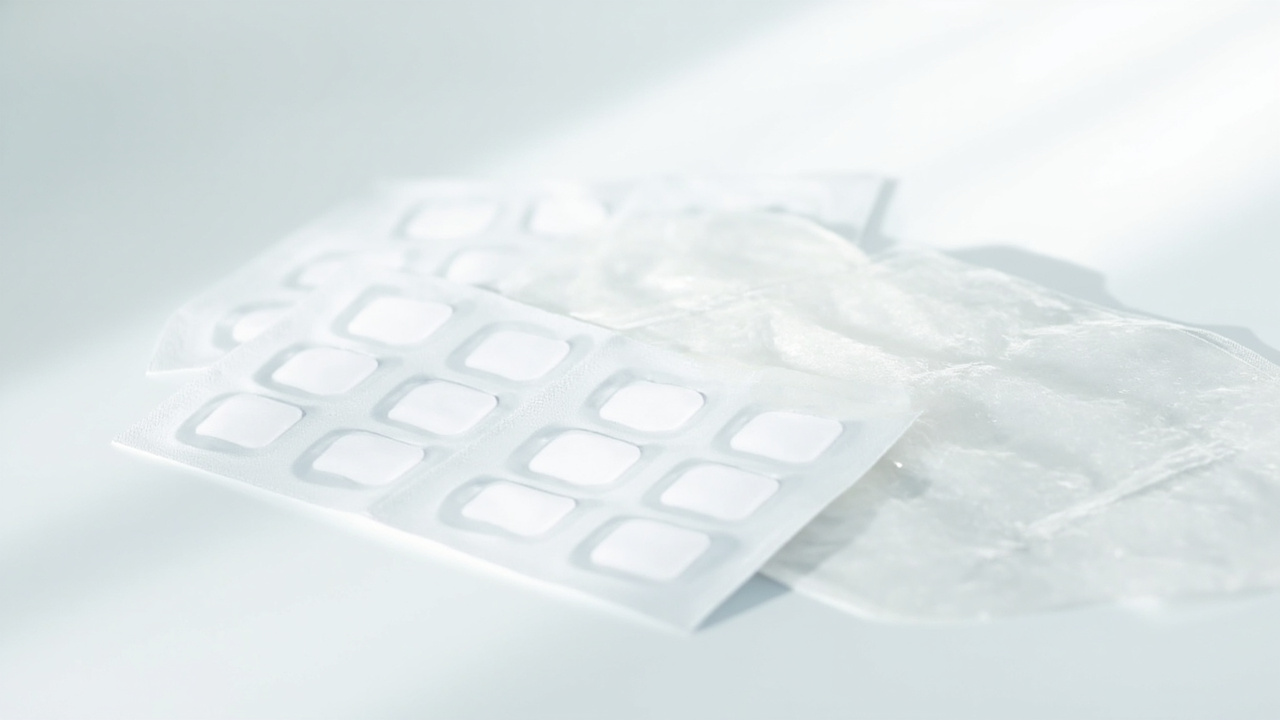
Private label energy patches are one of the fastest-growing segments in the transdermal wellness market. As demand for convenient, sustained-release energy products rises, brands across the US, Europe, and Asia are seeking reliable OEM partners to manufacture their own label. But before you sign a contract, you need clear answers on three critical factors: minimum order quantity (MOQ), lead times, and regulatory compliance. This guide breaks down each element with real-world data and expert insights, so you can make informed decisions and avoid costly delays. Whether you’re a startup or an established distributor, understanding these fundamentals will streamline your path to market.
Key Takeaways
- What Are Private Label Energy Patches and Why Are They Booming?
- Energy Patch MOQ: What to Expect and How to Negotiate
- Lead Times: From Order to Delivery
- Compliance Essentials for Energy Patches
- Choosing the Right Energy Patch Manufacturer in China
- Costs and Pricing: What to Budget
Key Takeaways
- Typical MOQs for private label energy patches range from 5,000 to 50,000 patches, but can be lower for pilot runs with flexible manufacturers like Kongdy Health.
- Standard lead times are 20–45 days after deposit and artwork approval; complex formulations or custom packaging may extend this to 60 days.
- Compliance is non-negotiable: ensure your manufacturer holds ISO 13485, GMP, and FDA registration for the US market, and CE marking for Europe.
- Energy patch ingredients (e.g., caffeine, taurine, B vitamins) must comply with local regulations; some claims may require substantiation.
- Working with an experienced energy patch manufacturer in China can reduce costs by 30–50% compared to Western counterparts, without sacrificing quality.
- Always request samples, audit reports, and certificates before committing to a full production run.
Now, let’s dive into the details that will shape your sourcing strategy.
What Are Private Label Energy Patches and Why Are They Booming?
Private label energy patches are transdermal delivery systems infused with active ingredients designed to boost energy, focus, and endurance. Unlike oral supplements, these patches bypass the digestive system, providing a steady release of compounds like caffeine, taurine, green tea extract, and B vitamins over several hours. This method improves bioavailability and convenience, appealing to busy professionals, athletes, and students.
The global transdermal patch market was valued at approximately $7.5 billion in 2022 and is projected to grow at a CAGR of 6.5% from 2023 to 2030 (Grand View Research, 2023). The energy patch subsegment is expanding even faster, driven by consumer demand for functional wellness products. In the US alone, sales of energy patches on Amazon grew by 120% year-over-year in 2023, according to marketplace analytics. This surge has prompted many supplement brands and retailers to launch their own private label lines.
For B2B buyers, private label offers brand exclusivity, higher margins, and control over formulation and packaging. However, success hinges on selecting a manufacturer that can meet your specifications while navigating complex regulations. That’s where understanding MOQ, lead times, and compliance becomes essential.
Energy Patch MOQ: What to Expect and How to Negotiate
Minimum order quantity (MOQ) is often the first hurdle for new brands. MOQs vary widely based on the manufacturer’s capabilities, the complexity of your formulation, and packaging requirements. For standard energy patches with stock ingredients and generic packaging, MOQs typically start at 5,000 patches. However, many established manufacturers set MOQs at 10,000 to 50,000 patches to optimize production efficiency.
Several factors influence MOQ:
- Formulation: Custom blends with specialized ingredients may require larger batches due to raw material sourcing.
- Patch size and shape: Custom die-cut shapes or unusual sizes can increase waste and setup costs, raising MOQ.
- Packaging: Custom printed pouches, boxes, or labels often have their own MOQs from printing suppliers, which can be 10,000 units or more.
- Manufacturer flexibility: Some manufacturers, like Kongdy Health, offer lower MOQs for pilot runs to help startups test the market.
Negotiating MOQ is possible, especially if you’re willing to use stock packaging or standard formulations. Building a long-term relationship with your manufacturer can also lead to more favorable terms. For instance, you might agree to a higher initial MOQ in exchange for a lower unit price or priority scheduling.
It’s also wise to consider the total cost of ownership, not just the per-unit price. Lower MOQs may come with higher setup fees, while higher volumes reduce unit costs but require more upfront capital. Calculate your break-even point and forecast demand carefully before committing.
Lead Times: From Order to Delivery
Lead time is another critical factor that can make or break your launch timeline. For private label energy patches, the standard lead time is 20 to 45 days after receipt of deposit and approval of artwork. This includes sourcing raw materials, manufacturing, quality control, and packaging. However, several variables can extend this timeline.
Here’s a typical production timeline for a private label energy patch order:
- Sample approval (7–14 days): You’ll receive samples for evaluation. This step is crucial for confirming formulation, adhesion, and appearance.
- Artwork and packaging approval (3–7 days): Finalize label and box design, ensuring compliance with regulatory labeling requirements.
- Raw material procurement (5–15 days): Depending on ingredient availability, especially for specialized actives.
- Manufacturing and coating (5–10 days): The actual production of the patch matrix and backing.
- Converting and packaging (3–7 days): Cutting, pouching, and boxing.
- Quality control and release (2–5 days): Testing for potency, adhesion, and microbial safety.
- Shipping (5–30 days): Depending on destination and mode (air vs. sea).
Total lead time can range from 30 to 60 days, and even up to 90 days during peak seasons or if custom components are involved. To avoid delays, provide clear specifications upfront, respond promptly to approvals, and maintain open communication with your manufacturer.
It’s also important to account for potential regulatory holds at customs. For example, shipments to the US may be subject to FDA review if the product is classified as a drug or a cosmetic. Working with a manufacturer experienced in international shipping and documentation can mitigate these risks.
Compliance Essentials for Energy Patches
Compliance is the backbone of a successful private label energy patch. Depending on your target market, you’ll need to adhere to different regulatory frameworks. In the US, the FDA regulates transdermal patches as either drugs, cosmetics, or medical devices, depending on their intended use and claims. Energy patches that make structure/function claims (e.g., “supports energy”) are typically regulated as dietary supplements, but if they claim to treat a disease, they require drug approval.
In the European Union, energy patches may fall under the Cosmetic Products Regulation or the Medical Devices Regulation, depending on their mode of action. CE marking is required for medical devices. Additionally, all manufacturers should operate under ISO 13485 (quality management for medical devices) and Good Manufacturing Practices (GMP) to ensure consistent quality and safety.
Key compliance documents to request from your manufacturer include:
- ISO 13485 certificate
- GMP certificate
- FDA registration (for US market)
- CE marking (for EU market)
- Material Safety Data Sheets (MSDS) for all ingredients
- Stability testing reports
- Microbiological testing reports
It’s also vital to ensure that all claims on your packaging are substantiated and compliant with local advertising laws. For instance, in the US, the Federal Trade Commission (FTC) requires that health claims be supported by competent and reliable scientific evidence. Similar rules apply in the EU under the Nutrition and Health Claims Regulation.
Working with a manufacturer that has a dedicated regulatory affairs team can save you time and prevent costly recalls. Kongdy Health, for example, has been certified since 1989 and holds ISO 13485, GMP, and FDA registrations, ensuring your product meets the highest standards.
Choosing the Right Energy Patch Manufacturer in China
China is a global hub for transdermal patch manufacturing, offering competitive pricing, advanced technology, and extensive experience. However, not all manufacturers are created equal. When vetting a potential partner, consider the following:
- Experience: Look for a manufacturer with at least 10 years in transdermal patches. Kongdy Health has been operating since 1989, serving 120+ countries.
- Certifications: Verify ISO 13485, GMP, FDA, and CE certifications. Request copies and check their validity.
- R&D capabilities: Can they develop custom formulations? Do they have in-house testing labs?
- Production capacity: Ensure they can handle your order volume without compromising quality.
- Communication: Responsive English-speaking staff and clear project management are essential.
- References: Ask for client testimonials or case studies, especially from your region.
- Quality control: Inquire about their QC processes, from raw material inspection to finished product testing.
It’s also wise to conduct an audit or request a virtual tour of the facility. Many reputable manufacturers welcome third-party inspections. This due diligence can prevent issues like inconsistent patch adhesion, inaccurate dosing, or regulatory non-compliance.
Cost is important, but don’t sacrifice quality for a lower price. A cheap patch that fails to adhere or deliver actives will damage your brand reputation. Instead, focus on the total value: reliable quality, timely delivery, and regulatory support.
Costs and Pricing: What to Budget
Pricing for private label energy patches depends on formulation, patch size, packaging, and order quantity. As a ballpark, unit costs can range from $0.10 to $0.50 per patch for standard formulations at moderate volumes. Custom formulations with premium ingredients or complex packaging can cost $0.50 to $1.00 or more per patch.
Additional costs to consider include:
- Setup fees for custom artwork or dies (one-time, $500–$2,000)
- Regulatory consulting or testing fees ($1,000–$5,000)
- Shipping and import duties (varies by destination)
- Warehousing and fulfillment if you’re not handling logistics
To get accurate pricing, request a detailed quote from multiple manufacturers. Compare not only unit price but also what’s included (e.g., packaging, testing, documentation). Sometimes a higher unit price includes compliance support that would otherwise cost extra.
Remember that economies of scale apply: doubling your order quantity can reduce unit cost by 15–30%. However, don’t over-order if you’re unsure about demand. Start with a pilot run, gather market feedback, and then scale up.
Frequently Asked Questions
Q1: What is the typical MOQ for private label energy patches?
MOQs vary by manufacturer, but most require between 5,000 and 50,000 patches. Some flexible manufacturers offer lower MOQs (as low as 1,000) for pilot runs, but expect higher per-unit costs. Factors like custom formulation, packaging, and patch size can influence the MOQ. It’s best to discuss your specific needs with potential suppliers to find a workable minimum.
Q2: How long does it take to manufacture and deliver energy patches?
Standard lead time is 20–45 days after deposit and artwork approval. This includes sampling, production, quality control, and packaging. Shipping can add 5–30 days depending on destination and method. Complex orders or peak seasons may extend timelines. Always buffer your launch schedule by at least two weeks to accommodate unforeseen delays.
Q3: What certifications should an energy patch manufacturer have?
At minimum, look for ISO 13485 (medical device quality management), GMP (Good Manufacturing Practices), and FDA registration if you’re selling in the US. For Europe, CE marking is essential. These certifications ensure the manufacturer follows strict quality and safety protocols. Additionally, request MSDS and stability testing reports for your specific formulation.
Sources
- Grand View Research – Transdermal Patch Market Size Report, 2023
- FDA – Transdermal Patches
- ISO 13485:2016 – Medical devices — Quality management systems
- WHO – Good Manufacturing Practices (GMP)
Ready to launch your private label energy patches? Partner with Kongdy Health, a trusted OEM/ODM manufacturer since 1989, serving 120+ countries with FDA, ISO 13485, and GMP certifications. Contact us today to discuss your project and get a personalized quote.