
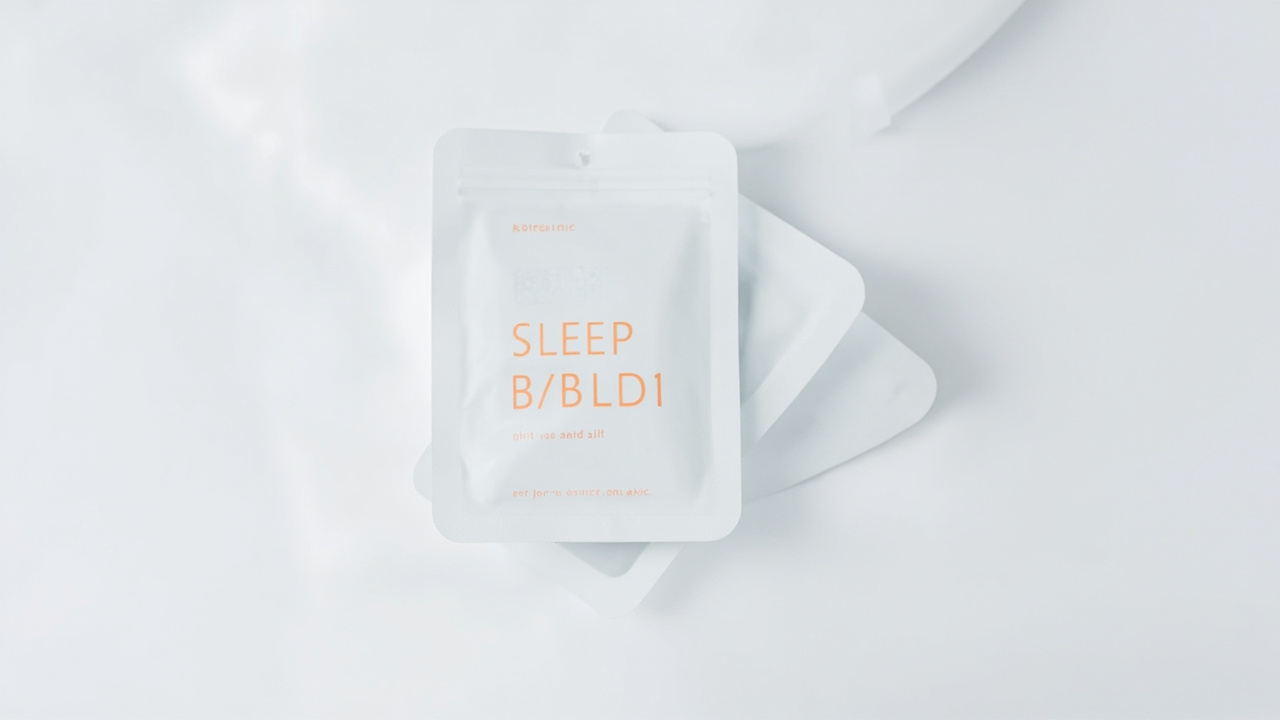
Magnesium is essential for over 300 enzymatic reactions, including muscle function, nerve transmission, and sleep regulation. Yet, up to 50% of the population in Western countries is deficient, according to the National Institutes of Health (NIH). While oral magnesium supplements are common, they often cause gastrointestinal distress and have limited bioavailability. Enter transdermal magnesium patches—a growing segment in the wellness industry. For brands looking to capitalize on the $1.5 billion magnesium supplement market (Grand View Research, 2023), understanding the science of absorption and the OEM landscape is critical. This definitive guide explores the bioavailability debate, market opportunities, and how to partner with a contract manufacturer like Kongdy Health to launch a competitive product.
Key Takeaways
- Bioavailability: Oral vs Transdermal Magnesium
- Market Opportunity: The Rise of Magnesium Patches
- How Magnesium Patches Work: Technology and Design
- Regulatory Considerations for Magnesium Patches
- OEM/ODM Partnership: Your Path to Market
- Frequently Asked Questions
Key Takeaways
- Transdermal magnesium patches offer a gastrointestinal-friendly alternative to oral supplements, potentially increasing compliance among sensitive users.
- While clinical evidence on transdermal absorption is still emerging, market demand for magnesium patches is projected to grow at a CAGR of 6.8% from 2024 to 2030 (Grand View Research).
- OEM partnerships with certified manufacturers (FDA, ISO 13485, GMP) are essential for ensuring product quality, safety, and regulatory compliance.
- Brand differentiation can be achieved through patch design, ingredient blends (e.g., added botanicals), and targeted benefits like sleep or muscle recovery.
- Kongdy Health offers full OEM/ODM services, from formulation to packaging, enabling brands to launch quickly with expert support.
Bioavailability: Oral vs Transdermal Magnesium
Oral magnesium absorption occurs primarily in the small intestine, but its efficiency is limited. Studies suggest that only 30-40% of ingested magnesium is absorbed, and this can be further reduced by factors like phytic acid in foods and certain medications. Moreover, high oral doses often lead to diarrhea, as unabsorbed magnesium draws water into the bowel. This side effect is a major reason for non-compliance, especially among older adults and those with sensitive stomachs.
Transdermal delivery bypasses the digestive system altogether. The skin, specifically the stratum corneum, is a barrier, but magnesium ions can penetrate when formulated with penetration enhancers. A 2017 study in PLoS ONE found that applying magnesium chloride solution to the skin increased cellular magnesium levels in both blood and tissue, suggesting effective absorption. While the exact bioavailability percentage is debated, proponents argue that transdermal delivery provides a steady, sustained release without gastrointestinal side effects.
However, it’s important to note that the FDA has not officially recognized transdermal magnesium as a drug delivery method, and more clinical trials are needed. Nonetheless, the market is growing, driven by consumer preference for natural, non-invasive wellness products.
Market Opportunity: The Rise of Magnesium Patches
The global magnesium supplement market was valued at approximately $1.5 billion in 2023 and is expected to grow at a CAGR of 6.8% from 2024 to 2030 (Grand View Research). Within this, transdermal patches represent a niche but rapidly expanding segment. A survey by the Council for Responsible Nutrition (CRN) in 2023 found that 15% of supplement users had tried a topical or transdermal product, indicating growing acceptance.
This growth is fueled by several factors: increasing awareness of magnesium deficiency, the rise of self-care and sleep health trends, and the convenience of patches that can be worn for up to 24 hours. For B2B brands, this is an opportunity to enter a market with less competition than traditional oral supplements, and to differentiate through product innovation.
According to MarketsandMarkets, the transdermal patch market overall is projected to reach $8.5 billion by 2027, with wellness patches being a key driver. This data underscores the commercial viability of magnesium patches as a product line.
How Magnesium Patches Work: Technology and Design
Magnesium patches are typically adhesive patches that contain magnesium chloride or magnesium glycinate embedded in a matrix. The patch is applied to a clean, dry area of skin—often the wrist, ankle, or shoulder—and left in place for 8-24 hours. The magnesium is released gradually, penetrating the skin layers and entering the bloodstream.
The effectiveness of a patch depends on several factors: the type of magnesium salt used, the concentration, the presence of permeation enhancers (like menthol or capsaicin), and the patch’s adhesive technology. High-quality patches use hypoallergenic, breathable materials that ensure skin safety and comfort. For OEM manufacturers like Kongdy Health, controlling these variables is key to producing a reliable product.
Moreover, patches can be formulated with additional ingredients to target specific benefits. For instance, adding melatonin for sleep support, or arnica for muscle recovery. This flexibility allows brands to create unique value propositions.
Consumer Preferences and Benefits of Transdermal Magnesium
Consumers choose magnesium patches for several reasons, often related to the limitations of oral supplements. Here are the primary benefits:
- No GI Side Effects: Patches eliminate the digestive issues associated with oral magnesium, making them ideal for people with sensitive stomachs.
- Steady Release: The sustained release over hours maintains consistent magnesium levels, potentially improving absorption and efficacy.
- Convenience: Patches are easy to apply and forget, making them suitable for busy lifestyles and those who dislike swallowing pills.
- Targeted Application: For localized issues like muscle cramps, patches can be placed directly on the affected area.
- Non-Invasive: Unlike injections or IVs, patches are a non-invasive method to increase magnesium levels.
These benefits align with the growing consumer preference for natural, holistic health solutions. A 2024 survey by the International Food Information Council found that 45% of adults prefer supplements that are easy to incorporate into their daily routine, and patches fit this criterion perfectly.
For brands, marketing these benefits requires clear communication and education. Providing clinical references and transparent ingredient lists can build trust and drive sales.
Regulatory Considerations for Magnesium Patches
When developing a magnesium patch, regulatory compliance is paramount. In the United States, magnesium patches are typically classified as cosmetics or dietary supplements, depending on claims. If a patch is marketed to treat a condition, it would be regulated as a drug. Therefore, it’s crucial to avoid disease claims and stick to general wellness benefits.
Manufacturers should adhere to Good Manufacturing Practices (GMP) as required by the FDA for dietary supplements. Additionally, ISO 13485 certification is relevant for medical device-like patches, ensuring a robust quality management system. In the European Union, CE marking may be required if the patch is classified as a medical device. Partnering with a manufacturer that holds these certifications simplifies the regulatory process.
Kongdy Health, operating since 1989, holds FDA, ISO 13485, and GMP certifications, ensuring that products meet international standards. Their expertise in regulatory affairs can guide brands through documentation and compliance, reducing time-to-market.
OEM/ODM Partnership: Your Path to Market
For brands looking to launch a magnesium patch, partnering with an experienced OEM/ODM manufacturer is the most efficient route. Kongdy Health offers end-to-end services, including:
- Formulation Development: Collaborate with our R&D team to create a custom magnesium patch formulation tailored to your target audience. Choose from various magnesium salts, dosages, and additional active ingredients.
- Prototyping and Testing: We produce samples for stability and release testing, ensuring your patch performs as intended. Our lab tests for absorption, adhesive strength, and skin compatibility.
- Packaging Design: We provide customizable packaging options, from individual sachets to retail boxes, with your branding and artwork.
- Regulatory Support: Our team assists with documentation, labeling, and compliance to meet FDA, EU, and other international regulations.
- Production and Quality Control: Once approved, we manufacture your patches in our GMP-certified facilities, with rigorous quality checks at every stage.
This turnkey approach allows you to focus on marketing and distribution while we handle the technical complexities. With over 30 years of experience and serving 120+ countries, Kongdy Health is a trusted partner for global brands.
Frequently Asked Questions
Q1: Are transdermal magnesium patches clinically proven to work?
While there is promising research, such as a 2017 study in PLoS ONE that showed increased magnesium levels after topical application, the clinical evidence is not as extensive as for oral supplements. However, many users report benefits like reduced muscle cramps and improved sleep. For a definitive answer, more large-scale studies are needed. That said, the market is growing, and many reputable brands offer magnesium patches with positive customer feedback.
Q2: How long should I wear a magnesium patch?
Most magnesium patches are designed to be worn for 8 to 24 hours. It’s recommended to follow the manufacturer’s instructions. Typically, you can apply it before bedtime and remove it the next morning. Some patches are designed for extended wear, but prolonged use may cause skin irritation. Always test on a small area first and consult a healthcare provider if you have sensitive skin or medical conditions.
Q3: Can I use magnesium patches alongside oral supplements?
Yes, you can, but it’s important to avoid exceeding the recommended dietary allowance (RDA) for magnesium, which is 400-420 mg for men and 310-320 mg for women. Since patches provide a dose that is not clearly defined, it’s best to start with one patch and monitor your total intake. Consult with your doctor to ensure you’re not taking too much, as excessive magnesium can cause adverse effects.
Sources
- Grand View Research – Magnesium Supplements Market
- FDA – Dietary Supplements Guidance
- ISO 13485 – Medical Devices Quality Management
- World Health Organization – Magnesium Fact Sheet
Ready to launch your own magnesium patch? Partner with Kongdy Health, a leading OEM manufacturer with 35 years of expertise. Explore our OEM/ODM services and turn your vision into a market-ready product.