
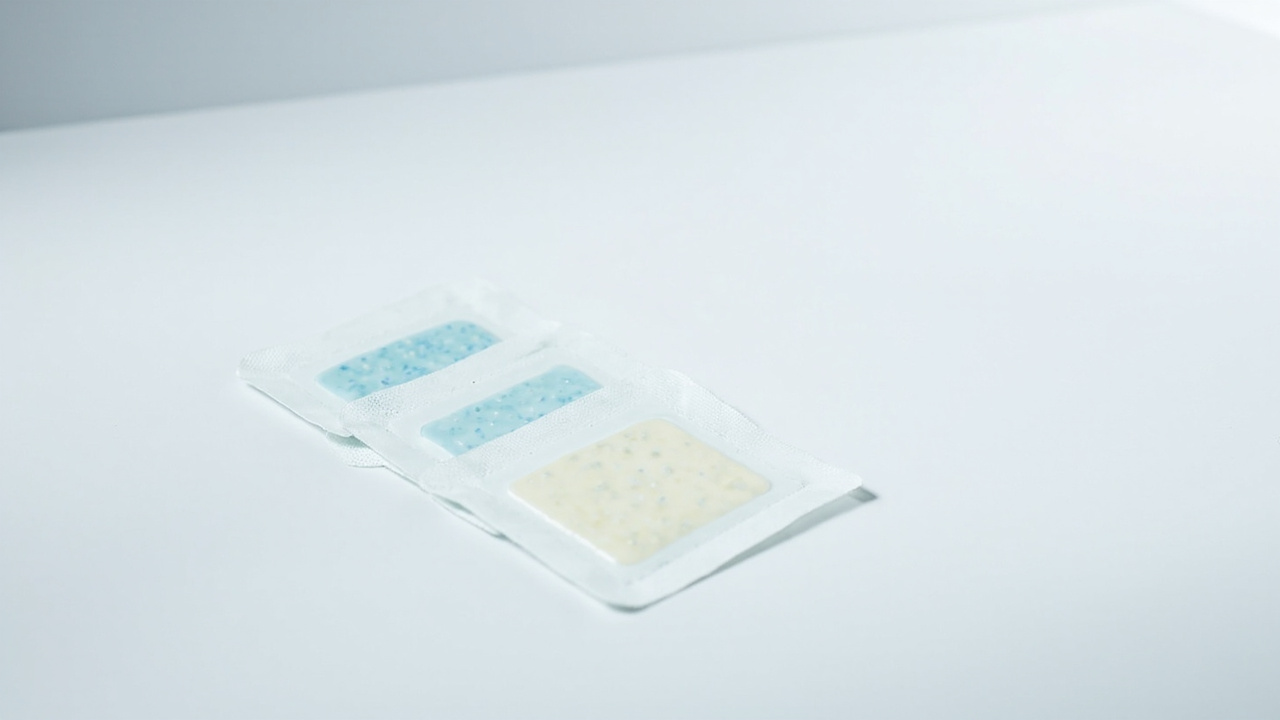
Cooling patches have become a staple in pain relief, fever management, and cosmetic skincare, offering a convenient, drug-free cooling sensation. However, for a significant portion of the population, the adhesive that holds the patch in place can be a source of irritation, redness, and discomfort. This is a critical concern for manufacturers and brands, as the adhesive directly impacts user compliance and product reputation. In this comprehensive guide, we delve into the world of cooling patch adhesives, focusing on skin-friendly options designed for sensitive skin. We will explore the science behind hydrogel adhesives, key regulatory standards, and actionable insights for OEM/ODM partners looking to create a product that stands out in a crowded market.
Key Takeaways
- The Critical Role of Adhesives in Cooling Patch Performance
- Understanding Sensitive Skin and Adhesive Reactions
- Key Features of Skin-Friendly Adhesives
- Regulatory Standards and Safety Testing
- Market Trends and Consumer Demand
- How to Choose the Right Adhesive for Your Product
Key Takeaways
- Hydrogel adhesives are the gold standard for sensitive-skin cooling patches due to their water-based, breathable, and gentle nature.
- Skin-friendly adhesives reduce irritation, improving patient compliance and brand loyalty, which is crucial in the competitive cooling patch market.
- Regulatory compliance with FDA, ISO 13485, and GMP standards is non-negotiable for ensuring safety and market access.
- OEM partners should prioritize custom formulation and rigorous skin irritation testing to meet the needs of sensitive-skin consumers.
- Market trends indicate a growing demand for hypoallergenic and dermatologist-tested cooling patches, presenting a lucrative opportunity for brands.
The Critical Role of Adhesives in Cooling Patch Performance
Adhesives are the unsung heroes of transdermal patches. They ensure the patch stays in place, delivering the cooling effect consistently over the recommended wear time. Yet, for individuals with sensitive skin, the adhesive can become the primary point of failure. Contact dermatitis, allergic reactions, and mechanical irritation from removal are common complaints. According to a 2022 study published in the Journal of Dermatological Treatment, adhesive-related skin reactions are reported in up to 20% of patch users, with higher rates among those with pre-existing skin conditions like eczema.
The challenge for manufacturers is to balance adhesion strength with skin gentleness. Stronger adhesives often contain more tackifying resins and solvents that can strip the skin’s natural oils and cause micro-tears upon removal. Conversely, weaker adhesives fail to keep the patch in place, especially on contoured joints or during physical activity. This is where hydrogel technology has emerged as a game-changer.
Hydrogel adhesives are primarily water-based, containing up to 70% water, which provides a hydrating and soothing environment for the skin. Unlike traditional acrylic or rubber-based adhesives, hydrogels are breathable, allowing oxygen and moisture vapor to pass through, reducing the risk of maceration and irritation. They also adhere through a gentle, pressure-sensitive mechanism that does not require harsh chemical bonding, making them ideal for sensitive skin. The shift towards hydrogel is not just a trend but a response to consumer demand for safer, more comfortable products.
Understanding Sensitive Skin and Adhesive Reactions
Sensitive skin is not a medical diagnosis but a self-reported condition characterized by heightened reactions to environmental factors, cosmetics, and topical products. It affects a substantial portion of the population; a 2019 survey by the International Journal of Cosmetic Science estimated that over 60% of women and 50% of men in the US report having sensitive skin. These individuals are more prone to erythema, itching, and stinging when exposed to certain chemicals, including those found in adhesives.
The mechanisms behind adhesive reactions are multifaceted. They can be irritant contact dermatitis, which is a non-allergic inflammatory response caused by the physical and chemical properties of the adhesive, or allergic contact dermatitis, an immune-mediated reaction to specific allergens like acrylates or rubber accelerators. Both types can cause significant discomfort and lead users to abandon the product entirely.
For cooling patches, the occlusive nature of the patch can exacerbate these reactions. When a patch is applied, it traps heat and moisture, which can increase the absorption of adhesive components into the skin and promote microbial growth. Therefore, using an adhesive that is not only hypoallergenic but also breathable is essential. Hydrogel adhesives, with their high water content and open structure, mitigate these risks by maintaining a moist but breathable environment, which is also beneficial for wound healing—a feature that adds value to cooling patches used for post-procedure care.
Key Features of Skin-Friendly Adhesives
When evaluating adhesives for sensitive-skin cooling patches, several key features should be considered. Firstly, the adhesive must be hypoallergenic, meaning it has a low potential to cause allergic reactions. This is achieved by avoiding common allergens such as latex, fragrance, and certain preservatives. Secondly, the adhesive should be pH-neutral and non-irritating, ideally matching the skin’s natural pH of around 5.5. Thirdly, it should be breathable and allow for painless removal, which is particularly important for patches applied to sensitive areas like the forehead or neck.
- Water-based hydrogel: Provides hydration and gentle adhesion without harsh solvents.
- Medical-grade acrylic: A safer alternative to rubber-based adhesives, offering strong adhesion with lower allergenic potential.
- Silicone-based adhesives: Known for their gentleness and ease of removal, but they can be more expensive and have lower initial tack.
In addition to these features, the adhesive’s compatibility with the active ingredients in the cooling patch is crucial. For example, if the patch contains menthol or other cooling agents, the adhesive must not interact negatively with them, which could affect both adhesion and skin safety. OEM manufacturers like Kongdy Health invest heavily in R&D to develop proprietary hydrogel formulations that balance all these factors.
Regulatory Standards and Safety Testing
Ensuring the safety and efficacy of cooling patch adhesives is governed by a robust regulatory framework. In the United States, the Food and Drug Administration (FDA) regulates transdermal patches as medical devices or drugs, depending on their active ingredients. Cooling patches that contain active ingredients like menthol are classified as over-the-counter (OTC) drugs and must comply with the FDA’s monograph for topical analgesics. Those without active ingredients are considered medical devices and must meet general controls, including biocompatibility testing.
Internationally, ISO 13485 is the gold standard for quality management systems in medical device manufacturing. This standard ensures that processes are in place to consistently produce safe and effective products. Additionally, Good Manufacturing Practices (GMP) are enforced to maintain hygiene and quality control during production. Adhesives used in patches must undergo rigorous testing for skin irritation, sensitization, and cytotoxicity, following guidelines such as ISO 10993 for biological evaluation of medical devices.
For brands looking to enter the cooling patch market, partnering with an OEM that holds these certifications is not just a convenience but a necessity. Kongdy Health, with its FDA-registered facility and ISO 13485 certification, ensures that every batch of adhesive meets the highest safety standards. Their testing protocols include in-vitro and in-vivo studies to assess skin compatibility, giving brands confidence in their product’s safety.
Market Trends and Consumer Demand
The global transdermal patch market is experiencing significant growth. According to Grand View Research, the global transdermal patch market size was valued at USD 7.3 billion in 2023 and is expected to expand at a compound annual growth rate (CAGR) of 5.1% from 2024 to 2030. Within this market, cooling patches are a niche but rapidly growing segment, driven by the rise in self-care and non-invasive pain management.
Consumers are becoming more ingredient-conscious, and this extends to the adhesives in the products they use. A 2021 survey by the American Contact Dermatitis Society found that 45% of consumers actively look for hypoallergenic labels on topical products. This demand is pushing brands to prioritize skin-friendly adhesives as a key differentiator. In fact, a recent market analysis by MarketsandMarkets projected that the demand for hypoallergenic medical adhesives will grow by 8% annually, outpacing the overall adhesive market.
Moreover, the rise of e-commerce and social media has amplified the voice of consumers who experience skin irritation. Negative reviews can quickly tarnish a brand’s image, making it imperative for companies to invest in high-quality adhesives from the outset. By offering cooling patches that are explicitly designed for sensitive skin, brands can tap into a loyal customer base and position themselves as leaders in safety and comfort.
How to Choose the Right Adhesive for Your Product
Selecting the right adhesive for your cooling patch is a critical decision that impacts performance, safety, and user satisfaction. Here is a step-by-step guide to help you make an informed choice:
- Identify your target user: Determine whether your patch is for general use or specifically for sensitive skin. If the latter, prioritize hypoallergenic features.
- Evaluate adhesive types: Compare hydrogel, silicone, and acrylic adhesives based on your product requirements, such as wear time, flexibility, and cost.
- Conduct compatibility testing: Ensure the adhesive is compatible with your patch’s active ingredients and backing material.
- Perform skin irritation tests: Use ISO 10993 standards to assess the adhesive’s potential for irritation and sensitization.
- Partner with an experienced OEM: Work with a manufacturer like Kongdy Health that offers custom adhesive formulation and has a track record of regulatory compliance.
By following these steps, you can avoid costly mistakes and bring a product to market that meets the highest standards of quality and safety.
Kongdy Health: Your OEM Partner for Skin-Friendly Cooling Patches
As a leading OEM/ODM manufacturer with over three decades of experience, Kongdy Health specializes in developing transdermal patches with a focus on skin compatibility. Our state-of-the-art facility in China is FDA-registered and ISO 13485 certified, ensuring that every product is manufactured under strict quality controls. We offer a range of skin-friendly adhesive options, including proprietary hydrogel formulas that are hypoallergenic, breathable, and gentle on sensitive skin.
Our in-house R&D team can customize the adhesive to meet your specific requirements, whether you need a patch for fever reduction, pain relief, or cosmetic use. We also provide comprehensive regulatory support, helping you navigate the complex landscape of medical device approvals. With our turnkey OEM services, you can bring a high-quality cooling patch to market with confidence.
If you are ready to develop a cooling patch that prioritizes skin health, contact Kongdy Health today to discuss your project. Let us help you create a product that consumers will trust and love.
Frequently Asked Questions
Q1: What makes a cooling patch adhesive skin-friendly?
A skin-friendly adhesive is one that minimizes the risk of irritation and allergic reactions. Key characteristics include being hypoallergenic, free from common allergens like latex and fragrance, pH-balanced to match the skin’s natural acidity, and breathable to allow moisture and air exchange. Hydrogel adhesives are particularly skin-friendly because they are water-based, gentle on the skin, and provide a soothing, hydrating effect. They also allow for painless removal, which is crucial for sensitive skin. When choosing a cooling patch, look for products that have undergone dermatological testing and are labeled as hypoallergenic.
Q2: Can cooling patches be used on children with sensitive skin?
Yes, cooling patches can be used on children, but extra caution is needed. Children’s skin is thinner and more delicate, making them more susceptible to irritation. When selecting a cooling patch for a child, it is essential to choose one that is specifically designed for sensitive skin and has been pediatrician-tested. The adhesive should be gentle and non-irritating, and the patch should be removed carefully to avoid skin damage. Always follow the manufacturer’s instructions and consult a pediatrician if you have any concerns. Many brands offer cooling patches formulated with a mild hydrogel adhesive that is safe for children over a certain age.
Q3: How can I ensure my cooling patch brand is safe for sensitive skin?
To ensure your cooling patch brand is safe for sensitive skin, start by partnering with an experienced OEM manufacturer that prioritizes skin compatibility. They should use high-quality, hypoallergenic adhesives and conduct rigorous testing for skin irritation and sensitization according to ISO 10993 standards. Additionally, you should seek dermatological testing and obtain certifications like FDA registration and ISO 13485 to demonstrate your commitment to safety. Clear labeling that highlights the product’s skin-friendly attributes can also build consumer trust. By investing in these measures, you can create a product that stands out in the market and is well-received by sensitive-skin users.
Sources
- Grand View Research – Transdermal Patch Market
- MarketsandMarkets – Medical Adhesives Market
- FDA – Medical Devices
- ISO 13485 – Medical Devices Quality Management