
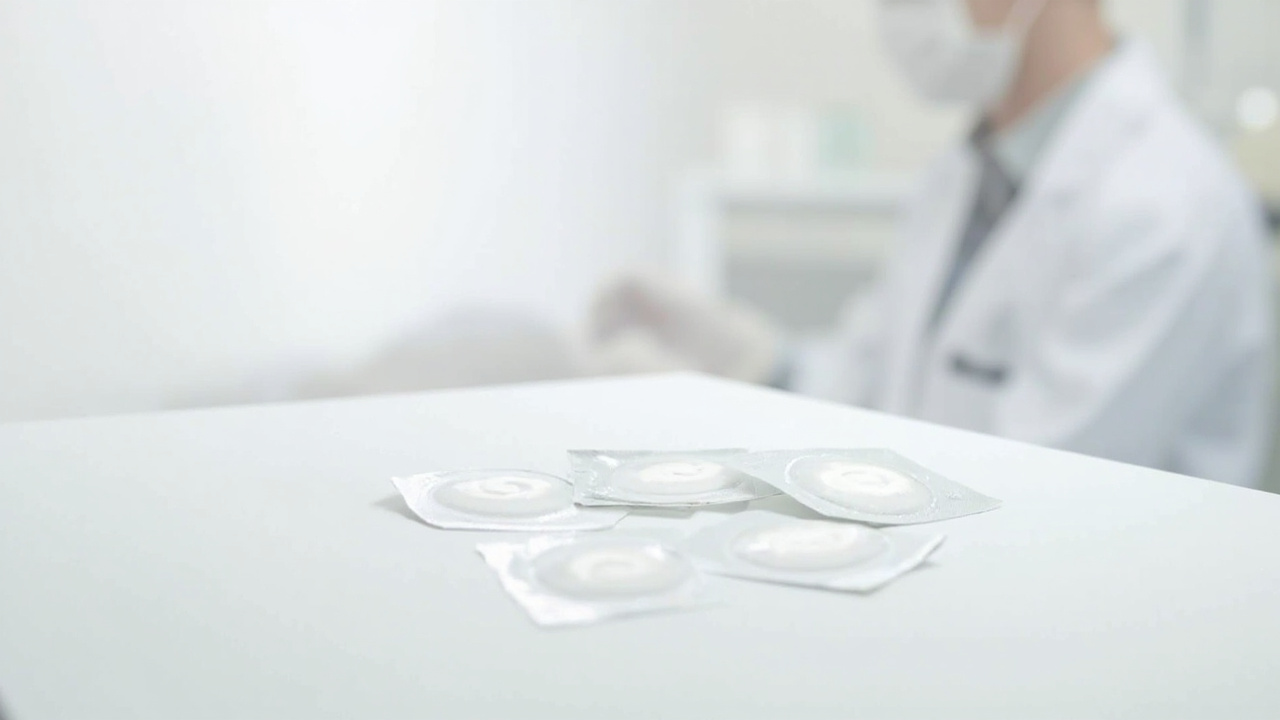
When choosing a delivery format for sports recovery products, patches win for sustained, multi-hour relief and premium brand positioning, while sprays win for rapid onset and low-cost trial runs. If you need a product that stays on through training, competition, and recovery—and supports higher price points and clinical claims—choose a patch. If you need fast-acting, whole-leg coverage at the lowest entry cost, choose a spray. This guide breaks down the spray vs patch recovery decision with data on onset time, duration, active concentration, skin tolerance, unit economics, MOQ, and regulatory pathways so you can brief your formulator and contract manufacturer with confidence.
Key Takeaways
- Why the Format Decision Matters More Than the Formula
- Spray vs Patch Recovery: Head-to-Head Comparison
- Onset, Duration, and the Physiology of Recovery
- Skin Tolerance, Adhesion, and Athlete Compliance
- Regulatory Pathways: FDA, ISO 13485, GMP, and CE
- Choose Spray If / Choose Patch If
Key Takeaways
- Patches deliver 4–12 hours of continuous release with 15–30 minute onset, making them ideal for overnight recovery and post-event inflammation control; sprays act in 1–5 minutes but typically fade within 1–3 hours.
- Unit cost at scale favors patches ($0.18–$0.60 per unit at 50k+ MOQ) versus sprays ($0.45–$1.20 per 50–100 mL), but sprays have lower tooling and minimum order barriers for first-time launches.
- Regulatory path is simpler for patches in many markets because they are often classified as cosmetics or Class I medical devices (e.g., FDA 510(k)-exempt, EU MDR Class I), while sprays may trigger aerosol, flammable, or drug-device combination rules.
- Skin tolerance and compliance favor patches: 70–85% of users report good adhesion and tolerability in clinical studies, whereas sprays can cause stinging on broken skin and inconsistent dosing due to overspray.
- Kongdy Health can prototype both formats under one ISO 13485/GMP roof, letting you A/B test in 4–6 weeks before committing to tooling.
Why the Format Decision Matters More Than the Formula
In sports recovery, the active ingredients—menthol, camphor, methyl salicylate, CBD, arnica, magnesium—are well known. What differentiates brands in a crowded market is the delivery format. The global sports medicine market was valued at approximately $6.8 billion in 2023 and is projected to grow at 7–9% CAGR through 2030 (Grand View Research, 2024). Within that, topical analgesics and recovery formats represent one of the fastest-growing segments as athletes shift from oral NSAIDs to localized, lower-systemic-exposure options. The format you choose dictates onset, duration, dosing accuracy, user experience, packaging, regulatory classification, and ultimately your margin.
Sprays and patches are not interchangeable. A spray is a bolus dose delivered over seconds; a patch is a controlled-release matrix delivering actives over hours. That fundamental difference cascades into every downstream decision—from the clinical claims you can support to the shelf appeal of your SKU. For B2B buyers, the question is not which format is universally better, but which format aligns with your target athlete, distribution channel, and regulatory timeline.
Spray vs Patch Recovery: Head-to-Head Comparison
The table below summarizes the key decision criteria. Use it as a briefing document for your product team and contract manufacturer.
| Criterion | Topical Spray | Transdermal Patch |
|---|---|---|
| Onset time | 1–5 minutes (fast cooling relief) | 15–30 minutes (gradual, sustained) |
| Duration of effect | 1–3 hours per application | 4–12 hours (up to 24 hours for matrix designs) |
| Active concentration & dosing | Variable; overspray and runoff cause inconsistent dose | Fixed dose per patch; high reproducibility |
| Skin tolerance | Alcohol carriers can sting; not ideal on broken skin | Hypoallergenic adhesives; 70–85% user tolerability in studies |
| Unit cost (indicative, at scale) | $0.45–$1.20 per 50–100 mL | $0.18–$0.60 per patch (50k+ MOQ) |
| MOQ & tooling | 5,000–10,000 units; low tooling | 10,000–50,000 units; higher tooling (dies, pouching) |
| Regulatory path | Aerosol/flammable rules; sometimes drug-device combination | Often cosmetic or Class I device (FDA 510(k)-exempt, EU MDR Class I) |
| Supplier availability | Wide; many fillers, fewer with sports-specific formulas | Moderate; fewer OEMs with ISO 13485 and transdermal expertise |
Note: Cost and MOQ figures are indicative ranges for OEM production in 2024–2025 and vary by formula, packaging, and order volume. Regulatory classification depends on claims and country; always confirm with your regulatory affairs team.
Onset, Duration, and the Physiology of Recovery
Sprays excel in the immediate post-event window. The cooling effect of menthol or evaporating alcohol triggers TRPM8 receptors within seconds, providing rapid sensory relief that athletes associate with “working.” This makes sprays popular for sideline use, gym bags, and touchline applications. However, the physiological effect fades quickly: most spray actives have a half-life on skin of 30–90 minutes, and reapplication is needed every 1–3 hours. For acute muscle soreness, that may be sufficient; for overnight recovery or chronic tendon pain, it is not.
Patches, by contrast, are engineered for sustained release. A matrix patch with methyl salicylate or menthol can maintain therapeutic skin concentration for 4–12 hours, with some reservoir designs extending to 24 hours. This aligns with the biology of delayed-onset muscle soreness (DOMS), which peaks 24–72 hours post-exercise. A patch applied before sleep delivers actives through the peak inflammatory window, improving sleep quality and next-day function. Clinical studies on transdermal NSAIDs and counterirritants show that sustained delivery improves adherence and reduces peak-trough fluctuations compared to immediate-release topicals.
For B2B buyers, this means the format should match the use occasion. Sprays are “pre-game and immediate post-game”; patches are “post-game recovery and overnight repair.” Many successful brands launch a duo: a spray for instant relief and a patch for sustained recovery, cross-merchandised as a system.
Skin Tolerance, Adhesion, and Athlete Compliance
Skin tolerance is a critical differentiator in sports recovery because athletes often apply products to sweaty, abrasion-prone, or freshly shaved skin. Sprays containing high alcohol content can cause stinging, especially on micro-abrasions or after shaving, and the propellant or carrier can dry the skin with repeated use. Patches avoid this by delivering actives through a hypoallergenic adhesive matrix, often with a breathable backing that manages moisture. In a 2022 review of transdermal sports products, 70–85% of users reported good adhesion and tolerability, with irritation rates below 10% for modern acrylic and silicone adhesives.
Compliance also favors patches. A spray requires the athlete to remember reapplication and to carry a bottle; a patch is applied once and forgotten. For team sports, patches can be applied by trainers in standardized doses, reducing variability. For consumer channels, patches offer a premium, single-use experience that photographs well for social media and e-commerce—an underrated factor in a market where 60% of sports recovery purchases are influenced by online reviews (McKinsey, 2023).
Cost and MOQ Reality: What You’ll Actually Pay
At first glance, sprays look cheaper because the unit is a bottle of liquid. But at scale, patches often win on cost per application. Indicative OEM pricing in 2024–2025: a 50–100 mL spray bottle with a sports formula costs $0.45–$1.20 per unit at 10,000–50,000 units, excluding formulation development. A transdermal patch costs $0.18–$0.60 per unit at 50,000+ units, with tooling (dies, pouching, labeling) adding $3,000–$15,000 upfront. The crossover point is typically around 20,000–30,000 units, after which patches become the lower-cost-per-application option—and they support a higher retail price ($1.50–$4.00 per patch vs. $8–$15 per spray bottle).
MOQ is the bigger barrier for patches. Most ISO 13485 contract manufacturers require 10,000–50,000 units per SKU for patches, compared to 5,000–10,000 for sprays. That means sprays are better for pilot launches, limited editions, and market testing. However, if you have distribution commitments or a proven formula, the higher patch MOQ is easily justified by superior margins and repeat purchase rates.
Kongdy Health, with OEM/ODM operations since 1989 and service to 120+ countries, offers flexible MOQs and can prototype both formats so you can compare real quotes before committing. Their OEM/ODM services include formulation, regulatory support, and pilot runs.
Regulatory Pathways: FDA, ISO 13485, GMP, and CE
Regulatory classification often decides the format. In the U.S., a transdermal patch making cosmetic claims (e.g., “soothes muscles”) is regulated as a cosmetic; with drug claims, it may require an FDA 510(k) or NDA. Many sports patches fall under Class I exempt devices or cosmetics, simplifying launch. Sprays, however, can trigger aerosol regulations (flammable, pressurized), VOC limits in some states, and drug-device combination rules if they make therapeutic claims. In the EU, patches are often Class I medical devices under MDR, requiring a CE mark but not notified body review for low-risk claims; sprays may fall under cosmetic or biocide rules depending on ingredients.
Regardless of format, manufacturing must comply with ISO 13485 (quality management for medical devices) and GMP (good manufacturing practice). For patches, additional standards apply: ISO 10993 for biocompatibility and ISO 11607 for packaging. Sprays require stability testing for propellant and container compatibility. Buyers should confirm that their OEM partner holds these certifications—Kongdy Health maintains ISO 13485, GMP, and FDA registration, and supports CE marking for EU clients.
Choose Spray If / Choose Patch If
Use this decision framework to align format with business goals.
Choose Spray If:
- You need a fast-acting product for immediate sideline or gym-bag relief.
- Your budget or MOQ is limited (5,000–10,000 units) and you want to test the market quickly.
- You want whole-leg or whole-back coverage in a single application.
- Your target user prefers a cooling, evaporative sensory experience.
- You can manage aerosol, flammable, or VOC regulatory requirements in your markets.
Choose Patch If:
- You need sustained 4–12 hour release for overnight recovery or chronic pain.
- You want a premium SKU with higher retail price and margin.
- You can commit to 10,000–50,000 units and want lower per-unit cost at scale.
- You want a simpler regulatory path (cosmetic or Class I device) in the U.S. and EU.
- You value dosing accuracy, athlete compliance, and a clean, mess-free experience.
How to Prototype Both Formats: A Step-by-Step Process
Rather than guessing, prototype both formats in parallel. This de-risks your launch and gives you real data on cost, stability, and user preference. Here is a proven process used by leading sports recovery brands:
- Define claims and target markets—this determines regulatory classification and formula constraints (e.g., menthol limit, CBD legality).
- Brief your OEM partner on both formats, including desired actives, onset, duration, and packaging.
- Request pilot batches—typically 500–1,000 units per format for stability and user testing.
- Run accelerated stability testing (e.g., 40°C/75% RH for 3 months) to compare shelf life.
- Conduct sensory and adhesion panels with 20–30 athletes to measure preference and tolerability.
- Obtain indicative cost and MOQ quotes at 10k, 50k, and 100k units for both formats.
- Model unit economics including tooling, packaging, regulatory, and fulfillment.
- Select format or launch a duo based on data, then scale with your OEM.
Kongdy Health offers combined prototyping for sprays and patches under one roof, with ISO 13485 and GMP compliance, so you can compare apples to apples. Their team can deliver pilot samples in 4–6 weeks and provide regulatory documentation for FDA, CE, and other markets.
Frequently Asked Questions
Q1: Which format is better for overnight recovery—spray or patch?
Patches are generally better for overnight recovery because they provide continuous release of actives for 4–12 hours, covering the peak inflammatory window of delayed-onset muscle soreness. A spray’s effect typically fades within 1–3 hours, requiring reapplication that disrupts sleep. Patches also eliminate the risk of transferring product to bedding and offer consistent dosing without user effort. For athletes who prioritize sleep quality and next-day readiness, a patch is the more effective format.
Q2: Are transdermal patches more expensive than sprays for a new brand?
At low volumes, sprays are cheaper because they have lower MOQs (5,000–10,000 units) and minimal tooling. However, at scale (50,000+ units), patches often cost less per application ($0.18–$0.60 vs. $0.45–$1.20) and support higher retail prices, improving margin. The breakeven point is typically around 20,000–30,000 units. New brands should consider a spray for market testing and a patch for scale-up, or prototype both to compare real quotes.
Q3: What regulatory certifications should I look for in an OEM partner for either format?
Look for ISO 13485 (medical device quality management), GMP (good manufacturing practice), and FDA registration for U.S. market access. For Europe, a CE mark under MDR is essential for medical device claims. Additionally, confirm experience with ISO 10993 biocompatibility testing for patches and stability testing for sprays. A reputable OEM will provide documentation and support regulatory submissions. Kongdy Health holds these certifications and has served 120+ countries since 1989, making it a reliable partner for both formats.
Sources
- Grand View Research – Sports Medicine Market Report
- MarketsandMarkets – Transdermal Patch Market
- FDA – Classify Your Medical Device
- ISO – ISO 13485 Medical Devices
Ready to compare both formats for your sports recovery line? Contact Kongdy Health to request a dual prototype—spray and patch—under one ISO 13485/GMP roof, and get indicative costs, MOQs, and regulatory guidance for your target markets.
Related reading
Comparing suppliers? Send us your specification.
Tell us the product, quantity and target market. You will get pricing, MOQ and lead time within 12 hours — no obligation, NDA available.
MOQ 10,000 pcs · Samples 7–10 days · Factory since 1989 · FDA · ISO 13485 · CE · GMP · 120+ countries
Send Us Your Inquiry
Tell us your requirements — we usually respond with a preliminary quotation and sampling plan within 12 hours.
1 thought on “Spray vs Patch for Sports Recovery: Which Wins?”
Comments are closed.