The sports recovery industry is experiencing a paradigm shift. As athletes and fitness enthusiasts increasingly seek science-backed, convenient solutions to accelerate recovery, the demand for targeted topical products has skyrocketed. Among these, the sports recovery patch has emerged as a standout product, offering a unique combination of cooling relief and prolonged active ingredient delivery. For private label brands and distributors, this represents a significant and growing opportunity. This definitive guide explores the market dynamics, the science behind cooling patches, and the strategic advantages of partnering with an experienced muscle cooling patch OEM manufacturer like Kongdy Health. We’ll delve into the data, the manufacturing standards, and the key considerations for launching a successful product line in this expanding niche.
Key Takeaways
- The Rising Demand for Sports Recovery Patches
- Understanding Cooling Patch Technology: How They Work
- Market Opportunity for Private Label Brands
- Key Considerations for OEM and Private Label Manufacturing
- How to Choose the Right OEM Partner
- Future Trends in Sports Recovery Patches
Key Takeaways
- The global sports recovery patch market is projected to grow at a CAGR of over 6% through 2030, driven by the rising popularity of active lifestyles and non-invasive recovery methods.
- Cooling patches offer a differentiated value proposition: immediate cooling sensation combined with sustained active ingredient delivery, setting them apart from traditional creams and gels.
- Private label brands can leverage OEM partnerships to enter the market without heavy R&D investment, focusing instead on branding and distribution.
- Compliance with international standards (FDA, ISO 13485, GMP) is non-negotiable for credibility and market access; choosing a certified OEM partner is critical.
- Product innovation—such as organic ingredients, smart patches, and eco-friendly materials—is key to standing out in a crowded market.
- Strategic marketing that educates consumers on the science of cooling patches can significantly boost adoption and brand loyalty.
The Rising Demand for Sports Recovery Patches
The global sports and fitness industry is booming, with a market size estimated at over $100 billion in 2023 (Statista). This growth is paralleled by an increased focus on recovery as a critical component of performance. According to a 2023 report by Grand View Research, the global sports medicine market is expected to reach $10.5 billion by 2030, growing at a CAGR of 5.2%. Within this landscape, transdermal patches are gaining traction due to their ease of use and targeted delivery.
Specifically, the cooling patch segment is witnessing robust growth. A 2022 market analysis by MarketsandMarkets projected that the transdermal patches market, which includes cooling patches, will grow from $6.5 billion in 2022 to $9.8 billion by 2027, at a CAGR of 8.5%. This surge is fueled by several factors: the rise of amateur sports participation, the growing awareness of recovery science, and the convenience of wearable wellness products.
Moreover, the COVID-19 pandemic has accelerated the trend toward self-care and at-home recovery solutions. Consumers are now more proactive about their health, seeking products that offer tangible benefits without requiring professional administration. Cooling patches fit this bill perfectly—they are easy to apply, provide immediate relief, and can be worn discreetly under clothing, making them ideal for post-workout recovery, travel, and daily use.
Understanding Cooling Patch Technology: How They Work
To appreciate the market potential, it’s essential to understand the underlying technology. A cooling patch is a type of transdermal patch that delivers active ingredients through the skin while simultaneously providing a cooling sensation. This dual action is achieved through a combination of physical and chemical mechanisms.
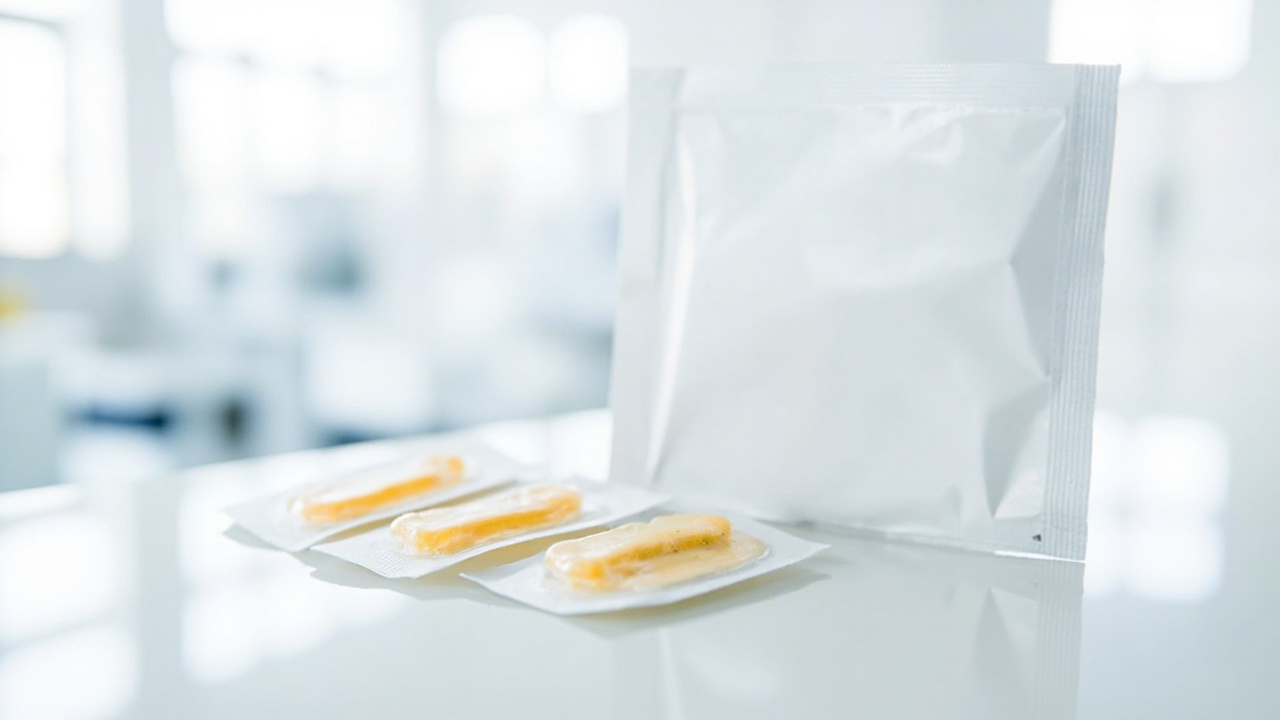
First, the patch contains a hydrogel matrix that is saturated with water and active ingredients such as menthol, camphor, or botanicals like arnica and aloe vera. When applied to the skin, the water evaporates, creating a cooling effect that helps reduce skin temperature and soothe sore muscles. This is similar to the principle behind cooling gels, but the patch offers a controlled, sustained release over several hours (typically 8-12 hours), ensuring prolonged relief.
Second, the active ingredients are absorbed transdermally, bypassing the digestive system and delivering targeted relief directly to the affected area. This is particularly beneficial for localized muscle soreness or joint pain. The skin acts as a reservoir, slowly releasing the actives into the underlying tissues. This mechanism is backed by research; a 2021 study published in the Journal of Sports Science & Medicine found that menthol-based patches significantly reduced perceived muscle soreness and improved recovery in athletes.
From a manufacturing standpoint, creating an effective cooling patch requires precise formulation and production techniques. The hydrogel must maintain its viscosity and adhesive properties, while the active ingredients must be stable and released at a consistent rate. This is where the expertise of an experienced OEM manufacturer becomes invaluable, as they have the technical know-how to optimize these parameters.
Market Opportunity for Private Label Brands
The sports recovery patch market presents a lucrative opportunity for private label brands for several reasons. First, the barriers to entry are relatively low compared to other health products. With OEM manufacturing, brands can leverage existing formulations and production facilities, avoiding the high costs and time associated with R&D and regulatory approvals. This allows them to launch products quickly and test the market with minimal risk.
Second, the product has a high perceived value. Consumers are willing to pay a premium for products that offer convenience and efficacy. A single cooling patch can retail for $2-$5, with a gross margin of 70-80% for brands, making it a highly profitable SKU. Additionally, the repeat purchase rate is high, as athletes and fitness enthusiasts often use patches regularly as part of their recovery routine.
Third, the market is still relatively unsaturated, especially in emerging economies. While established brands like Biofreeze and Tiger Balm have a presence, there is ample room for niche players to carve out a share by targeting specific segments such as marathon runners, CrossFit enthusiasts, or yoga practitioners. Private label brands can differentiate through unique value propositions, such as organic ingredients, vegan formulations, or specialized patches for different body parts.
To capitalize on this opportunity, brands need a reliable OEM partner that can provide high-quality products, flexible packaging options, and regulatory support. Kongdy Health, with over 30 years of experience, offers exactly that, helping brands navigate the complexities of product development and market launch.
Key Considerations for OEM and Private Label Manufacturing
When venturing into the sports recovery patch market, several critical factors must be considered to ensure success.
- Regulatory Compliance: Your patches must meet the regulatory requirements of your target markets. In the US, this means compliance with FDA regulations for over-the-counter (OTC) topical products. In the EU, CE marking is required. A reputable OEM will have certifications like ISO 13485 (medical devices) and GMP (Good Manufacturing Practices), ensuring your product meets international standards.
- Formulation Expertise: The efficacy of your patch depends on the formulation. Look for an OEM that offers customizable options, allowing you to choose active ingredients, concentrations, and release profiles. For example, you might want a fast-acting patch for immediate relief or a slow-release patch for overnight use.
- Quality Control: Consistency is key. Your OEM should have robust quality control processes, including stability testing, microbial testing, and adhesion testing. This ensures that every batch of patches meets the same high standards, protecting your brand’s reputation.
- Customization and Branding: Your patch is a direct reflection of your brand. An OEM should offer a range of customization options, including patch size, shape, color, and packaging design. Whether you want a discreet clear patch or a vibrant, branded design, the manufacturer should be able to accommodate your needs.
- Supply Chain Reliability: A reliable supply chain is essential to avoid stockouts and delays. Your OEM should have robust manufacturing capacity and a track record of on-time delivery. Additionally, consider their sourcing of raw materials—ideally, they should use high-quality, sustainably sourced ingredients.
By carefully evaluating these factors, you can select an OEM partner that aligns with your brand’s values and goals.
Regulatory Standards and Certifications: What You Need to Know
Navigating the regulatory landscape is crucial for any health-related product. For cooling patches, the classification can vary: they may be considered cosmetics, OTC drugs, or medical devices depending on their ingredients and intended use. In the US, the FDA regulates such products under the Federal Food, Drug, and Cosmetic Act. If your patch contains active ingredients like menthol and is intended to relieve pain, it is likely classified as an OTC drug and must comply with the applicable monographs.
International markets have their own requirements. In the EU, patches may need CE marking under the Medical Devices Regulation (MDR) if they have a medical purpose, or they may fall under the Cosmetics Regulation if they are purely cosmetic. In Asia, countries like Japan and South Korea have their own regulatory frameworks. Working with an OEM that has global compliance experience is invaluable, as they can guide you through these complexities.
Kongdy Health is certified with ISO 13485 and GMP, and its manufacturing facilities are FDA-registered. This ensures that your product is produced under strict quality management systems, from raw material sourcing to final packaging. Additionally, they can provide the necessary documentation, such as certificates of analysis and stability data, to support your regulatory submissions.
How to Choose the Right OEM Partner
Selecting the right OEM partner is the most critical decision you’ll make. Here is a numbered list of steps to guide you:
- Define Your Product Vision: Before approaching any OEM, have a clear idea of your target market, desired ingredients, patch size, and packaging. This will help you communicate your needs effectively.
- Research Potential Manufacturers: Look for OEMs with extensive experience in transdermal patch manufacturing, not just general cosmetics. Check their certifications, client testimonials, and case studies. A manufacturer like Kongdy Health, with over 30 years in the industry, is a strong candidate.
- Evaluate Their R&D Capabilities: Ask about their R&D team and whether they can develop custom formulations. Inquire about their ability to conduct stability and compatibility tests.
- Request Samples: Always request samples to evaluate the quality, adhesion, and cooling effect. This also allows you to test the packaging and user experience.
- Discuss MOQs and Pricing: Understand their minimum order quantities (MOQs) and pricing structure. While lower MOQs may be attractive for startups, ensure they don’t compromise quality.
- Check Their Supply Chain: Ask about their sourcing of raw materials and their contingency plans for supply disruptions. A robust supply chain ensures consistent production.
- Review Their Compliance Documentation: Ask for copies of their certifications and any relevant regulatory filings. This will give you confidence in their compliance.
- Establish Clear Communication: Choose a partner that communicates promptly and transparently. A dedicated account manager can make the process smoother.
By following these steps, you can find a partner that will help you bring a high-quality sports recovery patch to market efficiently.
Future Trends in Sports Recovery Patches
The sports recovery patch market is evolving rapidly, with several trends set to shape its future. One major trend is the integration of smart technology. Companies are developing patches with sensors that monitor muscle activity, skin temperature, and even hydration levels, providing real-time data to athletes and their coaches. These smart patches can sync with mobile apps to offer personalized recovery recommendations, creating a new level of engagement.
Another trend is the use of natural and organic ingredients. As consumers become more ingredient-conscious, there is a growing demand for patches free from synthetic chemicals, parabens, and artificial fragrances. OEMs are responding by developing formulations using botanical extracts like CBD, arnica, and menthol derived from natural sources. Additionally, eco-friendly packaging and biodegradable patch materials are becoming differentiators for brands looking to appeal to environmentally conscious consumers.
Finally, the application of patches is expanding beyond traditional sports. They are being used in physical therapy, occupational health, and even for general wellness, such as stress relief or sleep support. This broadens the market potential, allowing brands to target new customer segments.
To stay ahead of these trends, brands need an OEM partner that is committed to innovation. Kongdy Health continuously invests in R&D, exploring new materials and delivery systems to ensure their clients remain at the forefront of the market.
Frequently Asked Questions
Q1: Are sports recovery cooling patches effective for muscle soreness?
Yes, sports recovery cooling patches are effective for muscle soreness when formulated with proven active ingredients like menthol. The cooling sensation helps reduce inflammation and provides immediate relief, while the transdermal delivery ensures sustained release of active compounds. Clinical studies have shown that menthol-based patches can significantly reduce perceived soreness and improve recovery. However, effectiveness can vary based on the concentration of actives and the quality of the patch’s adhesive and hydrogel matrix, which is why choosing a reputable OEM is essential.
Q2: How long do cooling patches last, and how often should they be used?
Most high-quality cooling patches are designed to last between 8 to 12 hours, providing prolonged relief. They are typically single-use and should be applied to clean, dry skin over the affected area. For best results, they can be used immediately after a workout or as needed throughout the day. It is generally safe to use them daily, but you should follow the manufacturer’s instructions and consult a healthcare professional if you have any underlying conditions. The sustained release mechanism ensures that the active ingredients are delivered consistently over the patch’s wear time.
Q3: Can I customize the ingredients and packaging for my private label brand?
Absolutely. A professional OEM like Kongdy Health offers extensive customization options. You can choose from a range of active ingredients, adjust their concentrations, and even develop proprietary blends. Additionally, you can customize the patch’s size, shape, color, and adhesive type. Packaging is also fully customizable, from the pouch design to the carton, allowing you to create a product that aligns perfectly with your brand identity. This flexibility is key to differentiating your product in the competitive sports recovery market.
Sources
- Grand View Research – Sports Medicine Market
- MarketsandMarkets – Transdermal Patches Market
- U.S. Food and Drug Administration (FDA)
- ISO 13485 – Medical Devices Quality Management
Ready to launch your own sports recovery patch line? Partner with Kongdy Health, a trusted OEM/ODM manufacturer with decades of expertise. Explore our OEM/ODM services and bring a high-quality, compliant product to market quickly and efficiently.