
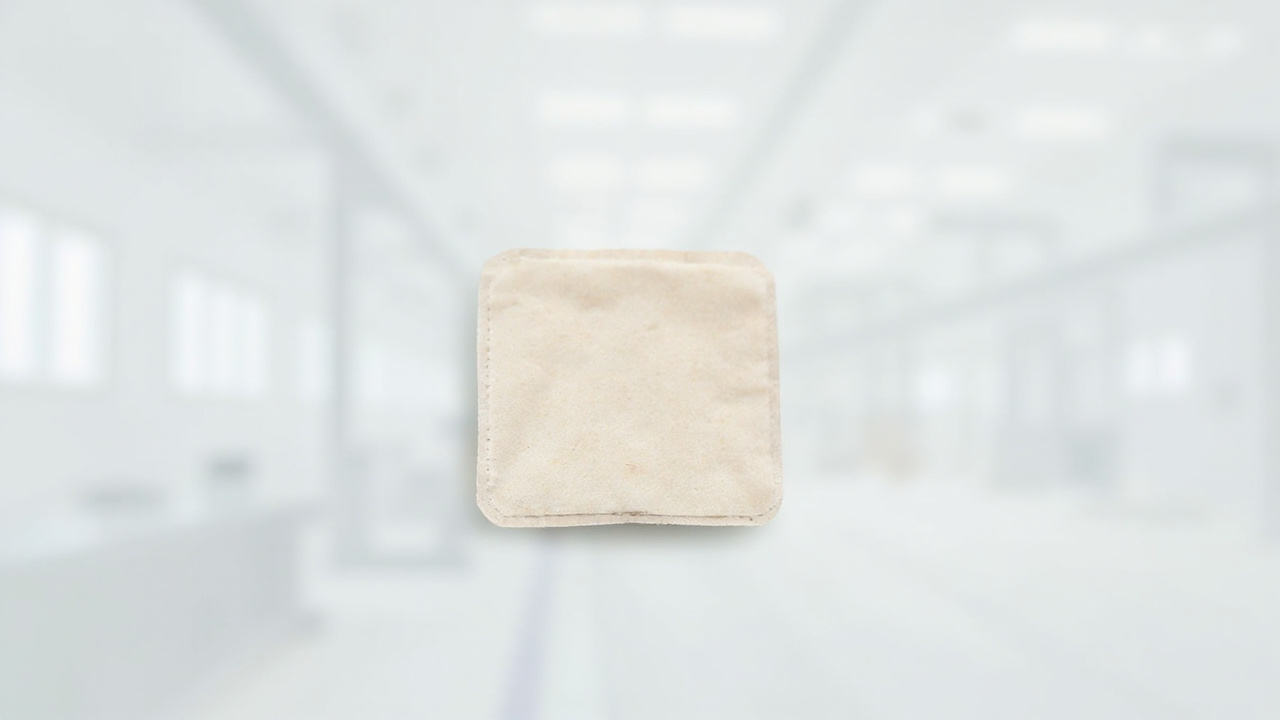
Shoulder and neck pain are among the most common musculoskeletal complaints worldwide, affecting millions of individuals and driving a growing demand for effective, non-invasive pain relief solutions. Transdermal pain patches have emerged as a preferred choice for both consumers and healthcare providers due to their targeted delivery, prolonged efficacy, and reduced systemic side effects compared to oral medications. For B2B buyers—ranging from pharmaceutical companies to wellness brands—understanding the application science behind these patches is crucial for developing products that stand out in a crowded market. This comprehensive guide explores the biomechanics of shoulder and neck pain, the science of transdermal drug delivery, and the OEM strategies that can help you create a competitive pain patch product.
Key Takeaways
- The Prevalence and Burden of Shoulder and Neck Pain
- Anatomy and Biomechanics of Shoulder and Neck Pain
- How Transdermal Patches Work: A Deep Dive
- Targeted Application: Where and How to Apply Patches
- OEM Considerations for Shoulder and Neck Pain Patches
- Regulatory Standards and Compliance
Key Takeaways
- Shoulder and neck pain affect up to 70% of adults at some point in their lives, creating a substantial market for targeted pain relief patches.
- Transdermal patches offer a steady, controlled release of active ingredients, minimizing peaks and troughs in drug levels and improving patient compliance.
- Proper application techniques—such as skin preparation, patch placement, and rotation—significantly impact efficacy and safety.
- OEM partners with certifications like FDA, ISO 13485, and GMP ensure product quality and regulatory compliance, essential for global market access.
- Customization options, including ingredient selection, patch size, and adhesive technology, allow brands to differentiate themselves in a competitive landscape.
- Staying abreast of market trends and regulatory changes is vital for successful product development and launch.
The Prevalence and Burden of Shoulder and Neck Pain
Shoulder and neck pain are not just individual discomforts; they represent a significant public health issue with profound economic implications. According to the Global Burden of Disease Study 2019, neck pain was the fourth leading cause of disability worldwide, with an age-standardized rate of 27.5 per 100,000. The prevalence is staggering: it is estimated that between 22% and 70% of the population will experience neck pain at some point in their lives, with an annual incidence in adults ranging from 10.4% to 21.3%. Similarly, shoulder pain affects approximately 18-26% of adults at any given time, with a lifetime prevalence as high as 67%.
The economic burden is equally compelling. In the United States alone, the direct and indirect costs associated with neck and shoulder pain are estimated to exceed $100 billion annually, encompassing healthcare visits, lost productivity, and disability claims. This has fueled a surge in demand for over-the-counter and prescription pain relief solutions that are effective, safe, and convenient. Transdermal patches, with their ability to deliver medication locally and systemically over extended periods, have become a cornerstone in the management of these conditions.
Furthermore, the global pain management market was valued at approximately $83.5 billion in 2022 and is projected to grow at a compound annual growth rate (CAGR) of 5.2% from 2023 to 2030, according to Grand View Research. Within this market, transdermal patches represent a rapidly expanding segment, driven by technological advancements and consumer preference for non-invasive delivery systems. For B2B buyers, this data underscores the immense opportunity in developing innovative shoulder and neck pain patches that meet the evolving needs of healthcare providers and patients.
Anatomy and Biomechanics of Shoulder and Neck Pain
To design an effective pain patch, it is essential to understand the underlying anatomy and biomechanics of shoulder and neck pain. The cervical spine consists of seven vertebrae (C1-C7) that support the head and facilitate movement. Between these vertebrae are intervertebral discs that act as shock absorbers, and surrounding muscles—such as the trapezius, levator scapulae, and sternocleidomastoid—provide stability and movement. The shoulder complex, comprising the glenohumeral joint, clavicle, scapula, and associated muscles, is one of the most mobile and unstable joints in the body, making it susceptible to injury and overuse.
Common causes of shoulder and neck pain include poor posture, repetitive strain, trauma, and degenerative conditions such as osteoarthritis and cervical spondylosis. Prolonged sitting, especially with forward head posture, places undue stress on the cervical spine and surrounding musculature, leading to muscle fatigue, trigger points, and referred pain. Similarly, activities that involve repetitive overhead motions, such as swimming or lifting, can lead to rotator cuff injuries and bursitis.
The pain experience is complex, involving both nociceptive (tissue damage) and neuropathic (nerve-related) components. In many cases, inflammation plays a central role, as damaged tissues release pro-inflammatory mediators like prostaglandins and cytokines, which sensitize nociceptors and perpetuate pain. Effective pain relief strategies must therefore address both the underlying inflammation and the neural transmission of pain signals. Transdermal patches can deliver a variety of active ingredients—ranging from NSAIDs like diclofenac to local anesthetics like lidocaine—to target these mechanisms directly at the site of pain.
How Transdermal Patches Work: A Deep Dive
Transdermal patches are sophisticated drug delivery systems that administer active pharmaceutical ingredients (APIs) through the skin and into the systemic circulation. The skin, while being an effective barrier, is also a viable route for drug absorption due to its extensive vasculature. The outermost layer, the stratum corneum, presents the primary barrier; however, certain molecules can penetrate it via passive diffusion. To enhance permeability, patches often incorporate chemical enhancers, such as alcohols or fatty acids, or utilize physical techniques like iontophoresis.
There are two primary types of transdermal patches: reservoir and matrix. Reservoir patches consist of a drug-containing liquid or gel separated from the skin by a rate-controlling membrane. In contrast, matrix patches have the drug dispersed within a polymer adhesive layer, which simplifies manufacturing and improves patient comfort. Matrix patches are more common in OTC products due to their thinner profile and ease of application.
The science behind pain patches specifically involves the delivery of analgesics and anti-inflammatory agents. For instance, lidocaine patches act by blocking sodium channels in the peripheral nerves, thereby preventing the propagation of pain signals. Capsaicin patches, on the other hand, deplete substance P from sensory nerve endings, reducing pain transmission. NSAID patches, such as diclofenac, inhibit cyclooxygenase enzymes, reducing local prostaglandin synthesis and inflammation.
One of the key advantages of transdermal delivery is the ability to maintain a steady drug concentration in the bloodstream over an extended period. This is particularly beneficial for chronic pain management, as it avoids the peaks and troughs associated with oral dosing, which can lead to breakthrough pain or adverse effects. Additionally, patches bypass the gastrointestinal tract and first-pass hepatic metabolism, improving bioavailability and reducing the risk of gastrointestinal irritation, a common side effect of oral NSAIDs.
Clinical studies have demonstrated the efficacy of pain patches. For example, a meta-analysis published in the *Journal of Pain Research* in 2019 found that topical NSAIDs, including patches, were significantly more effective than placebo in reducing pain from acute musculoskeletal conditions, with a number needed to treat (NNT) of 4.6. Moreover, a study in *Clinical Therapeutics* reported that lidocaine patches provided substantial pain relief in patients with post-herpetic neuralgia, with minimal systemic side effects. These findings reinforce the scientific foundation for using patches in shoulder and neck pain management.
Targeted Application: Where and How to Apply Patches
The efficacy of a shoulder or neck pain patch heavily depends on correct application. Unlike systemic oral medications, patches are designed to act locally, so placement is critical. The patch should be applied directly over the area of maximum pain, but it is equally important to ensure the skin is clean, dry, and free of any lotions or oils that could interfere with adhesion. Hair should be clipped, not shaved, to avoid skin irritation and ensure proper contact.
For neck pain, the patch is typically positioned at the base of the skull or over the cervical spine, depending on the location of discomfort. For shoulder pain, the patch is placed over the deltoid muscle or the specific trigger point. It is essential to avoid applying the patch to broken or irritated skin, as this can increase systemic absorption and risk of adverse effects. Rotation of application sites is recommended to prevent skin irritation from prolonged exposure to the adhesive or the active ingredient.
Another critical factor is the duration of application. Most OTC pain patches are designed to be worn for 8 to 12 hours, while some prescription patches may be worn for up to 24 hours. However, it is crucial to follow the manufacturer’s instructions, as prolonged use can lead to skin sensitization or overdose. Patients should also be advised to wash their hands after applying or removing a patch and to dispose of used patches properly, as residual medication can be harmful if accidentally ingested.
Furthermore, the physical properties of the patch itself, such as its size and flexibility, can influence its performance. A patch that is too small may not cover the entire painful area, while one that is too large may not adhere well to curved surfaces like the shoulder or neck. Thus, product design must consider the target anatomy. For instance, contoured patches that conform to the neck’s curvature may offer better contact and drug delivery. OEM manufacturers can provide guidance on patch dimensions and shapes to optimize therapeutic outcomes.
OEM Considerations for Shoulder and Neck Pain Patches
For B2B buyers, partnering with an experienced OEM manufacturer is essential to navigate the complexities of product development, regulatory compliance, and market entry. When evaluating OEM partners, several critical factors must be considered:
- Regulatory Certifications: Ensure the manufacturer holds relevant certifications such as FDA registration, ISO 13485 (Quality Management System for Medical Devices), and GMP compliance. These certifications demonstrate a commitment to quality and safety, and are prerequisites for selling in many markets.
- R&D Capabilities: A robust R&D team can assist in formulation development, stability testing, and analytical method validation. They should be able to offer a range of active ingredients and delivery technologies, as well as custom patch designs tailored to your brand’s needs.
- Manufacturing Capacity: Consider the manufacturer’s production scale, lead times, and ability to handle both pilot and commercial batches. This is particularly important if you anticipate rapid growth or seasonal demand fluctuations.
- Customization and Branding: Look for OEM partners that offer turnkey services, including custom patch size, shape, color, and packaging design. This allows you to create a unique product that resonates with your target audience.
- Quality Assurance: Inquire about their quality control processes, including raw material sourcing, in-process testing, and finished product release. A reputable OEM will have stringent measures to ensure batch-to-batch consistency.
- Post-Market Support: A good partner will provide ongoing regulatory support, such as assistance with product registrations in different countries and pharmacovigilance services.
Kongdy Health, with over three decades of expertise in transdermal patch manufacturing, exemplifies these qualities. Serving clients in 120+ countries, Kongdy Health is FDA-registered and holds ISO 13485 and GMP certifications, ensuring that every patch meets international quality standards. Their R&D team can develop custom formulations using a wide array of APIs, including NSAIDs, lidocaine, capsaicin, and natural extracts, to address specific pain types and consumer preferences.
In addition, Kongdy Health offers flexible OEM/ODM services that cover everything from concept to commercial production. Whether you require a discrete patch for neck pain or a larger, contoured design for shoulder application, their engineering team can optimize the patch’s physical characteristics for maximum comfort and adhesion. They also provide comprehensive regulatory assistance, helping you navigate the complex landscape of medical device and drug regulations in your target markets.
When developing your product, consider the following steps:
- Market Research: Identify your target demographic and their pain management needs. Analyze competitor products to find gaps in the market, such as patches with longer wear time, faster onset, or natural ingredients.
- Formulation Selection: Choose active ingredients based on scientific evidence and target condition. For example, diclofenac is ideal for inflammatory pain, while lidocaine is suited for neuropathic pain. Your OEM partner can help you decide on the appropriate concentration and release profile.
- Patch Design: Work with your OEM to determine the optimal patch size, shape, and adhesive type. Consider factors like skin adhesion, flexibility, and patient comfort, especially for areas like the neck and shoulder that undergo frequent movement.
- Prototype and Testing: Develop prototypes and conduct rigorous stability and skin irritation tests. Ensure that the patch meets all regulatory requirements for safety and efficacy.
- Regulatory Submission: Prepare and file necessary documentation for product approval in your target countries. Your OEM should provide technical dossiers and support for submissions to bodies like the FDA or CE.
- Scale-Up and Launch: Once approvals are obtained, scale up production and plan your marketing strategy. Work with your OEM to ensure a reliable supply chain and consistent quality.
By following these steps, you can bring a high-quality shoulder and neck pain patch to market that meets the needs of consumers and healthcare professionals alike.
Regulatory Standards and Compliance
Navigating the regulatory landscape is a daunting but necessary task for any medical product. In the United States, pain patches may be classified as either drugs or medical devices, depending on their primary mechanism of action. For example, a lidocaine patch that claims to relieve pain by numbing the skin is considered a drug, while a patch that uses physical means, such as a cooling effect, might be considered a device. This classification determines the regulatory pathway, with drugs requiring FDA approval through a New Drug Application (NDA) or Abbreviated New Drug Application (ANDA), while devices may require a 510(k) clearance or Premarket Approval (PMA).
In the European Union, patches are regulated under the Medical Device Regulation (MDR) or the Directive on Medicinal Products, depending on their classification. CE marking is mandatory for medical devices, indicating conformity with health, safety, and environmental protection standards. ISO 13485 is the international standard for quality management systems specific to medical devices, and certification is often a prerequisite for CE marking.
Good Manufacturing Practice (GMP) is another critical requirement. GMP ensures that products are consistently produced and controlled according to quality standards, minimizing risks of contamination or errors. The FDA enforces GMP regulations for both drugs and devices, and international markets often have similar requirements. For OEM manufacturers, adherence to GMP is non-negotiable, and buyers should verify that their partner’s facilities are regularly inspected and compliant.
Given these complexities, partnering with an OEM that has a deep understanding of global regulations is invaluable. Kongdy Health, for example, maintains compliance with FDA, ISO 13485, and GMP, and has a regulatory affairs team that can assist with product registration in over 120 countries. This expertise can significantly accelerate your time-to-market and reduce the risk of costly delays.
Frequently Asked Questions
Q1: Are shoulder and neck pain patches effective for chronic pain?
Yes, transdermal pain patches can be highly effective for chronic pain, particularly when used as part of a comprehensive pain management plan. They provide a steady release of medication over an extended period, which helps maintain consistent pain relief without the peaks and troughs associated with oral medications. For chronic conditions like osteoarthritis or cervical spondylosis, patches containing NSAIDs or local anesthetics have been shown to reduce pain and improve function. However, it is important to note that patches are not a cure; they are a symptomatic treatment. Patients with chronic pain should work with their healthcare provider to determine the underlying cause and develop a holistic treatment approach that may include physical therapy, exercise, and lifestyle modifications.
Q2: Can I wear a shoulder or neck pain patch while exercising or sleeping?
Most pain patches are designed to be worn during normal daily activities, including light exercise and sleep, provided they are applied correctly and adhere well. However, vigorous exercise that causes excessive sweating may loosen the patch, leading to reduced efficacy or skin irritation. It is recommended to avoid applying patches to areas that will be subject to friction or excessive movement. For sleeping, patches are generally safe to wear overnight, but you should ensure they are not applied to skin folds or areas where they might peel off. Always follow the manufacturer’s instructions regarding wear time and consult a healthcare professional if you have concerns about physical activity while wearing a patch.
Q3: What ingredients should I consider for a pain patch OEM product?
The choice of active ingredients depends on the target condition and desired effect. Common options for shoulder and neck pain include NSAIDs like diclofenac or ketoprofen, which reduce inflammation; local anesthetics like lidocaine, which numb the area; and counterirritants like menthol or capsaicin, which provide a cooling or heating sensation that can distract from pain. For natural product lines, ingredients such as arnica, camphor, and methyl salicylate are popular. Your OEM partner can help you select ingredients based on scientific evidence, regulatory status, and market trends. They can also develop custom blends that combine multiple mechanisms of action for enhanced efficacy. It is essential to ensure that any ingredient used is approved in your target markets and that the patch’s formulation is stable and effective.
Sources
- Grand View Research – Pain Management Market Size Report
- World Health Organization – Musculoskeletal Conditions
- FDA – Transdermal and Topical Delivery Systems Guidance
- ISO 13485:2016 – Medical devices – Quality management systems
If you are ready to develop a shoulder or neck pain patch that meets the highest standards of efficacy and quality, consider partnering with Kongdy Health. With decades of experience in transdermal patch OEM, we offer comprehensive services from formulation to global regulatory support. Contact our OEM/ODM team today to start your project.