
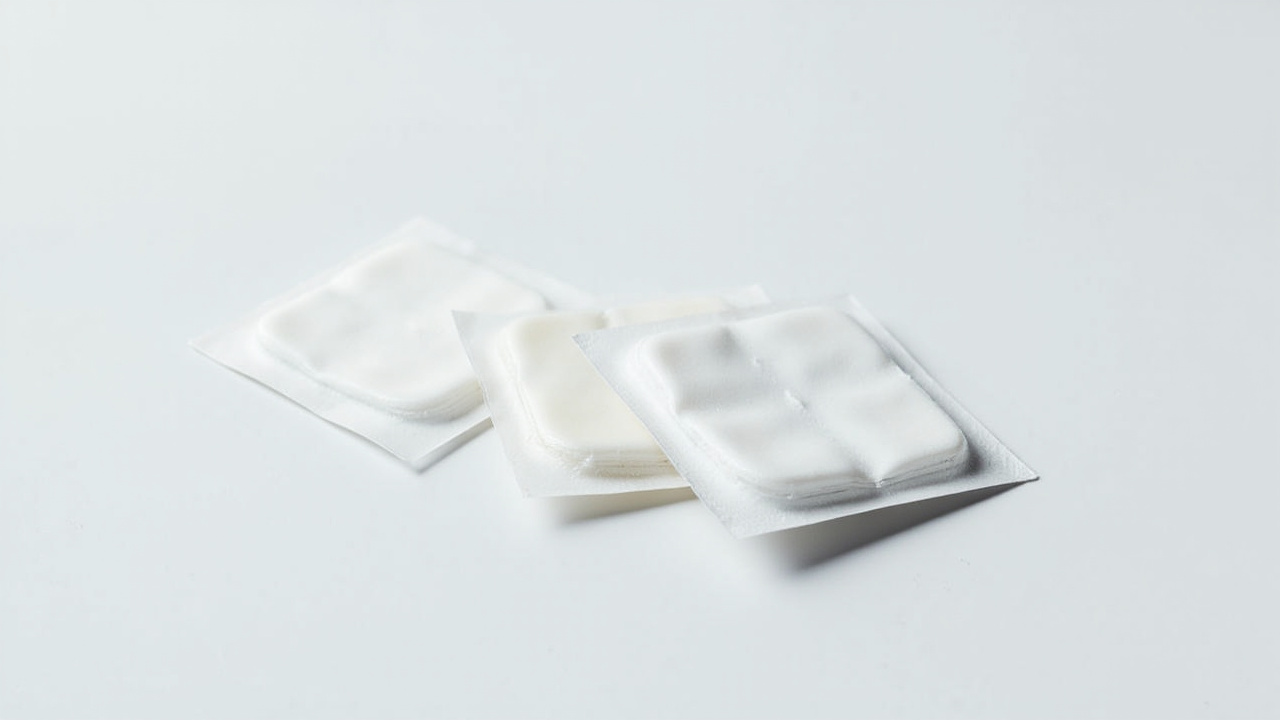
Launching a private label patch brand is an exciting venture, but it requires meticulous planning and execution. The transdermal patch market is projected to reach $12.6 billion by 2028 (Grand View Research, 2023), driven by demand for non-invasive drug delivery and wellness products. To help you navigate the complexities of OEM manufacturing, we’ve created the ultimate checklist for a successful private label patch launch. This guide covers every critical step—from concept to commercialization—ensuring you avoid common pitfalls and build a brand that stands out.
Key Takeaways
- 1. Define Your Product Concept and Market Niche
- 2. Conduct Feasibility Studies and Formulation Development
- 3. Secure Regulatory Approvals and Certifications
- 4. Design Packaging and Labeling for Compliance and Appeal
- 5. Plan Manufacturing Scale-Up and Quality Control
- 6. Develop a Marketing and Distribution Strategy
1. Define Your Product Concept and Market Niche
Before engaging with an OEM partner, you must have a clear product concept. Are you targeting pain relief, nicotine cessation, hormone therapy, or wellness patches (e.g., caffeine, vitamins)? Each category has distinct formulation requirements, regulatory pathways, and target audiences. According to a 2022 report by MarketsandMarkets, the pain relief patch segment alone accounted for over 35% of the global transdermal patch market, making it a competitive but lucrative space.
Your niche should be specific enough to differentiate your brand. For example, instead of a generic pain patch, consider an extended-release lidocaine patch for chronic back pain or a natural menthol patch for athletes. Conduct competitor analysis to identify gaps in the market—perhaps a patch with a unique delivery system or an eco-friendly backing material. Your product concept will drive every subsequent decision, so invest time in market research and consumer surveys.
2. Conduct Feasibility Studies and Formulation Development
Once your concept is defined, the next step is formulation development. This involves selecting active ingredients, determining dosage, and designing the patch’s layers (backing, adhesive, release liner). A reputable OEM like Kongdy Health will have R&D teams that can conduct feasibility studies to assess the viability of your idea. Key considerations include drug solubility, skin permeability, and stability. For instance, transdermal delivery works best for small, lipophilic molecules (molecular weight < 500 Da).
Formulation development typically takes 2–6 months and requires multiple iterations. Your OEM partner should provide prototypes for testing. According to FDA guidelines, you’ll need to demonstrate that the patch delivers the intended dose consistently over the wear period. This is where expertise matters—choose an OEM with proven experience in your product category. Kongdy Health, with over 30 years of experience, has developed hundreds of formulations across therapeutic areas, ensuring your product meets quality and efficacy standards.
3. Secure Regulatory Approvals and Certifications
Regulatory compliance is non-negotiable. Depending on your target market, you’ll need FDA approval (for the US), CE marking (for Europe), or other local registrations. The FDA classifies transdermal patches as drugs or devices; most therapeutic patches are considered drugs requiring NDA or ANDA approval. For wellness patches (e.g., vitamins), they may be classified as cosmetics or dietary supplements, with different regulatory requirements. In 2023, the FDA issued new guidance on quality considerations for transdermal patches, emphasizing adhesion and irritation testing.
Your OEM partner must hold relevant certifications: ISO 13485 (medical devices), GMP (Good Manufacturing Practices), and preferably FDA registration. Kongdy Health is ISO 13485 and GMP certified, and our facilities are FDA-registered, ensuring your product meets international standards. We also assist with regulatory documentation, including DMF (Drug Master File) submissions and stability data, accelerating your path to market.
4. Design Packaging and Labeling for Compliance and Appeal
Packaging serves dual purposes: protecting the product and attracting consumers. Transdermal patches require moisture-barrier packaging (e.g., foil pouches) to maintain stability. Your OEM can recommend materials that meet USP <671> for moisture permeation. Labeling must comply with FDA 21 CFR Part 201 (for drugs) or FTC guidelines (for supplements), including ingredient lists, usage instructions, and warnings. For private label brands, your logo and branding will be prominently displayed—ensure the design aligns with your brand identity.
Consider sustainability: a 2021 survey by Nielsen IQ found that 73% of global consumers would change their consumption habits to reduce environmental impact. Biodegradable or recyclable packaging can be a differentiator. Kongdy Health offers eco-friendly packaging options, such as compostable pouches and recycled cardboard, without compromising barrier properties. We also provide design support to ensure your packaging meets regulatory requirements while standing out on shelves.
5. Plan Manufacturing Scale-Up and Quality Control
Moving from prototype to mass production requires careful scale-up planning. Your OEM should have a robust quality management system (QMS) that includes in-process controls, batch testing, and stability studies. Key parameters include adhesive strength, drug content uniformity, and release profile. According to industry benchmarks, a typical scale-up involves three engineering batches followed by three validation batches, each requiring 2–4 weeks.
Quality control extends to raw materials: your OEM should source ingredients from qualified suppliers and perform identity testing. For example, active pharmaceutical ingredients (APIs) must meet USP/EP monographs. Kongdy Health’s QMS includes 100% inspection of incoming materials and real-time monitoring of production conditions (temperature, humidity, pressure). We also offer customized testing protocols, such as skin irritation and adhesion tests, to ensure your product meets your specifications.
6. Develop a Marketing and Distribution Strategy
With your product ready, you need a go-to-market plan. Private label brands often sell through e-commerce (Amazon, Shopify), pharmacies, or direct-to-consumer websites. SEO-optimized product listings with keywords like “private label patch” and “transdermal patch brand” will drive organic traffic. Consider influencer partnerships and educational content to build trust. A 2022 study by Statista showed that 54% of consumers research health products online before purchasing, so a strong digital presence is critical.
Distribution logistics matter: patches have specific storage requirements (e.g., 15–30°C) and expiration dates. Work with your OEM to ensure packaging includes appropriate storage instructions and shelf-life data (typically 24–36 months). Kongdy Health can provide drop-shipping services or coordinate with your logistics partner to streamline distribution. We also offer private labeling with your branding on the pouch and carton, making it easy to launch without inventory headaches.
7. Establish Post-Market Surveillance and Customer Support
After launch, monitor your product’s performance through customer feedback and adverse event reporting. For FDA-regulated patches, you must have a system for reporting serious adverse events within 15 days. Even for wellness patches, tracking complaints (e.g., skin irritation, poor adhesion) helps you improve the product. Set up a customer support team to handle inquiries and returns.
Your OEM partner should provide ongoing support, including batch release certificates and stability data updates. Kongdy Health offers a dedicated account manager and 24/7 technical support to address any issues. We also conduct periodic audits to ensure continued compliance. By maintaining a strong post-market surveillance system, you protect your brand reputation and build customer loyalty.
Frequently Asked Questions
Q1: How long does it take to launch a private label patch brand from concept to market?
Typically, the timeline ranges from 6 to 18 months, depending on the complexity of the formulation and regulatory requirements. Simple wellness patches (e.g., caffeine) may take 6–9 months, while drug patches requiring FDA approval can take 12–18 months. This includes formulation development (2–6 months), stability testing (3–6 months), regulatory submission (3–6 months), and scale-up (2–4 months). Partnering with an experienced OEM like Kongdy Health can shorten this timeline by leveraging existing formulations and regulatory expertise.
Q2: What certifications should my OEM partner have for a private label patch?
Your OEM should hold ISO 13485 (medical devices quality management), GMP (Good Manufacturing Practices), and FDA registration. For European markets, CE marking under the Medical Device Regulation (MDR) or Personal Protective Equipment (PPE) regulation may be required. Additionally, look for certifications like ISO 9001 (general quality management) and adherence to ICH Q7 (API manufacturing). Kongdy Health is ISO 13485 and GMP certified, with FDA-registered facilities, ensuring your product meets global standards.
Q3: Can I launch a private label patch brand with a small minimum order quantity (MOQ)?
Yes, many OEMs offer flexible MOQs, especially for standard formulations. Kongdy Health typically requires MOQs of 10,000–50,000 units per SKU for custom formulations, but we can accommodate smaller runs for initial market testing (e.g., 5,000 units) with limited customization. As your brand grows, we can scale production to meet demand. Discuss your volume needs early to find a partner that aligns with your budget and growth plans.
Ready to launch your private label patch brand? Partner with Kongdy Health, your trusted OEM/ODM manufacturer since 1989. With FDA/ISO 13485/GMP certifications, we offer end-to-end support from formulation to packaging. Contact us today to start your journey.