
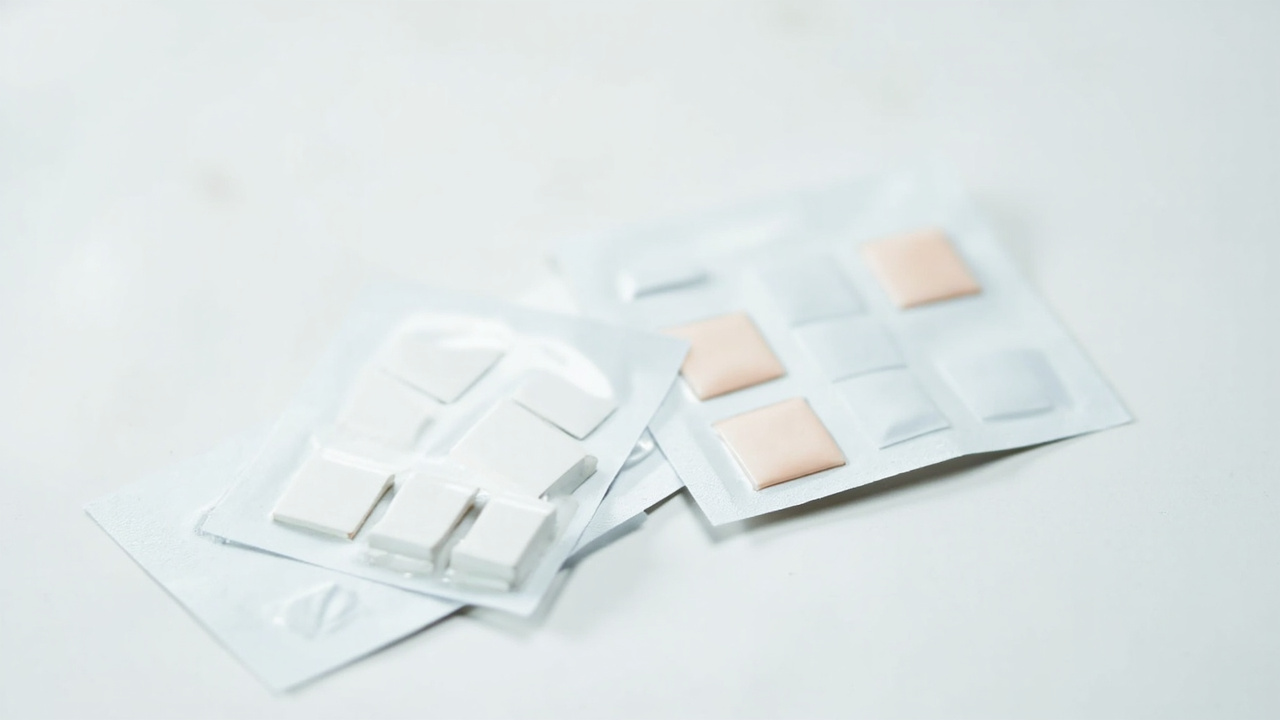
Designing a pediatric pain patch is not just about shrinking an adult product—it requires a fundamental rethinking of materials, adhesives, and safety profiles to meet the unique needs of children’s skin. As a B2B buyer or product developer, you know that kids’ skin is thinner, more permeable, and more sensitive than adults’, making gentle adhesive patches and precise sizing critical. In this comprehensive guide, we’ll explore the science behind pediatric patch design, from adhesive selection to regulatory compliance, and provide actionable insights for bringing a safe, effective kids pain patch to market.
Key Takeaways
- Why Pediatric Skin Requires Specialized Patch Design
- Key Design Considerations for Pediatric Pain Patches
- Regulatory Landscape for Pediatric Patches
- Market Trends and Statistics
- Choosing the Right OEM Partner for Pediatric Patches
- Step-by-Step Development Process for Pediatric Pain Patches
Key Takeaways
- Pediatric skin is up to 30% thinner than adult skin, requiring gentler adhesives and smaller patch sizes to minimize irritation and systemic exposure.
- Regulatory bodies like the FDA and EMA demand rigorous testing for pediatric medical devices, including skin sensitization and systemic toxicity studies.
- Market data shows the pediatric pain management sector growing at over 5% annually, driven by demand for non-invasive options.
- Choosing the right adhesive—such as silicone or hydrocolloid—is crucial to prevent skin damage and improve compliance.
- Partnering with an experienced OEM like Kongdy Health ensures your pediatric patch meets ISO 13485 and GMP standards from design to delivery.
Transitioning from adult to pediatric patch design involves a deep dive into dermatology, child physiology, and regulatory nuances. Let’s start by understanding why children’s skin demands special consideration.
Why Pediatric Skin Requires Specialized Patch Design
Children’s skin is not merely a smaller version of adult skin; it has distinct structural and functional differences. The stratum corneum, the outermost layer, is significantly thinner in infants and young children—up to 30% thinner than in adults (Source: Pediatric Dermatology, 2019). This reduced barrier function means that chemicals, including drug molecules and adhesive components, can penetrate more easily, increasing the risk of systemic absorption and local reactions. Additionally, children have a higher body surface area to weight ratio, which can amplify the effects of any absorbed substances.
Furthermore, children’s skin is more hydrated and has a higher pH, which can affect adhesive performance and drug permeation. The immune system is also still developing, making children more prone to allergic contact dermatitis from adhesives. These factors underscore the need for gentle adhesive patches that minimize skin irritation and avoid sensitization. A pediatric pain patch must therefore be designed with adhesives that are hypoallergenic, breathable, and easy to remove without causing trauma.
Beyond skin physiology, children’s activity levels and compliance issues come into play. Kids are more likely to move around, sweat, and pull at patches, so adhesion must be reliable yet removable. The patch size must be appropriate for small body areas, and the drug dose must be carefully calculated to avoid overdose. All these considerations make pediatric patch design a specialized field that demands rigorous testing and expert knowledge.
Key Design Considerations for Pediatric Pain Patches
When developing a pediatric pain patch, several critical design elements must be addressed to ensure safety, efficacy, and usability. First and foremost is the adhesive system. Traditional acrylic adhesives, common in adult patches, can be too aggressive for children’s skin, leading to irritation or pain upon removal. Gentler alternatives include silicone adhesives, which provide secure yet gentle fixation, and hydrocolloid adhesives, which are known for their skin-friendliness and ability to absorb moisture. These materials are less likely to cause allergic reactions and are more comfortable for long-term wear.
Patch size is another crucial factor. Children have smaller body surfaces, so patches must be sized appropriately to deliver the correct dose without overwhelming the skin. A smaller patch also reduces the risk of accidental ingestion or choking. Manufacturers often use body weight-based dosing to determine the appropriate patch size for different pediatric age groups. For example, a patch for a toddler might be half the size of an adult patch, with a proportionally reduced drug load.
Other considerations include the backing layer, which should be flexible and breathable to accommodate movement and prevent moisture buildup. The release liner must be easy to peel off, even for small hands, to encourage independence in older children. The drug formulation itself must be stable and compatible with the adhesive, and the patch should be designed for easy disposal. Finally, testing must include skin irritation and sensitization studies, often following ISO 10993 standards for biocompatibility.
- Adhesive selection: Use silicone or hydrocolloid adhesives for gentle removal and reduced irritation.
- Size optimization: Scale patch dimensions based on pediatric body weight and surface area.
- Backing material: Choose flexible, breathable films to enhance comfort and adhesion.
- Release liner: Design for easy peeling to improve user experience.
- Biocompatibility testing: Conduct ISO 10993 testing to ensure skin safety.
These design choices are not independent; they interact to affect overall performance. For instance, a gentle adhesive might require a larger contact area to maintain adhesion, which could conflict with size constraints. Therefore, a holistic approach is essential, and working with an experienced OEM partner can help navigate these trade-offs.
Regulatory Landscape for Pediatric Patches
Navigating the regulatory landscape for pediatric medical devices is complex and varies by region. In the United States, the FDA classifies transdermal patches as combination products, requiring both drug and device approvals. Pediatric patches often undergo additional scrutiny, with the FDA requesting pediatric study plans under the Pediatric Research Equity Act (PREA). The agency may require clinical trials in pediatric populations to demonstrate safety and efficacy, particularly for patches intended for chronic pain.
In Europe, the European Medicines Agency (EMA) has similar requirements, and products must comply with the Medical Device Regulation (MDR) and obtain CE marking. ISO 13485 certification is a baseline for quality management systems, and GMP compliance is mandatory for manufacturing. Additionally, biocompatibility testing per ISO 10993 is expected for all skin-contact devices. For pediatric products, regulators often demand extra data on skin irritation, sensitization, and systemic exposure, given children’s vulnerability.
Beyond these, companies must consider labeling requirements, including clear instructions for use, warnings about age restrictions, and proper disposal. Post-market surveillance is also critical to monitor adverse events in real-world use. Given the high stakes, partnering with an OEM that has extensive experience with pediatric products and a robust quality system can streamline the approval process. Kongdy Health, for example, has been certified to ISO 13485 and GMP since 1989 and has helped numerous clients navigate FDA and CE submissions for pediatric patches.
Market Trends and Statistics
The global pediatric pain management market is experiencing steady growth, driven by increasing awareness of non-invasive treatment options and a rising prevalence of chronic conditions in children. According to a 2022 report by Grand View Research, the pediatric pain management market size was valued at approximately $6.5 billion and is expected to grow at a compound annual growth rate (CAGR) of 5.8% from 2023 to 2030. This growth is fueled by technological advancements in drug delivery and a shift toward home healthcare.
Another key trend is the increasing demand for transdermal patches as an alternative to oral medications, particularly for children who have difficulty swallowing pills. A 2021 survey by the American Academy of Pediatrics found that 67% of parents prefer non-oral routes for pain relief in children when available. This preference is driving innovation in pediatric patch design, with companies investing in research to develop gentler adhesives and smaller sizes.
However, the market also faces challenges, such as stringent regulatory requirements and the need for extensive clinical testing. Despite these hurdles, the pediatric patch segment is expected to see significant innovation, with a focus on safety and compliance. Emerging markets in Asia-Pacific and Latin America present new opportunities, as healthcare infrastructure improves and awareness of advanced drug delivery systems grows.
Choosing the Right OEM Partner for Pediatric Patches
Selecting an OEM partner for pediatric pain patches is a strategic decision that impacts product quality, regulatory success, and time to market. The ideal partner should have a proven track record in transdermal technology, with specific experience in pediatric products. Look for certifications such as ISO 13485 and GMP, which indicate a robust quality management system. Additionally, the partner should offer end-to-end services, from formulation and prototyping to clinical supply and commercial manufacturing.
Kongdy Health, with over three decades of experience since 1989, specializes in OEM/ODM transdermal patches and serves clients in 120+ countries. Their expertise in gentle adhesive technologies and small-size patch manufacturing makes them a valuable partner for pediatric projects. They can assist with adhesive selection, design optimization, and regulatory documentation, ensuring your product meets FDA and CE requirements.
When evaluating potential partners, consider their R&D capabilities, quality control processes, and scalability. A partner with in-house testing facilities can accelerate development and reduce risks. Also, assess their supply chain resilience and ability to source pharmaceutical-grade materials. By choosing a partner like Kongdy Health, you can leverage their experience to navigate the complexities of pediatric patch development and bring a safe, effective product to market faster.
To learn more about Kongdy Health’s OEM/ODM services, visit https://www.kongdymed.com/oem-odm-services/.
Step-by-Step Development Process for Pediatric Pain Patches
Developing a pediatric pain patch follows a structured process that ensures safety, efficacy, and regulatory compliance. Below is a detailed step-by-step guide to help you plan your project.
- Market research and concept definition: Identify the target pediatric population, pain indication, and competitive landscape. Define product requirements including size, adhesive type, and drug delivery profile.
- Formulation and adhesive selection: Work with your OEM to select a drug formulation compatible with pediatric use and a gentle adhesive (e.g., silicone or hydrocolloid). Conduct preliminary compatibility studies.
- Prototype design and bench testing: Design patch prototypes with appropriate dimensions and backing materials. Perform in vitro testing for adhesion, release rate, and stability.
- Biocompatibility and safety testing: Conduct ISO 10993 testing for skin irritation and sensitization. If required, perform systemic toxicity studies.
- Clinical trials: Design and execute pediatric clinical trials to demonstrate safety and efficacy. Ensure compliance with FDA and EMA pediatric regulations.
- Regulatory submission: Prepare and submit regulatory dossiers (e.g., FDA 510(k) or NDA, CE marking technical file). Work with your OEM to compile necessary documentation.
- Scale-up and commercial manufacturing: Transfer the process to commercial-scale production under GMP. Implement quality control and stability programs.
- Post-market surveillance: Monitor adverse events and gather real-world data to support ongoing safety and performance.
Each step requires careful planning and collaboration between the sponsor and the OEM. By following this process, you can mitigate risks and ensure a successful product launch.
Frequently Asked Questions
Q1: What are the key differences between adult and pediatric pain patches?
Pediatric pain patches differ from adult patches primarily in size, adhesive gentleness, and drug dosage. Children’s skin is thinner and more sensitive, so adhesives must be hypoallergenic and easy to remove. Patch dimensions are scaled down to match smaller body surfaces, and drug doses are calculated based on body weight to avoid overdose. Additionally, pediatric patches often require more extensive biocompatibility testing and regulatory scrutiny to ensure safety for vulnerable populations.
Q2: How do I ensure my pediatric patch complies with FDA regulations?
Compliance with FDA regulations for pediatric patches involves several steps. First, determine whether your product is classified as a drug, device, or combination product, as this affects the approval pathway. You’ll likely need to conduct pediatric clinical trials under a Pediatric Study Plan (PSP) and submit a New Drug Application (NDA) or 510(k) premarket notification. Working with an ISO 13485-certified OEM like Kongdy Health can help you prepare the necessary documentation, including biocompatibility and stability data, to support your submission. Early engagement with the FDA through pre-submission meetings is also recommended.
Q3: What adhesive technologies are best for kids pain patches?
The best adhesives for pediatric pain patches are those that balance secure adhesion with gentle removal. Silicone adhesives are widely used because they provide reliable fixation yet peel off easily without damaging sensitive skin. Hydrocolloid adhesives are another excellent choice, as they are skin-friendly and can absorb moisture, reducing irritation. Avoid aggressive acrylic adhesives, which can cause trauma upon removal. Your OEM partner can help you select and test the most appropriate adhesive for your specific formulation and patient population.
Sources
- Grand View Research – Pediatric Pain Management Market Report
- FDA – Pediatric Study Plans
- ISO 13485:2016 – Medical Devices Quality Management
- WHO – Children: Reducing Mortality
2 thoughts on “Pediatric Pain Patch Design: Smaller Sizes, Gentler Adhesives”
Comments are closed.