
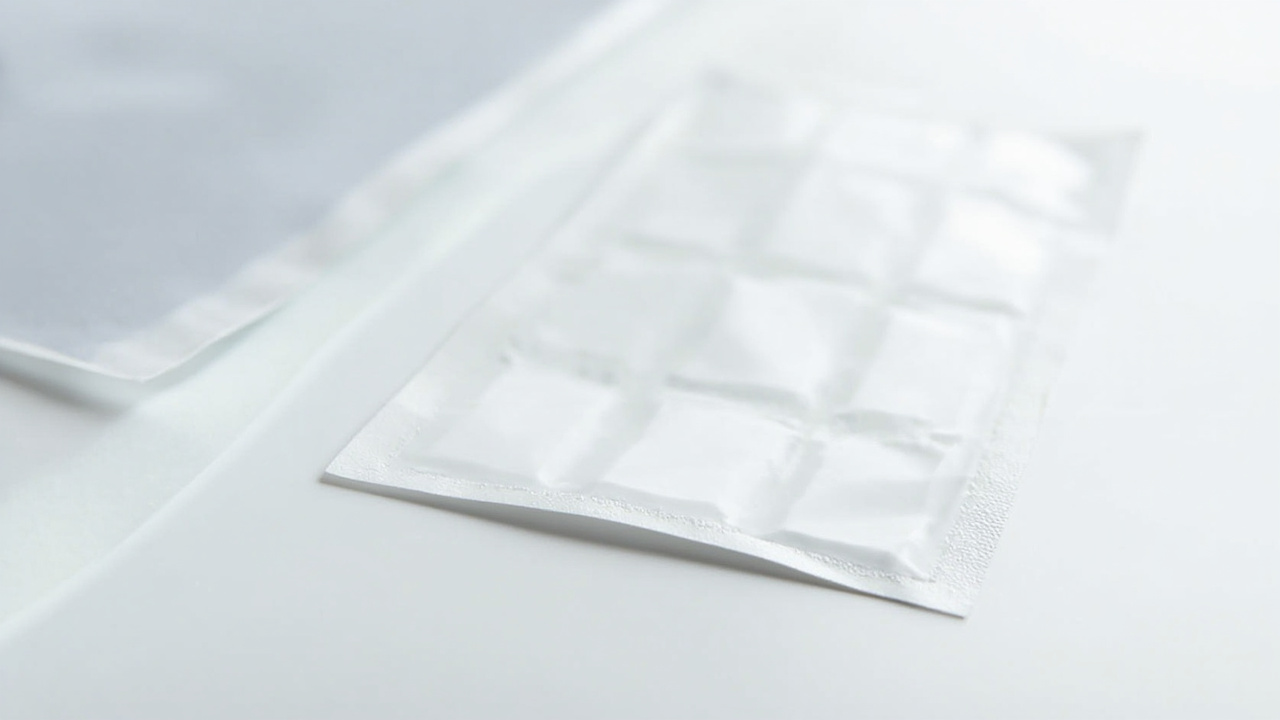
The global menopause market is experiencing a seismic shift. As the baby boomer generation fully enters menopause and Generation X follows closely behind, the demand for effective, non-hormonal symptom relief is skyrocketing. For B2B brands and private label entrepreneurs, this represents a significant opportunity to enter a growing wellness niche. Central to this opportunity is the menopause patch OEM model, which allows brands to launch their own line of hormone-free wellness patches without the overhead of in-house manufacturing. This comprehensive guide will explore the market dynamics, the science behind these patches, and the strategic steps to launch a successful private label product.
Key Takeaways
- Market Opportunity: The Rise of Menopause Wellness
- The Science Behind Menopause Support Patches
- OEM vs. Private Label: Choosing the Right Partnership Model
- Formulation Strategies and Ingredient Efficacy
- Regulatory Landscape and Compliance for Menopause Patches
- Marketing Your Menopause Patch Brand
Key Takeaways
- The menopause wellness market is projected to reach $24.4 billion by 2030, with a CAGR of 5.8% (Grand View Research, 2023).
- Hormone-free patches offer a lower-risk alternative to HRT, appealing to the 70% of women who experience hot flashes.
- OEM/ODM partnerships provide a fast-track to market with access to cGMP facilities and regulatory expertise.
- Successful product differentiation hinges on ingredient selection, delivery technology, and evidence-based claims.
- Compliance with FDA, ISO 13485, and GMP standards is non-negotiable for market credibility.
- Strategic marketing and consumer education can drive brand loyalty in this high-demand niche.
Market Opportunity: The Rise of Menopause Wellness
The conversation around menopause has evolved from a whispered taboo to a prominent public health topic. This cultural shift, amplified by social media and celebrity advocacy, has brought the needs of menopausal women to the forefront. According to a 2023 report by Grand View Research, the global menopause market size was estimated at $16.5 billion in 2022 and is expected to expand at a compound annual growth rate (CAGR) of 5.8% from 2023 to 2030. This growth is driven by an aging female population, increased awareness, and a desire for more natural, self-managed solutions.
Within this broader market, the segment for non-hormonal supplements and topical solutions is particularly vibrant. Many women are hesitant to use hormone replacement therapy (HRT) due to historical concerns about risks like breast cancer and cardiovascular issues. This has fueled a demand for hormone-free alternatives, including oral supplements, creams, and notably, transdermal patches. These patches offer a convenient, discreet, and continuous delivery of active ingredients, making them an appealing option for managing symptoms like hot flashes, night sweats, and mood swings.
For brands, this is more than a product opportunity; it’s a chance to build a business around a deeply empathetic consumer need. By partnering with an experienced menopause patch OEM, companies can enter this market with a high-quality product that aligns with consumer values of safety, efficacy, and convenience.
Why Hormone-Free Patches? Consumer Preferences and Safety
The preference for hormone-free options is not anecdotal; it’s a documented trend. A survey conducted by the Menopause Society in 2022 found that over 70% of women experiencing vasomotor symptoms (hot flashes and night sweats) are interested in non-hormonal therapies. This is partly due to the perceived risks of HRT and partly because many women prefer a more ‘natural’ approach to health management. Hormone-free patches, which typically contain botanicals, vitamins, and amino acids, bridge this gap by offering a non-prescription, over-the-counter solution.
From a safety and regulatory perspective, hormone-free patches also present a lower barrier to entry. Unlike HRT products, which require extensive clinical trials and prescription status, dietary supplement patches fall under broader regulations. In the US, they are regulated as cosmetics or dietary supplements, depending on claims, which allows for a faster path to market. However, this does not mean they are exempt from quality standards. On the contrary, reputable OEM manufacturers adhere to strict cGMP guidelines and hold certifications like ISO 13485 to ensure product safety and consistency.
Moreover, the transdermal delivery system itself offers advantages over oral supplements. It bypasses the digestive system, allowing for better absorption of certain compounds and reducing the risk of gastrointestinal side effects. It also provides a steady release of ingredients over a 24-hour period, which can be more effective for managing symptoms that fluctuate throughout the day. For brands, this translates into a compelling value proposition: a safe, effective, and user-friendly product that meets a critical consumer need.
The Science Behind Menopause Support Patches
To succeed in the menopause patch OEM space, it’s essential to understand the science that makes these patches work. Most hormone-free patches utilize a matrix or reservoir system to deliver active ingredients through the skin and into the bloodstream. The active ingredients are typically a blend of herbs and nutrients known for their potential to alleviate menopausal symptoms. Common ingredients include:
- Black Cohosh: A traditional herb used for hot flashes and mood disturbances.
- Soy Isoflavones: Phytoestrogens that may mimic estrogen’s effects in the body.
- Vitamin B6: Supports neurotransmitter function, potentially aiding mood and sleep.
- Magnesium: Known for its calming effects and role in sleep regulation.
- L-Theanine: An amino acid that promotes relaxation without drowsiness.
The efficacy of these patches is a subject of ongoing research. While some studies show positive results, others are inconclusive. However, consumer demand is high, and many women report significant symptom relief. For OEM brands, the focus should be on formulating with evidence-based ingredients at appropriate dosages and ensuring the patch’s delivery system is optimized for bioavailability. A good OEM partner will have a team of formulators who can create a proprietary blend that is both safe and effective, and who can provide the necessary documentation to support any marketing claims.
It is also important to note that the FDA does not evaluate dietary supplement claims. Therefore, brands must be careful not to make unsubstantiated claims about diagnosing, treating, or curing menopausal conditions. Instead, they should focus on general wellness benefits, such as ‘supports a healthy sleep cycle’ or ‘promotes emotional balance.’ A knowledgeable OEM partner can guide brands on compliant labeling and marketing language.
OEM vs. Private Label: Choosing the Right Partnership Model
When entering the menopause patch market, brands have two primary manufacturing options: OEM (Original Equipment Manufacturer) and private label. In a private label arrangement, a manufacturer produces a pre-existing formula that the brand then markets under its own name. This is a quick and cost-effective way to test the market, but the product is not unique. In contrast, OEM (or ODM, Original Design Manufacturer) allows for a fully customized product, from the formulation to the packaging, creating a unique brand identity.
For many brands, OEM is the preferred route because it allows for differentiation in a crowded market. With OEM, you can develop a proprietary blend that targets a specific symptom, such as night sweats or sleep disturbances, and design packaging that resonates with your target audience. This level of customization builds brand equity and customer loyalty. Additionally, OEM partners like Kongdy Health offer comprehensive services, including research and development, stability testing, and regulatory support, which can be invaluable for new entrants.
When choosing an OEM partner, there are several critical factors to consider. First, look for a manufacturer with a proven track record in transdermal patch technology. Kongdy Health, with over 30 years of experience and exports to 120+ countries, demonstrates this expertise. Second, ensure they have the necessary certifications: ISO 13485 (quality management for medical devices), GMP (Good Manufacturing Practices), and, if applicable, FDA registration. These certifications are not just badges; they are a guarantee of quality and safety. Third, consider their R&D capabilities. Can they help you develop a novel formulation? Do they have access to high-quality raw materials? Finally, assess their communication and support. A good partner will be transparent, responsive, and willing to guide you through the process.
Formulation Strategies and Ingredient Efficacy
The formulation is the heart of any menopause support patch. A well-designed formula should address the most common and bothersome symptoms of menopause: hot flashes, night sweats, mood swings, and sleep disturbances. While there is no one-size-fits-all solution, most successful patches combine multiple ingredients that work synergistically. For example, a patch might contain black cohosh and soy isoflavones for hot flash relief, along with magnesium and L-theanine to promote relaxation and sleep.
Dosage is critical. The amount of active ingredient in a patch, and the rate at which it is released, will determine its effectiveness. A patch that delivers too little may be ineffective, while one that delivers too much could cause side effects. This is where the expertise of an OEM manufacturer becomes crucial. They can conduct stability studies to ensure that the ingredients remain potent over time and that the patch maintains its release profile. They can also provide data on skin permeation rates, which is essential for ensuring that the ingredients are actually absorbed.
Another consideration is the patch’s physical properties. It should be thin, comfortable, and discreet so that it can be worn unnoticed under clothing. It should also be adhesive enough to stay in place for 24 hours, but not so adhesive that it irritates the skin. These are all factors that a reputable OEM will have already optimized in their existing patch platforms. By leveraging their technology, brands can avoid the pitfalls of poor patch design and focus on marketing their product.
Regulatory Landscape and Compliance for Menopause Patches
Navigating the regulatory landscape is a critical step in bringing a menopause patch to market. In the United States, the FDA classifies transdermal patches based on their intended use. If a patch is intended to affect the structure or function of the body, it may be regulated as a drug. However, patches that contain only dietary ingredients and are marketed as dietary supplements are subject to a different set of regulations. These patches must comply with FDA’s cGMP regulations for dietary supplements (21 CFR 111), but they do not require pre-market approval. It is essential to work with an OEM that understands these distinctions and can help you label your product correctly to avoid regulatory pitfalls.
For international markets, the requirements may vary. In the European Union, patches are regulated under the Medical Devices Regulation (MDR) if they are classified as medical devices, or under the General Product Safety Directive if they are considered cosmetics. The CE mark is required for medical devices. In other regions, such as Asia and South America, there are their own regulatory bodies and standards. A global OEM like Kongdy Health, with experience in over 120 countries, can provide invaluable guidance on how to meet the requirements of your target markets.
Beyond regulatory compliance, there is the issue of quality assurance. ISO 13485 is an international standard for quality management systems in the medical device industry, and it is often a prerequisite for doing business with distributors and retailers. GMP certification ensures that products are consistently produced and controlled according to quality standards. These certifications demonstrate a commitment to excellence and can be a strong marketing point for your brand. When evaluating an OEM partner, always ask for their certifications and audit history.
Marketing Your Menopause Patch Brand
Once your product is developed, the next challenge is marketing it effectively. The menopause wellness market is highly competitive, but it is also underserved in terms of authentic, educational content. To stand out, brands need to build trust with their audience. This involves creating content that addresses the real concerns of menopausal women, providing evidence-based information, and positioning your product as a reliable solution.
One effective strategy is to leverage social media and influencer partnerships. Many women turn to platforms like Instagram and TikTok for health advice, and influencers who specialize in women’s health can be powerful advocates for your brand. However, it is crucial to ensure that any claims made by influencers are compliant with FTC guidelines. Your OEM partner can provide you with a list of approved claims that can be used in marketing materials.
Another key aspect is the packaging and branding. The design should reflect the calming, natural essence of the product. Soft colors, botanical imagery, and clear messaging about the benefits can help your product stand out on the shelf or online. Also, consider offering educational inserts or a QR code that leads to a website with detailed information about the ingredients and usage. This not only adds value but also builds credibility.
Finally, consider the distribution channels. Online sales through your own e-commerce site or platforms like Amazon are ideal for reaching a global audience. However, brick-and-mortar retail, especially in pharmacies and health food stores, can also be lucrative. Having a physical presence can increase visibility and trust. Your OEM partner may have insights into which channels are most effective for this product category.
Future Trends in Menopause Support Patches
The field of menopause support is evolving rapidly, and innovative trends are emerging. One trend is the integration of smart technology into patches. For example, some companies are developing patches that can track physiological data and sync with a mobile app to provide personalized insights. While this is still in its infancy, it represents a future direction for the industry.
Another trend is the use of more advanced delivery systems, such as microneedle patches, which can enhance the absorption of larger molecules. These patches use tiny, dissolvable needles that painlessly penetrate the skin’s outer layer, delivering ingredients more efficiently. This technology could open the door to a wider range of active ingredients, including peptides and proteins.
In terms of ingredients, there is growing interest in adaptogens like ashwagandha and rhodiola, which help the body manage stress. As the relationship between stress and menopausal symptoms becomes better understood, these ingredients are likely to become more prominent in formulations. Additionally, there is a focus on personalized medicine, where patches are tailored to an individual’s genetic makeup and symptom profile. While this is a long-term goal, it highlights the potential for highly customized products.
For brands, staying ahead of these trends requires a forward-thinking OEM partner. Kongdy Health invests heavily in R&D to stay at the forefront of transdermal technology. By partnering with an innovative manufacturer, you can ensure that your product remains relevant in a rapidly changing market.
Frequently Asked Questions
Q1: Are hormone-free patches effective for all menopausal symptoms?
Hormone-free patches are primarily designed to address common symptoms like hot flashes, night sweats, and sleep disturbances. Their effectiveness can vary from person to person, and they may not work for everyone. Some women find significant relief, while others may require a different approach. It is important to set realistic expectations and communicate that these patches are a supportive wellness tool, not a medical treatment. For severe symptoms, women should consult a healthcare provider. As an OEM brand, you can differentiate your product by focusing on a specific symptom and using ingredients that are most associated with relief for that symptom.
Q2: What is the typical timeline to launch a private label menopause patch?
The timeline can vary depending on the complexity of the formulation and the regulatory requirements of your target market. Generally, with an experienced OEM partner, you can expect the process to take 6-8 weeks for standard products. This includes formulation development, stability testing, packaging design, and manufacturing. If you choose a private label option with an existing formula, the timeline can be shorter, potentially 1 to 2 months. Kongdy Health offers both options, and our team can provide a more precise timeline based on your specific needs.
Q3: What certifications should I look for in an OEM manufacturer?
At a minimum, you should look for ISO 13485, which indicates a quality management system for medical devices, and GMP certification, which ensures good manufacturing practices. If you plan to sell in the US, the manufacturer should be FDA-registered. For European markets, look for CE marking. These certifications are not just formalities; they demonstrate that the manufacturer adheres to strict quality and safety standards. Kongdy Health is proud to hold all these certifications, ensuring that your product is manufactured to the highest international standards.
Sources
- Grand View Research – Menopause Market Size Report
- FDA – Dietary Supplement Guidance Documents
- ISO 13485 – Medical Devices Quality Management
- WHO – Menopause Fact Sheet
Ready to launch your own menopause support patch brand? Partner with Kongdy Health, a trusted OEM/ODM manufacturer with over 30 years of experience. We offer turnkey solutions from formulation to packaging, ensuring your product meets the highest standards. Contact us today to start your project.