
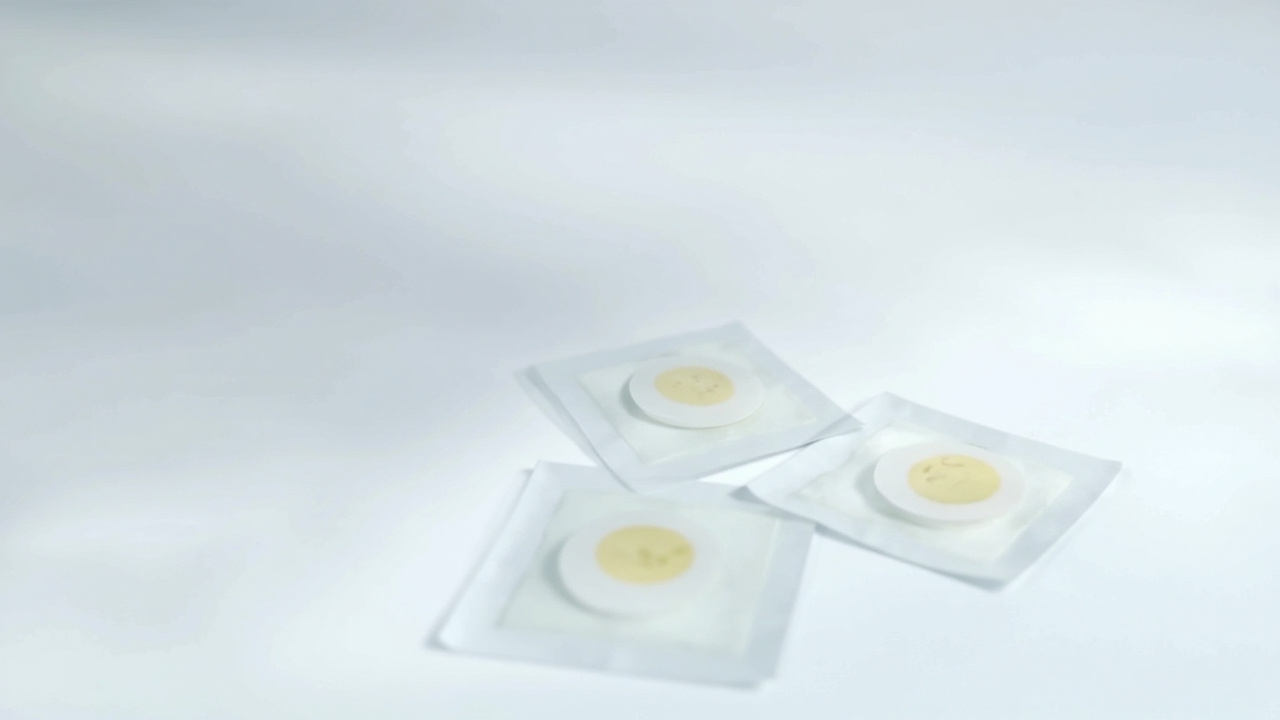
As the global population of women entering menopause continues to rise, the demand for effective, convenient hormone support solutions has never been greater. For B2B buyers and brand owners, this represents a significant opportunity: the menopause patch OEM category is emerging as a high-growth segment within the broader women wellness patch market. With over three decades of experience in transdermal patch manufacturing, Kongdy Health has witnessed firsthand the evolution of this space. This guide explores the clinical, regulatory, and market dynamics driving the menopause patch OEM boom, and how you can capitalize on it.
Key Takeaways
- Understanding the Menopause Patch Market
- Why Transdermal Patches for Menopause?
- The Rise of the Menopause Patch OEM Category
- Key Considerations for B2B Buyers
- How to Launch a Menopause Patch Line: A Step-by-Step Guide
- Regulatory Landscape and Compliance
Key Takeaways
- The menopause patch market is projected to grow at a CAGR of 6.5% from 2023 to 2030, driven by aging demographics and increasing acceptance of hormone therapy.
- OEM/ODM partnerships enable brands to enter the market quickly with customized formulations, delivery profiles, and regulatory support.
- Regulatory compliance (FDA, ISO 13485, GMP, CE) is non-negotiable for market access and consumer trust.
- Innovation in adhesive technologies and drug delivery systems is enhancing patch efficacy and patient compliance.
- Kongdy Health offers end-to-end OEM services, from R&D to packaging, with a proven track record in 120+ countries.
Understanding the Menopause Patch Market
Menopause is a universal life stage, but its management has evolved dramatically. According to the North American Menopause Society (NAMS), approximately 1.3 million women in the United States enter menopause each year, and by 2025, the number of postmenopausal women globally is expected to exceed 1.1 billion (World Health Organization, 2021). This demographic shift is fueling demand for hormone replacement therapy (HRT) and alternative treatments.
Transdermal patches have emerged as a preferred delivery method for hormone therapy due to their steady release, bypass of first-pass metabolism, and improved safety profile compared to oral alternatives. The global menopause treatment market was valued at $15.6 billion in 2022 and is expected to reach $24.4 billion by 2030, growing at a CAGR of 5.8% (Grand View Research, 2023). Within this, transdermal patches represent one of the fastest-growing segments.
For B2B buyers, this translates into a ripe opportunity to launch or expand a menopause patch line. However, success requires a partner with deep expertise in formulation, manufacturing, and regulatory affairs. That’s where OEM/ODM services come into play.
Why Transdermal Patches for Menopause?
Transdermal patches offer distinct advantages for hormone delivery. They provide continuous, controlled release of hormones such as estradiol and progesterone, maintaining stable plasma levels and reducing side effects like mood swings and hot flashes. Unlike oral pills, patches avoid hepatic first-pass metabolism, which can lead to lower effective doses and reduced risk of liver toxicity.
Moreover, patches improve patient adherence. A study published in Menopause journal (2020) found that women using transdermal patches had a 23% higher adherence rate compared to oral tablets over a 12-month period. This is critical because consistent hormone levels are key to symptom management.
From a manufacturing standpoint, patches are also versatile. They can be designed for varied release rates, sizes, and wear times (e.g., twice-weekly or weekly). This flexibility allows brands to differentiate in a crowded market.
The Rise of the Menopause Patch OEM Category
The menopause patch OEM category is still nascent but growing rapidly. Traditionally, big pharma dominated the HRT patch space with brands like Vivelle-Dot and Climara. However, the patent cliff and the rise of personalized medicine have opened doors for smaller brands and private labels.
According to a 2023 report by MarketsandMarkets, the global transdermal patch market is expected to reach $8.7 billion by 2027, with women’s health applications accounting for a significant share. The menopause segment alone is projected to grow at a CAGR of 6.5% from 2023 to 2030. This growth is driven by increasing awareness, expanding healthcare access, and the demand for natural and bioidentical hormone options.
OEM manufacturers like Kongdy Health enable brands to enter this market without investing in costly infrastructure. By leveraging our 34 years of experience and FDA-registered, ISO 13485-certified facilities, clients can bring products to market in as little as 6-9 months.
Key Considerations for B2B Buyers
When selecting a menopause patch OEM partner, several factors determine success. Below is a detailed bullet-point list of critical considerations:
- Regulatory Expertise: Ensure the manufacturer has experience with FDA, CE, and other relevant approvals. Hormone patches are regulated as prescription or OTC drugs in many countries, requiring rigorous documentation.
- Formulation Capabilities: The partner should offer both standard and custom formulations, including bioidentical hormones, plant-based alternatives, and combination therapies.
- Adhesive Technology: Patches must adhere well for 3-7 days without irritation. Advanced adhesives like silicone or acrylate are preferred for sensitive skin.
- Scalability: Can the manufacturer handle small pilot batches and scale to millions of units? Look for automated production lines and robust quality control.
- Packaging and Design: Custom packaging, child-resistant features, and branding options enhance market appeal.
- Cost Efficiency: Competitive pricing without compromising quality. OEM eliminates the need for in-house R&D and manufacturing overhead.
- Time to Market: A streamlined process from concept to delivery is crucial. Ask for timelines and references.
- Quality Certifications: ISO 13485, GMP, and FDA registration are baseline. Additional certifications like CE for Europe are a plus.
Each of these factors should be evaluated through audits, sample testing, and reference checks. A reliable OEM partner will be transparent and collaborative.
How to Launch a Menopause Patch Line: A Step-by-Step Guide
Launching a menopause patch product involves a systematic approach. Here is a numbered list outlining the key steps:
- Market Research and Concept Development: Identify your target demographic, competitors, and unique selling proposition. Consider factors like hormone type, dosage, and wear time.
- Partner Selection: Vet potential OEM manufacturers. Evaluate their certifications, experience, and capacity. Request samples and visit facilities if possible.
- Formulation and Prototyping: Work with the OEM’s R&D team to develop a prototype. Test for release profile, adhesion, and stability.
- Regulatory Strategy: Determine the regulatory pathway in your target markets. The OEM should provide documentation support for FDA, CE, or other submissions.
- Clinical and Stability Testing: Conduct necessary studies to ensure safety and efficacy. Stability testing under various conditions is essential for shelf-life claims.
- Packaging and Branding: Design packaging that complies with regulations and appeals to consumers. Include clear instructions and warnings.
- Production Scale-Up: Once prototypes are approved, move to commercial production. Ensure quality control at every stage.
- Launch and Marketing: Execute a go-to-market strategy. Leverage the OEM’s certifications in your marketing to build trust.
This process typically takes 6-12 months, depending on complexity and regulatory requirements. A seasoned OEM partner can significantly shorten timelines.
Regulatory Landscape and Compliance
Hormone support patches are subject to stringent regulations. In the United States, the FDA classifies them as prescription drugs if they contain hormones like estradiol. For OTC options, such as patches with herbal ingredients, the pathway may be different but still requires compliance with FDA’s Current Good Manufacturing Practices (cGMP).
In Europe, a CE mark is required for medical devices, but if the patch delivers a drug, it falls under the Medicinal Products Directive. ISO 13485 certification demonstrates a quality management system for medical devices, which is often a prerequisite for market entry. Additionally, GMP compliance ensures consistent product quality.
Kongdy Health holds FDA registration, ISO 13485, and GMP certifications, and we assist clients in navigating these regulatory hurdles. We provide full documentation, including Drug Master Files (DMFs) and technical files, to support submissions.
Market Trends and Future Outlook
The menopause patch market is evolving with several key trends. First, there’s a growing demand for bioidentical hormones, which are structurally identical to those produced by the body. Second, personalized medicine is gaining traction, with patches tailored to individual hormone profiles. Third, technology integration, such as smart patches with sensors, is on the horizon.
According to a 2023 report by Frost & Sullivan, the global women’s health market is expected to reach $50 billion by 2025, with menopause management being a significant contributor. The shift towards non-invasive, convenient solutions is driving patch adoption.
For B2B buyers, staying ahead of these trends is crucial. Partnering with an innovative OEM like Kongdy Health ensures access to the latest technologies and formulations.
Frequently Asked Questions
Q1: What is the typical minimum order quantity (MOQ) for menopause patch OEM?
MOQs vary by manufacturer and formulation. For custom patches, MOQs often range from 50,000 to 100,000 units to justify production setup. However, some OEMs offer lower MOQs for pilot runs. Kongdy Health works with clients to determine feasible MOQs based on their market entry strategy, balancing cost efficiency with inventory risk.
Q2: How long does it take to develop and launch a menopause patch?
The timeline depends on factors like formulation complexity and regulatory pathway. Generally, it takes 6-9 months for development and initial production, plus additional time for regulatory approvals if required. With an experienced OEM partner providing turnkey services, the process can be streamlined. Kongdy Health’s integrated approach often reduces time to market by 30% compared to building in-house capabilities.
Q3: Are there plant-based or natural options for menopause patches?
Yes, there is growing interest in natural alternatives. Patches can be formulated with herbal extracts like black cohosh, red clover, or soy isoflavones. These are often marketed as dietary supplements or cosmetics, depending on claims and regulations. However, they still require rigorous testing for safety and efficacy. Kongdy Health offers both hormone-based and natural formulations, ensuring compliance with local regulations.
Sources
- Grand View Research – Menopause Treatment Market Report
- MarketsandMarkets – Transdermal Patch Market
- FDA – Menopause Hormone Therapy Information
- ISO – ISO 13485 Medical Devices
Ready to launch your menopause patch line? Partner with Kongdy Health, a trusted OEM with 34 years of experience and certifications including FDA, ISO 13485, and GMP. Visit our OEM/ODM services page to learn how we can bring your product to life.