
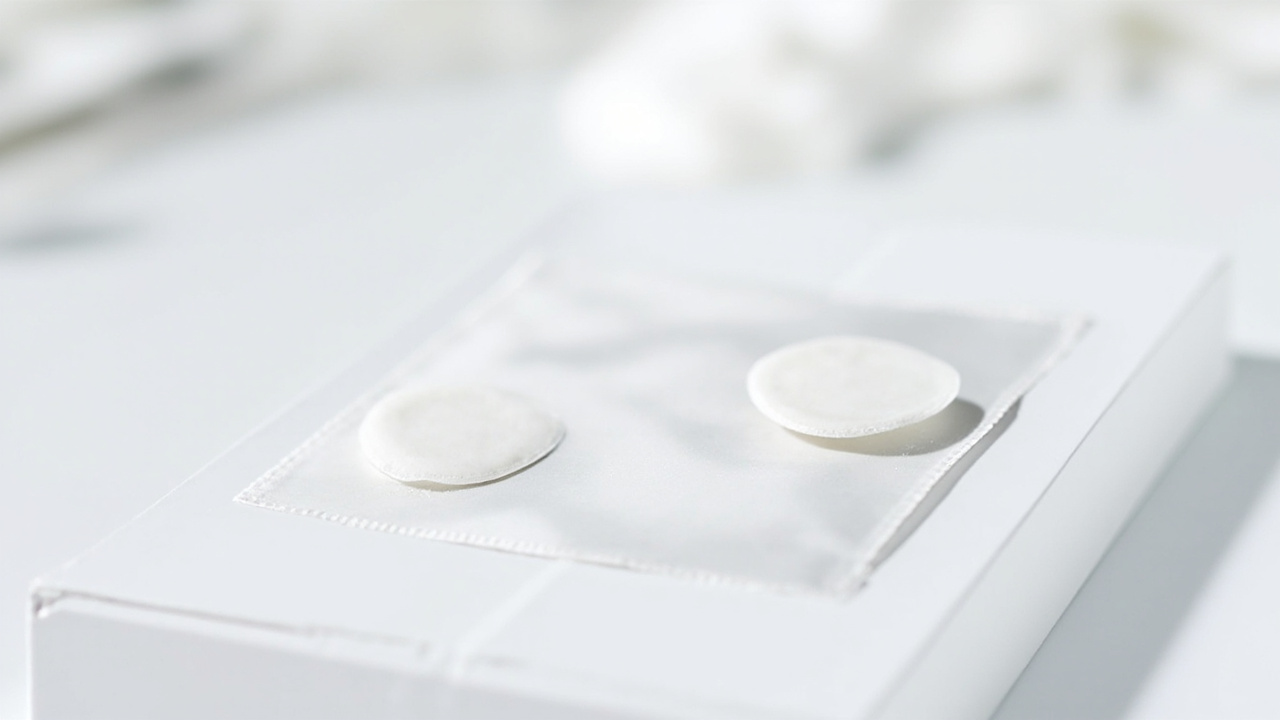
In the booming wellness industry, herbal foot patches have emerged as a popular detoxification product, with the global detox patch market projected to reach $1.2 billion by 2027 (Grand View Research, 2020). But not all patches are created equal. Behind every effective patch lies a carefully curated blend of herbal foot patch ingredients, each selected for its specific properties. For B2B buyers, understanding what goes into a quality formula is not just about product efficacy—it’s about regulatory compliance, brand reputation, and consumer trust. This comprehensive guide dives deep into the key ingredients, formulation science, and quality standards that define premium detox foot patches.
Key Takeaways
- The Role of Bamboo Vinegar Extract
- Key Active Ingredients in Quality Detox Patches
- Formulation Science: How Ingredients Work Together
- Quality Standards and Sourcing
- Regulatory Considerations for OEM Buyers
- How to Evaluate an OEM Partner
Key Takeaways
- Bamboo vinegar extract is the cornerstone of most herbal foot patches, prized for its acetic acid content and traditional detoxification properties.
- Quality formulations balance active ingredients like tourmaline and chitosan with herbal extracts (e.g., ginger, mugwort) to enhance absorption and efficacy.
- Regulatory compliance (FDA, ISO 13485, GMP) is non-negotiable for OEM partners; verify certifications before partnering.
- Ingredient sourcing and transparency directly impact product safety, consistency, and consumer trust.
- Market trends show a growing preference for natural, scientifically-backed ingredients, making quality formulation a competitive advantage.
The Role of Bamboo Vinegar Extract
Bamboo vinegar extract, also known as bamboo pyroligneous acid, is the star ingredient in most herbal foot patches. Derived from the pyrolysis of bamboo stems, this dark brown liquid contains over 200 organic compounds, including acetic acid, phenols, and ketones. Acetic acid, the primary component, is known for its antimicrobial and anti-inflammatory properties, which are believed to help draw out toxins and reduce swelling when applied to the soles of the feet.
In traditional East Asian medicine, bamboo vinegar has been used for centuries to improve blood circulation and alleviate joint pain. Modern manufacturing processes concentrate this extract to standardize its potency. High-quality patches typically contain 20-40% bamboo vinegar extract, ensuring a consistent effect. When sourcing from an OEM, always request the certificate of analysis (CoA) to verify the concentration and purity of this critical ingredient.
Additionally, bamboo vinegar’s ability to generate mild heat upon contact with the skin is a key mechanism of action. This warming sensation is thought to stimulate acupressure points on the feet, enhancing the detoxification process. For B2B buyers, understanding the sourcing and processing of bamboo vinegar is essential to ensure your product meets both efficacy and safety standards.
Key Active Ingredients in Quality Detox Patches
Beyond bamboo vinegar extract, a well-formulated herbal foot patch incorporates a synergistic blend of ingredients that work together to optimize detoxification. Here are the most common and effective components:
- Tourmaline: A naturally occurring silicate mineral that emits far-infrared rays and negative ions. These properties are believed to improve microcirculation and enhance cellular metabolism, aiding in the removal of metabolic waste.
- Chitosan: Derived from shellfish shells, chitosan is a biocompatible polymer with strong adsorption capabilities. It acts as a binding agent, helping to draw out toxins and heavy metals from the body through the skin.
- Herbal Extracts: A variety of herbs are often included for their specific benefits. For instance, ginger root extract is known for its anti-inflammatory and warming properties, while mugwort (Artemisia vulgaris) is traditionally used in moxibustion to promote energy flow. Other common herbs include loquat leaf, houttuynia, and wild ginger, each contributing unique bioactive compounds.
- Vitamins and Minerals: Some premium patches add vitamins (e.g., vitamin C) and minerals like zinc to support skin health and provide antioxidant protection.
Each ingredient serves a purpose, and the proportions are critical. For example, too much tourmaline can cause skin irritation, while insufficient bamboo vinegar may reduce efficacy. A reputable OEM will have a proprietary formula that balances these components based on clinical testing and consumer feedback.
Formulation Science: How Ingredients Work Together
The efficacy of a herbal foot patch is not just about the individual ingredients but how they interact. A well-designed formulation ensures that the active components are released gradually over the recommended 8-hour wear time. This controlled release is achieved through the patch’s matrix—typically a non-woven fabric or hydrogel layer that holds the powdered ingredients.
When the patch is applied, body heat activates the bamboo vinegar, which then works to break down the herbal compounds and enhance their absorption through the skin. The tourmaline, in turn, generates far-infrared radiation that penetrates deeper into tissues, promoting vasodilation and lymphatic drainage. Chitosan acts as a sponge, binding to toxins and preventing their reabsorption.
Scientific studies have shown that foot patches can significantly increase the excretion of heavy metals and other toxins. For instance, a 2018 study published in the Journal of Environmental and Public Health found that participants using detox patches showed a 30% increase in urinary excretion of aluminum and arsenic after 10 days of use. While more research is needed, these findings support the detoxification claims.
Moreover, the pH level of the patch is carefully adjusted to match the skin’s natural pH (around 4.5-5.5), minimizing irritation and ensuring optimal ingredient stability. This attention to detail is what separates high-quality patches from cheap imitations.
Quality Standards and Sourcing
For B2B buyers, the quality of herbal foot patch ingredients is directly tied to regulatory compliance and sourcing transparency. Reputable manufacturers adhere to Good Manufacturing Practices (GMP) and hold certifications such as FDA registration and ISO 13485. These standards ensure that every batch is produced under controlled conditions, with rigorous testing for contaminants like heavy metals, pesticides, and microbial pathogens.
When evaluating an OEM, ask about their ingredient sourcing. High-quality bamboo vinegar, for example, is typically sourced from sustainable bamboo farms in Japan, China, or Korea, where the pyrolysis process is carefully monitored. Similarly, tourmaline should be mined from certified sources to avoid radioactive contamination.
In addition, a quality manufacturer will provide full documentation, including Material Safety Data Sheets (MSDS) and certificates of analysis for each raw material. This transparency is crucial for your brand’s liability and consumer trust. Remember, the FDA does not approve dietary supplements or cosmetic products before they hit the market, but they do require that products are safe and properly labeled. Working with a compliant OEM helps you navigate these regulatory waters.
Regulatory Considerations for OEM Buyers
Navigating the regulatory landscape for herbal foot patches can be complex, especially if you plan to sell in multiple countries. In the United States, foot patches are typically classified as cosmetics or medical devices, depending on their claims. If you make therapeutic claims, such as ‘detoxifies the body,’ your product may fall under FDA regulations for over-the-counter drugs or devices, requiring premarket notification (510(k)) or approval.
In the European Union, these products may be subject to the Medical Device Regulation (MDR) or the Cosmetics Regulation, depending on their composition and intended use. CE marking is often required for medical devices. Similarly, in Asia, countries like Japan and South Korea have their own regulatory frameworks.
An experienced OEM partner like Kongdy Health, with its 30+ years in the industry, can guide you through these requirements. They offer regulatory support, including documentation for FDA, CE, and other certifications, ensuring your product meets all legal standards. This not only saves you time but also protects your brand from potential legal issues.
How to Evaluate an OEM Partner
Choosing the right OEM partner is critical to the success of your herbal foot patch product. Here is a step-by-step guide to help you make an informed decision:
- Verify Certifications: Ensure the manufacturer holds ISO 13485, GMP, and FDA registration. Request copies of these certifications and verify them with the issuing bodies.
- Assess R&D Capabilities: A strong OEM should have an in-house R&D team that can customize formulations based on your target market and specific needs. Ask about their research on ingredient efficacy and any clinical studies they’ve conducted.
- Request Samples: Always request samples of their existing products and any custom formulations. Test them for quality, consistency, and efficacy. Check the ingredient list and compare it with the claimed benefits.
- Review Manufacturing Processes: Inquire about their production capacity, quality control procedures, and traceability systems. A reputable OEM will have detailed batch records and a robust quality management system.
- Consider Logistics: Evaluate their ability to handle international shipping, customs clearance, and regulatory documentation. A partner with global experience can simplify your supply chain.
- Check Client References: Ask for references from existing clients, particularly those in your industry or market. This can provide valuable insights into their reliability and communication.
By following these steps, you can select a partner who not only provides high-quality ingredients but also supports your long-term business goals.
Frequently Asked Questions
Q1: Are herbal foot patches safe for all skin types?
Herbal foot patches are generally safe for most people, but individuals with sensitive skin or allergies to any of the ingredients should exercise caution. The patches are applied to the soles, which have thicker skin, reducing the risk of irritation. However, it’s always recommended to do a patch test on a small area before full use. If you experience redness, itching, or discomfort, discontinue use immediately. Pregnant women, children, and individuals with chronic health conditions should consult a healthcare professional before using any detox products.
Q2: How long does it take to see results from herbal foot patches?
Results can vary depending on the individual’s health status, lifestyle, and the quality of the product. Many users report feeling more energized and experiencing better sleep after just a few uses. However, for noticeable detoxification effects, consistent use over 2-4 weeks is typically recommended. The patches work overnight, and the discoloration you see in the morning is a combination of sweat, skin oils, and oxidized ingredients, not necessarily toxins. It’s important to set realistic expectations and view foot patches as a complementary wellness tool rather than a miracle cure.
Q3: Can I customize the herbal foot patch formula for my brand?
Yes, most reputable OEM/ODM manufacturers, including Kongdy Health, offer customization services. You can choose the specific herbal ingredients, adjust their concentrations, select the patch size and material, and even design custom packaging. This allows you to create a unique product that aligns with your brand identity and target market. When customizing, ensure you work closely with the manufacturer’s R&D team to maintain product efficacy and compliance with local regulations.
Sources
- Grand View Research – Detox Foot Patch Market
- U.S. Food and Drug Administration (FDA)
- ISO 13485 – Medical Devices Quality Management
- World Health Organization (WHO)
If you are looking for a trusted partner to develop high-quality herbal foot patches, Kongdy Health offers comprehensive OEM/ODM services backed by 30+ years of expertise and certifications including FDA, ISO 13485, and GMP. Contact us to discuss your project today.