
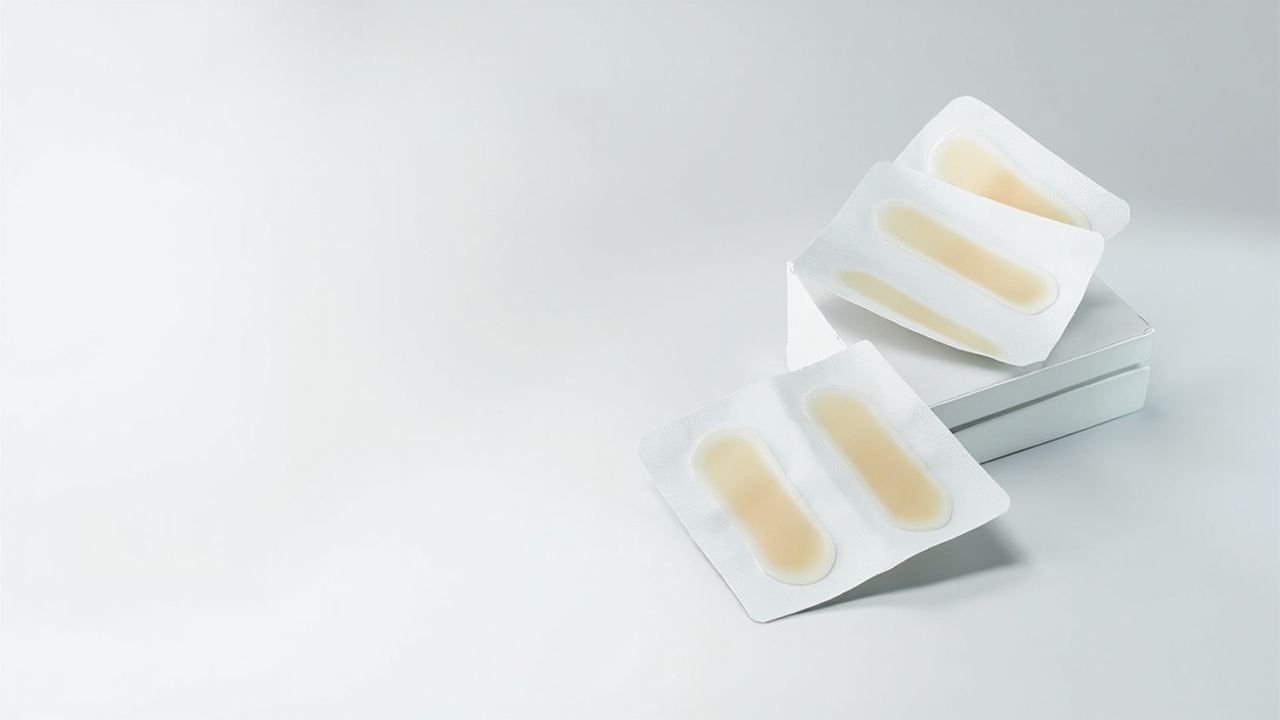
In the rapidly expanding wellness market, detox foot patches have emerged as a popular product category, with the global detox patch market projected to reach $1.2 billion by 2027 (Grand View Research, 2020). However, the same growth attracts regulatory scrutiny. Many manufacturers and private label brands have faced product seizures, import alerts, and outright bans due to non-compliant labeling—particularly overreaching claims that products ‘remove toxins’ or ‘cure diseases.’ For B2B buyers sourcing OEM foot patches, understanding detox patch label compliance is not optional; it’s a survival necessity. This comprehensive guide will walk you through the regulatory minefield, offering actionable strategies to keep your products compliant and marketable.
Key Takeaways
- Why Foot Patch Claims Regulation Is a Minefield
- Understanding Product Classification: The First Step to Compliance
- Detox Patch Label Compliance: Essential Elements
- Regulatory Standards and Certifications: Your Safety Net
- Common Label Claims That Trigger Bans: What to Avoid
- How to Write Compliant Label Copy: A Step-by-Step Guide
Key Takeaways
- Detox patch labels must avoid explicit or implied therapeutic claims; terms like ‘detoxify,’ ‘remove toxins,’ or ‘treat’ can trigger FDA enforcement.
- Compliance hinges on product classification: cosmetics vs. medical devices vs. general wellness products, each with distinct labeling rules.
- FDA warning letters for foot patches increased by 40% from 2019 to 2021, signaling heightened enforcement (FDA, 2022).
- Using disclaimers like ‘not intended to diagnose’ is insufficient if the overall label implies medical benefits.
- Partnering with an experienced OEM like Kongdy Health ensures labels are pre-vetted for regulatory compliance.
- International markets (EU, Asia) have their own claim restrictions; global compliance requires a multi-jurisdiction strategy.
Why Foot Patch Claims Regulation Is a Minefield
The core issue is that foot patches are often marketed as ‘detox’ products, a term that inherently suggests a physiological effect. Under FDA regulations, any product intended to affect the structure or function of the body is considered a drug (unless it meets the definition of a medical device). Since foot patches do not physically remove toxins from the body—a fact that has been debunked by scientific studies—any claim that they do is considered a false or misleading claim, violating the Federal Food, Drug, and Cosmetic Act.
In 2020, the FDA issued a warning letter to a major foot patch distributor for claims such as ‘draws out toxins’ and ‘supports immune system.’ The letter demanded immediate cessation of these claims and threatened seizure of products. This example underscores the importance of understanding the regulatory boundaries before you even print a label.
Furthermore, the FTC (Federal Trade Commission) also monitors advertising claims. Even if your packaging is compliant, your website or marketing materials can trigger action. A holistic compliance strategy must cover all consumer-facing content.
Understanding Product Classification: The First Step to Compliance
Before you can label a foot patch, you must determine its regulatory classification. In the U.S., the FDA classifies products into three main categories: cosmetics, drugs, and medical devices. Most foot patches are marketed as cosmetics (because they are applied to the body for cleansing purposes) or as ‘general wellness products’ if they make no drug-like claims.
Cosmetics are defined as articles intended to be rubbed, poured, sprinkled, or sprayed on, introduced into, or otherwise applied to the human body for cleansing, beautifying, promoting attractiveness, or altering the appearance. Foot patches, if they only claim to ‘refresh’ or ‘invigorate’ the feet, can be classified as cosmetics. However, any claim of toxin removal or health benefit pushes them into drug territory, requiring FDA approval (which is rarely obtained).
Alternatively, some foot patches are registered as medical devices (e.g., for pain relief) and must comply with device labeling requirements, including 510(k) clearance. For most detox patches, the safest route is cosmetic classification, but that severely limits what you can say. Understanding this classification is the foundation of detox patch label compliance.
Detox Patch Label Compliance: Essential Elements
Once you’ve classified your product, you must ensure your label contains all required elements. For cosmetics, the FDA mandates: an identity statement (what the product is), net quantity of contents, ingredient list (INCI names), name and place of business, and any required warning statements. For medical devices, additional elements like intended use, directions for use, and lot numbers are required.
But compliance goes beyond the ‘must-haves.’ It also involves what you cannot say. The FDA prohibits any claim that a product can diagnose, treat, cure, or prevent any disease. For foot patches, this means you cannot say ‘treats plantar fasciitis’ or ‘cures foot pain.’ Even indirect claims like ‘supports detoxification’ can be problematic because they imply a physiological effect.
One common mistake is using the term ‘detox’ in the product name. While ‘detox foot patch’ might be descriptive, it sets up an expectation of toxin removal. A safer alternative is ‘foot refresh patches’ or ‘herbal foot therapy patches,’ focusing on the sensory experience rather than a health benefit.
Another essential element is the ‘structure/function’ claim distinction. For dietary supplements, structure/function claims (e.g., ‘supports immune health’) are allowed with a disclaimer. However, this does not apply to cosmetics or devices. For foot patches, any structure/function claim is likely to be interpreted as a drug claim.
International markets add another layer. In the EU, cosmetics are regulated under Regulation (EC) No 1223/2009, which prohibits claims of detoxification. In Japan, foot patches are often classified as quasi-drugs, requiring approval. Your OEM partner should provide guidance on the target market’s specific rules.
Regulatory Standards and Certifications: Your Safety Net
To mitigate risk, work with an OEM that adheres to international standards. ISO 13485 (quality management for medical devices) and GMP (Good Manufacturing Practices) are not just certifications—they are your assurance that the manufacturing process is controlled and documented. The FDA also requires that cosmetic manufacturers follow GMP regulations (21 CFR Part 117 for food, but cosmetics have voluntary GMP guidelines). However, if your product is a medical device, ISO 13485 is mandatory.
Certifications like CE marking (for EU) indicate compliance with health, safety, and environmental protection standards. While CE marking is not directly about claims, it demonstrates that the product meets certain safety requirements, which can be part of your defense if claims are scrutinized.
In 2021, the FDA announced the ‘Cosmetic Regulatory Modernization Act’ (MoCRA), which strengthens oversight of cosmetics, including mandatory facility registration and product listing. This means that even cosmetic foot patches will now have to comply with more rigorous reporting. Staying ahead of these changes is crucial.
Your OEM partner should have these certifications and be able to provide documentation. Kongdy Health, for instance, holds FDA, ISO 13485, and GMP certifications, ensuring that every batch is produced under strict quality controls. This reduces the risk of label non-compliance due to inconsistent product composition.
Common Label Claims That Trigger Bans: What to Avoid
Here are the most common claims that have led to FDA warning letters and product bans for foot patches:
- Detoxification claims: ‘Removes toxins,’ ‘draws out impurities,’ ‘detoxifies the body.’ These are false because there is no scientific evidence that foot patches can eliminate toxins.
- Disease treatment claims: ‘Cures arthritis,’ ‘treats diabetes,’ ‘prevents cancer.’ Any such claim is clearly a drug claim.
- Weight loss claims: ‘Promotes weight loss,’ ‘boosts metabolism.’ These are also drug claims and require clinical evidence.
- Immune system claims: ‘Strengthens immunity,’ ‘boosts immune function.’ Even if phrased as ‘supports,’ these are problematic.
- Pain relief claims: ‘Relieves joint pain,’ ‘eases muscle soreness.’ Unless the product is cleared as a medical device, these claims are not allowed.
- Energy and vitality claims: ‘Increases energy,’ ‘restores vitality.’ These imply physiological effects and are scrutinized.
Each of these claim types has been specifically cited in FDA enforcement actions. For example, in 2022, the FDA issued a warning letter to a manufacturer for claiming their foot patches ‘boost energy and vitality’ without evidence. The letter stated that such claims cause the product to be an unapproved new drug.
To avoid these pitfalls, adopt a ‘less is more’ approach. Focus on the ingredients and the sensory benefits (e.g., ‘infused with natural herbs for a soothing sensation’). If you want to mention wellness, keep it generic: ‘for external use only’ and ‘part of a healthy lifestyle.’
How to Write Compliant Label Copy: A Step-by-Step Guide
Creating a compliant label requires a systematic process. Here is a numbered list of steps to ensure your foot patch labels meet regulatory standards:
- Conduct a claim audit: List every claim you want to make and evaluate it against FDA criteria. Ask: Does this claim imply a drug effect? If yes, remove or rephrase.
- Choose safe language: Use words that describe the product’s physical characteristics (e.g., ‘adhesive pad’) and sensory experience (e.g., ‘cooling sensation’). Avoid words like ‘detox,’ ‘purify,’ ‘cleanse,’ or ‘heal.’
- Add a disclaimer: While not a cure-all, a disclaimer like ‘This product is not intended to diagnose, treat, cure, or prevent any disease’ can help, but only if the rest of the label does not contradict it.
- Include required elements: Ensure your label has the identity statement, net weight, ingredient list, and manufacturer information. Use standardized ingredient names (INCI) and list them in descending order of concentration.
- Review packaging claims: Check all text on the box, insert, and any promotional materials. Consistency is key—if your website makes a claim that is not on the label, you are still at risk.
- Get legal review: Have a regulatory attorney or specialist review your label before printing. This is an investment that can save you from costly recalls.
- Partner with a compliant OEM: Work with a manufacturer like Kongdy Health that has in-house regulatory expertise. They can provide label templates that meet FDA and international standards.
By following these steps, you minimize the risk of non-compliance. Remember, the FDA can take action even if a claim is implied through images or symbols. For example, a picture of a liver or a ‘toxin’ icon can be interpreted as a claim.
International Compliance: Beyond the FDA
If you plan to sell in multiple countries, you must navigate a patchwork of regulations. In the EU, the Cosmetics Regulation prohibits claims of detoxification, and any claim must be substantiated. The EU also requires a Responsible Person to be designated for each product. In Canada, foot patches are considered natural health products if they make health claims, requiring a product license. In Australia, they may fall under therapeutic goods regulations.
In Asia, the situation varies: in Japan, foot patches are often classified as quasi-drugs, requiring approval from the Ministry of Health, Labour and Welfare. In China, they may be regulated as medical devices or cosmetics, depending on claims. This complexity underscores the need for a global compliance strategy.
Working with an OEM that has experience in multiple markets is invaluable. Kongdy Health, with its 120+ country reach, offers regulatory guidance for various jurisdictions, ensuring that your labels are compliant wherever you sell.
Frequently Asked Questions
Q1: Can I use the word ‘detox’ on my foot patch label?
Using ‘detox’ is highly risky. The FDA and FTC consider ‘detox’ to imply the removal of toxins, which is a drug claim unless you have scientific evidence. Since foot patches do not actually remove toxins, such a claim is false and misleading. In practice, any product using ‘detox’ in the name or description has been subject to regulatory action. To be safe, avoid the term entirely and focus on descriptive words like ‘herbal’ or ‘refreshing.’ If you must use it, ensure you have a disclaimer that clarifies the product does not remove toxins, but even then, the risk remains high.
Q2: What is the difference between a cosmetic and a medical device for foot patches?
A cosmetic is intended to cleanse, beautify, or alter appearance without affecting the body’s structure or function. If your foot patch is marketed solely for its aroma or to make feet feel soft, it can be a cosmetic. A medical device, on the other hand, is intended to diagnose, treat, or prevent disease, or affect the structure/function of the body. If you claim your patch relieves pain or improves circulation, it becomes a medical device. Medical devices require FDA clearance (510(k)) or approval, which is costly and time-consuming. For most foot patches, cosmetic classification is simpler, but it limits your claims to superficial benefits.
Q3: Can I make claims on my website that are not on the label?
No. The FDA and FTC regulate all consumer-facing communications, including websites, social media, and advertising. If your website makes claims that are not on the label, you are still violating regulations. In fact, regulators often scan online content more thoroughly than labels. A 2021 study found that 70% of FDA warning letters for cosmetics included online claims. Therefore, your compliance strategy must cover all marketing channels. Ensure that your website copy, product descriptions, and even customer reviews (if you encourage them) align with your compliant label.
Sources
- Grand View Research – Detox Patch Market Report
- FDA – Cosmetics Labeling Regulations
- FTC – Truth in Advertising
- ISO 13485 – Medical Devices Quality Management
Ready to launch a compliant foot patch line? Partner with Kongdy Health, your trusted OEM/ODM manufacturer with 30+ years of expertise in regulatory compliance. Explore our OEM/ODM services to get started.