
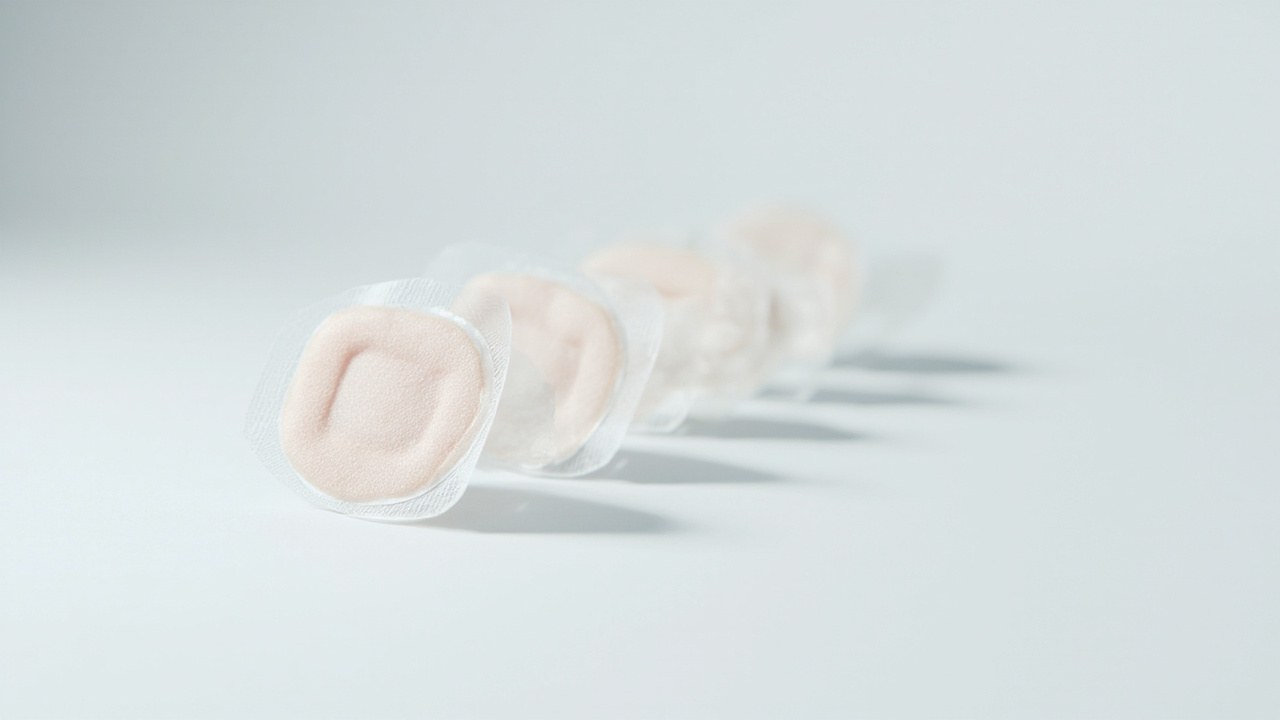
The transdermal patch market is poised for significant expansion between 2026 and 2030, driven by technological advancements, an aging global population, and increasing demand for non-invasive drug delivery systems. According to a 2023 report by Grand View Research, the global transdermal patch market was valued at approximately $7.8 billion in 2022 and is projected to grow at a compound annual growth rate (CAGR) of 7.2% from 2023 to 2030. This growth trajectory underscores the rising preference for patches over traditional oral and injectable routes, offering steady drug release, improved bioavailability, and enhanced patient compliance. As we look toward the 2026-2030 period, several key trends and forecasts will shape the industry, presenting lucrative opportunities for OEM manufacturers like Kongdy Health, which has been a trusted partner since 1989 with FDA, ISO 13485, GMP, and CE certifications.
Key Takeaways
- Market Drivers: Why Transdermal Patches Are Gaining Momentum
- Technological Innovations Shaping the Patch Industry
- Regulatory Landscape and Quality Standards
- Regional Market Analysis: North America, Europe, and Asia-Pacific
- Key Market Segments and Product Categories
- Challenges and Opportunities for OEM Manufacturers
Market Drivers: Why Transdermal Patches Are Gaining Momentum
The adoption of transdermal patches is accelerating due to their ability to bypass first-pass metabolism, providing consistent plasma drug levels over extended periods. This is particularly beneficial for chronic conditions such as hypertension, diabetes, and pain management. The World Health Organization (WHO) estimates that the global population aged 60 and over will reach 2.1 billion by 2050, up from 1 billion in 2020. This demographic shift directly fuels demand for long-term, easy-to-administer therapies, making patches an ideal solution.
Additionally, the rise of self-administration trends and home healthcare, accelerated by the COVID-19 pandemic, has increased patient preference for non-invasive devices. Patches reduce the need for frequent clinic visits and healthcare professional intervention, lowering overall healthcare costs. According to a 2024 analysis by MarketsandMarkets, the home healthcare segment is expected to grow at a CAGR of 8.5% through 2030, with transdermal patches playing a pivotal role in medication delivery for chronic diseases.
Technological Innovations Shaping the Patch Industry
From 2026 to 2030, the transdermal patch market will witness transformative innovations in materials science, microfabrication, and bioelectronics. Microneedle patches, which use arrays of tiny needles to painlessly penetrate the stratum corneum, are emerging as a game-changer for macromolecule delivery, including vaccines, insulin, and hormones. A 2023 study published in Nature Biomedical Engineering demonstrated that a microneedle patch for influenza vaccination elicited robust immune responses comparable to intramuscular injection, with the added benefit of thermostability and ease of distribution.
Iontophoresis and sonophoresis technologies are also advancing, enabling active transport of drugs through the skin using low-level electrical currents or ultrasound. These methods expand the range of drugs suitable for transdermal delivery, including hydrophilic and high-molecular-weight compounds. Furthermore, wearable smart patches integrated with sensors and connectivity features are gaining traction. These patches can monitor patient vitals, track drug release, and transmit data to healthcare providers in real time, aligning with the broader trend of digital health. According to a 2024 report by Frost & Sullivan, the smart patch market is expected to grow at a CAGR of 12.3% through 2030, driven by demand for personalized medicine and remote patient monitoring.
Regulatory Landscape and Quality Standards
Compliance with stringent regulatory standards is non-negotiable in the transdermal patch industry. The U.S. Food and Drug Administration (FDA) classifies transdermal patches as drug-device combination products, requiring rigorous testing for safety, efficacy, and quality. Similarly, the European Medicines Agency (EMA) mandates CE marking under the Medical Device Regulation (MDR) for patches containing drug substances. Manufacturers must adhere to Good Manufacturing Practices (GMP) and ISO 13485 quality management systems to ensure consistent product quality.
For OEM partners, selecting a manufacturer with proven regulatory expertise is critical. Kongdy Health, with its FDA-registered facilities, ISO 13485 certification, and GMP compliance, offers a seamless path to market for clients worldwide. Our 30+ years of experience in 120+ countries ensure that every patch meets the highest standards of safety and performance, reducing the risk of regulatory delays or product recalls.
Regional Market Analysis: North America, Europe, and Asia-Pacific
The transdermal patch market is geographically diverse, with each region exhibiting unique growth drivers. North America held the largest market share in 2023, accounting for over 40% of global revenue, according to a 2024 analysis by Allied Market Research. This dominance is attributed to high healthcare spending, a well-established pharmaceutical industry, and widespread adoption of advanced drug delivery systems. The U.S. market benefits from a favorable regulatory environment and strong demand for pain management, hormone therapy, and smoking cessation patches.
Europe is the second-largest market, driven by an aging population, increasing prevalence of chronic diseases, and supportive reimbursement policies. The European Union’s focus on reducing healthcare costs and improving patient outcomes has spurred innovation in transdermal systems. Meanwhile, the Asia-Pacific region is expected to witness the fastest growth, with a projected CAGR of 9.1% from 2026 to 2030. Factors include expanding healthcare infrastructure, rising disposable incomes, and a large patient pool for conditions like diabetes and hypertension. Countries such as China, India, and Japan are emerging as key manufacturing hubs, offering cost advantages and growing domestic demand.
Key Market Segments and Product Categories
The transdermal patch market can be segmented by type, application, and end-user. By type, the market includes single-layer drug-in-adhesive, multi-layer drug-in-adhesive, reservoir, and matrix patches. Matrix patches are gaining popularity due to their simplicity, ease of manufacture, and consistent drug release profiles. According to a 2023 industry report, matrix patches accounted for over 55% of the market share in 2022 and are expected to maintain dominance through 2030.
By application, the leading segments are pain management (including opioids and NSAIDs), hormone therapy (estrogen, testosterone), cardiovascular (nitroglycerin, clonidine), and central nervous system disorders (nicotine, rivastigmine). Pain management remains the largest application segment, driven by the global burden of chronic pain. The Centers for Disease Control and Prevention (CDC) estimates that 20.4% of U.S. adults (about 50 million people) suffer from chronic pain, creating sustained demand for effective, non-addictive pain relief patches. Hormone therapy and smoking cessation are also significant segments, with new indications such as motion sickness, attention deficit hyperactivity disorder (ADHD), and Alzheimer’s disease emerging.
Challenges and Opportunities for OEM Manufacturers
Despite the promising outlook, the transdermal patch industry faces several challenges. Adhesion reliability, skin irritation, and limited permeability of certain drugs are persistent technical hurdles. Additionally, stringent regulatory requirements and high R&D costs can be barriers for smaller players. However, these challenges present opportunities for OEM manufacturers with deep expertise and advanced capabilities.
- Adhesion Technology: Developing patches that maintain consistent adhesion across varying skin types, humidity levels, and activity levels is critical. Innovations in pressure-sensitive adhesives (PSAs) and backing materials are addressing this issue.
- Drug Permeation Enhancement: Chemical enhancers, microneedles, and physical methods like iontophoresis are expanding the range of deliverable drugs. OEMs must invest in these technologies to stay competitive.
- Cost-Effective Manufacturing: Process optimization, automation, and scale-up are essential to reduce unit costs. Kongdy Health’s state-of-the-art production lines and lean manufacturing practices enable competitive pricing without compromising quality.
- Regulatory Navigation: Partnering with an experienced OEM like Kongdy Health simplifies the regulatory pathway. Our team handles documentation, stability testing, and global submissions, ensuring faster time-to-market.
Forecast for 2026-2030: Key Numbers to Watch
Based on current trends and projections, the transdermal patch market is expected to reach $12.5 billion by 2030, growing at a CAGR of 7.0% from 2026 to 2030. This forecast is supported by several factors:
- Increasing R&D Investment: Major pharmaceutical companies are allocating more resources to transdermal delivery. In 2023, R&D spending on transdermal systems exceeded $1.2 billion globally, a figure expected to rise as new drugs enter clinical trials.
- Expanding Indications: Beyond traditional applications, patches are being developed for vaccines (e.g., influenza, COVID-19), migraine, and even contraception. The first microneedle patch for birth control is expected to receive FDA approval by 2027, opening a multi-billion-dollar market.
- Geographic Expansion: Emerging markets in Asia, Latin America, and Africa will contribute significantly to growth. By 2030, Asia-Pacific is projected to account for 30% of global market share, up from 22% in 2023.
These numbers underscore the immense potential for OEM partners to capitalize on this growth. By aligning with a manufacturer that offers end-to-end services—from formulation development to commercial production—companies can efficiently bring innovative patches to market.
Frequently Asked Questions
Q1: What are the key factors driving the transdermal patch market growth from 2026 to 2030?
The primary drivers include an aging global population, increasing prevalence of chronic diseases, and rising demand for non-invasive drug delivery systems. Technological advancements such as microneedle patches, smart patches, and permeation enhancement techniques are expanding the range of drugs that can be delivered transdermally. Additionally, the shift toward home healthcare and patient self-administration, accelerated by the pandemic, is boosting adoption. Regulatory support and favorable reimbursement policies in developed markets further fuel growth.
Q2: How can OEM manufacturers help companies enter the transdermal patch market?
OEM manufacturers like Kongdy Health provide comprehensive services that reduce barriers to entry. These include formulation development, analytical testing, stability studies, regulatory support (FDA, CE, ISO 13485), and scalable manufacturing. By leveraging an OEM’s expertise, companies can avoid costly R&D investments and navigate complex regulatory landscapes. Kongdy Health’s 30+ years of experience and global certifications ensure that products meet international quality standards, enabling faster time-to-market and lower risk.
Q3: What are the main challenges in transdermal patch development and how are they addressed?
Key challenges include achieving adequate drug permeation through the skin, maintaining consistent adhesion, and minimizing skin irritation. These are addressed through the use of chemical enhancers, physical methods like iontophoresis, and advanced adhesive technologies. For macromolecules, microneedle arrays offer a promising solution. Rigorous testing for biocompatibility, stability, and performance is essential. Partnering with an experienced OEM ensures access to proven technologies and methodologies, reducing development risk and accelerating product launch.
As the transdermal patch market evolves, staying ahead of trends and regulatory requirements is crucial. Kongdy Health invites you to explore our OEM/ODM services and discover how we can be your trusted partner in bringing innovative patch solutions to the global market. Learn more about our OEM capabilities and start your journey today.