
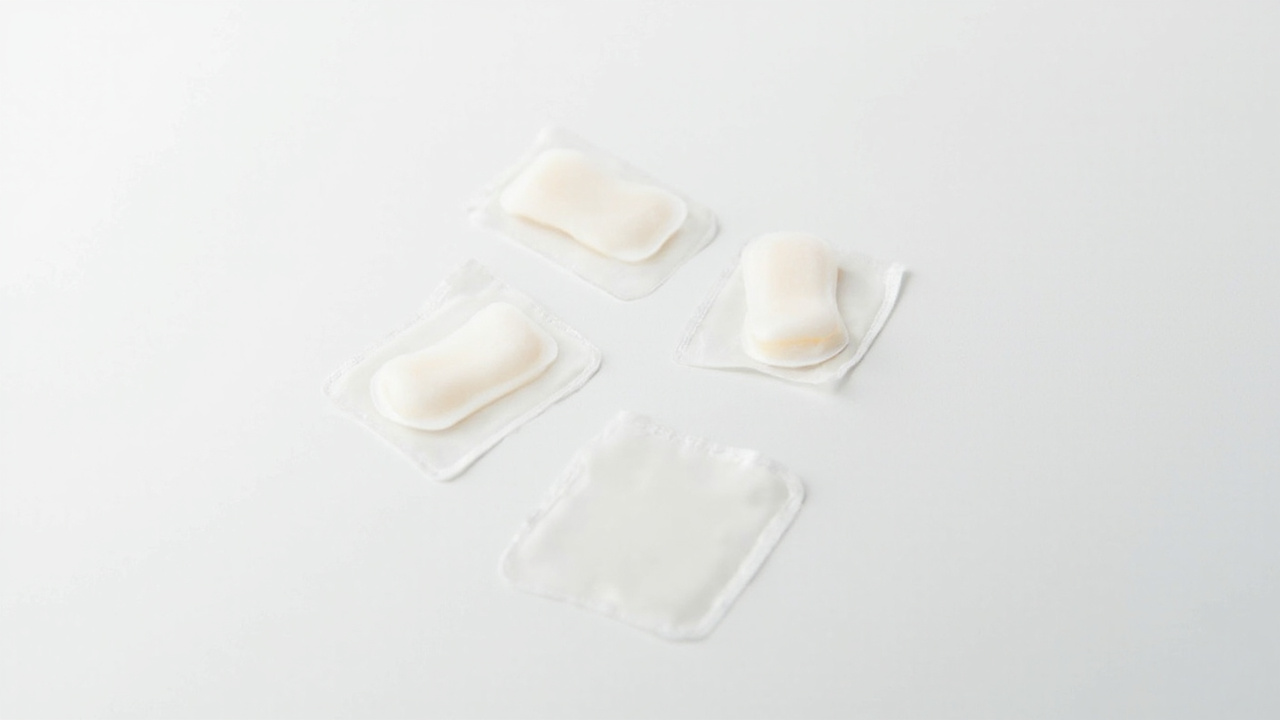
In the rapidly growing global market for detox foot patches, quality and compliance are non-negotiable. As a B2B buyer, you need to ensure that the foot patches you source meet stringent manufacturing standards, including Good Manufacturing Practices (GMP), ISO certifications, and rigorous quality testing protocols. This guide dives deep into the regulatory landscape, manufacturing best practices, and testing methodologies that define excellence in foot patch production. With the market for detox products projected to reach $7.8 billion by 2025 (Grand View Research, 2020), understanding these standards is critical for protecting your brand and your customers.
Key Takeaways
- Understanding GMP for Foot Patch Manufacturing
- ISO Standards: ISO 13485 and Beyond
- Herbal Patch Quality Testing: Methods and Protocols
- Regulatory Compliance: FDA, CE, and Global Requirements
- Supplier Vetting: How to Choose a Compliant OEM
- The Role of Certifications in Market Access
Key Takeaways
- GMP compliance ensures consistent product quality and safety, while ISO 13485 certification demonstrates a manufacturer’s commitment to medical device quality management.
- Quality testing for foot patches includes raw material verification, in-process controls, and finished product testing for adhesion, moisture, and microbial safety.
- Regulatory requirements vary by region: FDA in the US, CE marking in Europe, and other local regulations must be met for legal market access.
- Partnering with an experienced OEM like Kongdy Health can streamline compliance and reduce time-to-market.
- Key statistics: The global detox products market is growing at a CAGR of 7.2% (2020-2027), and over 120 countries import foot patches from certified manufacturers.
Understanding GMP for Foot Patch Manufacturing
Good Manufacturing Practices (GMP) are a system of processes, procedures, and documentation that ensures products are consistently produced and controlled according to quality standards. For foot patches, which are topical products that may contain herbal ingredients, GMP covers everything from facility design and personnel hygiene to raw material sourcing, production, packaging, and storage. In the United States, the FDA outlines GMP requirements for cosmetics and drugs, depending on the product’s intended use. For detox foot patches, which are often marketed as cosmetic or wellness products, adhering to GMP is voluntary but highly recommended to ensure safety and efficacy.
GMP compliance involves several key elements. First, there must be a robust quality management system (QMS) that includes standard operating procedures (SOPs), batch records, and deviation management. Second, facilities must be designed to prevent contamination, with separate areas for different stages of production and strict environmental controls. Third, personnel must be trained in hygiene and GMP principles. Finally, there must be a system for traceability, allowing manufacturers to track raw materials and finished products through the supply chain. Without GMP, the risk of contamination, inconsistent dosing, and product recalls increases significantly.
For B2B buyers, verifying GMP compliance is essential. Ask for certificates, audit reports, and evidence of ongoing training. A reputable OEM like Kongdy Health has been GMP-certified since 1989 and maintains rigorous standards across its 120+ export markets. GMP is not just a checkbox; it’s a culture of quality that permeates every aspect of manufacturing.
ISO Standards: ISO 13485 and Beyond
ISO 13485 is the international standard for quality management systems specific to medical devices. While foot patches may not always be classified as medical devices, many manufacturers adopt ISO 13485 to demonstrate their commitment to quality and to facilitate market access in regions where medical device regulations apply. ISO 13485 emphasizes risk management, design control, and process validation, which are directly applicable to foot patch manufacturing.
In addition to ISO 13485, other ISO standards may apply. ISO 9001 is a general quality management standard that many manufacturers hold. ISO 22716 provides guidelines for GMP for cosmetics, which is relevant for foot patches marketed as cosmetics. ISO 14001 covers environmental management, and ISO 45001 covers occupational health and safety. Together, these certifications signal a well-rounded, responsible manufacturer.
When evaluating an OEM partner, check which ISO certifications they hold and whether they are current. Certifications must be issued by accredited bodies and subject to regular surveillance audits. Kongdy Health, for example, holds ISO 13485, ISO 9001, and GMP certifications, ensuring compliance with global standards.
Herbal Patch Quality Testing: Methods and Protocols
Quality testing is the backbone of foot patch manufacturing. It ensures that the product is safe, effective, and consistent from batch to batch. Testing occurs at three stages: raw materials, in-process, and finished product.
- Raw Material Testing: Herbal ingredients are tested for identity, purity, potency, and contaminants such as heavy metals, pesticides, and microbials. Each batch must be accompanied by a Certificate of Analysis (CoA).
- In-Process Testing: During production, parameters like mixing time, temperature, and coating thickness are monitored to ensure uniformity. Adhesive properties are also checked.
- Finished Product Testing: The final patches undergo tests for adhesion (peel strength), moisture content, pH, and microbial limits. Stability testing ensures shelf-life claims are valid.
- Packaging Integrity: Seals and barriers are tested to prevent moisture and contamination.
- Documentation: All test results are recorded and retained for traceability.
Specific tests for foot patches include: peel adhesion (ASTM D3330), tack (ASTM D2979), and shear strength. Microbial testing follows USP <61> and <62> for bioburden and specified organisms. Heavy metal testing uses ICP-MS. These tests are critical for ensuring consumer safety and product performance.
Regulatory Compliance: FDA, CE, and Global Requirements
Navigating global regulations is a complex but necessary task for any foot patch brand. In the United States, the FDA regulates foot patches based on their intended use. If they are marketed for detoxification or therapeutic benefits, they may be considered drugs or medical devices, requiring premarket approval or clearance. If marketed as cosmetics, they must comply with FDA cosmetic regulations, including labeling and ingredient restrictions. The FDA also conducts inspections and can issue warning letters for non-compliance.
In Europe, foot patches may fall under the Medical Device Regulation (MDR) or the Cosmetic Regulation (EC) No 1223/2009. CE marking is required for medical devices, indicating conformity with EU health, safety, and environmental protection standards. For cosmetics, a Cosmetic Product Safety Report (CPSR) is mandatory. Other regions have their own requirements: Health Canada in Canada, TGA in Australia, and NMPA in China.
To ensure compliance, manufacturers must stay updated on regulatory changes and maintain thorough documentation. Working with an OEM that has experience in multiple markets, like Kongdy Health, can help you navigate these complexities efficiently.
Supplier Vetting: How to Choose a Compliant OEM
Choosing the right OEM partner is crucial for ensuring your foot patches meet all necessary standards. Here’s a step-by-step approach to vetting suppliers:
- Request Certifications: Ask for copies of GMP, ISO 13485, ISO 9001, and other relevant certificates. Verify their validity with the issuing bodies.
- Conduct Audits: Schedule an on-site or virtual audit to inspect facilities, review SOPs, and observe production. If you can’t visit, request a third-party audit report.
- Review Testing Protocols: Examine their raw material and finished product testing procedures. Ensure they use validated methods and accredited labs.
- Check Traceability: Verify that they have a system to trace materials from source to finished product.
- Evaluate Documentation: Review batch records, CoAs, and stability data. Ensure they are complete and accurate.
- Assess Regulatory Experience: Ask about their experience with FDA, CE, and other regulatory submissions.
- Request References: Speak with existing clients about their experiences.
Kongdy Health, with over 30 years of experience and 120+ export markets, exemplifies a compliant OEM. They provide full documentation and support for regulatory submissions.
The Role of Certifications in Market Access
Certifications are more than just badges; they are keys to market access. In many countries, proof of GMP or ISO certification is required for importation and sale. For example, in the EU, medical devices must bear CE marking. In the US, the FDA may request evidence of GMP compliance during inspections. Certifications also build trust with consumers, who increasingly demand transparency and quality.
Furthermore, certifications can streamline customs clearance and reduce the risk of regulatory action. They demonstrate due diligence and can be a competitive advantage in B2B negotiations. When sourcing foot patches, prioritize suppliers with a comprehensive portfolio of certifications.
Frequently Asked Questions
Q1: What is the difference between GMP and ISO 13485 for foot patch manufacturing?
GMP (Good Manufacturing Practices) is a set of regulations that ensure products are consistently produced and controlled according to quality standards. It focuses on hygiene, process control, and documentation. ISO 13485 is a voluntary international standard for quality management systems specific to medical devices. It emphasizes risk management and design control. While GMP is often mandatory, ISO 13485 is a voluntary certification that demonstrates a higher level of commitment to quality. For foot patches, both are important: GMP ensures basic safety, while ISO 13485 provides a framework for continuous improvement and regulatory compliance.
Q2: How can I verify that a foot patch manufacturer complies with ISO standards?
To verify ISO compliance, request copies of the manufacturer’s ISO certificates and check their validity on the issuing body’s website. Certificates should be issued by accredited certification bodies and include the scope of certification. Additionally, you can ask for audit reports, which detail the manufacturer’s compliance with ISO requirements. Conducting an on-site audit or hiring a third-party auditor can provide further assurance. Finally, check for any public records of non-compliance or recalls.
Q3: What are the key quality tests performed on herbal foot patches?
Key quality tests for herbal foot patches include: raw material testing for identity, purity, and contaminants (heavy metals, pesticides, microbials); in-process testing for mixing uniformity and coating thickness; finished product testing for adhesion, moisture content, pH, and microbial limits; and stability testing to ensure shelf-life. Packaging integrity tests are also crucial. These tests ensure that the product is safe, effective, and meets label claims. Manufacturers should use validated methods and accredited laboratories for testing.
Sources
- Grand View Research – Detox Products Market Size Report, 2020
- ISO 13485:2016 Medical devices — Quality management systems
- FDA – Quality System (QS) Regulation/Medical Device Good Manufacturing Practices
- WHO – Good Manufacturing Practices (GMP)
Ready to ensure your foot patches meet the highest standards? Partner with Kongdy Health, a leading OEM/ODM manufacturer with over 30 years of experience and certifications including FDA, ISO 13485, and GMP. Contact us today to discuss your OEM needs and get access to our full compliance documentation.