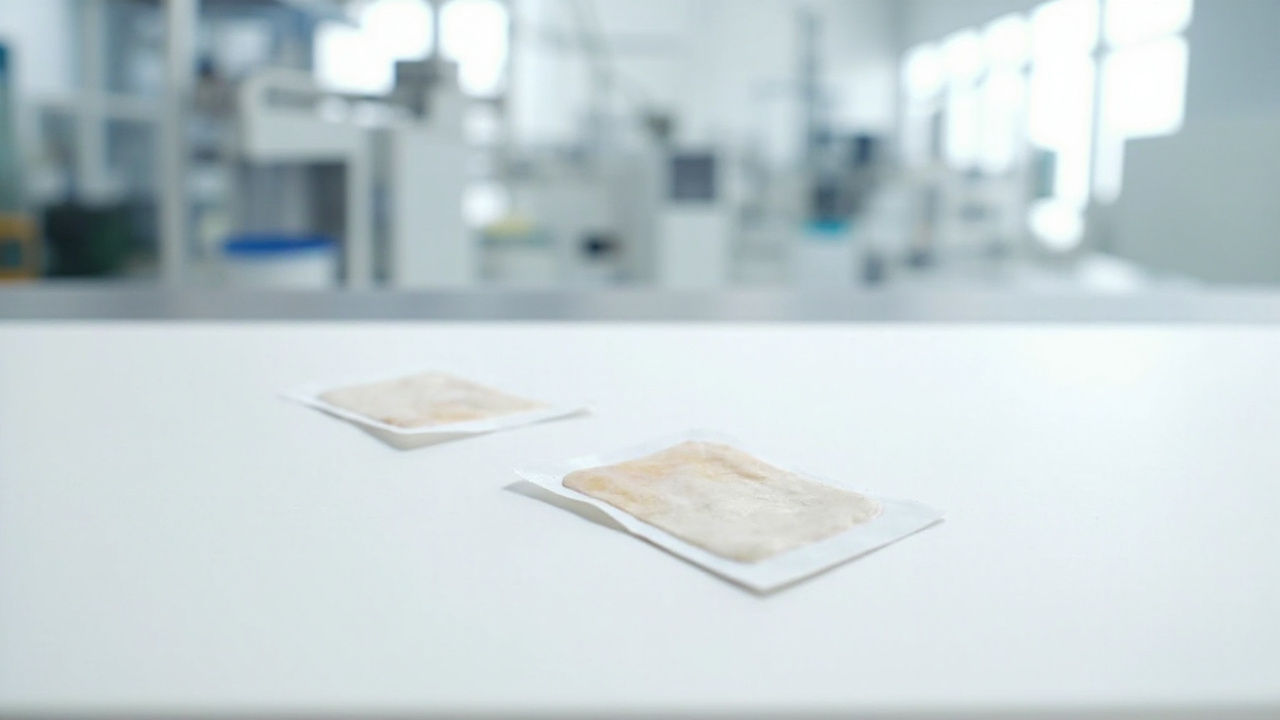
Energy patches are transforming the way consumers access sustained energy, focus, and wellness support. For brands and entrepreneurs, launching a private label energy patch line is a strategic move into a high-growth market. This comprehensive guide covers everything you need to know about energy patch OEM, from formulation science and market data to regulatory compliance and selecting the right manufacturing partner. Whether you’re exploring a caffeine patch manufacturer or seeking B12 patch private label services, this article provides the expert insights to make informed decisions.
Key Takeaways
- Why Energy Patches Are Revolutionizing the Wellness Market
- Key Ingredients: Caffeine, B12, and Botanical Formulations
- Market Trends and Consumer Demand
- Regulatory Landscape for Energy Patch OEM
- How to Choose the Right Energy Patch Manufacturer
- Formulation and Manufacturing Process
Key Takeaways
- The global energy patch market is projected to grow at a CAGR of 7.5% from 2023 to 2030, driven by consumer demand for convenient, sustained-release energy solutions.
- Caffeine and B12 are the most popular active ingredients, but botanical formulations (e.g., green tea extract, ginseng, guarana) are gaining traction for clean-label positioning.
- Choosing an OEM partner with FDA, ISO 13485, and GMP certifications ensures product quality, regulatory compliance, and access to global markets.
- Private label energy patches offer high margins and brand differentiation, with low minimum order quantities (MOQs) available from experienced manufacturers.
- Transdermal delivery bypasses first-pass metabolism, providing steady absorption over 8–12 hours, which appeals to consumers seeking all-day energy without crashes.
Why Energy Patches Are Revolutionizing the Wellness Market
The global energy patch market is experiencing robust growth. According to Grand View Research, the market was valued at approximately $450 million in 2022 and is expected to expand at a compound annual growth rate (CAGR) of 7.5% from 2023 to 2030. This surge is fueled by increasing consumer preference for on-the-go wellness products, the rise of the gig economy, and a growing awareness of the drawbacks of traditional energy drinks—such as sugar crashes and jitteriness.
Energy patches offer a discreet, convenient, and sustained-release alternative. They adhere to the skin and deliver active ingredients directly into the bloodstream, bypassing the digestive system. This transdermal route avoids first-pass metabolism, meaning a lower dose can achieve a more consistent effect. For brands, this represents a lucrative opportunity to tap into the $4.2 billion global energy supplement market (2022, MarketsandMarkets) with a differentiated product format.
Moreover, the shift toward clean-label and functional ingredients aligns perfectly with patch technology. Consumers are increasingly scrutinizing labels and seeking products with recognizable, natural components. Energy patches can be formulated with caffeine, B vitamins, and botanical extracts, offering a transparent and appealing option. As the wellness industry continues to evolve, energy patches are positioned as a premium, science-backed solution.
Key Ingredients: Caffeine, B12, and Botanical Formulations
The efficacy of an energy patch hinges on its formulation. The three primary categories of active ingredients are caffeine, vitamin B12, and botanicals. Each offers distinct benefits and challenges for OEM manufacturing.
Caffeine is the most widely used stimulant. In transdermal form, caffeine is typically delivered at 50–100 mg per patch, providing a gradual release over 8–12 hours. This mimics the effect of a cup of coffee but without the spike-and-crash. A study published in the Journal of Caffeine Research (2019) indicated that transdermal caffeine can improve cognitive performance and alertness for up to 12 hours. However, formulating caffeine patches requires precise control to avoid crystallization and ensure stable release.
Vitamin B12 (cobalamin) is essential for energy metabolism and red blood cell formation. B12 deficiency is common, particularly among vegans and older adults, making B12 patches an attractive supplement. Transdermal B12 bypasses absorption issues related to intrinsic factor, a protein necessary for B12 uptake in the gut. Clinical studies, such as one in the Journal of Clinical Pharmacology (2020), have shown that transdermal B12 can effectively raise serum levels. For OEMs, B12 is often combined with other B vitamins (B6, B9) for a synergistic energy complex.
Botanical formulations are gaining momentum as consumers seek natural alternatives. Common botanicals include green tea extract (EGCG), ginseng, guarana, rhodiola rosea, and ashwagandha. These ingredients offer adaptogenic and stimulant effects with potentially fewer side effects. For example, guarana contains guaranine, a caffeine-like compound, while rhodiola is known for reducing fatigue. However, botanical extracts can be complex to stabilize in a patch matrix, requiring advanced encapsulation or solubilization techniques. A 2023 report by Grand View Research noted that botanical supplements are the fastest-growing segment in the energy patch market, with a CAGR of 9.2%.
Market Trends and Consumer Demand
Understanding market dynamics is crucial for a successful energy patch OEM strategy. Several trends are shaping the industry:
- Clean label and transparency: Consumers demand recognizable ingredients and clear labeling. Patches that highlight natural caffeine from green tea or organic botanicals appeal to this segment.
- Personalization: Brands are offering patches tailored to specific needs, such as pre-workout, study aid, or hangover recovery. This requires flexible OEM capabilities.
- Sustainability: Eco-friendly packaging and biodegradable patch materials are increasingly important. Manufacturers that offer sustainable options gain a competitive edge.
- Convenience and discretion: Patches are easy to use anywhere, without the need for water or mixing. This drives adoption among athletes, professionals, and travelers.
- Regulatory clarity: As the market grows, regulatory bodies are paying closer attention. Compliance with FDA, CE, and other standards is non-negotiable for market access.
According to a 2023 survey by the Natural Marketing Institute, 45% of U.S. adults expressed interest in trying energy patches, citing convenience and sustained effects as primary motivators. This indicates a substantial untapped market for new brands.
Regulatory Landscape for Energy Patch OEM
Navigating regulations is one of the most critical aspects of launching an energy patch line. Depending on the claims and ingredients, energy patches may be classified as cosmetics, dietary supplements, or medical devices. In the U.S., the FDA regulates transdermal patches under different frameworks:
- Dietary supplements: If the patch delivers vitamins, minerals, herbs, or other dietary ingredients, it may fall under DSHEA (Dietary Supplement Health and Education Act). However, the FDA does not recognize transdermal patches as a standard dosage form for dietary supplements, so manufacturers must be cautious with claims.
- Cosmetics: If the patch only affects the appearance (e.g., moisturizing), it can be regulated as a cosmetic. But energy claims typically push it into drug or supplement territory.
- Medical devices: Patches that deliver drugs (e.g., nicotine, hormones) are regulated as drugs or devices. For energy patches with caffeine, the FDA has issued warning letters to companies making drug-like claims without approval.
To ensure compliance, work with an OEM that understands these nuances. International standards such as ISO 13485 (medical devices quality management) and GMP (Good Manufacturing Practices) are essential for producing high-quality patches. CE marking is required for the European market. Kongdy Health, for instance, holds FDA registration, ISO 13485, and GMP certifications, ensuring products meet rigorous quality and safety standards.
It’s also important to consider labeling requirements. In the EU, claims must comply with EFSA regulations. In the U.S., structure/function claims are allowed for dietary supplements but must include a disclaimer. An experienced OEM partner can guide you through the regulatory maze, from formulation to labeling.
How to Choose the Right Energy Patch Manufacturer
Selecting an OEM partner is a pivotal decision. Here are key factors to evaluate:
- Certifications and compliance: Look for FDA registration, ISO 13485, GMP, and CE certifications. These indicate a commitment to quality and regulatory adherence.
- Formulation expertise: The manufacturer should have experience with caffeine, B12, and botanical patches. Ask for stability data and release profiles.
- Customization capabilities: Can they customize patch size, shape, color, and active ingredient dosage? Do they offer private label and white label options?
- Minimum order quantity (MOQ): MOQs vary widely. Some manufacturers require 100,000 units, while others offer low MOQs for startups. Kongdy Health offers flexible MOQs to support brands at any stage.
- Quality control: In-house testing for potency, adhesion, and skin irritation is crucial. Request samples and third-party test reports.
- Lead times and scalability: Ensure the manufacturer can meet your launch timeline and scale production as demand grows.
- Packaging and design support: A full-service OEM provides packaging design, labeling, and fulfillment support.
- Reputation and references: Check client testimonials and case studies. A manufacturer with 120+ country exports, like Kongdy Health, demonstrates global trust.
Conduct thorough due diligence. Request a sample kit, visit the facility if possible, and discuss your long-term goals. The right partner will be a strategic ally in your brand’s success.
Formulation and Manufacturing Process
The manufacturing of energy patches involves several precise steps. First, the active ingredients are mixed with adhesives, solvents, and penetration enhancers to create a homogeneous matrix. This matrix is then coated onto a backing film and dried to remove solvents. A release liner is applied, and the patches are die-cut to the desired size. Quality control tests include weight variation, adhesion, and drug content uniformity.
For caffeine patches, the challenge is to prevent recrystallization, which can reduce efficacy. Manufacturers use techniques like hot-melt extrusion or solvent casting with polymers such as acrylics or silicones. B12 patches require protection from light and moisture, often using opaque backing films. Botanical patches may need encapsulation to stabilize volatile compounds.
Kongdy Health, with over 30 years of experience, has developed proprietary formulations for energy patches. Their R&D team can customize release rates, from fast-acting to extended-release over 24 hours. They also offer a range of adhesive technologies to suit different skin types and climates.
Private Label vs. White Label: Which Is Right for You?
When entering the energy patch market, you can choose between private label and white label. Private label means the product is manufactured exclusively for your brand, with your branding and potentially custom formulation. White label involves a standard product that is rebranded by multiple companies. Private label offers greater differentiation and brand equity, while white label is faster and cheaper to launch.
For energy patches, private label is often preferred because formulation can be tailored to your target audience. For example, a pre-workout patch might have higher caffeine and added taurine, while a daily energy patch might focus on B vitamins and adaptogens. White label options are limited to existing formulas, but they can be a good starting point for testing the market.
Kongdy Health offers both private label and white label services. Their team can help you decide based on your budget, timeline, and brand strategy. With a low MOQ for private label, you can start small and scale up.
Frequently Asked Questions
Q1: What is the typical lead time for energy patch OEM production?
Lead times vary depending on the complexity of the formulation and order quantity. For standard white label products, lead times can be as short as 4–6 weeks. Custom private label formulations may require 8–12 weeks, including R&D, stability testing, and regulatory review. It’s important to factor in time for packaging design and shipping. Kongdy Health typically provides a detailed timeline during the quotation stage, ensuring transparency and efficient project management.
Q2: Are energy patches safe for all consumers?
Energy patches are generally safe for healthy adults when used as directed. However, individuals with caffeine sensitivity, heart conditions, or those taking certain medications should consult a healthcare professional. The transdermal route can cause skin irritation in some users, so patch adhesives should be hypoallergenic and tested for dermal compatibility. Manufacturers should provide clear usage instructions and warnings. Regulatory compliance, such as FDA and CE, ensures that safety standards are met.
Q3: Can I combine caffeine, B12, and botanicals in one patch?
Yes, combination patches are popular and can offer synergistic benefits. However, formulating multiple actives requires careful consideration of compatibility and release kinetics. For example, caffeine and B12 have different optimal pH levels for stability, so the matrix must be designed to accommodate both. Botanicals may also interact with other ingredients. An experienced OEM like Kongdy Health can develop stable combination patches through advanced formulation techniques and rigorous testing.
Conclusion: Your Partner in Energy Patch Innovation
Launching an energy patch line is a promising venture in the booming wellness market. With the right OEM partner, you can navigate formulation, regulatory, and manufacturing challenges with confidence. Kongdy Health, a leading caffeine patch manufacturer and B12 patch private label provider, has been serving brands worldwide since 1989. With FDA, ISO 13485, and GMP certifications, they ensure the highest quality standards. Whether you’re a startup or an established brand, Kongdy Health offers flexible OEM/ODM services to bring your vision to life. Contact Kongdy Health today to discuss your energy patch project and receive a free consultation.
Sources
- Grand View Research – Energy Patch Market Report
- MarketsandMarkets – Energy Supplement Market
- FDA – Dietary Supplements
- ISO 13485:2016 – Medical devices Quality management systems