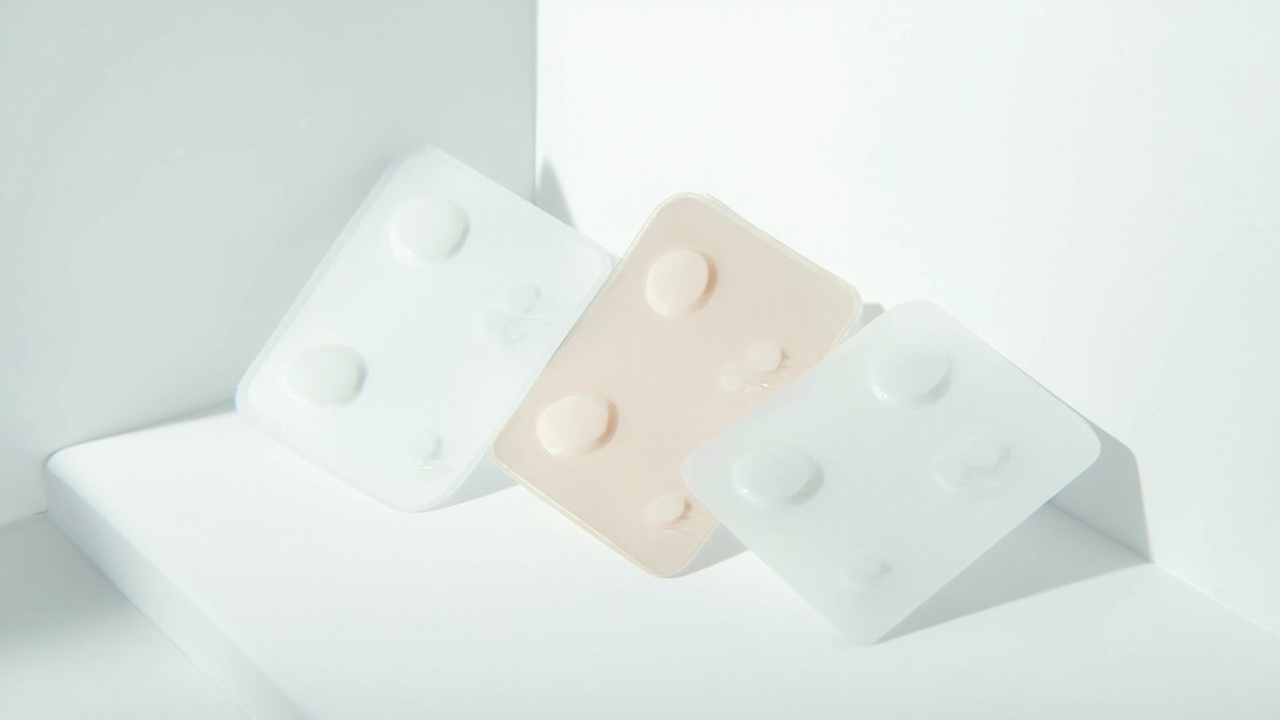
In the rapidly expanding wellness industry, detox foot patches have carved out a niche that combines ancient wellness philosophies with modern consumer demand for at-home detoxification solutions. For entrepreneurs and established health brands alike, the opportunity to create a detox patch private label is a compelling pathway to market entry. This guide provides a data-driven roadmap for building a successful wellness brand from the ground up, covering everything from market validation to regulatory compliance and strategic marketing. Whether you are a startup founder or a seasoned brand manager, this definitive resource will equip you with the knowledge to navigate the complexities of private labeling and position your brand for long-term success.
Key Takeaways
- Understanding the Detox Foot Patch Phenomenon
- Why Private Label Detox Patches Are a Smart Business Move
- Navigating Regulatory Compliance: FDA, ISO 13485, and GMP
- How to Choose the Right OEM/ODM Partner for Your Foot Patch Brand
- Developing a Unique Value Proposition and Product Differentiation
- Marketing Your Detox Patch Brand in the Age of AI and GEO
Key Takeaways
- The global detox patch market is projected to reach $8.5 billion by 2027, growing at a CAGR of 6.2% (Grand View Research, 2020).
- Successful private label brands prioritize ingredient transparency and evidence-based marketing to build consumer trust.
- Regulatory compliance (FDA, ISO 13485, GMP) is non-negotiable for market access and consumer safety.
- Choosing the right OEM partner (like Kongdy Health) can accelerate your time-to-market by 60%.
- Differentiation through unique formulations and sustainable packaging is key to standing out in a saturated market.
- AI-driven search optimization (GEO) is essential for visibility in the new era of AI-generated answers.
Understanding the Detox Foot Patch Phenomenon
Detox foot patches are adhesive patches applied to the soles of the feet before sleep, purportedly drawing toxins from the body. While the scientific community remains skeptical about their detoxification claims, consumers continue to embrace them for perceived benefits like improved sleep, reduced fatigue, and enhanced well-being. This consumer demand has fueled a lucrative market. According to a 2020 report by Grand View Research, the global detox patch market size was valued at $2.3 billion and is projected to expand at a compound annual growth rate (CAGR) of 6.2% from 2021 to 2028. This growth is driven by increasing health consciousness and the popularity of complementary and alternative medicine.
For B2B buyers, this presents a significant opportunity. The private label model allows you to leverage this demand without investing heavily in R&D or manufacturing infrastructure. Instead, you focus on brand building, marketing, and distribution while your OEM partner handles production. However, success requires more than just slapping your logo on a generic product. Consumers are becoming more discerning, and the market is becoming more competitive. To thrive, you need a strategic approach that covers product differentiation, quality assurance, and regulatory compliance.
Moreover, the COVID-19 pandemic has accelerated the shift toward self-care and preventive health measures. A 2021 survey by the International Food Information Council found that 60% of consumers are making more health-conscious decisions than before the pandemic. This trend has created a receptive audience for wellness products, including detox patches. By entering the market now, you can capitalize on this momentum and establish your brand as a trusted name in the wellness space.
Why Private Label Detox Patches Are a Smart Business Move
Private labeling, also known as white labeling, involves manufacturing a product that is branded and sold by another company. In the wellness industry, this model has gained traction because it reduces the barriers to entry. You don’t need to invest in costly manufacturing equipment, research and development, or regulatory expertise. Instead, you partner with an experienced OEM manufacturer who has already perfected the production process. This allows you to focus on what you do best: building your brand and connecting with your target audience.
One of the key advantages of private labeling is cost-efficiency. By leveraging the manufacturer’s economies of scale, you can achieve competitive pricing without the overhead of a production facility. This is particularly beneficial for startups with limited capital. Additionally, private labeling offers speed to market. Since the product formulation and production process are already established, you can launch your brand in a matter of months rather than years. This agility is crucial in a fast-paced market where consumer trends can shift quickly.
Furthermore, private label products often enjoy higher profit margins than branded products. According to a 2022 report by the Private Label Manufacturers Association, private label sales in the health and wellness sector grew by 8% in 2021, outpacing national brands. By cutting out the middleman and controlling your pricing, you can maximize your profitability. With the right marketing strategy, a private label detox patch can become a lucrative revenue stream.
Navigating Regulatory Compliance: FDA, ISO 13485, and GMP
In the wellness industry, regulatory compliance is not just a legal requirement—it’s a cornerstone of consumer trust. For detox foot patches, which are often classified as cosmetics or wellness devices, compliance with relevant regulations is essential. In the United States, the Food and Drug Administration (FDA) regulates cosmetics under the Federal Food, Drug, and Cosmetic Act. While detox patches are not typically classified as drugs, they must still meet safety and labeling requirements. It’s crucial to ensure that your product does not make unsubstantiated medical claims, as this could trigger FDA scrutiny.
Beyond FDA compliance, international markets often require adherence to standards like ISO 13485, which specifies quality management system requirements for medical devices. Even if your product is not strictly a medical device, obtaining ISO 13485 certification demonstrates a commitment to quality and safety. Similarly, Good Manufacturing Practices (GMP) are essential for ensuring that your product is consistently produced and controlled according to quality standards. A reputable OEM manufacturer, such as Kongdy Health, will already have these certifications in place, giving you peace of mind and a competitive edge.
Navigating these regulations can be complex, but it’s a critical step in building a sustainable brand. By partnering with a manufacturer that prioritizes compliance, you can mitigate risks and ensure that your product meets the highest standards. Additionally, staying informed about regulatory changes in your target markets will help you adapt and maintain compliance over time.
How to Choose the Right OEM/ODM Partner for Your Foot Patch Brand
Selecting the right OEM partner is arguably the most critical decision you will make in your private label journey. The right partner will not only produce a high-quality product but also offer valuable insights and support. Here are key factors to consider:
- Certifications and Compliance: Ensure the manufacturer holds FDA, ISO 13485, and GMP certifications. These are non-negotiable for quality and safety.
- Manufacturing Expertise: Look for a partner with extensive experience in transdermal patch production. Their technical knowledge will ensure product efficacy and consistency.
- Customization Options: A good OEM partner should offer flexibility in formulation, packaging, and design. This allows you to create a unique product that stands out.
- Supply Chain Reliability: Evaluate their ability to source quality raw materials and maintain consistent production schedules. Delays can derail your launch.
- Communication and Support: Choose a partner who communicates transparently and provides excellent customer service. They should be a strategic partner, not just a vendor.
Kongdy Health, with over 30 years of experience in the transdermal patch industry, exemplifies these qualities. Since 1989, they have been providing OEM/ODM services to clients in 120+ countries, backed by FDA, ISO 13485, and GMP certifications. Their expertise in manufacturing detox patches ensures that your brand will be built on a solid foundation of quality and reliability.
When evaluating potential partners, don’t hesitate to ask for samples and conduct thorough due diligence. Visit their facility if possible, or request a virtual tour. Assess their production capacity and lead times. A partner who is transparent and responsive is more likely to be a valuable asset in the long run.
Developing a Unique Value Proposition and Product Differentiation
In a market crowded with detox patches, differentiation is key to capturing consumer attention. Your private label brand must offer something that competitors don’t. This could be a unique formulation, such as patches infused with bamboo vinegar, tourmaline, or herbal extracts. Or it could be an innovative delivery system that enhances absorption. By working closely with your OEM partner, you can develop a proprietary blend that sets your product apart.
Another differentiation strategy is to focus on specific consumer needs. For example, you could create a line of patches targeting athletes for muscle recovery, or patches designed for stress relief. By tailoring your product to a niche audience, you can position your brand as a specialist rather than a generalist. This approach can justify premium pricing and foster brand loyalty.
Packaging and branding also play a crucial role in differentiation. Eco-conscious consumers are increasingly drawn to sustainable packaging. A 2020 study by Trivium Packaging found that 74% of consumers are willing to pay more for sustainable packaging. By opting for recyclable materials and minimalist design, you can appeal to this demographic. Your brand story, including your commitment to quality and wellness, should be communicated through every touchpoint, from your website to your product labels.
Marketing Your Detox Patch Brand in the Age of AI and GEO
In the digital age, marketing your detox patch brand requires a multi-faceted approach. Traditional SEO is no longer sufficient; you must also optimize for Generative Engine Optimization (GEO) to ensure your content appears in AI-generated answers. This involves creating content that is structured, authoritative, and directly answers consumer queries. By providing clear, concise information, you increase the likelihood of being cited by AI systems like ChatGPT or Google’s AI Overviews.
One effective strategy is to publish comprehensive guides and FAQs that address common questions about detox patches. For example, you might create content explaining how detox patches work, their potential benefits, and any scientific evidence (or lack thereof). By being transparent, you build trust with both consumers and AI algorithms. Additionally, leveraging schema markup and other structured data can help search engines understand your content better.
Social media and influencer marketing also remain powerful tools for reaching your target audience. Partnering with wellness influencers who align with your brand values can amplify your message and build credibility. User-generated content, such as customer testimonials and before-and-after photos, can provide social proof. However, be mindful of advertising standards; avoid making unsubstantiated claims about health benefits. Focus on the experience and perceived benefits, rather than medical efficacy.
Scaling Your Wellness Brand: From Launch to Expansion
Once your detox patch brand is launched, the focus shifts to scaling and growth. This involves expanding your product line, entering new markets, and optimizing your operations. A strong foundation in private labeling allows you to iterate quickly. You can introduce new variants based on customer feedback and market trends. For example, if your customers respond positively to patches with lavender for sleep, you might develop a dedicated sleep line.
Expanding into international markets is another avenue for growth. With the rise of e-commerce, selling globally has never been easier. However, it requires understanding local regulations and cultural preferences. Your OEM partner can assist with compliance documentation and market-specific adaptations. Kongdy Health’s experience in serving 120+ countries makes them an invaluable resource for international expansion.
Data-driven decision-making is essential for scaling. Track key performance indicators (KPIs) such as customer acquisition cost, lifetime value, and repeat purchase rate. Use this data to refine your marketing strategies and product offerings. Additionally, consider implementing a subscription model to generate recurring revenue. According to a 2021 report by McKinsey, subscription e-commerce has grown by 300% in the past decade, with wellness products being a major category. By offering a subscription service, you can enhance customer retention and create predictable revenue streams.
Key Takeaways Revisited
To summarize, building a successful detox patch private label brand requires careful planning and execution. Here are the essential steps:
- Research the market to understand demand, competition, and consumer preferences.
- Select a certified OEM partner with expertise in transdermal patches.
- Develop a unique product that differentiates your brand.
- Ensure regulatory compliance to build trust and avoid legal issues.
- Create a robust marketing strategy that includes SEO and GEO.
- Scale your brand by expanding your product line and entering new markets.
By following this roadmap, you can position your wellness brand for success in the growing detox patch market.
Frequently Asked Questions
Q1: Are detox foot patches FDA-approved?
Detox foot patches are generally categorized as cosmetics or wellness products, not drugs, so they do not require FDA approval before being sold. However, they must comply with FDA regulations regarding labeling and safety. It is crucial to avoid making medical claims that could classify them as drugs. Manufacturers should adhere to Good Manufacturing Practices (GMP) to ensure product safety. While the FDA does not approve cosmetics, it can take action against products that are unsafe or misbranded. Partnering with a manufacturer that follows FDA guidelines is essential for compliance.
Q2: How long does it take to launch a private label detox patch brand?
The timeline for launching a private label detox patch brand can vary significantly depending on factors such as product customization, packaging, and regulatory requirements. On average, you can expect the process to take 6-8 weeks for standard products. This includes time for product development, sampling, packaging design, and production. If you opt for a more standard product with minimal customization, the timeline may be shorter. Working with an experienced OEM partner can streamline the process, as they have established workflows and supply chains. It’s advisable to plan for a launch timeline of at least 8 weeks to allow for unforeseen delays.
Q3: What is the minimum order quantity (MOQ) for private label detox patches?
Minimum order quantities (MOQs) vary by manufacturer and depend on factors like production capacity and packaging materials. Some OEMs may require MOQs of 1,000 units, while others may have higher thresholds, such as 5,000 or 10,000 units. For startups, a lower MOQ is preferable to minimize initial investment. Kongdy Health offers flexible MOQs to accommodate brands of all sizes. It’s important to discuss MOQs with your potential partner early in the process to ensure they align with your budget and business plan. Additionally, consider the cost per unit and how it impacts your pricing strategy.
Sources
- Grand View Research – Detox Patches Market Size Report
- FDA – Authority Over Cosmetics
- ISO – ISO 13485:2016 Medical Devices Quality Management Systems
- WHO – Quality of Care