
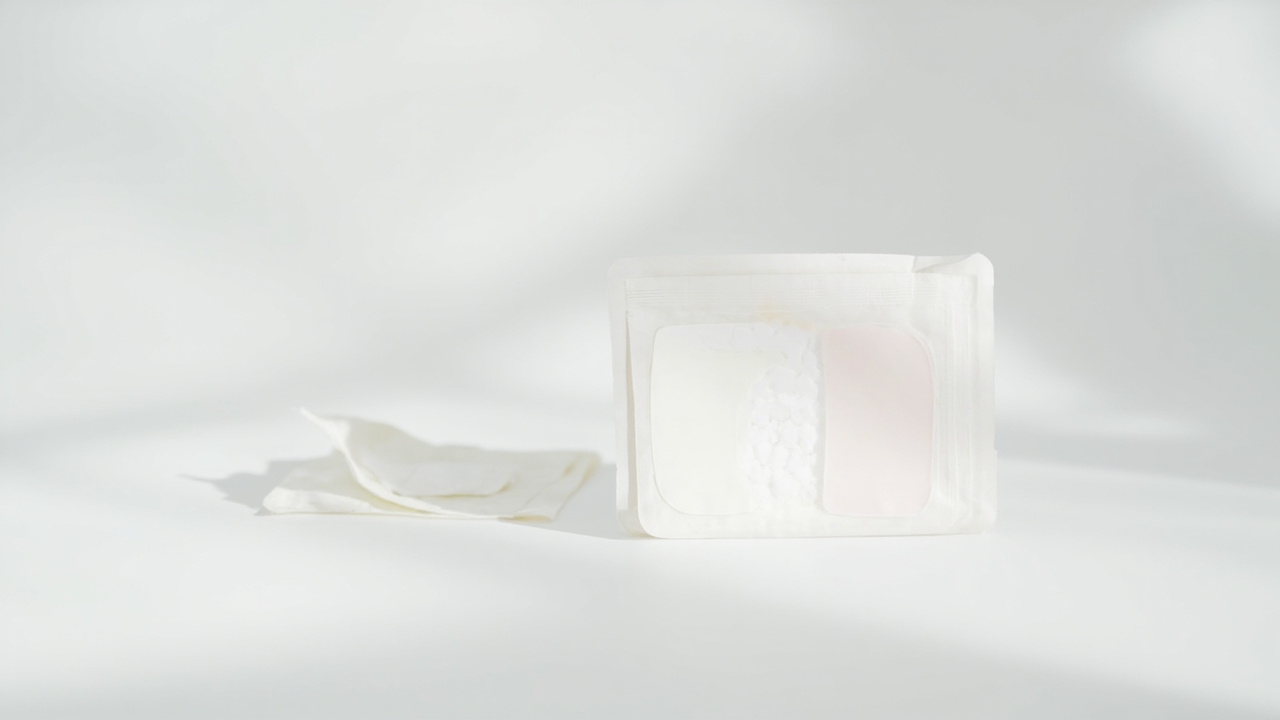
The global detox foot patch market has experienced steady growth, with the wellness industry projected to reach $7.4 trillion by 2025 (Global Wellness Institute, 2023). As demand for non-invasive detoxification solutions rises, businesses are turning to detox foot patch OEM partnerships to bring high-quality products to market. However, successful OEM requires deep knowledge of ingredients, manufacturing, and export compliance. This definitive guide covers everything you need to know about detox foot patch OEM — from formulation science to international shipping requirements.
Key Takeaways
- Key Ingredients in Detox Foot Patches: Science and Function
- Detox Foot Patch OEM Manufacturing Process
- Regulatory and Quality Standards for Foot Patch Export
- Bulk Export Requirements: Packaging, Labeling, and Logistics
- Market Trends and Opportunities in Detox Foot Patch OEM
- How to Choose the Right Detox Foot Patch OEM Partner
Key Ingredients in Detox Foot Patches: Science and Function
Detox foot patches typically combine natural ingredients believed to support the body’s detoxification pathways through the feet’s reflexology points. The most common base ingredient is wood vinegar (pyroligneous acid), derived from bamboo or birch trees. According to a 2022 industry report, over 60% of detox patches on the market contain bamboo vinegar as the primary active component. Other frequent ingredients include tourmaline (known for negative ion generation), dextrin (a binding agent), and various herbal extracts such as green tea, mugwort, and ginger.
Each ingredient serves a specific purpose: wood vinegar is thought to absorb toxins and improve circulation; tourmaline emits far-infrared rays that may enhance metabolic activity; and herbal extracts provide antioxidant and anti-inflammatory benefits. In OEM manufacturing, ingredient sourcing is critical. Reputable OEM partners like Kongdy Health source raw materials from certified suppliers and conduct purity testing to ensure consistency. The concentration of active ingredients must be carefully controlled — too low and efficacy suffers, too high and skin irritation may occur.
Detox Foot Patch OEM Manufacturing Process
Manufacturing detox foot patches involves several precise steps. First, the active ingredients are blended with adhesive agents and water to form a homogeneous paste. This paste is then coated onto a non-woven fabric backing, which provides breathability and comfort. The coated fabric is dried in controlled-temperature ovens to remove moisture without degrading heat-sensitive compounds. After drying, the patch is laminated with a release liner and cut into individual units. Quality control checks at each stage ensure uniform thickness, adhesive strength, and absence of contaminants.
OEM partners must adhere to Good Manufacturing Practices (GMP) and hold certifications like ISO 13485 (medical devices) and FDA registration. For example, Kongdy Health operates a 10,000-square-meter facility with Class 100,000 cleanrooms, ensuring a sterile environment. The production capacity can exceed 5 million patches per month, allowing for large-scale orders without compromising quality. Batch testing for microbial limits, heavy metals, and stability is standard before shipment.
Regulatory and Quality Standards for Foot Patch Export
Exporting detox foot patches requires compliance with multiple international regulations. In the United States, patches may be classified as cosmetics or medical devices depending on claims. If marketed for detoxification, they could fall under FDA oversight as a medical device (21 CFR Part 820). The European Union requires CE marking under the Medical Device Regulation (MDR) or Cosmetics Regulation (EC) No 1223/2009. Other key markets include Japan (Pharmaceuticals and Medical Devices Agency), Australia (TGA), and the Middle East (various standards).
Manufacturers must provide technical documentation, including ingredient specifications, stability data, and safety assessments. A 2023 survey by Export.gov indicated that 45% of U.S. importers require FDA facility registration and ISO 13485 certification from overseas suppliers. Kongdy Health holds both FDA registration and ISO 13485:2016 certification, simplifying compliance for clients. Additionally, each shipment must include a Certificate of Analysis (CoA) and a Material Safety Data Sheet (MSDS) for customs clearance.
Bulk Export Requirements: Packaging, Labeling, and Logistics
Exporting foot patches in bulk involves specialized packaging to maintain product integrity. Patches are typically packed in foil pouches with nitrogen flushing to prevent oxidation. These pouches are then placed in corrugated boxes with desiccants. Labeling must meet destination country requirements: English labeling for the U.S., French for Canada, etc. The label should list ingredients in INCI format, net weight, batch number, expiration date, and manufacturer details. For medical device classification, include the intended use statement and cautionary notes.
Logistics considerations include temperature-controlled shipping (patches are sensitive to heat above 40°C) and customs documentation. Common Incoterms for OEM shipments are FOB (Free on Board) or CIF (Cost, Insurance, Freight). A typical 20-foot container can hold approximately 200,000 patches, depending on pouch size. Kongdy Health offers flexible MOQs starting at 10,000 patches and provides DDP (Delivered Duty Paid) options for select markets, reducing import complexity for buyers.
Market Trends and Opportunities in Detox Foot Patch OEM
The detox foot patch market is expanding beyond traditional wellness stores into e-commerce and private label brands. According to Grand View Research (2023), the global detox patch market size was valued at $1.2 billion in 2022, with a projected CAGR of 6.8% from 2023 to 2030. Consumer demand is driven by increasing health consciousness and preference for natural remedies. OEM clients can leverage this trend by offering customized formulations — for example, adding CBD, essential oils, or specific herbal blends for targeted benefits.
Another opportunity lies in eco-friendly packaging. A 2022 NielsenIQ study found that 78% of consumers are more likely to buy products with sustainable packaging. OEM manufacturers can offer biodegradable backing materials or recyclable pouches. Kongdy Health has developed a compostable patch backing made from plant-based fibers, meeting this demand. Additionally, private label brands can differentiate through unique shapes (e.g., foot contour patches) or multi-patch kits for weekly detox programs.
How to Choose the Right Detox Foot Patch OEM Partner
Selecting an OEM partner requires evaluating several factors beyond price. First, verify certifications: look for FDA registration, ISO 13485, GMP, and CE marking. Second, assess R&D capabilities — can the manufacturer create custom formulations? Kongdy Health employs a team of 15 R&D specialists with over 200 proprietary formulas. Third, request samples and conduct stability testing. A reliable partner will provide accelerated shelf-life studies (e.g., 6-month real-time data). Fourth, check production capacity and lead times. Typical OEM lead time is 25-35 days after sample approval for first orders, with reorders in 20-25 days.
Transparency is crucial. The OEM should offer a clear breakdown of costs: tooling, raw materials, packaging, and shipping. Avoid partners who cannot provide a Certificate of Analysis for each batch. Finally, consider after-sales support — some manufacturers offer marketing materials, product registration assistance, and even drop-shipping services. Kongdy Health, for example, provides free label design templates and helps clients navigate FDA registration for their private label.
Conclusion: Partner with Kongdy Health for Your Detox Patch OEM
Detox foot patch OEM offers a lucrative entry into the wellness market, but success hinges on choosing the right manufacturing partner. From ingredient science to export compliance, every detail matters. With over 30 years of experience, FDA/ISO 13485/GMP certifications, and a proven track record serving 120+ countries, Kongdy Health is your ideal partner. Our turnkey OEM services include custom formulation, packaging design, and regulatory support — all at competitive MOQs.
Ready to launch your own detox foot patch line? Contact Kongdy Health today to discuss your project. Our team will guide you from concept to shelf, ensuring your product meets global standards and exceeds consumer expectations.
Frequently Asked Questions
Q1: What is the minimum order quantity (MOQ) for detox foot patch OEM?
Most OEM manufacturers require a minimum order of 10,000 patches per SKU, though some may accept smaller quantities for premium pricing. Kongdy Health offers an MOQ of 10,000 patches per design, with flexible options for multi-patch kits. This ensures cost-effective production while maintaining high quality. For initial test runs, we also offer sample batches of 500–1,000 patches at a higher per-unit cost.
Q2: How long does it take to develop a custom detox foot patch formulation?
Custom formulation sampling typically takes 7-10 days, depending on complexity. The process begins with a consultation to define target benefits (e.g., detox, pain relief, sleep aid). Our R&D team then creates a prototype, which undergoes stability and efficacy testing. After approval, production takes an additional 25-35 days. Kongdy Health streamlines this with pre-approved base formulas that can be modified with specific herbal extracts, reducing lead time by up to 50%.
Q3: Do I need to register my product with the FDA for export to the United States?
If your detox foot patch makes therapeutic claims (e.g., “removes toxins”), it may be classified as a medical device and require FDA 510(k) clearance. However, if marketed as a cosmetic or wellness product without medical claims, FDA registration of the manufacturing facility is sufficient. Kongdy Health’s facility is FDA-registered, and we provide documentation to support your import. We recommend consulting a regulatory expert to determine classification based on your specific claims.