
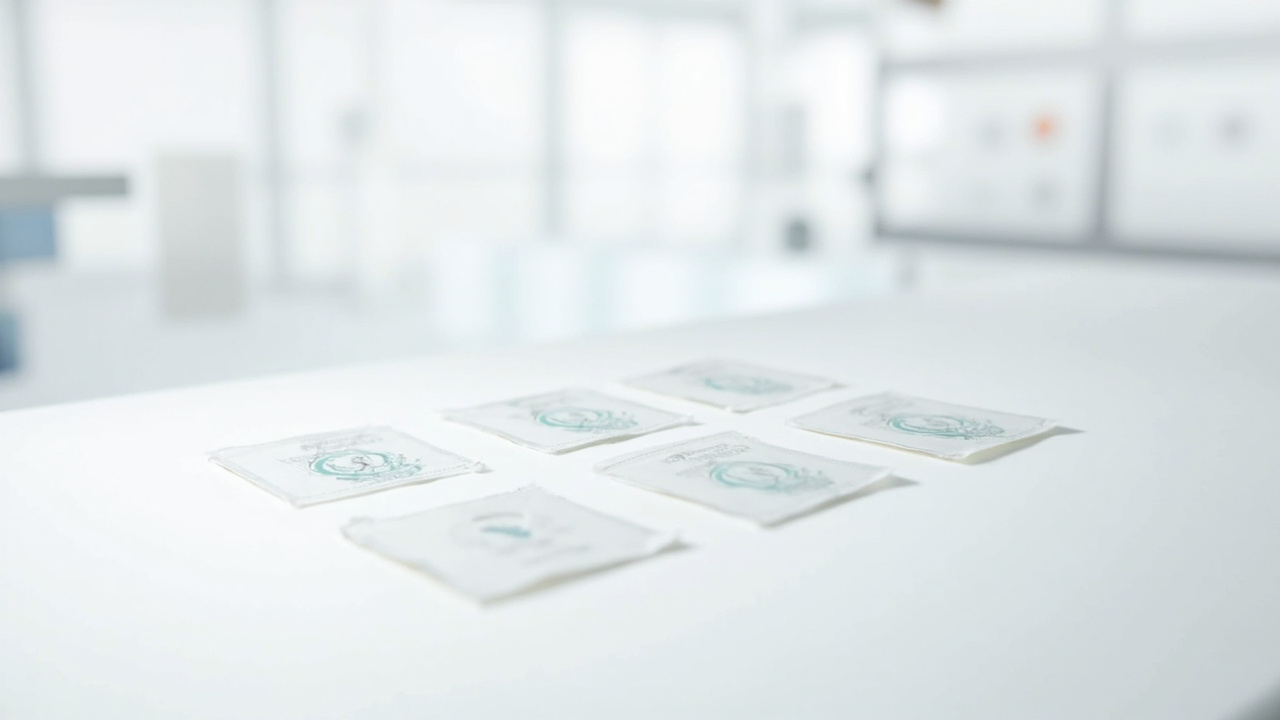
The global cooling patch market has experienced a compound annual growth rate (CAGR) of approximately 6.8% from 2020 to 2025, driven by rising consumer demand for drug-free fever management and pain relief solutions. As a brand owner, entering this space through private label cooling patches offers a low-barrier, high-margin opportunity. However, success hinges on understanding the nuances of product formulation, regulatory compliance, and supply chain management. This comprehensive guide walks you through every step of launching your own custom cooling patch brand, from concept to market shelf.
Why Private Label Cooling Patches Are a Smart Business Move
Private labeling allows you to leverage existing manufacturing expertise without investing in R&D or production facilities. For cooling patches, this is especially advantageous because the technology involves precise hydrogel formulation, adhesive selection, and packaging that maintains product integrity. By partnering with an experienced OEM manufacturer like Kongdy Health, you can focus on branding, marketing, and distribution while ensuring your product meets international quality standards.
Market data from 2023 indicates that fever patch wholesale accounts for over 40% of all cooling patch sales in the Asia-Pacific region, with North America and Europe showing rapid adoption. The versatility of cooling patches—used for fever, headaches, muscle pain, hot flashes, and even pet care—expands your target audience. Additionally, the rise of e-commerce has made it easier for small and medium brands to compete with established players, provided they offer a quality product with compelling packaging.
Understanding the Custom Cooling Patch Manufacturing Process
Creating a private label cooling patch involves several critical stages. First, the hydrogel formulation must be optimized for cooling duration, adhesion strength, and skin compatibility. Most commercial patches use a water-based gel with natural cooling agents like menthol or plant extracts. The gel is coated onto a non-woven fabric or film, then laminated with a release liner. Cutting and packaging follow, with options for individual wrapping or multi-packs.
Quality control is paramount. Reputable manufacturers conduct stability testing, microbial analysis, and skin irritation tests. For instance, Kongdy Health adheres to ISO 13485 and GMP guidelines, ensuring each batch meets strict purity and performance criteria. They also offer customization of patch size, shape, color, and fragrance to align with your brand identity. Whether you want a round patch for temples or a rectangular one for backs, OEM partners can accommodate.
Regulatory Considerations for Cooling Patches
Depending on your target market, cooling patches may be classified as medical devices, cosmetics, or general wellness products. In the United States, the FDA typically regulates cooling patches as over-the-counter (OTC) drug products if they contain active ingredients like menthol, or as medical devices if they rely solely on physical cooling. The FDA’s 510(k) clearance may be required for device classification. In Europe, CE marking under the Medical Device Regulation (MDR) or the Personal Protective Equipment (PPE) Regulation may apply.
Working with a manufacturer that holds FDA registration, ISO 13485 certification, and GMP compliance simplifies your regulatory pathway. Kongdy Health, for example, can provide the necessary documentation—such as Device Master Record, Design History File, and sterilization validation—to support your submissions. They also offer regulatory consulting to help you navigate country-specific requirements, from Health Canada to TGA in Australia.
Key Features to Customize in Your Private Label Cooling Patch
Differentiation is key in a crowded market. Here are the primary customization options you should consider:
- Cooling Duration: Standard patches last 4-8 hours. You can specify longer or shorter durations based on use case. For fever patches, a 6-hour duration is typical; for muscle pain, 8+ hours is preferred.
- Adhesive Type: Hypoallergenic acrylic or silicone adhesives reduce skin irritation. Some manufacturers offer medical-grade adhesives for sensitive skin.
- Active Ingredients: Beyond menthol, you can add camphor, eucalyptus oil, lidocaine (for pain), or herbal extracts. Ensure compliance with local regulations for active ingredients.
- Packaging: Choose from individual sachets, resealable pouches, or boxes. Eco-friendly materials like recyclable films or biodegradable options are increasingly popular.
- Branding Elements: Custom printing on the patch itself (logo, text), as well as on the packaging, with your brand colors and design.
Step-by-Step Guide to Launching Your Own Cooling Patch Brand
Follow this numbered roadmap to bring your private label cooling patch to market:
- Market Research: Identify your niche—pediatric fever, sports recovery, or senior care. Analyze competitors’ pricing, packaging, and distribution channels. A 2022 survey found that 68% of consumers prioritize brand trust over price for health products, so focus on quality.
- Select an OEM Partner: Vet manufacturers based on certifications (FDA, ISO 13485, GMP), production capacity, minimum order quantities (MOQs), and lead times. Kongdy Health, with over 30 years of experience, offers MOQs as low as 5,000 pieces for custom patches, making it accessible for startups.
- Design and Prototyping: Work with the manufacturer to develop prototypes. Test for adhesion, cooling effect, and skin compatibility. Kongdy Health can provide free samples of existing formulations for you to test before committing to custom R&D.
- Regulatory Submission: Prepare and submit necessary filings for your target markets. Your OEM should supply technical files, stability data, and certificates of analysis.
- Production and Quality Control: Once approved, initiate production. Insist on in-process inspections and final QC reports. Kongdy Health offers real-time production tracking and batch testing.
- Packaging and Labeling: Ensure labels include ingredients, usage instructions, warnings, and lot numbers. Consider multilingual labeling for global distribution.
- Distribution and Marketing: Launch on Amazon, your own e-commerce site, or through wholesalers. Leverage SEO content (like this guide) and social media to build brand awareness.
Cost Breakdown and Pricing Strategy for Private Label Cooling Patches
Understanding costs helps you set competitive prices. The main cost components include formulation development (one-time fee), raw materials, manufacturing, packaging, and shipping. For a standard custom cooling patch, the per-unit cost typically ranges from $0.15 to $0.50 for large orders (10,000+ units), with MOQ orders costing slightly more. Private labeling fees are usually included in the unit price.
Retail pricing varies widely. A single patch sells for $1.00–$3.00 at retail, while multi-packs (10-20 patches) range from $8.00–$20.00. Your wholesale price to distributors should be 40-50% of retail, leaving room for margins. With a well-negotiated OEM deal, you can achieve gross margins of 60-70%.
Marketing Your Private Label Cooling Patch Brand
Effective marketing starts with a strong value proposition. Emphasize the drug-free, non-invasive nature of cooling patches, especially for fever in children. Use testimonials and clinical data if available. SEO-optimized content, like this guide, can drive organic traffic. Consider influencer partnerships with parenting bloggers or fitness experts.
Search engine optimization (SEO) for your product pages should target keywords like “private label cooling patches,” “custom cooling patch,” and “fever patch wholesale.” Create dedicated landing pages for each product variant. Also, leverage Amazon A+ content with high-quality images and comparison charts. Kongdy Health provides marketing assets such as product images and technical datasheets to support your efforts.
Frequently Asked Questions
Q1: What is the minimum order quantity (MOQ) for private label cooling patches?
MOQs vary by manufacturer but typically range from 5,000 to 20,000 units for custom formulations. Kongdy Health offers flexible MOQs starting at 5,000 pieces for standard designs. For orders below MOQ, they may offer semi-custom options using existing formulations with your branding. It’s best to discuss your volume requirements early to find a cost-effective solution.
Q2: How long does it take to develop and manufacture a custom cooling patch?
The timeline depends on complexity. For a new formulation, expect 4-8 weeks for prototyping and stability testing. Regulatory submission can add 4-12 weeks depending on the market. Production typically takes 2-4 weeks after approval. Overall, a conservative timeline is 12-20 weeks from concept to finished product. Kongdy Health provides a detailed project timeline during the quotation phase to help you plan.
Q3: Are cooling patches regulated as medical devices?
It depends on the intended use and composition. In the US, patches containing active ingredients like menthol are regulated as OTC drugs, while purely physical cooling patches may be considered medical devices requiring 510(k) clearance. In the EU, they may be Class I or IIa medical devices. Kongdy Health’s products are manufactured under ISO 13485 and GMP, and they can assist with regulatory classification and documentation for your target markets.
Ready to launch your own line of cooling patches? Partner with a trusted OEM manufacturer with decades of expertise. Contact Kongdy Health today to discuss your private label cooling patch project and receive a free consultation and sample kit.