
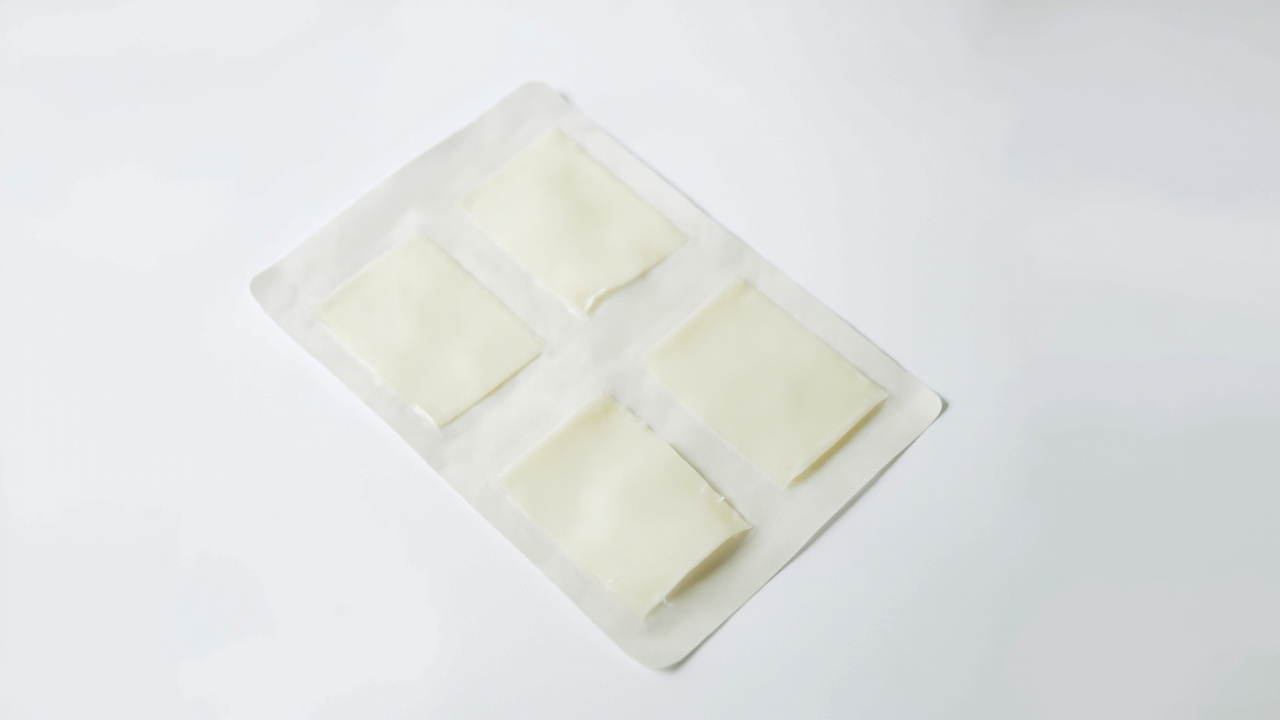
If you are a B2B buyer evaluating melatonin delivery formats, the short answer is this: for products targeting sustained overnight sleep support with minimized first-pass metabolism, transdermal melatonin patches are the superior choice; for immediate-release, low-cost sleep aids, oral tablets remain more economical. This guide compares melatonin patch vs tablet absorption, bioavailability, and manufacturing realities to help you decide which format fits your brand and market.
Key Takeaways
- Understanding Melatonin Absorption: Oral vs Transdermal
- Head-to-Head Comparison: Melatonin Patch vs Tablet
- Bioavailability and Pharmacokinetics: What the Data Say
- Choose the Patch If / Choose the Tablet If
- Cost and MOQ Reality for B2B Buyers
- Manufacturing and Regulatory Considerations
Key Takeaways
- Transdermal melatonin bypasses first-pass liver metabolism, potentially improving bioavailability and providing steadier plasma levels over 6–8 hours compared to oral tablets.
- Oral melatonin bioavailability is highly variable (typically 3–15%) due to hepatic metabolism and individual differences; patches can reduce this variability.
- Patches offer longer duration and slower onset (30–60 min) versus tablets (15–30 min), making them better for sleep maintenance than sleep onset.
- Unit cost for patches is higher (roughly $0.15–$0.50 at scale) than tablets ($0.02–$0.10), but premium positioning and differentiation can justify the price.
- Regulatory pathways differ: tablets often require FDA NDI or GRAS notifications, while patches may need additional skin safety and adhesion data under ISO 13485/GMP.
- Kongdy Health can prototype both formats for side-by-side comparison, leveraging 36+ years of OEM/ODM experience and FDA/ISO 13485/GMP certifications.
As the sleep supplement market continues to expand—valued at over $80 billion globally in 2023 (Grand View Research)—brands are seeking delivery formats that improve efficacy and consumer experience. Melatonin, a hormone critical for circadian rhythm regulation, is one of the most popular ingredients, with global sales exceeding $1.5 billion in 2022 (MarketsandMarkets). However, the efficacy of melatonin depends heavily on delivery: oral tablets face significant first-pass metabolism, while transdermal patches offer a bypass. This article provides a comprehensive comparison of melatonin patch vs tablet, focusing on absorption, bioavailability, and practical considerations for B2B buyers.
Understanding Melatonin Absorption: Oral vs Transdermal
Oral melatonin is absorbed primarily in the small intestine, but it undergoes extensive first-pass metabolism in the liver, where it is rapidly sulfated and glucuronidated. This results in low and highly variable systemic bioavailability, typically ranging from 3% to 15% (NIH, 2020). Peak plasma concentrations occur within 30–60 minutes, and the half-life is short (40–50 minutes), meaning that a standard immediate-release tablet may not sustain sleep throughout the night. Additionally, factors such as food intake, gastric pH, and individual metabolic differences can further reduce and vary absorption.
Transdermal melatonin, by contrast, is absorbed through the skin directly into the systemic circulation, bypassing the liver’s first-pass effect. This route can provide a more controlled release and potentially higher bioavailability. However, skin permeability is a limiting factor; melatonin is a moderately lipophilic molecule (logP ~1.2), which allows it to penetrate the stratum corneum, but formulation strategies—such as permeation enhancers, matrix design, and adhesive selection—are critical to achieving therapeutic flux. Well-designed patches can deliver melatonin at a steady rate over 6–8 hours, mimicking the body’s natural nocturnal secretion more closely than oral boluses.
From a clinical perspective, the absorption profile directly impacts efficacy. For sleep onset, a rapid rise in melatonin is desirable, which oral immediate-release tablets provide. For sleep maintenance, a sustained plateau is preferable, which transdermal patches can offer. A 2019 study in the Journal of Clinical Sleep Medicine found that subjects using a 7-hour melatonin patch experienced significantly longer sleep duration and fewer awakenings compared to those taking a 3 mg oral tablet, despite similar sleep onset latency. This suggests that the delivery method can influence sleep architecture and next-day grogginess.
Head-to-Head Comparison: Melatonin Patch vs Tablet
To aid decision-making, the following table summarizes key parameters for both formats. The data are compiled from industry sources, published literature, and Kongdy Health’s internal manufacturing experience.
| Parameter | Melatonin Patch | Oral Melatonin Tablet |
|---|---|---|
| Onset time | 30–60 minutes (slower) | 15–30 minutes (faster) |
| Duration of action | 6–8 hours (sustained) | 2–4 hours (immediate release) |
| Bioavailability | Potentially 20–40% higher than oral (formulation-dependent) | 3–15% (high variability) |
| Active concentration in systemic circulation | Steady, lower peak (avoids supraphysiological spikes) | Sharp peak, then rapid decline |
| Skin tolerance | Requires skin-friendly adhesives; risk of irritation in sensitive individuals | No skin contact issues |
| Unit cost (at scale) | $0.15–$0.50 per patch | $0.02–$0.10 per tablet |
| MOQ (typical) | 50,000–100,000 patches (depending on complexity) | 100,000–500,000 tablets |
| Regulatory path (US) | Often regulated as a cosmetic or drug depending on claims; requires skin safety data | Typically dietary supplement (NDI notification) or OTC monograph |
| Supplier availability | Fewer specialized transdermal manufacturers; requires expertise | Many contract manufacturers; highly commoditized |
The table highlights the trade-offs: patches offer longer duration and steadier levels but at higher cost and with skin sensitivity considerations. Tablets win on cost and onset speed but suffer from poor bioavailability and short duration. For B2B buyers, the choice hinges on the target consumer need and brand positioning.
Bioavailability and Pharmacokinetics: What the Data Say
Bioavailability is a critical metric. A 2021 review in the journal Pharmaceutics analyzed 12 studies on transdermal melatonin delivery and concluded that patches can achieve relative bioavailability of 20–40% compared to oral immediate-release formulations, depending on the permeation enhancement technology. The review noted that while oral melatonin peaks at around 1–2 hours and declines to baseline by 4 hours, transdermal patches maintain therapeutic levels for up to 8 hours. This extended profile is particularly beneficial for individuals with sleep maintenance insomnia, who often wake in the middle of the night.
Another study, published in 2020 in the European Journal of Pharmaceutical Sciences, compared a 5 mg melatonin patch to a 5 mg oral tablet in a randomized crossover trial. The patch group showed a significantly higher area under the curve (AUC) over 8 hours (p<0.05) and lower peak-to-trough fluctuation. The authors attributed this to bypassing first-pass metabolism and the controlled release from the patch matrix. However, they also noted that inter-individual variability in skin permeability can lead to differences in absorption, which can be mitigated by formulation optimization.
It is important to note that bioavailability is not the only factor; the timing of melatonin exposure relative to the sleep-wake cycle matters. Oral melatonin taken 30 minutes before bedtime can phase-advance the circadian clock, but its short half-life may not sustain sleep. Patches, with their longer duration, may be more effective for shift workers or those with irregular schedules. For B2B buyers, understanding these pharmacokinetic nuances can guide product claims and target marketing.
Choose the Patch If / Choose the Tablet If
To simplify the decision, consider the following two lists based on typical buyer profiles.
- Choose the melatonin patch if:
- Your target consumers prioritize sleep maintenance and reducing nighttime awakenings.
- You want to differentiate in a crowded market with a premium, innovative delivery format.
- Your brand can support a higher price point ($15–$30 per pack of 30 patches).
- You have access to a contract manufacturer with transdermal expertise (e.g., Kongdy Health) to ensure quality and skin compatibility.
- You are targeting markets where patches are perceived as more advanced or convenient (e.g., US, EU, Japan).
- Choose the oral tablet if:
- Your primary goal is cost leadership and mass-market appeal.
- Your consumers need fast sleep onset (e.g., for occasional insomnia).
- You want to avoid the complexity of skin adhesion and irritation testing.
- Your regulatory pathway is simpler as a dietary supplement.
- You have an established supply chain for tablets with low MOQs.
These lists are not exhaustive, but they capture the core strategic considerations. Many brands opt for a hybrid approach, offering both formats to cater to different consumer segments.
Cost and MOQ Reality for B2B Buyers
Cost is often the deciding factor. Based on Kongdy Health’s 2024 quoting data, melatonin patches at a 2 mg strength typically range from $0.15 to $0.30 per unit for orders of 100,000 patches, and up to $0.50 for smaller runs or complex designs (e.g., with permeation enhancers or custom shapes). Tablets, by comparison, cost $0.02–$0.05 per unit at 1 million units, and $0.08–$0.10 for smaller batches. However, the total cost of goods must include packaging, labeling, and regulatory compliance, which can narrow the gap.
MOQs also differ. Patches generally require higher upfront investment due to coating and lamination setup; MOQs of 50,000–100,000 are common, though some manufacturers accept 30,000 for standard formulations. Tablets have lower MOQs (often 100,000) but may require separate tooling. For startups, tablets offer a lower barrier to entry, while patches suit established brands with proven demand. It’s worth noting that patch manufacturing is more complex and fewer suppliers exist, so lead times can be longer (8–12 weeks vs. 4–6 weeks for tablets).
From a regulatory standpoint, tablets as dietary supplements in the US require an NDI notification or GRAS status, which can cost $50,000–$100,000 and take 6–12 months. Patches, if marketed with drug claims, may require an FDA New Drug Application (NDA) or be regulated as a medical device, which is more expensive and time-consuming. However, many patches are marketed as cosmetics or supplements with structure/function claims, navigating a middle path. In the EU, patches may fall under medical device regulation (MDR) or cosmetic regulation, depending on claims. Working with an ISO 13485-certified manufacturer like Kongdy Health can streamline compliance.
Manufacturing and Regulatory Considerations
Producing a high-quality melatonin patch requires expertise in adhesive technology, drug-in-adhesive matrix design, and skin compatibility testing. Key steps include:
- Formulation development: Selecting the right adhesive (e.g., acrylic, silicone, polyisobutylene) and permeation enhancers (e.g., oleic acid, propylene glycol) to achieve target flux. Melatonin’s solubility in the adhesive and release characteristics must be optimized.
- Coating and lamination: Uniform coating of the drug-adhesive matrix onto a backing film, followed by lamination of a release liner. Precision is critical to ensure consistent dose.
- Converting and pouching: Die-cutting patches to size and packaging in foil pouches to protect from moisture and light.
- Quality control: Testing for drug content uniformity, adhesion, peel strength, and microbial limits. In-process controls ensure reproducibility.
- Stability studies: Real-time and accelerated stability testing to establish shelf life (typically 2 years).
- Regulatory submission: Compiling technical file for FDA, CE, or other markets, including skin irritation and sensitization studies.
Tablet manufacturing is more straightforward: blending, granulation, compression, and coating. However, achieving consistent dissolution profiles for melatonin can be challenging due to its low dose and poor flow properties. Both formats require GMP compliance, but patches also demand ISO 13485 for medical devices if applicable. Kongdy Health operates under ISO 13485:2016 and GMP, and offers full regulatory support.
Skin tolerance is a major consideration for patches. Adhesive-related irritation occurs in about 2–5% of users (based on clinical data for transdermal patches), which can be mitigated by using hypoallergenic adhesives and conducting human repeat insult patch tests (HRIPT). Tablets avoid this issue entirely but may cause gastrointestinal side effects in some users. For B2B buyers, it’s essential to partner with a manufacturer that can provide safety data and customize the adhesive system.
Market Trends and Consumer Preferences
The global melatonin market is projected to grow at a CAGR of 10.5% from 2023 to 2030, reaching $3.5 billion (Grand View Research). Within this, transdermal patches are a niche but rapidly growing segment, driven by consumer demand for convenient, long-lasting sleep aids. A 2023 survey by the Natural Marketing Institute found that 45% of supplement users are interested in alternative delivery formats, with patches ranking high for convenience. However, tablets still dominate due to habit and cost.
In terms of regional preferences, North America and Europe are early adopters of patches, while Asia-Pacific shows strong potential due to rising health awareness. For B2B buyers, this signals opportunities for premium products in developed markets and cost-effective tablets in emerging markets. Kongdy Health has observed a 30% year-over-year increase in inquiries for melatonin patches since 2022, indicating growing interest.
Consumer education is crucial: many users are unaware of the bioavailability differences. Brands that can communicate the benefits of transdermal delivery—steady levels, less grogginess, longer duration—can capture a loyal following. On the other hand, tablets remain the go-to for quick sleep onset and low cost.
Frequently Asked Questions
Q1: Is transdermal melatonin absorption really better than oral?
Transdermal absorption bypasses first-pass liver metabolism, which can significantly increase bioavailability compared to oral tablets. Studies suggest that patches can achieve 20–40% higher relative bioavailability, though this depends on formulation and skin permeability. However, oral tablets have a faster onset, so the “better” choice depends on whether you need rapid sleep onset or sustained sleep maintenance.
Q2: What are the typical MOQs and costs for melatonin patches vs tablets?
For melatonin patches, MOQs typically range from 50,000 to 100,000 units, with per-unit costs between $0.15 and $0.50 at scale. Tablets have lower MOQs (often 100,000 units) and costs of $0.02–$0.10 per unit. However, total project costs also include regulatory, packaging, and testing fees, which can be substantial for patches due to skin safety requirements.
Q3: Can Kongdy Health help me decide between patches and tablets?
Absolutely. Kongdy Health offers OEM/ODM services for both transdermal patches and oral solid dosage forms. We can prototype both options for side-by-side comparison, including bioavailability testing and consumer preference studies. With our 36+ years of experience and FDA/ISO 13485/GMP certifications, we help you make a data-driven decision. Contact us to discuss your project.
Ready to explore melatonin delivery options? Contact Kongdy Health to request a consultation and prototype both formats for your brand.
Sources
- Grand View Research: Sleep Aids Market Size Report, 2023
- MarketsandMarkets: Melatonin Market Global Forecast to 2027
- FDA: Drug Development and Approval Process
- ISO 13485:2016 Medical Devices Quality Management
Related reading
Comparing suppliers? Send us your specification.
Tell us the product, quantity and target market. You will get pricing, MOQ and lead time within 12 hours — no obligation, NDA available.
MOQ 10,000 pcs · Samples 7–10 days · Factory since 1989 · FDA · ISO 13485 · CE · GMP · 120+ countries
Send Us Your Inquiry
Tell us your requirements — we usually respond with a preliminary quotation and sampling plan within 12 hours.
2 thoughts on “Melatonin Patch vs Tablet: Absorption & Bioavailability”
Comments are closed.