
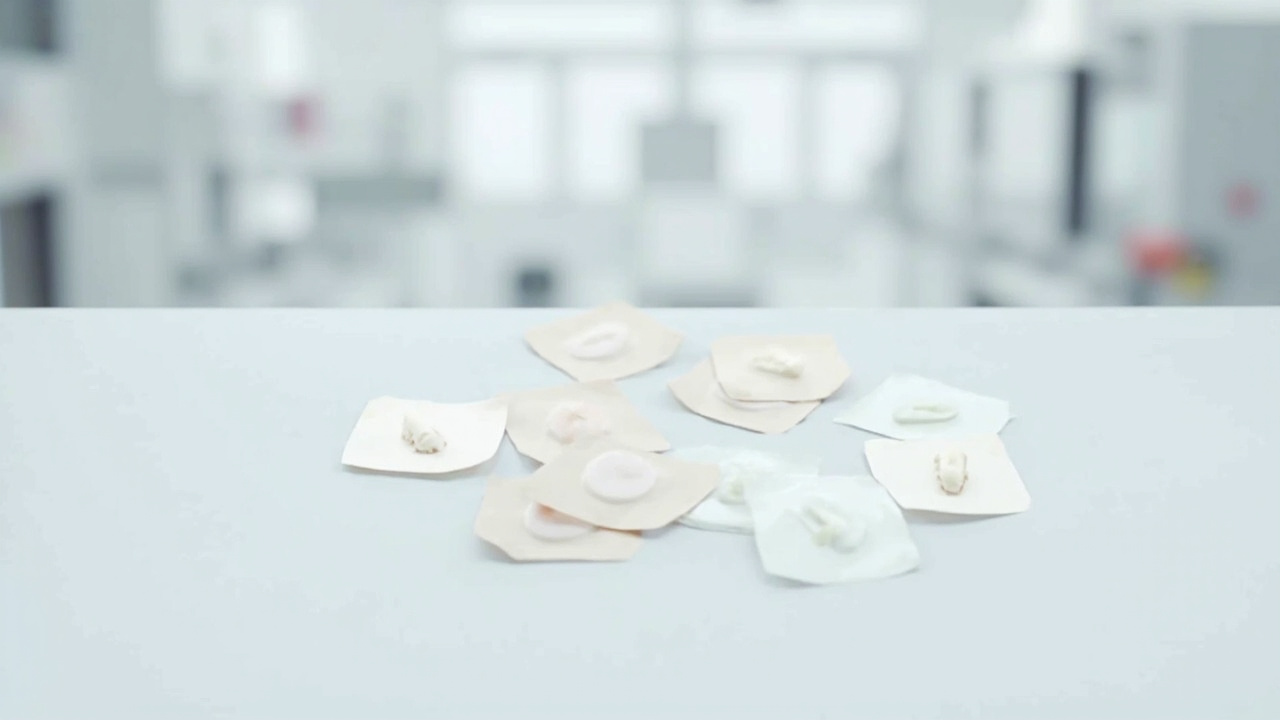
South Korea has quietly become one of the most attractive markets in Asia for wellness and personal care brands—and one of the most demanding. If you are planning a Korea patch import strategy, the single most important gatekeeper you will face is the Ministry of Food and Drug Safety (MFDS), the agency that regulates quasi-drugs, cosmetics, and medical devices. An MFDS patch review determines whether your transdermal product can be sold legally, how it must be labeled, and what testing data you need before a single unit clears customs. For wellness brands selling sleep aids, pain relief, detox, or cosmetic patches, understanding this framework is the difference between a smooth launch and a shipment held at port.
This guide breaks down the full Korea patch import pathway—from product classification and facility registration to labeling law and post-market surveillance—so your team can build a compliant, cost-effective market entry plan. We also explain how working with an experienced OEM partner with FDA, ISO 13485, and GMP credentials can shorten your timeline significantly.
Key Takeaways
- Why South Korea Is a Priority Market for Wellness Patches
- How MFDS Classifies Your Patch: Quasi-Drug, Cosmetic, or Device
- The Korea Patch Import Documentation Checklist
- Step-by-Step: Getting Your Patch Approved and Imported
- Labeling, Claims, and Advertising Rules You Cannot Ignore
- Timelines, Costs, and Common Pitfalls
Key Takeaways
- Most wellness transdermal patches entering South Korea are regulated as quasi-drugs (의약외품) under MFDS, not as cosmetics or devices—classification drives your entire compliance path.
- Foreign manufacturers must typically register their manufacturing facility and appoint a Korean-licensed importer or Marketing Authorization Holder (MAH) before import.
- MFDS patch requirements include stability data, skin irritation and adhesion testing, and Korean-language labeling with specific mandatory statements.
- South Korea’s wellness and personal care market is projected to keep expanding, with the broader Asia-Pacific transdermal patch segment growing at a high single-digit CAGR through the late 2020s.
- Partnering with an OEM manufacturer that already holds ISO 13485, GMP, and FDA registrations reduces documentation gaps and audit risk during MFDS review.
Why South Korea Is a Priority Market for Wellness Patches
South Korea’s consumer base is unusually receptive to transdermal wellness formats. The country has one of the highest per-capita spending levels on personal care and health functional products in Asia, and Korean consumers are early adopters of formats that are convenient and discreet. According to Grand View Research, the global transdermal patch market was valued at roughly USD 7–8 billion in the early 2020s and is expected to grow at a compound annual growth rate in the high single digits through 2030, with Asia-Pacific representing one of the fastest-growing regional segments. South Korea sits at the center of that growth, driven by an aging population, a strong beauty and wellness culture, and high smartphone-driven e-commerce penetration.
The regulatory environment is strict but predictable, which is good news for serious brands. Unlike markets where enforcement is inconsistent, MFDS publishes detailed guidance on quasi-drugs and actively audits importers. That means a well-prepared Korea patch import submission can move through review without repeated deficiency notices—but a poorly prepared one will stall. Brands that invest in classification and documentation upfront consistently report shorter time-to-market.
There is also a commercial angle: Korea is often used as a regulatory beachhead for broader Northeast Asia expansion. A product that clears MFDS review signals quality to distributors in Japan and Taiwan, and the documentation you build for Korea—stability studies, irritation testing, facility audits—reduces cost when you later pursue other jurisdictions.
How MFDS Classifies Your Patch: Quasi-Drug, Cosmetic, or Device
The first and most consequential decision in any Korea patch import project is classification. Under Korean law, products are sorted into three relevant buckets: quasi-drugs (의약외품), cosmetics (화장품), and medical devices (의료기기). Most wellness patches—sleep patches, pain-relief patches containing menthol or capsaicin, detox patches, and patches making physiological claims—fall under quasi-drugs, which are regulated by MFDS under the Pharmaceutical Affairs Act. Cosmetic patches, such as hydrogel eye patches or acne patches that make primarily aesthetic claims, may be regulated as cosmetics under the Cosmetics Act. Patches making disease-treatment claims cross into prescription or OTC drug territory, which is a far heavier pathway.
Classification is claim-driven, not ingredient-driven. A patch containing the same adhesive and active ingredient can be a cosmetic if it claims to moisturize, or a quasi-drug if it claims to relieve muscle pain. This is why Korean labeling and marketing copy must be drafted with the regulatory category in mind. MFDS has issued guidance clarifying that patches delivering ingredients for a physiological purpose—such as fever reduction, pain relief, or smoking cessation—are quasi-drugs, while patches intended mainly for cleansing, moisturizing, or aesthetic improvement are cosmetics.
Because misclassification is one of the most common causes of import rejection, brands should obtain a formal classification opinion or pre-review consultation from MFDS or a licensed regulatory consultant before finalizing packaging. Getting this wrong forces a resubmission under a different legal framework, which can add months to your launch.
The Korea Patch Import Documentation Checklist
Once classification is settled, the documentation burden becomes concrete. For quasi-drug imports, the Korean importer—who must hold the appropriate license—files an import license application with MFDS. The application package typically includes manufacturing facility registration evidence, a certificate of free sale or manufacturing approval from the country of origin, full formulation details with ingredient percentages, specifications and test methods, stability data supporting the proposed shelf life, and results from skin irritation and adhesion testing. Where the product contains functional ingredients, additional safety and efficacy data may be required.
Foreign manufacturing sites are subject to registration and, in many cases, on-site GMP inspection by MFDS or acceptance of inspection reports from recognized authorities. This is where an OEM manufacturer’s existing certifications matter enormously. A facility already operating under ISO 13485, GMP, and FDA registration has the quality management documentation MFDS reviewers expect, which reduces the likelihood of a deficiency letter.
Here is a practical documentation checklist to work from:
- Manufacturing facility registration and current GMP certificate for the production site
- Certificate of Free Sale or manufacturing approval issued by the country of origin authority
- Complete formulation with ingredient names, percentages, and regulatory status of each ingredient
- Product specifications, analytical test methods, and certificates of analysis for finished batches
- Real-time or accelerated stability data supporting the proposed shelf life and storage conditions
- Skin irritation, sensitization, and adhesion performance test reports from an accredited lab
- Korean-language label and package insert artwork compliant with MFDS labeling rules
- Appointment letter designating the Korean importer or Marketing Authorization Holder
Incomplete or inconsistent documentation is the leading cause of delay. Ensure that the formulation listed on your certificate of free sale matches the formulation in your specification sheet exactly—even minor discrepancies trigger questions.
Step-by-Step: Getting Your Patch Approved and Imported
Regulatory pathways reward sequencing. Brands that follow a logical order—classification, partner selection, testing, submission, customs—avoid costly rework. The process below reflects the typical sequence for a quasi-drug wellness patch, though timelines vary by product complexity and MFDS workload.
- Confirm classification. Engage a Korean regulatory consultant to confirm whether your patch is a quasi-drug, cosmetic, or device, and document the rationale in your regulatory strategy.
- Appoint a Korean importer or MAH. Your partner must hold the relevant license (quasi-drug importer license or cosmetics business registration) and will act as the legal applicant before MFDS.
- Register the foreign manufacturing facility. Submit facility information and quality documentation; prepare for possible GMP inspection or acceptance of existing audit reports.
- Commission required testing. Complete stability, skin irritation, sensitization, and adhesion testing at an accredited laboratory, ideally using the same production process and materials as commercial batches.
- Prepare Korean labeling and advertising copy. Draft labels, package inserts, and marketing claims that comply with MFDS quasi-drug labeling standards and the Act on Fair Labeling and Advertising.
- File the import license application. Your Korean partner submits the dossier to MFDS; respond promptly to any deficiency requests.
- Clear customs and begin distribution. After approval, coordinate import declaration with Korea Customs Service, maintain batch records, and prepare for post-market surveillance and possible re-examination.
Each step depends on the one before it, so compressing timelines requires starting documentation early—ideally while product development is still being finalized. OEM partners that can supply draft specifications, stability protocols, and test reports during development give brands a meaningful head start.
Labeling, Claims, and Advertising Rules You Cannot Ignore
Korean labeling law is detailed and strictly enforced. Quasi-drug labels must be in Korean and include the product name, category, ingredients, net quantity, manufacturer and importer details, manufacturing and expiry dates, storage instructions, and required warnings. Claims must be substantiated and must not exceed the approved scope—if your product is approved as a quasi-drug for muscle pain relief, you cannot market it for sleep or detox without a separate approval. The Korea Fair Trade Commission and MFDS both police advertising, and penalties for exaggerated claims can include fines and distribution suspension.
For cosmetic patches, labeling follows the Cosmetics Act, which requires full ingredient listing using Korean INCI nomenclature, and prohibits claims of therapeutic effect. Brands often underestimate how much copy adaptation is needed: direct translations of English marketing language frequently contain implied medical claims that are impermissible in Korea. Working with a Korean regulatory affairs specialist to review all consumer-facing copy—including e-commerce listings and social media—is essential.
There is also a practical quality dimension. Korean consumers and retailers expect premium packaging and clear instructions, and MFDS reviewers scrutinize whether the label matches the approved dossier. Inconsistency between the label and the submitted formulation is treated as a compliance failure, so version control across regulatory, packaging, and marketing teams is critical.
Timelines, Costs, and Common Pitfalls
Realistic planning requires honest numbers. Quasi-drug import licensing in Korea typically takes several months from complete dossier submission to approval, with the total project timeline—including testing and facility registration—often running 6 to 12 months depending on product complexity and the completeness of documentation. Testing costs vary by the number of studies required, and facility registration or inspection can add both time and expense. Budgeting for regulatory consulting, translation, and testing upfront prevents surprises later.
The most common pitfalls are predictable. Misclassification tops the list, followed by formulation inconsistencies between origin-country documents and the Korean dossier, insufficient stability data, non-compliant Korean labeling, and failure to secure a properly licensed importer. Brands also underestimate post-market obligations: MFDS conducts surveillance, and adverse event reporting and record-keeping requirements continue after launch. A product approved today can be re-examined later, so quality systems must be maintained, not just passed once.
Choosing the right manufacturing partner addresses many of these risks simultaneously. A manufacturer with established GMP systems, documented stability programs, and experience supplying regulated markets can provide the evidence MFDS expects and respond quickly to reviewer questions. That is precisely where Kongdy Health’s OEM/ODM services come in: operating since 1989 and serving more than 120 countries with FDA, ISO 13485, and GMP certifications, Kongdy Health supports wellness brands with formulation development, testing documentation, and regulatory-ready manufacturing for transdermal patches destined for markets like South Korea.
Frequently Asked Questions
Do wellness patches need MFDS approval to be imported into South Korea?
In most cases, yes. Wellness patches that make physiological claims—such as pain relief, sleep support, or detox—are generally classified as quasi-drugs and require an import license from MFDS before they can be legally sold. Cosmetic patches may instead require cosmetics business registration and compliance with the Cosmetics Act. Because classification depends on claims and intended use, brands should obtain a formal classification opinion before finalizing packaging or marketing copy. Importing without the correct authorization can result in customs seizure and penalties for the importer.
How long does the Korea patch import approval process take?
From complete dossier submission, quasi-drug import licensing typically takes several months, but the full project—including classification, testing, facility registration, and labeling review—often runs 6 to 12 months. Timelines depend on product complexity, whether the foreign manufacturing site requires inspection, and how quickly deficiency requests are answered. Starting documentation during product development, rather than after, is the most effective way to compress the schedule. Working with an OEM manufacturer that already maintains GMP and ISO 13485 documentation can further reduce delays.
Can a foreign brand apply to MFDS directly, or is a Korean partner required?
Foreign brands generally cannot hold the import license directly; a Korean-licensed importer or Marketing Authorization Holder must act as the legal applicant before MFDS. This partner is responsible for filing the dossier, maintaining records, and fulfilling post-market surveillance and adverse event reporting obligations. Choosing an importer with proven quasi-drug experience and strong quality systems is therefore a critical decision. The foreign manufacturer still must register its facility and provide the technical documentation, which is why selecting an experienced OEM partner early in the process matters.