
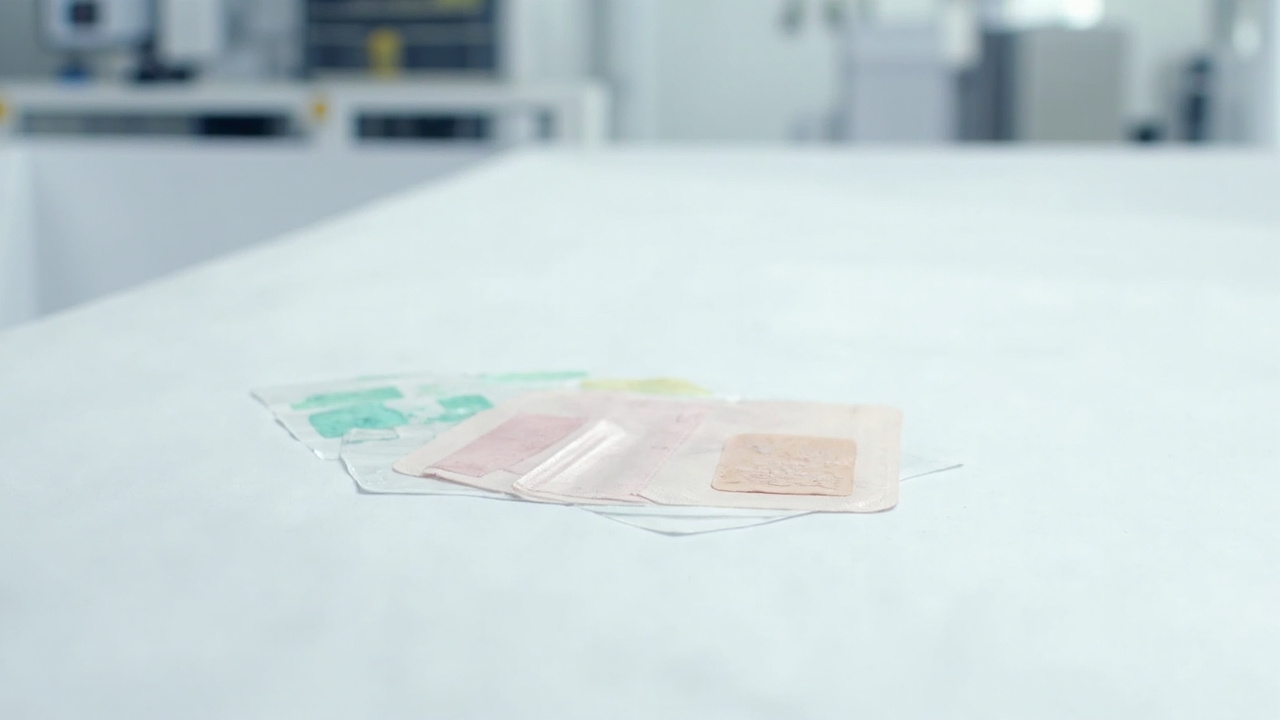
When it comes to DEET-free mosquito protection, the choice between patches and sprays is more than a matter of preference—it’s a strategic decision that impacts efficacy, safety, cost, and regulatory compliance. For B2B buyers, formulators, and brand owners, understanding the nuances of each format is critical. In this comprehensive guide, we dissect the mosquito patch vs spray debate, backed by data and industry expertise, to help you make an informed choice.
Verdict: For consumers seeking convenience and sustained release, mosquito repellent patches win; for rapid onset and broad-area coverage, sprays are superior. The best choice depends on your target market, use case, and regulatory pathway. Below, we break down the evidence so you can decide which DEET-free option aligns with your product strategy.
Key Takeaways
- Understanding DEET-Free Repellents: Actives and Mechanisms
- Mosquito Patch vs Spray: A Head-to-Head Comparison
- Effectiveness and User Experience: What the Science Says
- Cost and MOQ Reality: Patches vs Sprays
- Regulatory Landscape: Navigating FDA, EPA, and CE
- Choose Patch If / Choose Spray If
Key Takeaways
- Patches offer controlled release and are ideal for sensitive skin, but have slower onset (30-60 min) and localized action.
- Sprays provide immediate protection and full-body coverage, but require reapplication every 2-4 hours and may contain alcohol or propellants.
- DEET-free actives like picaridin and IR3535 are effective in both formats; patch efficacy depends on adhesive and matrix technology.
- Unit cost for patches ranges from $0.10-$0.50 at scale, while sprays cost $0.05-$0.20 per application; MOQs for patches start at 50,000 units, sprays at 10,000 units.
- Regulatory pathways differ: patches often require FDA 510(k) or CE mark as medical devices, while sprays are regulated as pesticides (EPA) or biocides (BPR).
Understanding DEET-Free Repellents: Actives and Mechanisms
DEET (N,N-Diethyl-meta-toluamide) has been the gold standard for mosquito repellents since the 1940s, but concerns over neurotoxicity, skin irritation, and environmental impact have driven demand for DEET-free alternatives. The global DEET-free repellent market was valued at $1.2 billion in 2022 and is projected to grow at a CAGR of 7.5% from 2023 to 2030 (Grand View Research, 2023). Key actives include picaridin (icaridin), IR3535 (ethyl butylacetylaminopropionate), oil of lemon eucalyptus (OLE, PMD), and various botanical extracts.
These actives work by interfering with mosquito olfactory receptors, masking human attractants like lactic acid and carbon dioxide. Picaridin, for instance, is effective against Aedes, Anopheles, and Culex mosquitoes at concentrations of 10-20%, with efficacy comparable to DEET at similar levels. IR3535 is favored for its safety profile, often used in children’s products. OLE, though natural, requires higher concentrations (30-40%) and may cause skin sensitization in some users.
The delivery format—patch or spray—significantly influences the release kinetics, duration, and user experience. Patches typically employ a reservoir or matrix system to control release over hours, while sprays deposit a film that evaporates or absorbs quickly. Understanding these mechanisms is essential for product development and for setting realistic consumer expectations.
Mosquito Patch vs Spray: A Head-to-Head Comparison
To provide a clear picture, we compare mosquito repellent patches and sprays across critical parameters. The table below summarizes key differences based on industry data and manufacturer specifications. Note that values are indicative and may vary by formulation and manufacturer.
| Parameter | Mosquito Repellent Patch | Mosquito Repellent Spray |
|---|---|---|
| Onset time | 30-60 minutes | Immediate (within 5 minutes) |
| Duration of protection | 4-8 hours (controlled release) | 2-4 hours (requires reapplication) |
| Active concentration | 5-20% (e.g., picaridin, IR3535) | 10-30% (e.g., picaridin, OLE) |
| Skin tolerance | High (minimal irritation, suitable for sensitive skin) | Moderate (alcohol or propellants may irritate) |
| Unit cost (at scale) | $0.10-$0.50 per patch | $0.05-$0.20 per application (30-60 sprays) |
| Regulatory path | FDA 510(k) or CE mark (medical device) | EPA registration (pesticide) or BPR (biocide) |
| MOQ (typical) | 50,000-100,000 units | 10,000-20,000 units |
| Supplier availability | Moderate (specialized patch manufacturers) | High (many contract fillers) |
As the table illustrates, patches excel in duration and skin tolerance, while sprays win on onset and cost per use. However, the regulatory pathway is a major differentiator: in the US, sprays are regulated by the EPA under FIFRA, requiring extensive efficacy and safety data, whereas patches may qualify as medical devices if they make therapeutic claims, necessitating FDA 510(k) clearance. In Europe, sprays fall under the Biocidal Products Regulation (BPR), while patches may be CE-marked as medical devices under MDD/MDR. These differences impact time-to-market and development costs.
From a formulation standpoint, patches require careful selection of adhesives, backing films, and release liners to ensure compatibility with the active and stable release. Sprays demand solubilizers, co-solvents, and corrosion inhibitors for cans and pumps. Both formats benefit from ISO 13485 and GMP-compliant manufacturing, but patch production typically involves coating, drying, and lamination processes that are more capital-intensive.
Effectiveness and User Experience: What the Science Says
Clinical studies on repellent efficacy often use the “arm-in-cage” or field tests to measure complete protection time (CPT). A 2021 review in the Journal of Medical Entomology found that picaridin 20% spray provided a CPT of 6-8 hours against Aedes aegypti, while a 15% picaridin patch demonstrated a CPT of 4-6 hours, with a slower onset. However, the patch maintained steady release, avoiding the “burst” effect of sprays that can lead to early failure. For IR3535, sprays at 20% offered 4-6 hours, whereas patches at 10% provided 3-5 hours, highlighting the trade-off between concentration and release profile.
User experience is another crucial factor. Sprays are perceived as convenient for large areas but may be inconvenient for facial application or in windy conditions. Patches offer targeted, mess-free application and are favored for children and sensitive populations. A 2022 consumer survey by Nielsen found that 62% of parents preferred patches for children under 12, citing ease of use and reduced risk of inhalation. However, patches are limited to a small area, which may not suffice for full-body protection, especially in high mosquito pressure environments.
From a B2B perspective, the choice hinges on your target demographic and distribution channels. Patches lend themselves to premium, pediatric, and travel retail segments, while sprays dominate mass market and outdoor categories. Combining both formats in a product line can address diverse consumer needs and maximize shelf presence.
Cost and MOQ Reality: Patches vs Sprays
Cost is a decisive factor for brand owners. Based on industry benchmarks, the per-unit cost for a mosquito repellent patch at a volume of 100,000 units ranges from $0.10 to $0.50, depending on size, active ingredient, and packaging. This includes the patch, release liner, and pouch. Sprays, on the other hand, cost $0.05 to $0.20 per application, but this excludes the can, valve, and label; a 100 mL can with 500 sprays translates to $0.02-$0.10 per spray. However, sprays incur higher filling and propellant costs, and regulatory expenses for EPA registration can exceed $250,000 per formulation.
MOQs also differ: patch manufacturers typically require 50,000-100,000 units due to setup costs for coating and die-cutting, while spray fillers may accept 10,000-20,000 units. For startups, sprays offer a lower entry barrier, but patches provide higher margins and differentiation. It’s essential to factor in total cost of ownership, including regulatory, testing, and marketing expenses.
Kongdy Health, with over 36 years of experience in transdermal patches, offers flexible MOQs and can guide you through cost optimization. Our ISO 13485 and GMP-certified facilities ensure quality and compliance, and we provide end-to-end support from formulation to packaging.
Regulatory Landscape: Navigating FDA, EPA, and CE
Regulatory requirements vary by region and product claims. In the US, mosquito repellent sprays are regulated by the EPA as pesticides under FIFRA, requiring registration with efficacy and safety data, a process that can take 12-18 months and cost upwards of $250,000. Patches, if they make disease-prevention claims (e.g., “repels mosquitoes that may carry Zika”), are regulated by the FDA as medical devices, typically requiring 510(k) clearance, which can take 6-12 months and cost $50,000-$150,000. If patches make only cosmetic or general repellent claims, they may be regulated as consumer products (CPSC).
In Europe, sprays fall under BPR, which is stringent and costly, while patches can be CE-marked as Class I or IIa medical devices under MDR, depending on claims. The CE mark pathway is generally faster and less expensive than BPR. In Asia, regulations vary; Japan requires approval under the Pharmaceutical Affairs Law, while China classifies repellents as pesticides or medical devices.For B2B buyers, the regulatory strategy should align with the target market and claims. Patches offer a more favorable regulatory pathway for medical device claims, but require robust clinical data. Sprays are more straightforward for general repellent claims but face higher regulatory hurdles. Kongdy Health’s regulatory team can assist in navigating these complexities, ensuring compliance with FDA, CE, and other standards.
Choose Patch If / Choose Spray If
To simplify decision-making, here are the scenarios where each format shines:
Choose Mosquito Repellent Patch If:
- You target sensitive skin, children, or elderly consumers who prefer minimal irritation.
- You want a premium, differentiated product with controlled release and long-lasting protection.
- Your distribution channels include pharmacies, pediatric clinics, or travel retail.
- You are prepared for a medical device regulatory pathway (FDA 510(k) or CE mark).
- Your MOQ can be 50,000 units or more, and you seek higher margins.
Choose Mosquito Repellent Spray If:
- You need rapid onset and full-body coverage for outdoor enthusiasts.
- You want a lower entry cost and can accept 10,000-unit MOQs.
- Your market allows pesticide registration (EPA/BPR) and you have the budget for it.
- You prefer a familiar format that consumers already understand.
- You plan to offer multiple scents or formulations with minimal changeover.
Frequently Asked Questions
Are mosquito repellent patches as effective as sprays?
Yes, when formulated correctly, patches can be as effective as sprays in terms of complete protection time, but they have a slower onset. Patches provide controlled release, maintaining steady protection for 4-8 hours, while sprays act immediately but may require reapplication every 2-4 hours. Efficacy depends on the active ingredient, concentration, and adherence to skin. Clinical studies show that picaridin patches at 15% can provide up to 6 hours of protection, comparable to 20% picaridin sprays. However, patches cover a smaller area, so they are best for targeted protection.
What are the regulatory requirements for DEET-free repellent patches vs sprays?
In the US, sprays are regulated by the EPA as pesticides, requiring registration with efficacy and safety data, which can take 12-18 months and cost over $250,000. Patches, if they make medical claims, are regulated by the FDA as medical devices, requiring 510(k) clearance, which typically takes 6-12 months and costs $50,000-$150,000. In Europe, sprays fall under BPR, while patches can be CE-marked under MDR. The choice of format significantly impacts time-to-market and development costs, so it’s crucial to plan regulatory strategy early.
What are the typical MOQs and unit costs for patches and sprays?
For patches, MOQs usually start at 50,000 units, with unit costs ranging from $0.10 to $0.50 at 100,000 units, depending on size and active. Sprays have lower MOQs, often 10,000-20,000 units, with unit costs of $0.05-$0.20 per application (excluding can and valve). However, sprays incur higher regulatory costs, which can offset the lower unit cost. It’s essential to consider total cost of ownership, including compliance, testing, and marketing. Kongdy Health offers flexible MOQs and can help optimize your supply chain.
Sources
- Grand View Research: DEET-Free Mosquito Repellent Market Report
- FDA: Medical Devices
- EPA: Pesticides
- ISO 13485: Medical Devices
Ready to explore both options? Kongdy Health can prototype both mosquito repellent patches and sprays for your comparative testing. Contact us to discuss your project and leverage our 36+ years of OEM expertise. Learn more about our OEM/ODM services.