
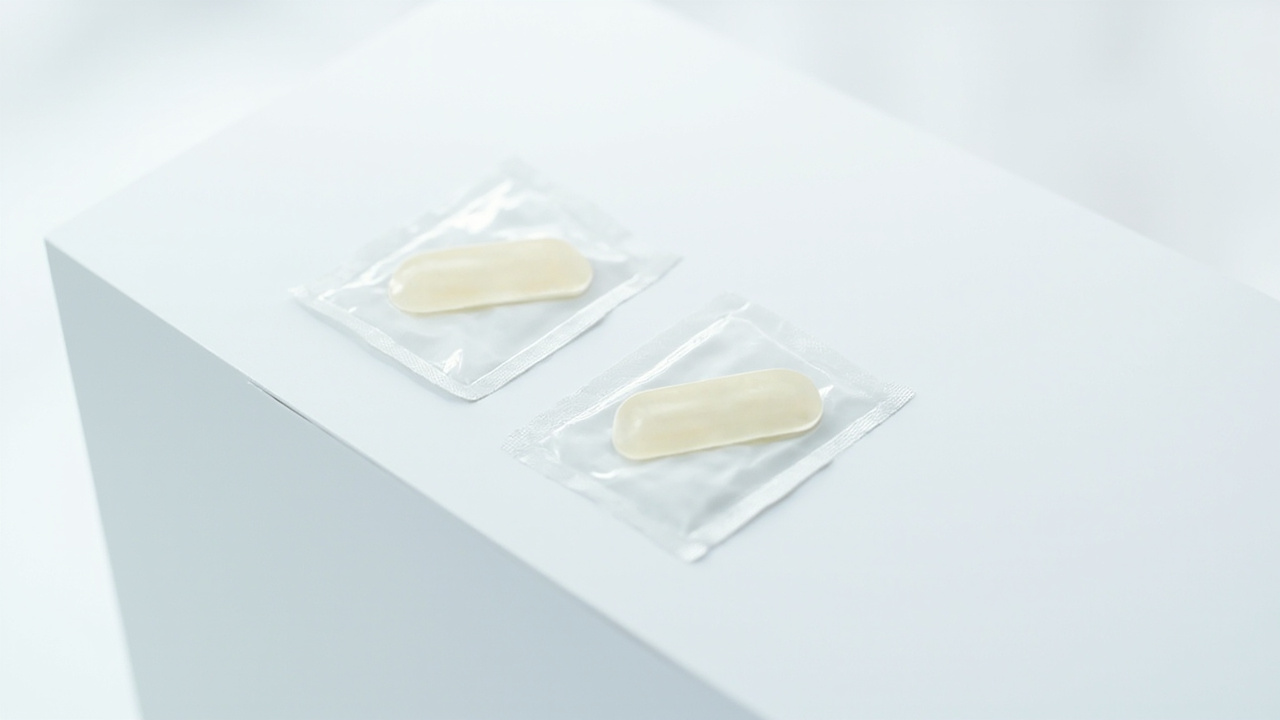
In the competitive world of transdermal patch manufacturing, the journey from concept to commercial launch hinges on one critical milestone: the golden sample patch. This definitive guide walks you through the entire sample approval process, revealing how industry leaders like Kongdy Health have refined this workflow over three decades to ensure precision, compliance, and speed. Whether you’re developing a new pharmaceutical patch or a consumer wellness product, understanding the intricacies of patch prototype approval is essential to avoid costly delays and ensure market success.
Key Takeaways
- Understanding the Golden Sample Patch
- The Sample Approval Process: A Step-by-Step Guide
- Key Considerations for Patch Prototype Approval
- Common Pitfalls and How to Avoid Them
- Leveraging Kongdy Health’s Expertise for a Seamless Approval
- Frequently Asked Questions
Key Takeaways
- The golden sample patch is the final approved prototype that serves as the benchmark for all production runs, ensuring consistency and quality.
- A structured sample approval process typically involves five phases: concept design, prototype development, iterative testing, golden sample approval, and scale-up.
- Regulatory compliance (FDA, ISO 13485, GMP) must be integrated from the earliest stages to avoid setbacks.
- Leveraging an experienced OEM partner like Kongdy Health can reduce approval timelines by up to 30% through proven workflows.
- Clear communication and detailed documentation are critical to securing timely approvals and avoiding costly revisions.
Understanding the Golden Sample Patch
The golden sample patch is more than just a prototype; it is the definitive reference standard that embodies all the agreed-upon specifications for a transdermal patch. It represents the culmination of extensive research, development, and testing, and serves as the benchmark against which all future production batches are measured. In the pharmaceutical and medical device industries, the golden sample is often a regulatory requirement, as it demonstrates that the manufacturing process can consistently produce patches that meet predetermined quality attributes.
According to a 2022 industry report by the International Society for Pharmaceutical Engineering (ISPE), over 75% of transdermal patch development projects that fail to establish a golden sample early in the process experience significant delays or quality issues during scale-up. This statistic underscores the importance of a rigorous sample approval process. The golden sample patch not only captures the physical and chemical characteristics but also the sensory and performance attributes that define the product’s identity. For example, adhesive properties, drug release kinetics, and patient comfort must all be validated and locked in.
At Kongdy Health, we treat the golden sample as a contract between the manufacturer and the client. It is the tangible representation of the quality agreement, and it is used to train production staff, calibrate equipment, and conduct incoming and outgoing quality checks. Without a golden sample, there is no objective way to determine if a production batch is within specification, leading to potential regulatory actions and market recalls.
The Sample Approval Process: A Step-by-Step Guide
The sample approval process is a systematic journey that transforms a concept into a market-ready product. While the specifics can vary depending on the patch type (e.g., drug-in-adhesive, reservoir, matrix), the overarching framework remains consistent across the industry. Below is a detailed breakdown of the typical phases involved in patch prototype approval, refined through Kongdy Health’s 36+ years of experience serving over 120 countries.
- Concept Design and Feasibility: This initial phase involves defining the product requirements, including active ingredients, dosage, adhesive type, backing film, release liner, and packaging. A feasibility study is conducted to assess technical and regulatory challenges. At this stage, a design brief is created, and initial sketches or CAD models are developed. Kongdy Health collaborates closely with clients to ensure all specifications are captured accurately, leveraging our in-house R&D team to propose innovative solutions.
- Prototype Development: Using the design brief, the first physical prototypes are produced in a controlled laboratory environment. These prototypes are not intended for commercial use but serve as proof of concept. They undergo preliminary testing for adhesive strength, drug release profile, and physical integrity. Feedback from these tests informs necessary adjustments. This iterative process may involve multiple rounds of prototyping until the desired characteristics are achieved.
- Iterative Testing and Refinement: Once a promising prototype is identified, it undergoes more rigorous testing, including stability studies, skin irritation and sensitization tests (if applicable), and accelerated aging. This phase often involves collaboration with third-party testing laboratories to ensure compliance with FDA, ISO 13485, and GMP requirements. Client feedback is integral, and adjustments are made to the formulation, adhesive, or design as needed. The goal is to narrow down to a candidate that meets all performance criteria.
- Golden Sample Approval: The selected candidate is then produced in a small-scale manufacturing run using production-equivalent equipment. This batch is subjected to full quality control testing per the specifications. Upon successful testing and client approval, this batch becomes the golden sample. It is documented in detail, including batch records, test results, and certificates of analysis. The golden sample is then stored under controlled conditions for future reference.
- Scale-Up and Commercial Production: With the golden sample approved, the process moves to full-scale manufacturing. The golden sample is used to qualify the production line, train operators, and validate the manufacturing process. Regular quality checks ensure that production batches match the golden sample. Any deviations are investigated and resolved to maintain consistency.
This structured approach minimizes risks and ensures that the final product meets both client expectations and regulatory standards. By following this workflow, Kongdy Health has helped numerous clients achieve successful product launches in highly regulated markets.
Key Considerations for Patch Prototype Approval
Securing approval for a patch prototype requires careful attention to a multitude of factors. Regulatory compliance is paramount; the transdermal patch must meet the requirements of the FDA in the US, the EMA in Europe, and other local regulatory bodies. ISO 13485 certification ensures that the quality management system is robust, while GMP compliance guarantees that the product is consistently produced to quality standards. CE marking is essential for market access in the European Economic Area. Kongdy Health maintains all these certifications, providing clients with a seamless path to global markets.
Material selection is another critical aspect. The adhesive must be biocompatible, provide adequate adhesion, and be compatible with the active ingredient. The backing film and release liner must protect the patch and ensure stability. The choice of materials can significantly impact the drug release profile and patient comfort. Kongdy Health’s material scientists work closely with clients to select the optimal materials based on the intended use and regulatory requirements.
- Adhesive Properties: The adhesive must balance tack, shear, and peel strength to ensure the patch stays in place for the required duration without causing skin irritation.
- Drug Compatibility: The active ingredient must be stable within the adhesive matrix and released at the desired rate. Excipients may be needed to enhance solubility or permeation.
- Backing and Release Liner: These components must be chemically inert and provide appropriate barrier properties. The release liner must be easy to remove without damaging the patch.
- Manufacturing Feasibility: The design must be compatible with high-speed coating, drying, and lamination processes. Kongdy Health’s engineers ensure that prototypes are designed for manufacturability.
- Regulatory Pathway: Understanding whether the product is a drug, device, or combination product determines the regulatory pathway and testing requirements. Early consultation with regulatory experts is advised.
- Stability and Shelf Life: Accelerated and real-time stability studies are necessary to establish shelf life and storage conditions. The golden sample must be stable under these conditions.
- Patient Compliance: Factors such as patch size, thickness, and wear time influence patient adherence. These should be considered during prototype design.
By addressing these considerations early, clients can avoid costly redesigns and ensure a smooth approval process. Kongdy Health’s comprehensive approach covers all these aspects, providing clients with peace of mind.
Common Pitfalls and How to Avoid Them
Even with a well-defined process, pitfalls can occur. One common mistake is inadequate communication between the client and the manufacturer. Misalignment on specifications can lead to prototypes that do not meet expectations, resulting in wasted time and resources. To avoid this, Kongdy Health emphasizes regular project reviews and detailed documentation at every stage. Another pitfall is underestimating the importance of early regulatory consultation. Changes required by regulatory bodies late in the process can be costly. Engaging with regulatory experts from the outset can streamline approvals.
Another frequent issue is insufficient testing of adhesive properties. A patch that does not adhere properly or causes skin irritation will fail in the market. Kongdy Health conducts extensive adhesive testing, including in vitro and in vivo studies, to ensure optimal performance. Additionally, neglecting stability studies can lead to premature degradation of the product. Our stability protocols are designed to meet ICH guidelines, ensuring that the golden sample remains viable throughout its shelf life.
Furthermore, many companies overlook the importance of scalability during prototype development. A formulation that works in the lab may not be feasible for mass production. Kongdy Health’s engineers design prototypes with scalability in mind, using production-equivalent equipment during the golden sample phase to identify and resolve scale-up issues early. By learning from these common pitfalls, clients can navigate the approval process more efficiently.
Leveraging Kongdy Health’s Expertise for a Seamless Approval
With over 36 years of experience, Kongdy Health has perfected the sample approval workflow. Our state-of-the-art facilities in China are equipped with advanced coating, drying, and lamination technologies, enabling us to produce high-quality prototypes and golden samples efficiently. We are FDA-registered, ISO 13485 certified, and GMP compliant, ensuring that every step of the process meets the highest standards. Our team of experts guides clients through each phase, from concept to commercial production, providing transparent communication and timely updates.
Kongdy Health’s global footprint spans 120+ countries, and we have successfully partnered with pharmaceutical companies, consumer health brands, and startups to bring innovative transdermal patches to market. Our collaborative approach means that we treat your project as our own, investing in R&D and quality assurance to deliver exceptional results. By choosing Kongdy Health as your OEM partner, you gain access to a wealth of knowledge and a proven track record of success.
Ready to accelerate your transdermal patch development? Visit our OEM/ODM services page to learn more about how Kongdy Health can streamline your sample approval process and help you achieve a golden sample that sets the standard for quality.
Frequently Asked Questions
What is a golden sample patch and why is it important?
A golden sample patch is the final approved prototype that serves as the reference standard for all production batches. It is important because it ensures consistency in quality, performance, and appearance, and is often required for regulatory compliance. It encapsulates all the specifications agreed upon by the client and manufacturer, and is used to validate the manufacturing process.
How long does the sample approval process typically take?
The timeline varies depending on the complexity of the product and regulatory requirements. On average, it can take 8-12 weeks from concept to golden sample approval. Factors such as the need for additional testing or iterations can extend this period. Kongdy Health’s efficient workflow and experienced team help minimize delays and keep projects on track.
What are the key regulatory standards for transdermal patches?
Key standards include FDA regulations for the US market, ISO 13485 for quality management systems, GMP for manufacturing practices, and CE marking for the European Union. Compliance with these standards is essential for market access and is integrated into every stage of Kongdy Health’s sample approval process.
Sources
- Grand View Research: Transdermal Patch Market Analysis
- FDA: Medical Devices
- ISO 13485: Medical Devices Quality Management
- WHO: Medical Devices
1 thought on “Golden Sample Patch: Your Guide to Sample Approval Process”
Comments are closed.