
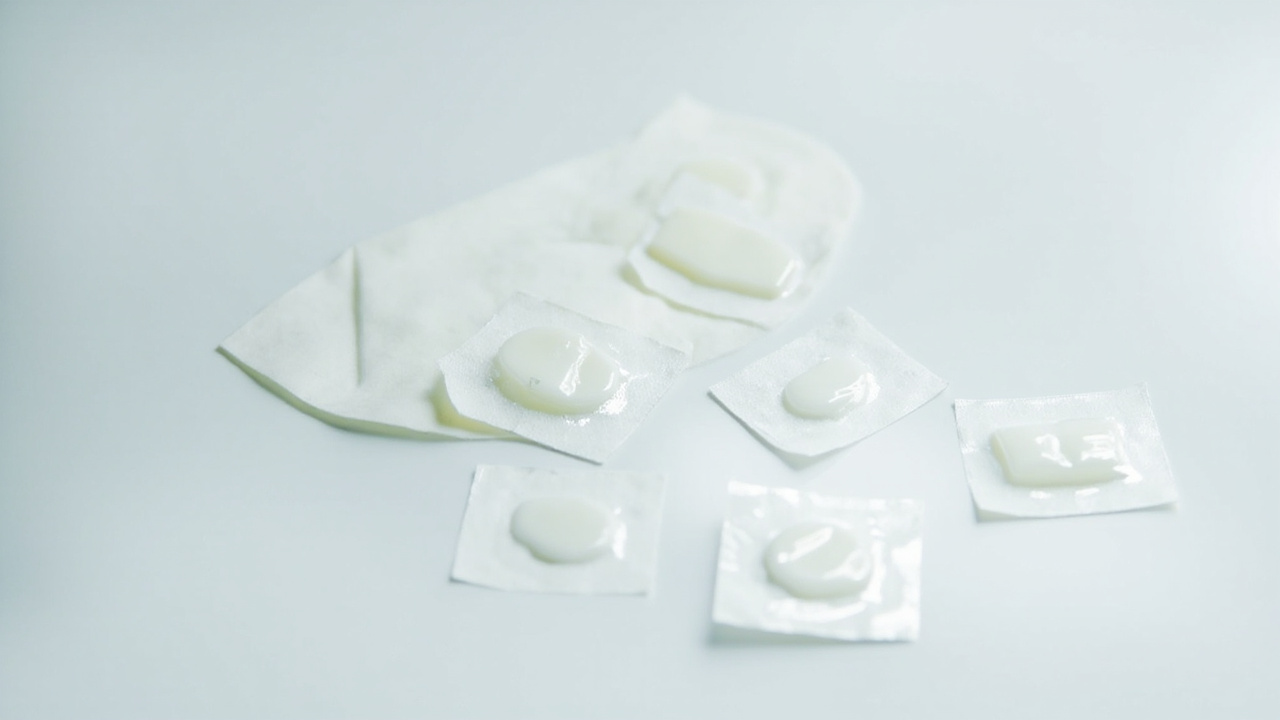
If you’re a brand owner or distributor looking to sell transdermal patches in Canada, you’ve likely encountered the term ‘NHP’—Natural Health Product. Under Canada’s regulatory framework, transdermal patches are classified as NHPs, and obtaining a Canada NHP patch license is mandatory before you can legally market your product. This guide, brought to you by Kongdy Health—a leading OEM/ODM transdermal patch manufacturer since 1989—will walk you through the entire process, from understanding Health Canada’s requirements to securing your NHP product licence. We’ll cover timelines, costs, common pitfalls, and how to choose a manufacturing partner that ensures compliance.
Key Takeaways
- What Is an NHP and Why Does It Matter for Transdermal Patches?
- Health Canada Patch Regulations: Key Requirements
- Step-by-Step Guide to Obtaining a Canada NHP Patch License
- Common Challenges and How to Overcome Them
- How Kongdy Health Supports Your NHP Licensing Journey
- Frequently Asked Questions
Key Takeaways
- Transdermal patches are regulated as Natural Health Products (NHPs) in Canada and require a product licence from Health Canada before sale.
- The licensing process involves product classification, dossier preparation, submission via the NHP Online System, and review by Health Canada, typically taking 60-180 days.
- Manufacturing must comply with Good Manufacturing Practices (GMP), and your contract manufacturer should hold a valid Site Licence.
- Costs for an NHP product licence range from CAD 1,000 to CAD 5,000, plus fees for testing and regulatory consulting.
- Working with an experienced OEM partner like Kongdy Health can streamline compliance and reduce time-to-market.
- Post-licensing, you must maintain records, report adverse events, and renew your licence annually.
What Is an NHP and Why Does It Matter for Transdermal Patches?
Natural Health Products (NHPs) are defined by Health Canada as naturally occurring substances used for medicinal purposes, including vitamins, minerals, herbal remedies, and traditional medicines. Transdermal patches—whether delivering vitamins, herbal extracts, or other natural ingredients—fall under this category. Unlike pharmaceuticals, NHPs are subject to a distinct regulatory pathway that balances safety and efficacy with traditional use evidence.
The global transdermal patch market was valued at approximately USD 7.5 billion in 2022 and is projected to grow at a CAGR of 6.5% through 2030 (Grand View Research, 2023). Canada represents a significant market, with NHP sales exceeding CAD 12 billion annually (Health Canada, 2022). For businesses, this means a robust demand for compliant products. However, selling unlicensed NHPs can result in severe penalties, including product seizures, fines up to CAD 5 million, and imprisonment. Thus, obtaining an NHP product licence is not just a legal formality—it’s a critical business requirement.
Moreover, the licensing process ensures your product meets Canadian standards for quality, safety, and labeling. It also builds consumer trust, as licensed products display an NPN (Natural Product Number) or DIN-HM (Homeopathic Medicine Number), signaling regulatory approval. For OEMs, understanding these nuances is essential to support clients effectively.
Health Canada Patch Regulations: Key Requirements
Health Canada regulates NHPs under the Natural Health Products Regulations (NHPR), which came into force in 2004. The regulations outline requirements for product licensing, site licensing, good manufacturing practices (GMP), labeling, and adverse event reporting. For transdermal patches, specific considerations apply due to their delivery mechanism and potential for systemic absorption.
Key requirements include:
- Product Licence: You must obtain a product licence for each NHP you intend to sell. This involves submitting a product dossier with details on medicinal ingredients, source, potency, non-medicinal ingredients, dosage form, recommended use, and evidence of safety and efficacy.
- Site Licence: Any facility that manufactures, packages, labels, or imports NHPs must hold a valid site licence. This applies to both domestic and foreign manufacturers. Your contract manufacturer must have a site licence, and if you’re importing, you need an importer’s site licence.
- GMP Compliance: All NHPs must be manufactured according to GMP standards, which cover premises, equipment, personnel, sanitation, quality assurance, and documentation. Health Canada conducts inspections to verify compliance.
- Labeling: Labels must include the product name, NPN, medicinal ingredients, dosage, warnings, and manufacturer information. For transdermal patches, additional warnings about skin irritation and proper disposal may be required.
- Adverse Event Reporting: Licensees must report serious adverse events to Health Canada within 15 days.
Additionally, if your patch contains ingredients that are also regulated as drugs (e.g., nicotine), it may fall under the pharmaceutical framework instead. It’s crucial to correctly classify your product to avoid regulatory delays. Health Canada provides guidance documents to help determine classification.
Step-by-Step Guide to Obtaining a Canada NHP Patch License
Obtaining an NHP product licence is a multi-step process that requires careful planning and documentation. Below is a detailed walkthrough to help you navigate the journey.
- Determine Product Classification: Confirm that your transdermal patch qualifies as an NHP. This depends on the ingredients and their intended use. If your patch contains synthetic pharmaceutical ingredients, it may be regulated as a drug. Health Canada’s guidance on classification can help, or you can request a classification decision from the Natural and Non-prescription Health Products Directorate (NNHPD).
- Gather Product Information: Compile comprehensive data on your product, including:
- Medicinal ingredients (common name, scientific name, quantity per patch)
- Source and purity of ingredients
- Non-medicinal ingredients (excipients, adhesives, backing materials)
- Dosage form (transdermal patch) and route of administration
- Recommended dose and duration of use
- Target population (adults, children, etc.)
- Claims (e.g., ‘relieves muscle pain’)
- Evidence of safety and efficacy (traditional use references, clinical studies, or compendial monographs)
- Prepare the Product Dossier: The dossier must follow the format specified in the NHP Regulations. It includes a product licence application (PLA) form, labels, and supporting evidence. For transdermal patches, you may need to provide stability data, skin irritation studies, and adhesion testing. If your product contains a substance listed in Health Canada’s monographs, you can reference the monograph to reduce evidence requirements.
- Submit the Application: Applications are submitted electronically via the NHP Online System (or on paper if exempt). The current fee for a product licence application is CAD 1,000 for a single product, with discounts for multiple products. Health Canada aims to review complete applications within 60 days for products referencing a monograph, and 180 days for others.
- Respond to Information Requests: Health Canada may request additional information or clarification. You must respond within the specified timeframe (usually 30-60 days) to avoid application closure.
- Obtain the Product Licence: Once approved, you’ll receive a product licence and an NPN. The licence is valid for one year and must be renewed annually. You can then legally market your product in Canada.
- Maintain Compliance: Post-licensing, you must adhere to labeling requirements, report adverse events, and keep records for at least five years. Health Canada may conduct post-market surveillance and inspections.
Each step requires meticulous attention to detail. Many applicants stumble on evidence requirements or labeling nuances. Working with a regulatory consultant or an experienced OEM can help avoid costly delays.
Common Challenges and How to Overcome Them
Navigating the NHP licensing process can be fraught with challenges, especially for first-time applicants. One major hurdle is the evidence requirement. Health Canada demands substantial evidence for safety and efficacy, which can be a barrier for novel ingredients. Leveraging traditional use references or monographs can mitigate this, but it requires expertise.
Another challenge is the site licence requirement for foreign manufacturers. If your patch is manufactured outside Canada, the facility must have a site licence from Health Canada, which involves an inspection (or a recognized equivalent). This can add months to your timeline. Partnering with a manufacturer that already holds a site licence, such as Kongdy Health (ISO 13485, GMP certified), can bypass this hurdle.
Labeling is another common pitfall. Health Canada has strict requirements for bilingual labeling (English and French), and any deviation can result in rejection. Additionally, claims must be supported by evidence and comply with NHP advertising guidelines. Missteps can lead to warnings or fines.
To overcome these challenges, consider engaging a regulatory affairs specialist early in the process. They can help with classification, dossier preparation, and communication with Health Canada. Also, choose a manufacturing partner with a proven track record in NHP compliance. Kongdy Health, with over 30 years of experience and clients in 120+ countries, offers end-to-end support, from formulation to regulatory submission.
How Kongdy Health Supports Your NHP Licensing Journey
As a leading OEM/ODM transdermal patch manufacturer, Kongdy Health is well-versed in the regulatory landscapes of multiple countries, including Canada. We hold ISO 13485, GMP, and FDA certifications, ensuring that our manufacturing processes meet the highest standards. For clients seeking a Canada NHP patch license, we provide comprehensive support:
- Formulation and Development: We help develop patches that comply with NHP ingredient restrictions and stability requirements.
- Documentation Support: We supply necessary manufacturing documentation, certificates of analysis, and stability data to support your product licence application.
- Site Licence Assistance: Our facilities are already licensed or can be audited to meet Health Canada’s requirements, saving you time.
- Regulatory Guidance: We guide you through the submission process and connect you with trusted regulatory consultants.
- Quality Assurance: Our GMP-compliant production ensures your product meets Canadian quality standards.
By partnering with Kongdy Health, you can focus on marketing and distribution while we handle the manufacturing and compliance intricacies. Our OEM/ODM services are tailored to your needs, whether you’re a startup or an established brand.
Frequently Asked Questions
Q1: How long does it take to get a Canada NHP patch license?
The timeline varies depending on the completeness of your application and whether your product references a monograph. For products that reference a Health Canada monograph, the review target is 60 days. For others, it’s 180 days. However, these are targets, not guarantees. Additional information requests can extend the process. On average, applicants should budget 6-12 months from dossier preparation to licence issuance. Working with an experienced regulatory team and a compliant manufacturer can help expedite the process.
Q2: What is the cost of an NHP product licence in Canada?
Health Canada charges a fee of CAD 1,000 for a single product licence application. If you’re applying for multiple products, there are discounts. For example, the fee for 2-5 products is CAD 1,800. Beyond government fees, you’ll incur costs for testing, regulatory consulting, and possibly site licence fees. Overall, the total cost can range from CAD 5,000 to CAD 20,000, depending on the complexity of your product and the need for additional studies.
Q3: Can I sell my transdermal patch in Canada if it’s manufactured overseas?
Yes, but your foreign manufacturer must hold a valid Health Canada site licence. This requires the facility to comply with GMP standards and undergo an inspection by Health Canada or a recognized authority. Alternatively, you can import from a manufacturer that already has a site licence. Kongdy Health, for instance, holds multiple international certifications and can support your compliance needs. It’s crucial to verify your manufacturer’s licensing status before proceeding.