
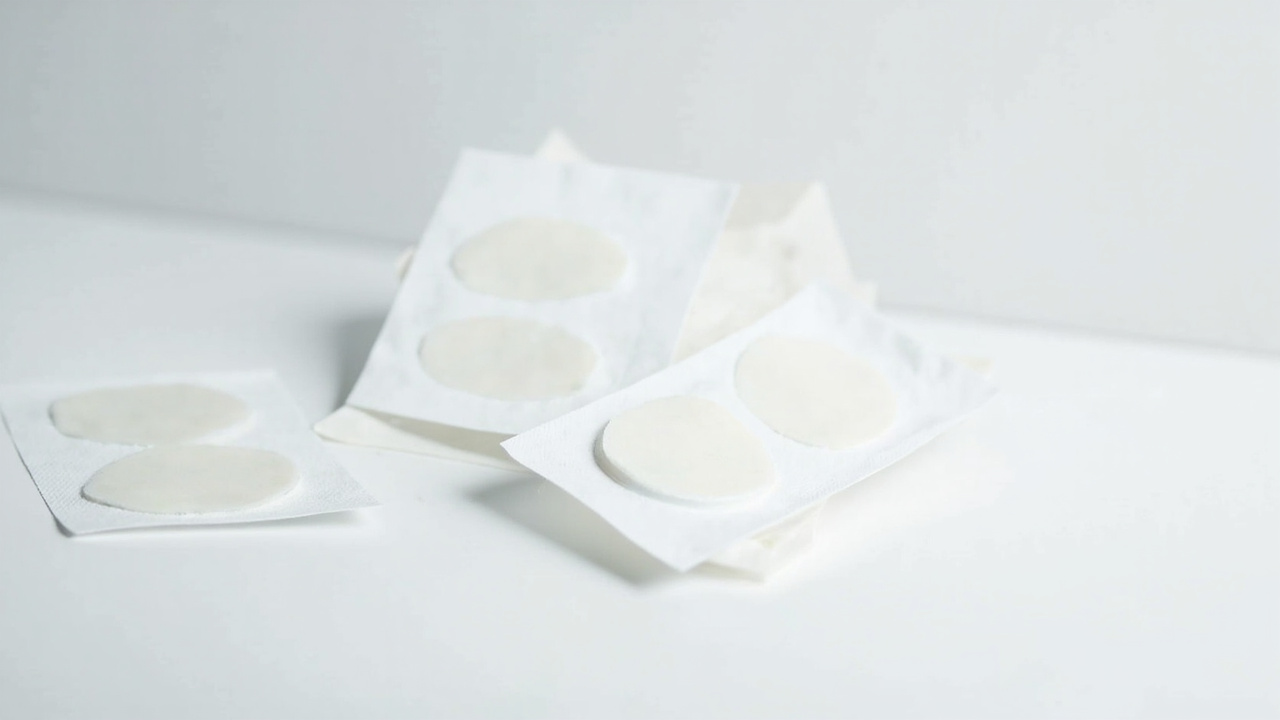
In the competitive world of sports, recovery is as critical as performance. Athletes constantly seek effective, convenient solutions to manage pain and accelerate recovery. Transdermal patches have emerged as a game-changing technology, delivering targeted relief without the systemic side effects of oral medications. For brands looking to enter this booming market, understanding the nuances of athlete pain patch design and forging strategic OEM partnerships is essential. This comprehensive guide explores the sports recovery patch line landscape, from market data to regulatory pathways, and how partnering with an experienced manufacturer like Kongdy Health can give you a competitive edge.
Key Takeaways
- Why Athletes Need Specialized Pain Patches
- Designing a Sports Recovery Patch Line: Key Considerations
- Market Trends and Opportunities in Athletic Pain Relief
- Regulatory Landscape for Pain Patches
- Steps to Launch Your Sports Recovery Patch Line
- Choosing the Right OEM Partner for Athletic Pain Patches
Key Takeaways
- Global sports medicine market is projected to reach $12.8 billion by 2028, driven by increasing athlete demand for non-invasive recovery solutions (Grand View Research, 2023).
- Transdermal patches offer sustained release, targeted delivery, and improved compliance, making them ideal for athletic pain relief.
- Designing a successful sports recovery patch line requires careful selection of active ingredients, adhesives, and backing materials tailored to athlete needs.
- OEM partnerships with certified manufacturers like Kongdy Health ensure FDA, ISO 13485, and GMP compliance, reducing time-to-market.
- Emerging trends include CBD-infused patches, wearable technology integration, and personalized recovery solutions.
- Conducting thorough market research and clinical validation is critical to differentiate your brand in a crowded marketplace.
Why Athletes Need Specialized Pain Patches
Athletes push their bodies to the limit, resulting in micro-tears, inflammation, and chronic pain. Traditional pain relief methods—oral NSAIDs, creams, and gels—have limitations: they can cause gastrointestinal issues, require frequent application, and often provide only short-term relief. Transdermal patches address these challenges by delivering active ingredients directly into the bloodstream through the skin, bypassing the digestive system and providing consistent, controlled release over hours or even days.
Moreover, athletes require solutions that fit their lifestyle. They need patches that stay in place during intense sweating, movement, and showering. They also demand rapid onset of action and minimal interference with their training or competition schedules. According to a 2022 survey by the American Orthopaedic Society for Sports Medicine, over 70% of athletes reported using some form of topical pain relief, with patches gaining popularity due to their convenience and discreet nature.
The global sports medicine market, valued at approximately $9.5 billion in 2022, is expected to grow at a CAGR of 6.5% from 2023 to 2028, reaching $12.8 billion (Grand View Research, 2023). This growth is fueled by rising sports participation, an aging active population, and increasing awareness of advanced recovery technologies. For brands, this represents a lucrative opportunity to capture a share of the expanding athlete pain patch segment.
Designing a Sports Recovery Patch Line: Key Considerations
Creating a successful sports recovery patch line involves more than just slapping a label on a generic product. It requires a deep understanding of athlete physiology, formulation science, and material engineering. The design process should begin with identifying the specific pain conditions you want to target—muscle soreness, joint pain, inflammation, or acute injuries—and selecting active ingredients that are both effective and safe for topical delivery.
Common active ingredients in athlete pain patches include menthol, camphor, lidocaine, diclofenac, and natural extracts like arnica and CBD. Menthol and camphor provide a cooling sensation that distracts from pain, while lidocaine and diclofenac offer localized numbing and anti-inflammatory effects. CBD, though still under regulatory scrutiny in some regions, is gaining traction for its potential anti-inflammatory and analgesic properties. Your formulation should be backed by clinical evidence and comply with regional regulations.
Equally important is the patch construction. The adhesive must be skin-friendly, hypoallergenic, and capable of withstanding sweat and movement. Hydrogel or silicone adhesives are popular choices for their comfort and durability. The backing material should be flexible, breathable, and conformable to body contours. Release liners must be easy to peel. Additionally, consider the size and shape of the patch—larger areas like the lower back may require bigger patches, while joints like knees or elbows need smaller, more flexible designs.
Packaging also plays a role in athlete appeal. Resealable pouches, portable single-use packets, and eco-friendly materials can enhance user experience and brand perception. Including clear instructions and dosage guidelines is essential for compliance and safety.
Market Trends and Opportunities in Athletic Pain Relief
The athletic pain relief market is dynamic, with several trends shaping product development and consumer expectations. Understanding these trends can help you position your sports recovery patch line for success.
- CBD and Natural Ingredients: The global CBD skincare market is projected to reach $3.5 billion by 2027 (Statista, 2023), and athletes are increasingly seeking natural alternatives for pain and inflammation. Patches infused with CBD, arnica, and turmeric are gaining popularity.
- Wearable Technology Integration: Smart patches that monitor biomarkers or deliver controlled doses via microelectronics are emerging. Although still niche, they represent the future of personalized recovery.
- Sustainability: Eco-conscious athletes prefer biodegradable or recyclable packaging and patches made from sustainable materials.
- Customization: Brands are offering patches tailored to specific sports—runners may need targeted knee patches, while weightlifters prefer back patches.
- Direct-to-Consumer (DTC) and Subscription Models: Subscription services for recovery products are growing, providing recurring revenue and customer loyalty.
These trends indicate a shift toward more sophisticated, personalized, and holistic recovery solutions. By incorporating these elements into your product line, you can differentiate your brand and meet evolving athlete demands.
Regulatory Landscape for Pain Patches
Navigating the regulatory landscape is one of the most complex aspects of launching a pain patch line. In the United States, transdermal patches can be classified as over-the-counter (OTC) drugs, cosmetics, or medical devices, depending on their claims and ingredients. OTC drug patches must comply with FDA monographs for specific active ingredients (e.g., menthol, camphor) and adhere to Good Manufacturing Practices (GMP). If you make therapeutic claims, you may need an FDA New Drug Application (NDA) or Abbreviated New Drug Application (ANDA).
In the European Union, patches are regulated under the Medical Device Regulation (MDR) or as medicinal products, requiring CE marking. ISO 13485 certification is essential for medical device manufacturers, ensuring quality management systems. Other regions have their own frameworks—Health Canada, TGA in Australia, and PMDA in Japan. Partnering with a manufacturer experienced in these regulations is crucial to avoid delays and costly recalls.
Kongdy Health, with over 30 years of experience, holds FDA registration, ISO 13485, and GMP certifications, and can guide you through the regulatory maze. Their expertise ensures your product meets all necessary standards for your target markets.
Steps to Launch Your Sports Recovery Patch Line
Launching a successful sports recovery patch line requires a structured approach. Here is a step-by-step guide to streamline the process:
- Market Research and Concept Development: Identify your target audience (e.g., professional athletes, weekend warriors), their pain points, and preferences. Analyze competitors and define your unique selling proposition (USP).
- Formulation and Ingredient Selection: Work with a formulator to choose active ingredients backed by science. Consider efficacy, safety, and regulatory status. Test different concentrations and combinations.
- Patch Design and Engineering: Select adhesives, backing materials, and dimensions that suit athletic use. Prototype and test for adhesion, comfort, and durability under sweat and movement.
- Regulatory Strategy: Determine the classification of your product in each target market. Prepare necessary documentation, such as Drug Master Files (DMFs) or Technical Files. Engage a regulatory consultant if needed.
- Manufacturing Partner Selection: Choose an OEM/ODM partner with proven experience in transdermal patches, certifications (FDA, ISO 13485, GMP), and capacity to scale. Evaluate their R&D capabilities, quality control, and lead times.
- Clinical Validation and Testing: Conduct stability studies, skin irritation tests, and efficacy trials to support claims. This builds credibility and facilitates regulatory approvals.
- Branding and Packaging: Develop attractive, informative packaging that resonates with athletes. Include clear usage instructions and safety warnings.
- Marketing and Distribution: Leverage digital marketing, influencer partnerships, and sports events to reach your audience. Explore distribution channels: sports retailers, online marketplaces, gyms, and physiotherapy clinics.
- Launch and Iterate: Start with a pilot launch, gather feedback, and refine your product. Monitor sales and customer reviews to inform future iterations.
Each step is critical, but the choice of manufacturing partner can make or break your timeline and budget. Kongdy Health offers end-to-end OEM/ODM services, from formulation to packaging, ensuring a seamless launch.
Choosing the Right OEM Partner for Athletic Pain Patches
Your OEM partner is the backbone of your pain patch line. They must not only manufacture but also innovate, comply, and scale with your business. When evaluating potential partners, consider the following factors:
- Certifications and Compliance: Look for FDA registration, ISO 13485, GMP, and CE marking. These demonstrate a commitment to quality and regulatory adherence.
- R&D Capabilities: A strong R&D team can help you develop unique formulations and patch designs, keeping you ahead of trends.
- Manufacturing Capacity: Ensure they can handle your current and future volume needs without compromising quality.
- Quality Control: Robust QC processes, including raw material testing, in-process checks, and finished product testing, are vital.
- Lead Times and Flexibility: Can they accommodate rush orders or custom requests? Flexible partners are invaluable in fast-moving markets.
- Cost Structure: While cost is important, prioritize value over price. A partner who cuts corners may cost you more in the long run.
- Track Record: Ask for references and case studies. Experience with sports or pain relief patches is a plus.
Kongdy Health exemplifies these qualities. Since 1989, they have served over 120 countries, offering comprehensive OEM/ODM services. Their state-of-the-art facilities and dedicated team ensure your product meets the highest standards. To learn more about their capabilities, visit Kongdy Health’s OEM/ODM services.
Frequently Asked Questions
Q1: What are the key regulatory requirements for launching an athlete pain patch in the US?
In the US, the regulatory pathway depends on the product’s claims and ingredients. If your patch contains OTC monograph ingredients like menthol or camphor and makes only permitted claims, it can be marketed as an OTC drug without pre-approval, but you must comply with FDA’s GMP and labeling requirements. If you use non-monograph ingredients or make new drug claims, you’ll need an NDA or ANDA, which involves clinical trials. Additionally, all manufacturing facilities must be FDA-registered and follow 21 CFR Part 211. Partnering with a manufacturer like Kongdy Health, which holds FDA registration and ISO 13485 certification, can simplify this process significantly.
Q2: How long does it typically take to develop and launch a custom sports recovery patch line?
The timeline varies based on complexity, regulatory pathway, and manufacturing partner. Generally, formulation and prototype development can take 2-4 months. Stability testing and clinical validation may add 3-6 months. Regulatory submission and approval can take 6-12 months for OTC drugs or longer for new drugs. Manufacturing and packaging setup might require 1-2 months. Overall, a realistic timeline from concept to market is 12-18 months. Working with an experienced OEM like Kongdy Health can accelerate this by leveraging existing formulations and streamlined processes.
Q3: What are the most effective active ingredients for athletic pain patches?
Effective ingredients include menthol (cooling, counterirritant), camphor (warming, analgesic), lidocaine (local anesthetic), diclofenac (NSAID), and natural extracts like arnica and CBD. Menthol and camphor are common in OTC patches and provide quick relief. Lidocaine and diclofenac offer stronger pain relief but may require prescription in some markets. CBD is popular for its anti-inflammatory properties, though regulations vary. The choice depends on your target market, desired claims, and regulatory constraints. A formulator can help you select the optimal combination for efficacy and safety.