
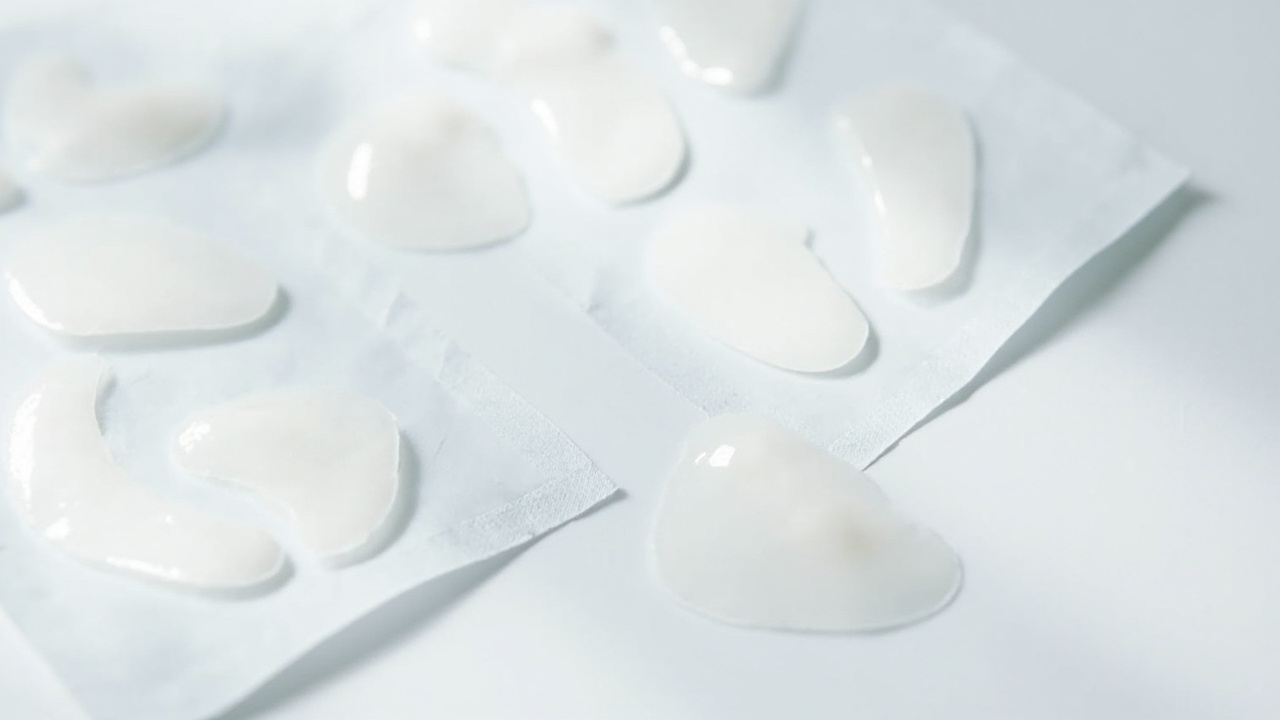
The fitness industry has undergone a remarkable transformation over the past decade, evolving from a focus on pure performance to a holistic approach that integrates wellness, recovery, and proactive health management. As millions of consumers worldwide embrace active lifestyles—from marathon running and CrossFit to yoga and daily gym routines—the demand for innovative recovery solutions has skyrocketed. Among the most promising developments in this space is the fitness patch, a transdermal delivery system that offers targeted support for muscle recovery, pain relief, energy enhancement, and overall wellness. For B2B buyers, brand owners, and wellness entrepreneurs, understanding the intricacies of recovery patch OEM manufacturing is essential to capitalizing on this booming market. In this comprehensive guide, we will explore the science, market trends, regulatory landscape, and strategic considerations for developing a successful active lifestyle patch product line.
Key Takeaways
- The Rise of Fitness and Recovery Patches: A Market Overview
- Why Transdermal Patches Are Ideal for Active Lifestyles
- Key Ingredients and Formulation Considerations for Recovery Patch OEM
- Regulatory Landscape for Fitness and Recovery Patches
- Manufacturing Process: From Concept to Finished Patch
- Market Trends and Consumer Insights Shaping the Active Lifestyle Patch Sector
Key Takeaways
- The global transdermal patch market is projected to reach $8.5 billion by 2027, driven by increasing demand for non-invasive drug delivery and wellness products (Grand View Research, 2020).
- Fitness and recovery patches represent a high-growth niche, with consumers seeking convenient, portable solutions for muscle recovery, pain management, and energy support.
- OEM/ODM partnerships with experienced manufacturers like Kongdy Health (since 1989, FDA/ISO 13485/GMP certified) can accelerate time-to-market and ensure regulatory compliance.
- Key ingredients for active lifestyle patches include menthol, camphor, CBD, arnica, magnesium, and vitamins, each offering specific benefits for recovery and performance.
- Regulatory pathways vary by region: FDA for the US, CE for Europe, and ISO 13485 for global quality management, requiring careful planning for market entry.
- Successful brands differentiate through clinical validation, sustainable materials, and targeted marketing to fitness enthusiasts and professional athletes.
The Rise of Fitness and Recovery Patches: A Market Overview
The global transdermal patch market was valued at approximately $6.8 billion in 2020 and is expected to expand at a compound annual growth rate (CAGR) of 4.5% from 2021 to 2027, reaching over $8.5 billion (Grand View Research, 2020). While traditional pharmaceutical patches for pain, nicotine replacement, and hormone therapy dominate the market, the wellness and fitness segment is emerging as a dynamic growth area. According to a 2022 report by MarketsandMarkets, the sports and fitness nutrition market alone is projected to reach $50 billion by 2027, with recovery products accounting for a significant share. This surge is fueled by a growing awareness of the importance of recovery in athletic performance, coupled with a shift toward preventive health and self-care.
Active lifestyle patches—including fitness patches, recovery patches, and performance-enhancing patches—are gaining traction among athletes, fitness enthusiasts, and everyday consumers. These patches offer a convenient, discreet, and long-lasting method of delivering active ingredients through the skin. Unlike oral supplements, which undergo first-pass metabolism in the liver, transdermal patches provide a steady release of compounds into the bloodstream, potentially improving bioavailability and reducing gastrointestinal side effects. This makes them particularly appealing for ingredients like CBD, magnesium, and certain vitamins that have poor oral absorption.
From a B2B perspective, the opportunity is substantial. Brands can leverage OEM/ODM services to create private-label patches tailored to specific fitness niches—pre-workout energy patches, post-workout recovery patches, sleep support patches for athletes, and pain relief patches for active individuals. The versatility of transdermal technology allows for customization in size, shape, adhesive properties, and active ingredient combinations, enabling brands to differentiate in a crowded marketplace.
Why Transdermal Patches Are Ideal for Active Lifestyles
Active individuals demand products that fit seamlessly into their busy routines. Transdermal patches offer a unique value proposition: they are portable, require no water or swallowing, and provide continuous delivery over hours or even days. For someone who is constantly on the go—whether a weekend warrior or a professional athlete—a recovery patch can be applied after a workout and left on while they shower, work, or sleep, delivering consistent benefits without interruption.
Moreover, transdermal patches bypass the digestive system, which is particularly advantageous for fitness enthusiasts who may experience sensitive stomachs or want to avoid additional pill burden. Ingredients like menthol and camphor, commonly used in topical analgesics, provide localized cooling and warming sensations that can soothe sore muscles. CBD, known for its anti-inflammatory properties, is increasingly incorporated into recovery patches, although regulatory considerations vary by region. Magnesium, a mineral crucial for muscle function and relaxation, is another popular ingredient, as transdermal absorption may offer advantages over oral supplementation, which can cause digestive discomfort.
Another key advantage is the controlled release mechanism. Patches can be engineered to release active ingredients at a predetermined rate, ensuring consistent plasma levels and prolonged effects. This is especially beneficial for ingredients with short half-lives, as it reduces the frequency of administration. For B2B buyers, this translates into a premium product that can command higher price points and foster customer loyalty due to perceived efficacy and convenience.
Key Ingredients and Formulation Considerations for Recovery Patch OEM
When developing a fitness or recovery patch, the formulation is critical to both efficacy and consumer appeal. The choice of active ingredients, adhesives, backing films, and release liners must be carefully balanced to ensure stability, skin compatibility, and desired release profiles. Here are some of the most common active ingredients used in active lifestyle patches:
- Menthol: Provides a cooling sensation and mild analgesic effect; often combined with camphor for a warming counter-irritant effect.
- Camphor: Offers warming relief and helps improve local blood circulation; commonly used in sports recovery patches.
- CBD (Cannabidiol): Prized for its anti-inflammatory and analgesic properties; regulatory status varies, requiring careful navigation for different markets.
- Arnica: A homeopathic remedy for bruising and muscle soreness; popular in natural recovery patches.
- Magnesium: Essential for muscle relaxation and energy production; transdermal delivery may enhance absorption.
- Vitamin B12: Supports energy metabolism and red blood cell production; often used in energy patches.
- Lidocaine: A local anesthetic for targeted pain relief; requires prescription in some regions but available OTC in certain concentrations.
In addition to actives, the adhesive matrix must be compatible with the skin and capable of sustaining the desired release rate. Hydrogel, acrylic, silicone, and rubber-based adhesives each have pros and cons regarding breathability, adhesion, and compatibility with different actives. For instance, hydrogel patches are excellent for cooling and hydrating but may not provide strong adhesion during heavy sweating. Silicone adhesives offer gentle removal and are suitable for sensitive skin, while acrylic adhesives provide strong initial tack and are cost-effective. The backing film should be flexible, conformable, and occlusive enough to prevent evaporation of volatile actives like menthol.
Formulation development also involves stability testing to ensure the patch remains effective throughout its shelf life. Factors such as temperature, humidity, and light exposure can degrade active ingredients or affect adhesive properties. A reputable OEM partner like Kongdy Health will conduct accelerated stability studies and real-time testing to guarantee product quality. Furthermore, the manufacturing process must comply with Good Manufacturing Practices (GMP) and ISO 13485 standards to ensure consistency and safety.
Regulatory Landscape for Fitness and Recovery Patches
Navigating the regulatory environment is one of the most complex aspects of bringing a transdermal patch to market. The classification of a fitness or recovery patch depends on its intended use, claims, and active ingredients. In the United States, the FDA regulates transdermal patches as either drugs, cosmetics, or medical devices, depending on their function. For example, a patch making therapeutic claims such as “relieves muscle pain” or “reduces inflammation” is likely to be regulated as a drug and require a New Drug Application (NDA) or an Abbreviated New Drug Application (ANDA) for generics. Over-the-counter (OTC) monograph pathways exist for certain ingredients like menthol, camphor, and lidocaine, which can simplify the process if the formulation aligns with the monograph.
In the European Union, patches are governed by the Medical Device Regulation (MDR) or the Medicinal Products Directive, again based on claims. The CE mark is required for medical devices, and compliance with ISO 13485 is often a prerequisite. For wellness patches that make cosmetic claims (e.g., “moisturizes” or “refreshes”), the regulatory burden is lower, but brands must avoid drug-like claims to stay within the cosmetic framework. In other regions such as Japan, Canada, and Australia, similar distinctions apply, and local regulations must be consulted.
Given this complexity, partnering with an experienced OEM manufacturer is invaluable. Kongdy Health, with over three decades of experience and certifications including FDA registration, ISO 13485, and GMP, can guide brands through the regulatory maze. Their team can assist with formulation, testing, and documentation to support submissions, ensuring that products meet the necessary standards for each target market. This not only accelerates time-to-market but also mitigates the risk of regulatory setbacks.
Manufacturing Process: From Concept to Finished Patch
Developing a custom fitness patch involves a systematic process that begins with a clear product concept and ends with a packaged, market-ready product. Here is a step-by-step overview of the typical OEM/ODM workflow:
- Consultation and Needs Assessment: The brand shares its vision, target market, desired ingredients, and claims. The OEM team evaluates feasibility, regulatory pathways, and provides recommendations.
- Formulation Development: Chemists create prototype formulations, selecting active ingredients, adhesives, and excipients. They optimize for release profile, stability, and skin feel.
- Prototype Testing: Patches undergo in vitro release testing, stability studies, and skin irritation/sensitization tests. Consumer sensory panels may be conducted to assess comfort and adhesion.
- Scale-Up and Validation: Once the formulation is finalized, the manufacturing process is scaled up. Equipment is validated, and process parameters are locked in to ensure reproducibility.
- Regulatory Submission Support: The OEM prepares technical files, safety data, and other documentation required for regulatory approvals (e.g., FDA, CE).
- Commercial Production: Patches are manufactured under GMP conditions, with rigorous quality control at every stage. In-line and end-product testing ensure conformity.
- Packaging and Labeling: Patches are packaged in pouches or sachets, with labeling that complies with local regulations. Custom packaging options are available for branding.
- Post-Market Surveillance: After launch, the OEM may assist with stability monitoring, adverse event reporting, and product improvements.
Throughout this process, communication and collaboration are key. A reliable OEM partner will provide regular updates, share test results, and involve the brand in critical decisions. Kongdy Health, for instance, offers end-to-end ODM services where they can even help with product ideation and market positioning, leveraging their experience with 120+ countries.
Market Trends and Consumer Insights Shaping the Active Lifestyle Patch Sector
Several trends are driving the growth of fitness and recovery patches. First, the “athleisure” movement has normalized activewear and wellness products in everyday life, creating a receptive audience for patches that support recovery and performance. Second, the COVID-19 pandemic accelerated the adoption of telehealth and self-care, with more consumers seeking ways to manage their health at home. Third, the aging population is increasingly active, and older adults are looking for drug-free pain relief and recovery solutions.
On the consumer side, personalization is a major theme. Athletes and fitness enthusiasts want products tailored to their specific needs—whether it’s a pre-workout energy patch, a post-workout recovery patch, or a sleep patch to enhance recovery overnight. Brands can capitalize on this by offering a range of patches for different use cases, or by creating customizable subscription models. Sustainability is another growing concern; eco-friendly packaging and biodegradable materials can be a differentiator. Transparency in ingredient sourcing and clinical backing are also important for building trust.
Data from a 2023 survey by the Sports & Fitness Industry Association (SFIA) indicates that over 75% of Americans participate in some form of physical activity, and a significant portion use recovery products. Moreover, a 2022 report by the Global Wellness Institute valued the wellness economy at $4.4 trillion, with personal care and beauty, and healthy eating, nutrition, and weight loss among the largest segments. Transdermal patches sit at the intersection of these trends, offering a convenient and effective delivery format.
Choosing the Right OEM Partner for Your Fitness Patch Brand
Selecting an OEM partner is one of the most consequential decisions for a brand entering the transdermal patch market. The ideal partner should have a proven track record, robust quality systems, and the ability to support you from concept to commercialization. Here are key factors to consider:
- Experience and Longevity: A manufacturer with decades of experience, like Kongdy Health (since 1989), has weathered regulatory changes and market shifts, offering stability and expertise.
- Certifications: Look for FDA registration, ISO 13485, GMP, and CE marking capabilities. These certifications demonstrate adherence to international quality standards.
- R&D Capabilities: A strong R&D team can develop custom formulations, solve stability issues, and innovate with new ingredients.
- Manufacturing Capacity: Ensure the partner can scale production to meet your demand forecasts without compromising quality.
- Regulatory Support: The ability to assist with regulatory submissions and compliance in multiple countries is a major advantage.
- Communication and Project Management: Clear, responsive communication and a structured project management approach are essential for a smooth development process.
- Cost and Lead Times: While cost is important, it should not compromise quality. Evaluate the total cost of ownership, including regulatory and logistics support.
Kongdy Health exemplifies these attributes, offering comprehensive OEM/ODM services for transdermal patches. With a global footprint spanning 120+ countries, they have the expertise to help brands navigate diverse markets. Their commitment to quality and innovation makes them a trusted partner for fitness and recovery patch development.
Future Outlook: Innovations and Opportunities in Fitness Patch Technology
The future of fitness and recovery patches is bright, with ongoing innovations poised to expand their capabilities. Wearable technology integration is on the horizon—imagine a patch that not only delivers ingredients but also monitors biomarkers like lactate or hydration levels, transmitting data to a smartphone app. Such smart patches could provide real-time feedback and personalized recovery recommendations, revolutionizing how athletes manage their training.
Another area of innovation is the use of microneedle patches, which painlessly penetrate the stratum corneum to deliver larger molecules (e.g., peptides, proteins) that are otherwise impermeable. While still in early stages, microneedle technology could enable patches for muscle growth, fat loss, or even performance enhancement. Additionally, advances in adhesive technology are leading to patches that adhere better during sweating and movement, addressing a common complaint among active users.
From a market perspective, the Asia-Pacific region is expected to witness the fastest growth due to rising disposable incomes, increasing health awareness, and a burgeoning fitness culture. North America and Europe remain strong markets, with high consumer acceptance of transdermal products. For B2B buyers, staying abreast of these trends and partnering with an innovative OEM can position their brand at the forefront of the next wave of wellness products.
Frequently Asked Questions
Q1: What are the key regulatory requirements for launching a fitness patch in the US and EU?
In the US, the FDA classifies patches based on intended use and claims. If you make therapeutic claims like pain relief, the patch is regulated as a drug and may require an NDA or ANDA, unless it falls under an OTC monograph (e.g., menthol, camphor). Cosmetic claims are regulated differently. In the EU, patches with medical claims require CE marking under MDR, while cosmetic patches follow the Cosmetics Regulation. Working with an OEM like Kongdy Health that understands these pathways is crucial to ensure compliance and avoid delays.
Q2: How long does it take to develop a custom recovery patch from concept to market?
The timeline varies depending on complexity, regulatory pathway, and testing requirements. Typically, formulation development and prototype testing take 3-6 months. Stability studies may take 6-12 months, though accelerated studies can provide preliminary data. Regulatory submissions can add several months to over a year. Overall, a realistic timeline from concept to market is 12-24 months. Partnering with an experienced OEM can streamline the process through efficient project management and pre-existing data on similar formulations.
Q3: Can fitness patches be customized for specific sports or activities?
Absolutely. Patches can be tailored for different sports and activities by adjusting the active ingredients, release profile, size, and shape. For example, a runner might prefer a menthol-based patch for cooling relief, while a weightlifter might want a warming camphor patch for muscle relaxation. Endurance athletes might benefit from energy patches with B vitamins and caffeine, whereas yoga practitioners might prefer calming patches with magnesium and lavender. OEM manufacturers like Kongdy Health can create custom formulations to meet the unique needs of any target audience.
Sources
- Grand View Research – Transdermal Patch Market Size Report, 2020
- MarketsandMarkets – Sports Nutrition Market Report, 2022
- FDA – Drug Development and Approval Process
- ISO – ISO 13485:2016 Medical Devices Quality Management
Ready to bring your fitness or recovery patch to market? Partner with Kongdy Health for expert OEM/ODM services, from formulation to regulatory support. Contact us today to discuss your project.