
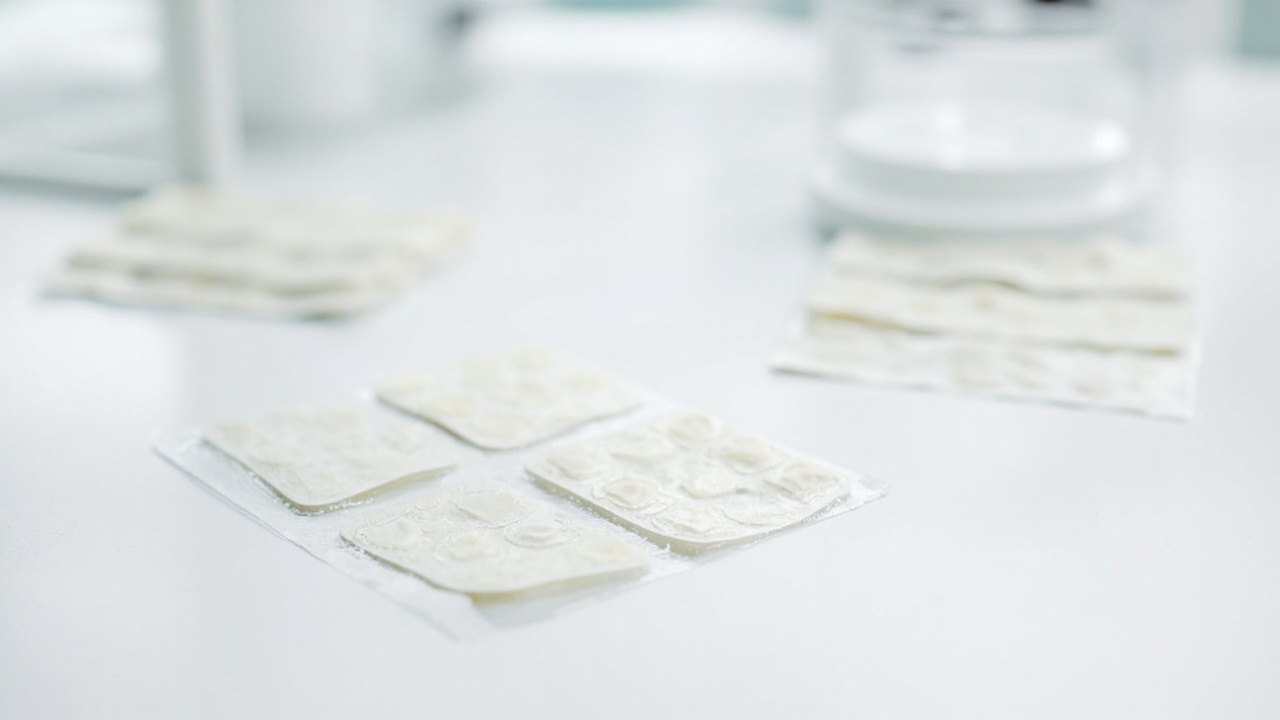
Menstrual cramp patches, also known as period pain patches, are quickly gaining traction as a non-invasive, convenient solution for dysmenorrhea. For wellness brands, this niche offers a lucrative opportunity to expand product lines and meet the rising demand for natural, drug-free pain relief. With the global menstrual care market projected to reach $50 billion by 2027 (Grand View Research, 2022), menstrual cramp patches are emerging as a standout segment. This guide explores the market potential, regulatory landscape, and OEM strategies to help your brand succeed in this space.
Key Takeaways
- Why Menstrual Cramp Patches Are a Growing Niche
- Market Data and Consumer Trends
- Regulatory Landscape for Period Pain Patch OEM
- OEM/ODM Opportunities with Kongdy Health
- Formulation and Technology Trends
- Marketing Strategies for Wellness Brands
Key Takeaways
- The menstrual cramp patch market is growing at a CAGR of 7.5%, driven by increasing consumer preference for non-pharmacological pain relief.
- Partnering with an experienced OEM like Kongdy Health ensures compliance with FDA, ISO 13485, and GMP standards, reducing time-to-market.
- Differentiation through formulation (e.g., herbal actives, heat technology) and sustainable materials can set your brand apart.
- Targeted marketing to younger demographics and leveraging e-commerce channels are key to capturing market share.
- Regulatory pathways vary by region; early engagement with a knowledgeable OEM can streamline approvals.
Why Menstrual Cramp Patches Are a Growing Niche
Menstrual cramps affect up to 80% of women of reproductive age, with 20% experiencing severe pain that disrupts daily activities (WHO, 2020). Traditional remedies like NSAIDs and heating pads have limitations, including side effects and inconvenience. Transdermal patches offer a sustained release of active ingredients or heat therapy, providing relief for hours without the need for pills. This convenience aligns with the growing consumer trend toward self-care and wellness products that integrate seamlessly into daily routines.
Moreover, the stigma around menstruation is diminishing, and younger generations are more open to trying innovative menstrual care products. The rise of femtech and direct-to-consumer brands has also fueled market growth. According to a 2023 report by MarketsandMarkets, the global menstrual care market is expected to grow from $38.5 billion in 2022 to $50.2 billion by 2027, at a CAGR of 5.5%. Within this, pain relief patches are a fast-growing subsegment, with a projected CAGR of 7.5% from 2023 to 2030 (Grand View Research, 2023).
For wellness brands, this represents a chance to enter a high-margin category with strong repeat purchase potential. Unlike consumables like tampons, patches are used intermittently, but their efficacy builds brand loyalty. The niche is still relatively untapped compared to traditional pain relief patches, offering first-mover advantages.
Market Data and Consumer Trends
Understanding the data behind this trend is crucial for strategic planning. Several factors are driving the adoption of menstrual cramp patches:
- Prevalence of dysmenorrhea: Studies show that 50-90% of women experience primary dysmenorrhea, with 10-15% reporting severe symptoms that interfere with daily life (Journal of Pain Research, 2021).
- Shift toward drug-free solutions: A 2022 survey by the Natural Marketing Institute found that 45% of women prefer non-pharmacological options for menstrual pain, citing concerns about NSAID side effects.
- E-commerce growth: Online sales of menstrual care products grew by 25% in 2022, outpacing brick-and-mortar retail (Statista, 2023).
- Subscription models: Brands offering subscription-based period care see 30% higher customer lifetime value (McKinsey, 2021).
These trends indicate a receptive market for innovative patches. Additionally, the COVID-19 pandemic accelerated the adoption of telemedicine and self-care, further boosting demand for at-home remedies.
Geographically, North America and Europe are mature markets with high awareness, while Asia-Pacific is the fastest-growing region due to increasing disposable income and changing attitudes. For OEMs, this means tailoring formulations and marketing to regional preferences.
Regulatory Landscape for Period Pain Patch OEM
Navigating regulations is a critical step for any brand entering the menstrual cramp patch market. In the United States, patches that make therapeutic claims (e.g., “relieves menstrual cramps”) are regulated as medical devices by the FDA. Depending on the mechanism of action, they may be classified as Class I or Class II devices, requiring 510(k) clearance for the latter. For patches with herbal ingredients making structure/function claims, they may fall under cosmetics or dietary supplements, but claims must comply with FTC guidelines.
In the European Union, patches must comply with the Medical Device Regulation (MDR) and carry a CE mark. ISO 13485 certification is essential for quality management, and GMP ensures consistent manufacturing. An experienced OEM partner like Kongdy Health can guide you through these requirements, having obtained FDA registration, ISO 13485, and GMP certifications since 1989.
Key regulatory considerations include:
- Classification: Determine if your patch is a medical device, cosmetic, or drug based on claims and ingredients.
- Testing: Required biocompatibility, stability, and efficacy testing to support claims.
- Documentation: Technical file, clinical evaluation, and labeling compliance.
- Post-market surveillance: Ongoing reporting and vigilance systems.
- Regional variations: Different pathways in countries like Japan, Canada, and Australia.
Working with an OEM that has a proven track record in regulatory affairs can significantly reduce time-to-market and avoid costly delays. Kongdy Health’s 30+ years of experience and 120+ country exports demonstrate their expertise in navigating global regulations.
OEM/ODM Opportunities with Kongdy Health
Kongdy Health specializes in transdermal patch manufacturing, offering full OEM and ODM services. For menstrual cramp patches, they provide formulation development, custom manufacturing, and packaging solutions. Their capabilities include:
- Active ingredient incorporation: From menthol and camphor for cooling relief to herbal extracts like ginger and fennel, or heat-generating ingredients.
- Patch design: Various sizes, shapes, and adhesives for comfort and wearability.
- Quality assurance: In-house testing labs and adherence to ISO 13485 and GMP.
- Regulatory support: Assistance with FDA, CE, and other submissions.
- Scalable production: From pilot runs to mass production with consistent quality.
By partnering with Kongdy Health, brands can focus on marketing and distribution while leveraging Kongdy’s manufacturing expertise. Their ODM services also allow for unique formulations and branding, helping you differentiate in a crowded market. For more details, visit Kongdy Health’s OEM/ODM services.
Formulation and Technology Trends
Innovation in patch technology is key to standing out. Recent trends include:
- Heat therapy patches: Self-heating patches that provide continuous low-level heat for up to 8 hours, mimicking the effect of a heating pad.
- Herbal actives: Patches infused with essential oils like lavender, clary sage, and peppermint, which have anti-inflammatory and antispasmodic properties.
- Drug delivery: Patches with NSAIDs like diclofenac or ibuprofen for targeted pain relief with fewer systemic side effects.
- Smart patches: Wearable technology that monitors pain levels and releases medication on demand (still in early stages).
- Sustainable materials: Biodegradable or recyclable patch substrates and packaging to appeal to eco-conscious consumers.
When developing a product, consider the target consumer’s lifestyle. For example, active women may prefer discreet, thin patches that stay in place during exercise. Comfort and duration of wear are critical factors. Kongdy Health can help prototype and test various formulations to meet these needs.
Marketing Strategies for Wellness Brands
Effective marketing is essential to capture this niche. Here are strategies to consider:
- Educational content: Create blogs, videos, and social media posts explaining how patches work and their benefits over traditional methods.
- Influencer partnerships: Collaborate with health and wellness influencers to build trust and reach target audiences.
- Subscription models: Offer monthly deliveries to ensure repeat purchases and convenience.
- Retail placement: Target health food stores, pharmacies, and online marketplaces like Amazon.
- Sampling: Distribute samples at events or via e-commerce to encourage trial.
- SEO and GEO: Optimize product pages for keywords like “menstrual cramp patch” and “period pain patch OEM” to attract organic traffic.
- Community building: Engage with online communities and forums focused on women’s health.
Highlighting certifications (FDA, ISO 13485, GMP) can also enhance credibility. Consumers are increasingly savvy about product safety and efficacy, so transparency is vital.
Frequently Asked Questions
What is a menstrual cramp patch and how does it work?
A menstrual cramp patch is a transdermal patch applied to the lower abdomen or lower back to relieve period pain. It works by delivering active ingredients (like menthol, herbal extracts, or NSAIDs) through the skin, or by providing heat therapy. The patch offers sustained release over several hours, reducing the need for oral medication. This localized approach minimizes systemic side effects and provides convenient, discreet relief.
Are menstrual cramp patches regulated as medical devices?
In the US, if a patch makes therapeutic claims such as “relieves menstrual cramps,” it is regulated as a medical device by the FDA. Depending on the risk class, it may require 510(k) clearance. In the EU, patches must comply with MDR and carry a CE mark. Herbal patches making cosmetic claims may fall under different regulations. It’s crucial to work with an OEM experienced in regulatory affairs to ensure compliance and avoid delays.
How can I differentiate my menstrual cramp patch brand in a crowded market?
Differentiation can be achieved through unique formulations (e.g., organic herbs, added vitamins), innovative patch designs (e.g., ultra-thin, ergonomic shapes), sustainable materials, and strong branding. Offering value-added services like subscription plans or educational content can also set you apart. Partnering with an OEM like Kongdy Health allows for customization and rapid prototyping to bring unique products to market quickly.