
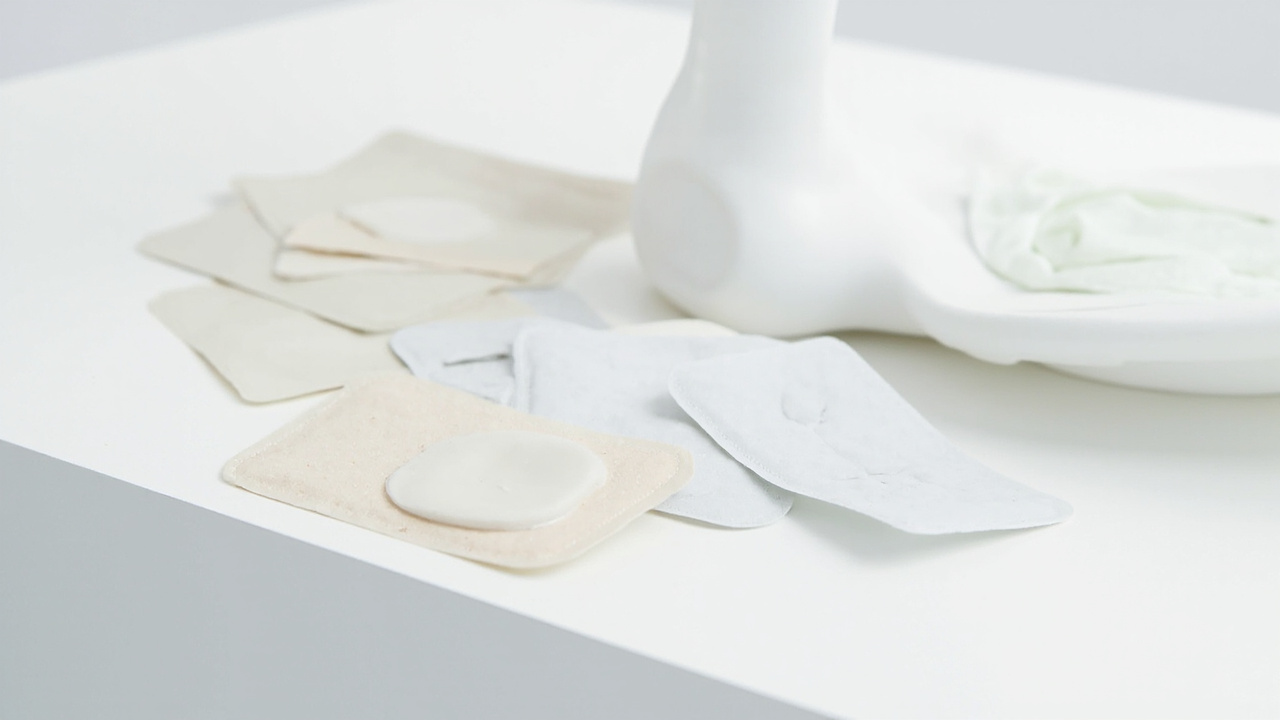
The wellness market is flooded with detox products, and two of the most popular formats are detox patches and detox drinks. As a brand owner, understanding the nuances between these two is critical—not just for marketing, but for consumer education and regulatory compliance. This comprehensive guide will dissect the science, efficacy, and marketing claims behind detox patches and drinks, providing you with the insights needed to make informed product decisions. By the end, you’ll be equipped to navigate this complex landscape and position your brand for success in the competitive detox space.
Key Takeaways
- Understanding the Mechanisms: How Do They Work?
- The Science Behind the Claims: What Does Research Say?
- Market Trends and Consumer Perceptions
- Marketing Claims: What Can You Legally Say?
- Consumer Education: How to Build Trust and Loyalty
- Product Development and Compliance: A Strategic Approach
Key Takeaways
- Detox patches and drinks operate on fundamentally different mechanisms: patches are transdermal, while drinks are ingested.
- Scientific evidence supporting detox claims is limited for both formats, but consumer perception and market trends differ significantly.
- Regulatory compliance is non-negotiable: avoid specific medical claims and ensure your marketing aligns with FDA and FTC guidelines.
- Consumer education is your strongest tool for building trust and differentiating your product in a crowded market.
- Partnering with an experienced OEM manufacturer like Kongdy Health can help you navigate regulatory hurdles and produce high-quality, compliant products.
Understanding the Mechanisms: How Do They Work?
To effectively educate consumers, you must first understand the fundamental differences in how detox patches and detox drinks work. Detox patches, typically applied to the soles of the feet, are designed to be worn for 6-8 hours, often overnight. The theory is that the body’s natural detoxification processes can be supported through the skin, drawing out impurities and toxins through the feet. These patches often contain a blend of ingredients like bamboo vinegar, tourmaline, and various herbal extracts, which, when activated by body heat, are believed to stimulate acupoints and promote lymphatic drainage.
Detox drinks, on the other hand, are ingested and work through the digestive system. They typically contain a mix of water, electrolytes, and herbal ingredients like dandelion root, milk thistle, or ginger, which are thought to support liver and kidney function—the body’s primary detox organs. The idea is that these ingredients enhance the body’s natural ability to eliminate toxins through urine and sweat. While both formats claim to support detoxification, their routes of administration and proposed mechanisms are entirely different, which is a crucial point to communicate to your consumers.
Furthermore, the physiological impact of each is distinct. Transdermal patches offer a slow, sustained release of active ingredients over hours, while drinks provide a quick, systemic absorption through the gastrointestinal tract. This difference influences not only the onset of effects but also the potential for side effects and interactions. For instance, a detox drink might cause digestive upset in some individuals, while a patch might cause skin irritation at the application site. Understanding these nuances allows you to tailor your consumer education and product development strategies effectively.
The Science Behind the Claims: What Does Research Say?
When it comes to scientific validation, both detox patches and drinks face significant scrutiny. A 2009 study published in the Journal of Environmental and Public Health found that most commercial detox products, including patches and drinks, lack robust scientific evidence to support their claims. The study highlighted that while some ingredients like milk thistle and dandelion have shown promise in supporting liver health, the concentrations in these products are often too low to have a meaningful effect. This is a critical point to communicate to consumers to manage expectations and avoid overpromising.
Specifically regarding foot patches, the evidence is even thinner. A small 2015 study in the Journal of Clinical and Aesthetic Dermatology examined the contents of used foot patches and found that the dark discoloration was not due to drawn-out toxins but rather to a chemical reaction between the patch ingredients and sweat. This finding is often cited by skeptics, but it’s essential to present it objectively. While the patches may not pull toxins from the body, they can still offer benefits like relaxation and improved sleep, which are legitimate wellness claims.
On the drink side, some ingredients have a more substantial evidence base. For example, milk thistle (silymarin) has been studied for its hepatoprotective properties, with a 2016 meta-analysis in the World Journal of Hepatology indicating potential benefits in liver disease. However, the evidence for ‘detoxification’ in healthy individuals is still lacking. The takeaway for brand owners is clear: focus on ingredient-specific benefits, like antioxidant support or hydration, rather than broad detox claims. This approach is not only more scientifically sound but also more defensible from a regulatory standpoint.
Market Trends and Consumer Perceptions
The global detox market is substantial and growing. According to Grand View Research, the global detox products market was valued at over $50 billion in 2021 and is projected to grow at a CAGR of 4.5% from 2022 to 2028. Within this, detox patches have carved out a niche, particularly in Asia and North America, driven by the popularity of traditional medicine and the appeal of a low-effort wellness solution. Detox drinks, on the other hand, have benefited from the broader functional beverage trend, with consumers seeking convenient ways to support their health.
Consumer perception of these two formats is remarkably different. Detox patches are often viewed as a ‘passive’ detox method—you wear them while you sleep, and they work silently. This appeals to consumers with busy lifestyles who are looking for a hassle-free addition to their nightly routine. In contrast, detox drinks are seen as an ‘active’ choice, requiring a conscious effort to consume, often in the morning or after a workout. This distinction influences marketing angles: patches can be marketed for relaxation and overnight recovery, while drinks might be positioned for energy and immediate refreshment.
Another trend is the rise of ‘clean label’ products. Consumers are increasingly scrutinizing ingredient lists, looking for natural, recognizable components. According to a 2020 survey by Label Insight, 94% of consumers are more likely to be loyal to a brand that offers transparency. This applies equally to patches and drinks. For patches, this means using organic bamboo vinegar and clearly stating the absence of synthetic adhesives. For drinks, it means avoiding artificial sweeteners and colors. By prioritizing clean ingredients and transparent labeling, you can build trust and differentiate your products in a crowded market.
Marketing Claims: What Can You Legally Say?
One of the most critical aspects of consumer education is understanding the regulatory boundaries of marketing claims. In the United States, the FDA regulates detox products as either cosmetics or dietary supplements, depending on their format. Foot patches are typically classified as cosmetics because they are applied externally, while detox drinks are dietary supplements. This distinction is crucial because it determines which claims are permissible. For cosmetics, you cannot claim to alter the structure or function of the body, meaning you cannot say a patch ‘removes toxins’ or ‘detoxifies the body.’ Instead, you might say it ‘promotes relaxation’ or ‘supports healthy-looking skin.’
For dietary supplements, you can make structure/function claims, such as ‘supports liver health,’ but you must include the FDA disclaimer: ‘This statement has not been evaluated by the Food and Drug Administration. This product is not intended to diagnose, treat, cure, or prevent any disease.’ Furthermore, the Federal Trade Commission (FTC) requires that all claims be substantiated by competent and reliable scientific evidence. In 2017, the FTC warned several companies selling detox products about deceptive advertising, reminding them that they cannot claim to ‘flush toxins’ without evidence.
Internationally, regulations vary. In the European Union, for instance, health claims must be authorized by the European Food Safety Authority (EFSA), and many detox claims are not approved. Similarly, in countries like Japan and South Korea, there are specific guidelines for functional foods. As a brand owner, it is your responsibility to ensure that your marketing claims comply with the regulations in every market you enter. This is where an experienced OEM partner like Kongdy Health can be invaluable, as they can provide guidance on claim substantiation and regulatory compliance based on their decades of experience in the industry.
Consumer Education: How to Build Trust and Loyalty
Given the scientific limitations and regulatory constraints, the key to success lies in consumer education. Rather than making dubious detox claims, focus on educating your customers about what your product does and does not do. For detox patches, this could involve explaining the concept of reflexology and the potential benefits of relaxation and improved sleep. You might share information about the ingredients and their traditional uses, such as bamboo vinegar’s role in soothing tired feet. By setting realistic expectations, you avoid disappointment and build a loyal customer base that trusts your brand.
For detox drinks, emphasize the importance of hydration and the inclusion of beneficial botanicals. Educate consumers about the role of the liver and kidneys in natural detoxification and how your drink’s ingredients, like dandelion or ginger, can support these organs. Use clear, accessible language and avoid jargon. A well-informed consumer is more likely to appreciate the value of your product and become a repeat buyer. Moreover, they are less likely to leave negative reviews based on unrealistic expectations.
An effective way to educate is through content marketing—blog posts, social media, and email newsletters that address common questions and misconceptions. For instance, you could create a post titled ‘What to Expect from Your First Detox Patch’ or ‘The Truth About Detox Drinks.’ Additionally, encourage customer feedback and address concerns promptly and transparently. This not only enhances your reputation but also provides valuable insights into consumer needs and preferences, informing future product development.
Product Development and Compliance: A Strategic Approach
When developing a detox product, whether a patch or a drink, strategic planning is essential. Start by defining your target market and understanding their pain points and preferences. Are they athletes looking for recovery aids? Or busy professionals seeking stress relief? This will guide your formulation and marketing. For patches, consider the adhesive quality, wear time, and ingredient release mechanism. For drinks, focus on taste, bioavailability, and stability. In both cases, safety and quality are non-negotiable, so choose an OEM partner with robust quality management systems.
Compliance with international standards is a must. For medical devices, the ISO 13485 standard ensures quality management, while GMP (Good Manufacturing Practice) certification, such as the US FDA’s 21 CFR Part 110 for supplements, guarantees consistent production. In the EU, the CE mark may be required for certain products. Working with an OEM that holds these certifications, like Kongdy Health, which has been in operation since 1989 and serves over 120 countries, reduces your regulatory burden. They can help you navigate the complex landscape of claims and labeling, ensuring your product is market-ready.
Another strategic consideration is the choice between offering a single format or a combination. Some brands are now offering ‘detox kits’ that include both patches and drinks, claiming a synergistic effect. While this may appeal to consumers, it complicates compliance and marketing. Each product must meet its own regulatory requirements, and claims must be substantiated for the combination. If you choose this route, ensure that your messaging is clear and that you are not overstating benefits. A well-designed kit can increase average order value, but it requires careful planning.
Conclusion: Making an Informed Choice for Your Brand
In the detox patch vs drink debate, there is no clear winner—only different approaches with unique benefits and limitations. As a brand owner, your success depends on your ability to navigate this landscape with integrity and insight. By understanding the mechanisms, science, market trends, and regulatory requirements, you can make an informed choice that aligns with your brand values and consumer needs. Whether you choose to offer patches, drinks, or both, the key is to educate your consumers honestly and provide high-quality products that meet their expectations.
If you’re ready to take your detox product line to the next level, consider partnering with an experienced OEM manufacturer. Kongdy Health, with its 30+ years of experience, FDA, ISO 13485, and GMP certifications, and global reach, is the ideal partner to help you develop, produce, and market compliant and effective detox products. Contact Kongdy Health today to discuss your project and discover how we can support your brand’s growth.
Frequently Asked Questions
Q1: Are detox patches scientifically proven to remove toxins from the body?
No, there is no scientific evidence that detox patches remove toxins from the body. Studies, such as one published in the Journal of Clinical and Aesthetic Dermatology in 2015, have shown that the dark discoloration on used patches is due to a reaction between the patch ingredients and sweat, not drawn-out toxins. However, patches may provide other benefits like relaxation and improved sleep, which can be a legitimate part of a wellness routine. It is essential to communicate these realistic benefits to consumers to maintain trust and avoid misleading claims.
Q2: What are the main differences in regulatory requirements between detox patches and drinks?
Detox patches are typically regulated as cosmetics in the US, meaning their claims cannot reference the structure or function of the body. You cannot say a patch ‘removes toxins’ or ‘detoxifies.’ Detox drinks, on the other hand, are dietary supplements and can make structure/function claims like ‘supports liver health,’ but they must include the FDA disclaimer and have evidence to substantiate claims. Internationally, regulations vary, with the EU requiring EFSA authorization for health claims. It is crucial to work with a knowledgeable OEM partner to ensure compliance in your target markets.
Q3: Can I market my detox product with ‘detox’ claims if I include a disclaimer?
No, a disclaimer does not allow you to make unsubstantiated claims. The FDA and FTC require that all claims, whether explicit or implied, be supported by competent and reliable scientific evidence. If you claim your product ‘detoxifies the body,’ you must have proof. Without it, your marketing is illegal and could result in regulatory action. Instead, focus on ingredient-specific benefits that are supported by research, and use language that is compliant with the regulations for your product category. Honesty and transparency are the best policies for long-term success.