
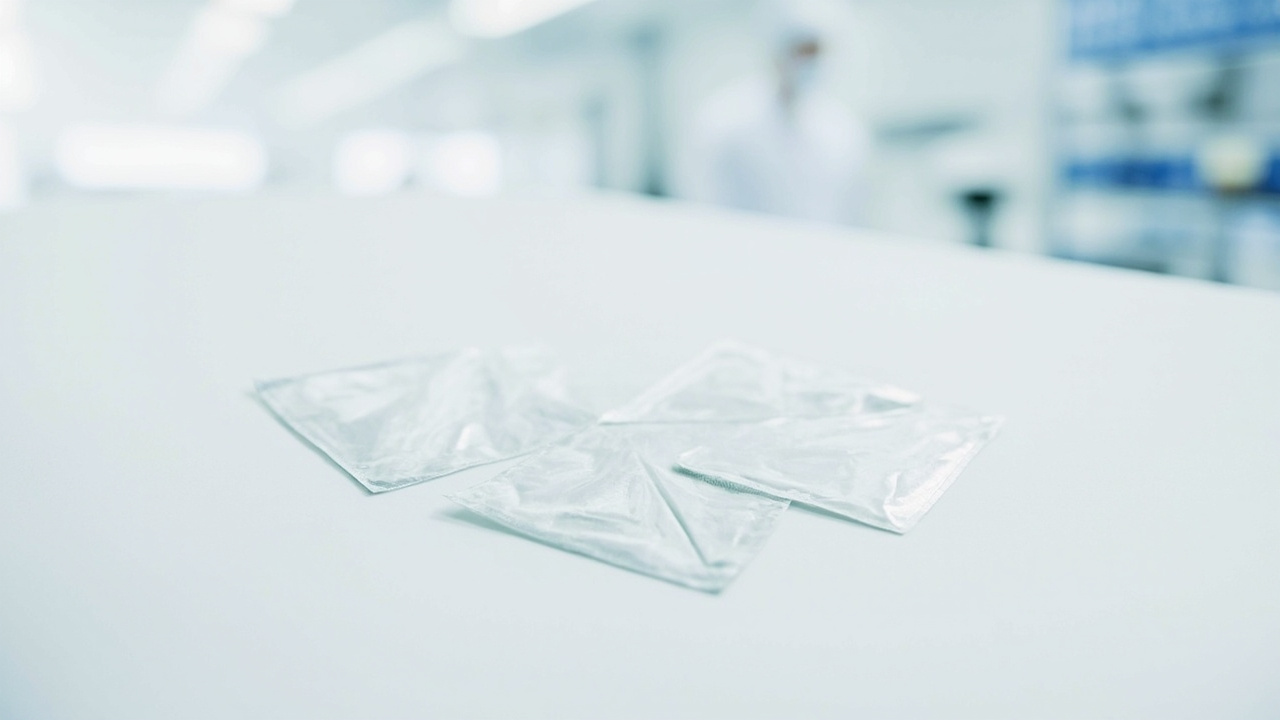
When developing a new transdermal patch product, one of the first financial hurdles is the prototype cost patch and sample terms OEM agreement. Who bears the cost if a prototype fails? Does the OEM or the brand owner pay for samples? These questions are critical for budgeting and risk management. In this guide, we break down the typical sample terms in OEM contracts, explain who pays for failed prototypes, and provide data-driven insights to help you negotiate favorable terms. Whether you’re a startup or an established pharmaceutical company, understanding these terms can save you thousands of dollars and prevent costly delays.
Key Takeaways
- Understanding Prototype and Sample Costs in Transdermal Patch OEM
- Typical Sample Terms in OEM Agreements
- Who Pays for Failed Prototypes?
- Negotiating Sample Terms: A Step-by-Step Guide
- Case Study: How Kongdy Health Handles Sample Terms
- Regulatory Standards and Their Impact on Sample Costs
Key Takeaways
- Sample and prototype costs in OEM agreements are typically negotiable and can range from $500 to $10,000 depending on complexity and volume.
- Failed prototypes are usually paid for by the brand owner unless the failure is due to OEM error or non-compliance with specifications.
- Clear sample terms in the contract—including who pays for materials, labor, and shipping—are essential to avoid disputes.
- OEMs with ISO 13485 and GMP certifications, like Kongdy Health, often have structured sample policies that balance cost-sharing.
- Negotiating prototype cost credits toward future production orders can significantly reduce overall development expenses.
Understanding Prototype and Sample Costs in Transdermal Patch OEM
In the transdermal patch industry, the development process typically begins with a feasibility study, followed by prototype creation and sample production. According to a 2023 report by Grand View Research, the global transdermal patch market was valued at $7.3 billion in 2022 and is expected to grow at a CAGR of 6.5% from 2023 to 2030. As the market expands, more companies are seeking OEM partnerships, making it crucial to understand the cost dynamics of prototypes and samples.
Prototype costs encompass raw materials, formulation development, labor, equipment setup, and quality testing. For a simple patch, these costs might be a few hundred dollars, but for complex drug-in-adhesive systems, they can exceed $10,000. Sample terms, on the other hand, refer to the conditions under which samples are provided—whether they are free, paid, or credited toward future orders. These terms are often outlined in a sample policy or a master service agreement.
The question of who pays for failed prototypes hinges on the reason for failure. If the prototype fails due to a design flaw or incorrect specifications provided by the brand owner, the brand owner typically bears the cost. Conversely, if the failure results from an OEM’s error, such as using substandard materials or deviating from the agreed formula, the OEM may be responsible. However, many OEM contracts include clauses that limit the OEM’s liability to rework or replace the prototype, not to refund the full cost.
Typical Sample Terms in OEM Agreements
Sample terms vary widely across OEMs, but they generally fall into three categories: free samples, paid samples, and sample fees credited to production. Free samples are common for standard products but rare for custom formulations. Paid samples are the norm for custom patches, with costs covering materials and labor. Some OEMs offer a credit model where the sample fee is deducted from the first bulk order, effectively making samples free if the project proceeds.
When negotiating sample terms, consider the following factors:
- Material costs: Who supplies the active pharmaceutical ingredient (API) and excipients? If the brand owner provides APIs, sample costs may be lower.
- Tooling and setup: Custom patch shapes or sizes may require new tooling, which is often a one-time cost borne by the brand owner.
- Testing and certification: Costs for stability testing, biocompatibility, and regulatory documentation may be shared or assigned to one party.
- Shipping and handling: International shipping of samples, especially those containing controlled substances, requires compliance with regulations and may incur additional fees.
- Intellectual property: If the sample involves proprietary technology, ownership and confidentiality terms must be clearly defined.
It’s also important to clarify the number of samples provided. A typical OEM may offer 50 to 200 samples for initial evaluation. Beyond that, additional samples may be charged. For example, a 2022 survey by the Contract Manufacturing Organization (CMO) Leadership Council found that 68% of OEMs charge for samples beyond the initial batch, with fees ranging from $200 to $5,000.
Who Pays for Failed Prototypes?
The allocation of costs for failed prototypes is a common point of contention. In most OEM agreements, the brand owner pays for the initial prototype development, including any failures that occur during the iterative process. This is because prototype development is inherently risky, and the OEM is providing a service based on the brand owner’s specifications. However, if the failure is due to the OEM’s negligence—such as using expired materials or skipping quality control steps—the OEM should bear the cost of rework or replacement.
To protect both parties, contracts should include a clear definition of “failure” and the remedies available. For instance, a contract might state that if a prototype fails to meet agreed-upon specifications, the OEM will rework it at no additional cost, but the brand owner remains responsible for material costs. Alternatively, some OEMs offer a “success-based” model where they absorb prototype costs in exchange for a higher per-unit price in production.
Data from a 2023 industry report by MarketsandMarkets indicates that approximately 30% of transdermal patch development projects experience at least one prototype failure. The average cost of a failed prototype is estimated at $3,500, which can add up quickly for complex drugs. Therefore, it’s essential to discuss failure scenarios upfront and document them in the contract.
Negotiating Sample Terms: A Step-by-Step Guide
Negotiating sample terms requires preparation and a clear understanding of your project’s scope. Follow these steps to secure favorable terms:
- Define your requirements: Clearly outline the patch type, API, dosage, size, and regulatory needs. The more detailed your specifications, the easier it is to get accurate quotes.
- Request a sample policy: Ask potential OEMs for their standard sample policy, including costs, timelines, and what’s included (e.g., testing, documentation).
- Clarify failure responsibility: Discuss who pays for failed prototypes and under what conditions. Insist on a written clause that specifies remedies for OEM errors.
- Negotiate credits: If sample fees are charged, negotiate a credit toward the first production order. This is common with OEMs seeking long-term partnerships.
- Consider volume commitments: If you can commit to larger volumes, you may leverage that for free or reduced-cost samples.
- Review regulatory compliance: Ensure the OEM follows FDA, ISO 13485, and GMP standards. Compliance affects sample quality and cost.
- Get everything in writing: Verbal agreements are not enough. Ensure all terms are documented in the contract or a separate sample agreement.
By following these steps, you can avoid misunderstandings and build a transparent relationship with your OEM partner.
Case Study: How Kongdy Health Handles Sample Terms
Kongdy Health, a leading OEM/ODM transdermal patch manufacturer since 1989, has developed a transparent sample policy that balances cost-sharing and risk. With certifications including FDA, ISO 13485, and GMP, Kongdy Health serves over 120 countries and has a proven track record in patch development.
For new customers, Kongdy Health typically provides an initial batch of free samples for standard formulations. For custom projects, a sample fee is charged, which is credited back upon placing a production order of a certain volume. In cases of prototype failure due to Kongdy Health’s error, the company reworks the prototype at no additional cost and covers material expenses. This approach has resulted in a 95% customer satisfaction rate and long-term partnerships with global brands.
Kongdy Health’s sample terms are designed to be flexible, accommodating startups and large pharmaceutical companies alike. By leveraging their expertise and certifications, clients can navigate the complex regulatory landscape with confidence.
Regulatory Standards and Their Impact on Sample Costs
Regulatory compliance is a significant cost driver in transdermal patch development. In the United States, the FDA requires extensive testing for transdermal patches, including skin irritation and sensitization studies. In Europe, CE marking under the Medical Device Regulation (MDR) imposes similar requirements. ISO 13485 certification ensures quality management systems are in place, while GMP (Good Manufacturing Practices) guarantees consistent production quality.
These standards affect sample costs because they mandate specific testing, documentation, and quality controls. For example, a patch intended for the U.S. market must undergo FDA-reviewed stability studies, which can cost upwards of $20,000. OEMs with in-house testing capabilities, like Kongdy Health, can reduce these costs by streamlining the process. However, brand owners should budget for regulatory expenses separately from sample fees.
When selecting an OEM, verify their certifications and ask about their experience with regulatory submissions. An OEM with a strong compliance record can save you time and money by avoiding costly delays and rejections.
Frequently Asked Questions
Q1: Who typically pays for failed prototypes in an OEM agreement?
In most OEM agreements, the brand owner pays for failed prototypes, as prototype development is a service provided based on the brand owner’s specifications. However, if the failure is due to the OEM’s error, such as using incorrect materials or not following the agreed formula, the OEM is usually responsible for rework or replacement. It’s crucial to define failure and remedies in the contract to avoid disputes. Some OEMs may offer a success-based model where they absorb prototype costs in exchange for higher production pricing.
Q2: Are sample costs negotiable in transdermal patch OEM contracts?
Yes, sample costs are often negotiable, especially for custom projects. Many OEMs offer sample fee credits toward future production orders, effectively making samples free if the project proceeds. Factors such as order volume, complexity, and long-term partnership potential influence negotiability. It’s advisable to request a detailed sample policy and discuss terms before signing a contract. Leveraging volume commitments or agreeing to case studies can also help reduce sample fees.
Q3: What certifications should I look for in an OEM to ensure sample quality?
Look for OEMs with ISO 13485, FDA registration, and GMP certification. ISO 13485 ensures a robust quality management system, while FDA and GMP compliance guarantee that samples meet regulatory standards for safety and efficacy. Additionally, CE marking is essential for European markets. These certifications indicate that the OEM follows stringent processes, reducing the risk of failed prototypes and regulatory issues. Always verify certifications and ask for documentation before proceeding.
Sources
- Grand View Research – Transdermal Patch Market Size Report, 2023
- MarketsandMarkets – Transdermal Patch Market Global Forecast, 2023
- FDA – Medical Device Registration and Listing
- ISO – ISO 13485 Medical Devices
Ready to develop your transdermal patch with a reliable OEM partner? Contact Kongdy Health today to discuss your project and learn more about our sample terms. With over 30 years of experience and certifications including FDA, ISO 13485, and GMP, we are committed to your success.