
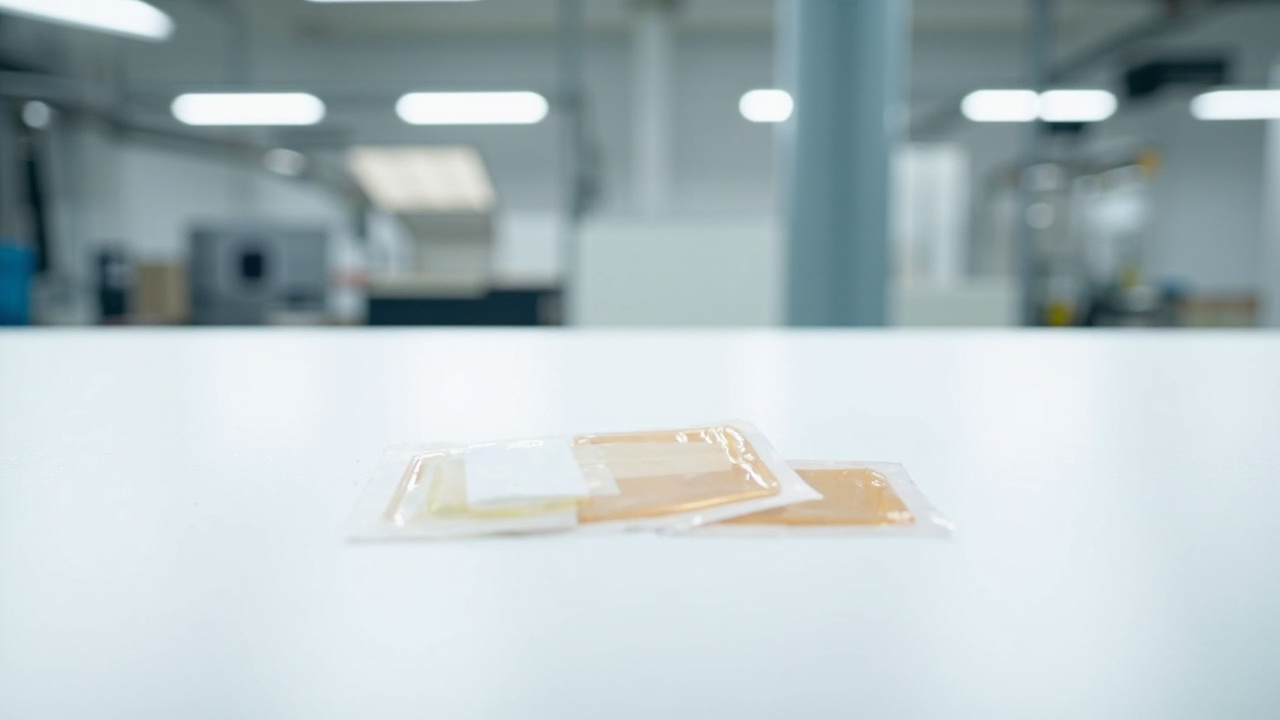
In the pharmaceutical and medical device industry, the integrity of transdermal patches hinges not only on their formulation but also on how they are stored. Proper patch warehousing is critical to ensure product stability, safety, and efficacy from manufacturing to patient use. With global market projections indicating a steady rise in transdermal patch demand—estimated to reach $8.7 billion by 2027 (Grand View Research, 2020)—the need for stringent storage conditions has never been greater. This guide explores best practices for temperature and humidity control in patch warehousing, drawing on regulatory standards and industry expertise to help you safeguard your products.
Key Takeaways
- Why Temperature and Humidity Matter for Transdermal Patches
- Optimal Temperature and Humidity Ranges
- Monitoring and Documentation: The Backbone of Compliance
- Warehouse Design and Layout Considerations
- Regulatory Standards and Compliance
- Case Study: Impact of Humidity Excursion
Key Takeaways
- Maintain temperature between 20–25°C (68–77°F) and relative humidity below 60% to prevent patch degradation.
- Invest in continuous monitoring systems with alarms to detect excursions promptly.
- Follow FDA, ISO 13485, and GMP guidelines for storage and distribution.
- Conduct regular stability studies to validate storage conditions and shelf life.
- Partner with OEMs like Kongdy Health that prioritize compliant warehousing from production to delivery.
Why Temperature and Humidity Matter for Transdermal Patches
Transdermal patches are complex drug delivery systems composed of an adhesive layer, a drug reservoir, and a backing film. These components are sensitive to environmental factors. Elevated temperatures can accelerate chemical degradation, leading to reduced drug potency, while high humidity can cause adhesive failure, patch curling, or microbial growth. Even brief excursions outside recommended ranges can compromise product quality, potentially resulting in patient safety risks and regulatory non-compliance.
According to a study published in the Journal of Pharmaceutical Sciences (2019), improper storage conditions contribute to up to 30% of drug stability failures in transdermal systems. Moreover, the World Health Organization (WHO) estimates that 10% of medical products in low- and middle-income countries are substandard or falsified, with poor storage often a contributing factor. These statistics underscore the importance of rigorous environmental control in warehousing.
Regulatory agencies such as the FDA and international standards like ISO 13485 and GMP mandate specific storage conditions to ensure product quality. For instance, the FDA’s Guidance for Industry on Stability Testing requires that drug products be stored under conditions that mimic real-world exposure, and deviations must be thoroughly investigated. Similarly, ISO 13485 emphasizes risk management throughout the product lifecycle, including storage and distribution.
Optimal Temperature and Humidity Ranges
The ideal storage conditions for transdermal patches are typically defined as controlled room temperature: 20–25°C (68–77°F) with allowable excursions between 15–30°C (59–86°F). Relative humidity should be maintained below 60%, with many manufacturers targeting 45–55% to provide a safety margin. These ranges are based on stability data and are often specified in the product’s labeling and regulatory filings.
However, it’s essential to recognize that different patch formulations may have unique requirements. For example, patches containing volatile actives or moisture-sensitive drugs may need tighter control. Therefore, always refer to the manufacturer’s storage instructions and validate conditions through stability studies. Kongdy Health, with over 30 years of OEM experience, designs patches with stability in mind and provides detailed storage guidelines to partners.
To achieve these conditions, warehouses must be equipped with HVAC systems capable of precise temperature and humidity regulation. Redundancy should be built in to prevent system failures, and backup power generators are recommended. Additionally, warehouses should be insulated and sealed to minimize external influences.
Monitoring and Documentation: The Backbone of Compliance
Continuous monitoring is non-negotiable. The FDA’s 21 CFR Part 11 requires electronic records and signatures to be trustworthy and reliable, which extends to environmental monitoring systems. ISO 13485 clause 7.5.11 emphasizes the need to document storage conditions and maintain records for traceability.
Best practices include:
- Installing calibrated sensors at multiple locations, including high-risk areas like near doors and HVAC vents.
- Using a validated monitoring system with real-time alerts for out-of-specification events.
- Recording data at least every 15 minutes and retaining logs for the product’s shelf life plus one year.
- Conducting regular audits and calibration checks to ensure accuracy.
- Implementing a deviation management process to investigate and remediate excursions.
Documentation not only ensures compliance but also provides data for continuous improvement. For instance, analyzing trends can reveal seasonal fluctuations or equipment inefficiencies, allowing proactive adjustments.
Warehouse Design and Layout Considerations
The physical design of a warehouse significantly impacts environmental control. Here are key factors:
- Zoning: Separate areas for receiving, storage, and shipping to prevent cross-contamination and temperature fluctuations. Quarantine areas for non-conforming products should be clearly marked.
- Insulation: Use high-quality insulation in walls, ceilings, and doors to maintain stable internal conditions. Consider airlocks at entry points to reduce air exchange.
- Airflow: Ensure proper air circulation to avoid hot spots and humidity pockets. HVAC systems should be designed to distribute air evenly.
- Lighting: UV light can degrade certain drugs; use LED lighting with low UV emission and minimize direct sunlight exposure.
- Racking: Store products off the floor and away from walls to allow air circulation. Use shelving that doesn’t obstruct airflow.
- Pest Control: Implement integrated pest management to prevent contamination, as pests can be attracted to humidity and packaging materials.
Additionally, consider the use of data loggers during transportation to ensure continuity of conditions from warehouse to destination. The cold chain, if required, must be validated end-to-end.
Regulatory Standards and Compliance
Compliance with regulatory standards is mandatory for market access. Key standards include:
- FDA (US): 21 CFR Parts 210 and 211 for current Good Manufacturing Practice (cGMP) and 21 CFR Part 11 for electronic records.
- ISO 13485: International standard for medical devices quality management systems, requiring control of storage and distribution.
- GMP: Good Manufacturing Practice guidelines from WHO and other bodies, emphasizing premises and equipment.
- CE Marking (EU): Compliance with Medical Device Regulation (MDR) 2017/745, which includes storage requirements.
Non-compliance can lead to warning letters, product recalls, and reputational damage. In 2022, the FDA issued over 50 warning letters related to cGMP violations, many involving improper storage conditions (FDA, 2022). Therefore, investing in robust warehousing practices is not just about quality but also about mitigating regulatory risk.
Case Study: Impact of Humidity Excursion
In 2020, a mid-sized pharmaceutical company experienced a humidity excursion in its warehouse when the HVAC system failed during a heatwave. Relative humidity spiked to 75% for 48 hours. Post-incident testing revealed that 15% of the stored transdermal patches had adhesive degradation, leading to a recall worth $2 million. This case highlights the financial and reputational consequences of inadequate monitoring and backup systems.
To prevent such scenarios, companies should implement redundant HVAC systems, real-time alerts, and rapid response protocols. Regular drills and staff training are also essential.
Best Practices for Patch Warehousing
Based on industry standards and expert insights, here are the top best practices:
- Define and Validate Storage Conditions: Establish temperature and humidity ranges based on stability studies and regulatory requirements.
- Invest in Robust HVAC Systems: Choose systems with precise control and redundancy. Ensure regular maintenance.
- Implement Continuous Monitoring: Use calibrated sensors and a validated system with alarms and remote access.
- Train Personnel: Staff should understand the importance of storage conditions and know how to respond to alarms.
- Document Everything: Maintain records of monitoring, maintenance, and deviations for audits.
- Conduct Regular Audits: Internal and external audits help identify gaps and ensure compliance.
- Plan for Emergencies: Develop contingency plans for power outages, HVAC failures, and natural disasters.
- Partner with Reliable OEMs: Work with manufacturers like Kongdy Health that adhere to strict storage and shipping protocols.
Frequently Asked Questions
Q1: What are the ideal temperature and humidity conditions for storing transdermal patches?
The ideal conditions are typically 20–25°C (68–77°F) with relative humidity below 60%. However, always refer to the manufacturer’s labeling, as some patches may require tighter control. These ranges are based on stability studies to ensure drug potency and adhesive integrity. Excursions should be minimized and investigated if they occur.
Q2: How often should temperature and humidity be monitored in a patch warehouse?
Continuous monitoring is recommended, with data recorded at least every 15 minutes. This allows for immediate detection of excursions. The monitoring system should be validated and calibrated regularly. Records must be retained for the product’s shelf life plus one year to comply with FDA and ISO 13485 requirements.
Q3: What should I do if there is a temperature or humidity excursion?
First, assess the extent and duration of the excursion. Quarantine affected products and conduct a risk assessment to determine impact on quality. Depending on the severity, you may need to initiate stability testing or discard the batch. Document the event and corrective actions. Partnering with an experienced OEM like Kongdy Health can provide guidance on handling such situations.
Conclusion
Effective patch warehousing is a cornerstone of pharmaceutical quality assurance. By adhering to temperature and humidity best practices, you protect product integrity, ensure patient safety, and maintain regulatory compliance. As the transdermal patch market continues to grow, investing in robust storage infrastructure and monitoring systems is a strategic imperative.
At Kongdy Health, we understand the critical nature of storage conditions. With over 30 years of OEM/ODM experience and certifications including FDA, ISO 13485, and GMP, we ensure that our patches are manufactured and stored under optimal conditions. Whether you need custom formulation or reliable supply, our team is here to support your success. Contact us today to learn more about our OEM services and how we can help you maintain the highest standards in patch warehousing.
Sources
- Grand View Research – Transdermal Patch Market Size Report, 2020
- FDA – Guidance for Industry: Stability Testing of Drug Substances and Products
- ISO 13485:2016 – Medical devices — Quality management systems
- WHO – Substandard and Falsified Medical Products Fact Sheet