
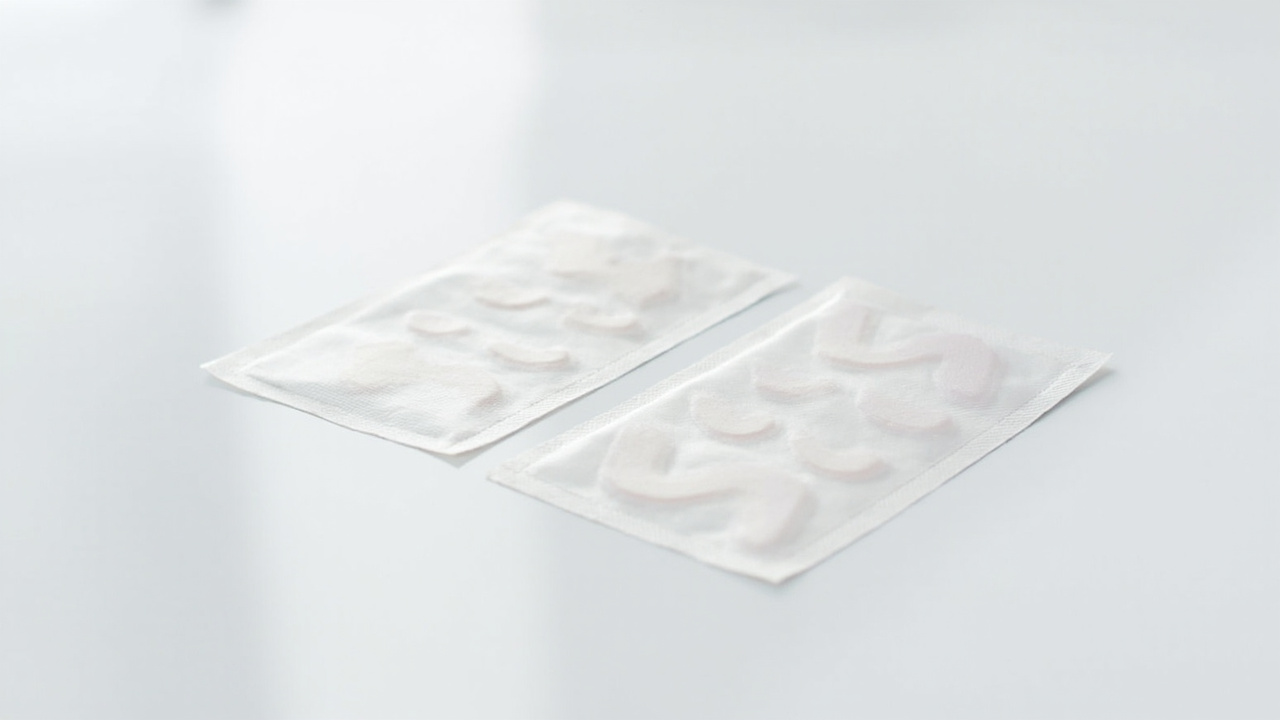
As the wellness industry pivots toward non-invasive, convenient delivery systems, magnesium patches have emerged as a standout category. For B2B buyers and brand owners, understanding the intersection of clinical evidence, consumer demand, and manufacturing feasibility is critical. This guide provides a deep dive into the magnesium transdermal landscape, equipping you with the data needed to make informed decisions about magnesium patch OEM partnerships.
Key Takeaways
- The Science Behind Magnesium Transdermal Delivery
- Market Demand and Consumer Trends
- Manufacturing Considerations for Magnesium Patches
- Regulatory Landscape and Compliance
- Steps to Launch a Magnesium Patch Product
- Choosing the Right OEM Partner
Key Takeaways
- Magnesium patch demand is surging, driven by sleep and recovery trends, with the global transdermal patch market projected to reach $8.5 billion by 2028 (Grand View Research, 2021).
- Clinical evidence supports transdermal magnesium absorption, though more robust trials are needed; however, consumer perception of efficacy is strong.
- OEM manufacturing requires careful formulation, adhesive selection, and regulatory compliance (FDA, ISO 13485, GMP) to ensure product stability and safety.
- Partnering with an experienced OEM like Kongdy Health can accelerate time-to-market and ensure scalability.
- Key success factors include differentiated formulations, rigorous quality control, and clear marketing claims backed by science.
The Science Behind Magnesium Transdermal Delivery
Magnesium is an essential mineral involved in over 300 enzymatic reactions, including energy production, muscle function, and nervous system regulation. While oral supplements are common, they suffer from poor bioavailability and gastrointestinal side effects. Transdermal delivery offers a potential bypass of the digestive system, allowing for direct absorption through the skin. Although the stratum corneum presents a barrier, studies suggest that magnesium ions can penetrate when formulated with appropriate enhancers and delivery systems.
Research indicates that transdermal magnesium application can increase serum magnesium levels, albeit at a slower rate than intravenous administration. A 2017 study published in PLOS ONE found that participants who applied magnesium chloride topically experienced a significant rise in urinary magnesium excretion, suggesting absorption. However, the scientific community remains divided on the efficiency of transdermal absorption, highlighting the need for further clinical trials. For OEMs, this means formulating with high-quality magnesium salts (e.g., magnesium chloride, magnesium sulfate) and penetration enhancers to maximize efficacy.
From a product development standpoint, the choice of adhesive matrix is crucial. The adhesive must be compatible with magnesium salts, which can be hygroscopic and affect tackiness. Additionally, the patch design should ensure sustained release over 8-12 hours, aligning with sleep cycles. Kongdy Health’s R&D team has extensive experience in optimizing such formulations, ensuring stability and performance.
Market Demand and Consumer Trends
The demand for magnesium patches is being fueled by the broader wellness movement, particularly in sleep support and natural pain relief. According to Grand View Research, the global transdermal patch market was valued at $6.2 billion in 2020 and is expected to grow at a CAGR of 5.5% from 2021 to 2028, reaching $8.5 billion. The sleep aids segment, including patches, is a significant contributor, as consumers seek drug-free alternatives to melatonin and prescription sleep aids.
Market data from Statista (2022) shows that the global sleep aids market is projected to reach $101.9 billion by 2026, with natural remedies gaining share. Magnesium patches are positioned at the intersection of sleep and mineral supplementation, appealing to health-conscious consumers. Furthermore, the rise of e-commerce and social media has amplified awareness, with influencers and wellness blogs touting the benefits of transdermal magnesium.
Regionally, North America and Europe are the largest markets, driven by high disposable income and a strong preference for preventive health. However, Asia-Pacific is expected to witness the fastest growth, with increasing urbanization and health awareness. For B2B buyers, this signals opportunities for private label brands targeting these regions. Differentiation through unique formulations (e.g., magnesium with melatonin or CBD) can capture niche segments.
Manufacturing Considerations for Magnesium Patches
Producing magnesium patches requires a meticulous approach to formulation, coating, and converting. The first step is selecting the right magnesium compound. Magnesium chloride is commonly used due to its high solubility, but it can be irritating to the skin. Magnesium sulfate (Epsom salt) is gentler but less potent. Magnesium oxide is another option, though its absorption profile is debated. The OEM must balance efficacy with tolerability.
Next, the adhesive matrix must be engineered to hold the active ingredient and release it consistently. Pressure-sensitive adhesives (PSAs) such as acrylics or silicones are typical. However, magnesium salts can interact with the adhesive, leading to reduced tack or cold flow. Formulators often incorporate humectants like glycerin to maintain moisture and enhance penetration. Additionally, the patch backing and release liner must be chosen for compatibility and user comfort.
Quality control is paramount. Each batch must be tested for magnesium content uniformity, adhesion strength, and microbial limits. Regulatory standards such as ISO 13485 for medical devices and GMP for pharmaceuticals (if making drug claims) are essential. In the US, the FDA may classify magnesium patches as cosmetics or drugs depending on claims; thus, regulatory strategy must be defined early. Kongdy Health operates under ISO 13485 and GMP certifications, ensuring compliance and quality.
Regulatory Landscape and Compliance
Navigating the regulatory pathway for magnesium patches is complex and varies by region. In the United States, the FDA regulates transdermal patches as either drugs, medical devices, or cosmetics based on intended use. If a patch claims to treat a disease (e.g., “relieves muscle cramps”), it is likely a drug requiring an NDA or ANDA. If it only moisturizes or cleanses, it may be a cosmetic. For wellness claims like “supports relaxation,” the line is blurry, and many companies opt for a cosmetic or general wellness positioning to avoid the drug pathway.
In the European Union, patches can be classified as medical devices under the Medical Device Regulation (MDR) if they have a physical effect, or as cosmetics under EC 1223/2009. The CE mark is required for medical devices. In Asia, regulations differ; for example, Japan’s PMDA has specific requirements for transdermal products. It’s crucial to work with an OEM that has experience in your target markets. Kongdy Health has successfully guided clients through FDA, CE, and other international registrations.
Compliance also extends to labeling and claims. All claims must be substantiated and compliant with local advertising laws. For instance, in the US, the FTC requires competent and reliable scientific evidence for health claims. Therefore, investing in clinical studies or relying on published literature is advisable. Additionally, ingredient sourcing must meet quality standards, and documentation for traceability is essential.
Steps to Launch a Magnesium Patch Product
Launching a magnesium patch brand involves a series of strategic steps. Below is a numbered list to guide you from concept to market.
- Market Research and Concept Development: Identify your target audience (e.g., athletes, insomnia sufferers) and define your unique selling proposition. Analyze competitors and determine pricing strategy.
- Formulation and Prototyping: Collaborate with your OEM to develop a formulation that meets your efficacy and sensory requirements. Test different magnesium salts, adhesives, and enhancers. Conduct stability studies to ensure shelf life.
- Regulatory Strategy: Determine the regulatory classification in your target markets. Prepare necessary documentation for FDA, CE, or other agencies. Ensure claims are compliant.
- Clinical Evaluation (Optional but Recommended): Conduct a small clinical trial or consumer study to substantiate claims and gather marketing data.
- Scale-Up and Manufacturing: Once the prototype is finalized, scale up production with your OEM. Ensure quality control measures are in place. Obtain necessary certifications.
- Packaging and Branding: Design packaging that communicates benefits and complies with labeling regulations. Consider eco-friendly materials to appeal to sustainability-minded consumers.
- Marketing and Distribution: Develop a go-to-market plan across channels (e-commerce, retail, practitioners). Leverage content marketing, influencer partnerships, and sampling.
- Post-Launch Monitoring: Collect consumer feedback and adverse event reports. Continuously improve the product and expand to new markets.
Choosing the Right OEM Partner
Selecting an OEM partner is one of the most critical decisions for your magnesium patch brand. The ideal partner should have a proven track record in transdermal manufacturing, robust quality systems, and regulatory expertise. Look for certifications such as ISO 13485, GMP, and FDA registration. Additionally, assess their R&D capabilities, scalability, and communication responsiveness.
Kongdy Health, with over 30 years of experience and serving 120+ countries, is a leader in transdermal patch OEM. Our state-of-the-art facilities in China are FDA-registered and ISO 13485 certified. We offer end-to-end services from formulation to packaging, ensuring your product meets the highest standards. Our team of experts can guide you through regulatory hurdles and help you launch a successful magnesium patch line.
When evaluating OEMs, consider their minimum order quantities (MOQs), lead times, and pricing. A transparent partner will provide detailed quotes and timelines. Also, ask for references and samples to assess quality. Kongdy Health prides itself on flexible MOQs and rapid prototyping, enabling brands of all sizes to enter the market.
Future Trends and Opportunities
The magnesium patch market is poised for continued growth, driven by innovation and consumer demand. Emerging trends include combination patches (e.g., magnesium with essential oils or CBD), smart patches with sensors, and eco-friendly materials. Additionally, personalized nutrition is gaining traction, with opportunities for customized magnesium dosages based on individual needs.
From a manufacturing perspective, advancements in adhesive technology and microencapsulation can enhance delivery and stability. For B2B buyers, staying ahead of these trends can provide a competitive edge. Partnering with an innovative OEM like Kongdy Health ensures access to the latest technologies and formulations.
In conclusion, the magnesium patch category offers significant opportunities for brands willing to invest in quality and compliance. With the right OEM partner, you can navigate the complexities and capture a share of this growing market.
Frequently Asked Questions
Q1: What is the typical lead time for magnesium patch OEM production?
Lead times vary based on formulation complexity, order quantity, and regulatory requirements. Generally, from prototype approval to delivery, it can take 8-12 weeks. This includes time for stability testing and quality control. Kongdy Health offers expedited services for urgent projects, but we recommend planning ahead to ensure smooth production.
Q2: Are there any restrictions on marketing magnesium patches?
Yes, marketing claims are regulated. In the US, the FDA and FTC oversee claims; structure-function claims (e.g., “supports relaxation”) are allowed for dietary supplements, but disease claims require drug approval. In the EU, claims must comply with the Nutrition and Health Claims Regulation. It’s essential to work with regulatory experts to ensure compliance. Kongdy Health provides guidance on claim substantiation.
Q3: Can magnesium patches be combined with other active ingredients?
Absolutely. Many brands combine magnesium with ingredients like melatonin for sleep, CBD for relaxation, or arnica for pain relief. However, compatibility and stability must be tested. Some ingredients may interact or affect adhesion. Your OEM should conduct compatibility studies to ensure the final product meets quality standards. Kongdy Health has experience in formulating combination patches.
Sources
- Grand View Research – Transdermal Patch Market Size Report
- Statista – Sleep Aids Market Worldwide
- FDA – Transdermal Patches
- ISO 13485 – Medical Devices Quality Management
Ready to launch your magnesium patch line? Partner with Kongdy Health for expert OEM/ODM services. Contact us today to discuss your project.