
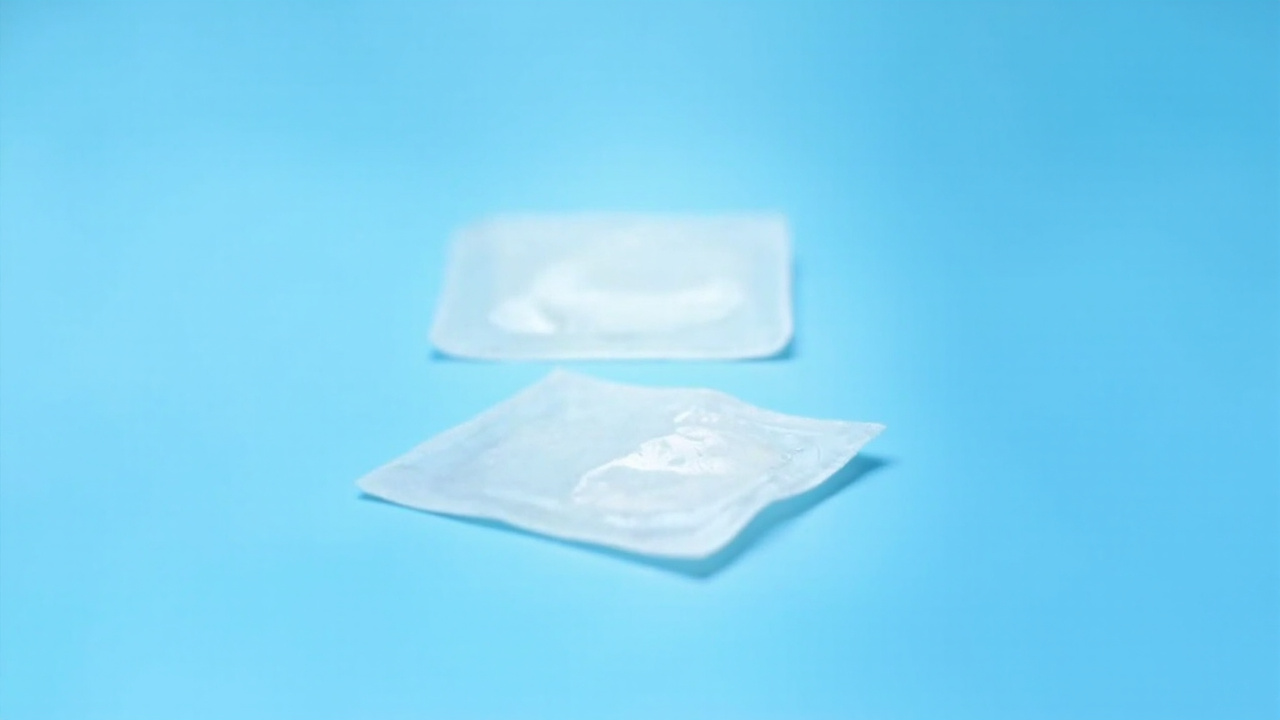
Selecting the right OEM partner is one of the most critical decisions for any brand entering the transdermal patch market. A reliable manufacturer ensures product quality, regulatory compliance, and timely delivery—directly impacting your brand reputation and bottom line. With the global transdermal patch market projected to reach $12.4 billion by 2028, choosing the wrong partner can lead to costly delays, recalls, or compliance failures. To help you make an informed decision, we outline seven essential criteria for evaluating a transdermal patch OEM partner.
1. Manufacturing Capabilities and Technology
Assess the OEM’s production capacity, equipment, and technology. Can they handle your required volume—from small pilot batches to large-scale commercial runs? Look for advanced coating, laminating, and die-cutting machinery that ensures consistent patch uniformity. Ask about their ability to produce various patch types: matrix, reservoir, or microneedle patches. A versatile manufacturer like Kongdy Health offers multiple production lines and can scale up as your demand grows.
2. Regulatory Compliance and Certifications
Your OEM partner must comply with international standards. Verify if they hold certifications such as ISO 13485 (medical devices), GMP (Good Manufacturing Practices), or FDA registration. These certifications demonstrate a commitment to quality and safety. Additionally, check their experience with regulatory submissions in your target markets—FDA 510(k), EU MDR, or others. A partner with a strong regulatory track record can accelerate your product launch.
3. R&D and Formulation Expertise
Transdermal patch development requires specialized knowledge in drug delivery systems. Evaluate the OEM’s R&D team: their experience with active pharmaceutical ingredients (APIs), excipients, and permeation enhancers. Can they formulate patches with controlled release profiles? Ask about their expertise in handling challenging APIs—hydrophilic or high molecular weight compounds. A partner with a robust R&D department can help optimize your formulation for stability and efficacy.
4. Quality Control and Assurance
Rigorous quality control is non-negotiable. Inquire about their QC processes: in-process testing, finished product testing (assay, content uniformity, dissolution, microbial limits), and stability studies. Do they have accredited laboratories? What is their defect rate and recall history? A reliable OEM implements statistical process control and follows ICH guidelines. Request a copy of their quality manual or audit report.
5. Supply Chain and Raw Material Sourcing
Consistent product quality depends on reliable raw materials. Evaluate the OEM’s supply chain management: where do they source backing films, release liners, and adhesives? Do they have multiple suppliers for critical materials to avoid disruptions? Ask about their inventory management and lead times. A partner with a robust supply chain can ensure uninterrupted production and shorter turnaround times.
6. Experience and Client Portfolio
Experience matters. How long has the OEM been in the transdermal patch business? Do they have a track record of successful projects? Ask for case studies or references—preferably from clients in your therapeutic area (pain management, hormonal therapy, smoking cessation, etc.). A manufacturer with a diverse portfolio demonstrates adaptability and problem-solving skills.
7. Communication and Project Management
Effective collaboration requires clear communication. Assess their project management approach: do they assign a dedicated account manager? What is their typical response time? How do they handle confidentiality (NDAs) and intellectual property protection? A transparent, responsive partner minimizes misunderstandings and keeps your project on track.
- Evaluate manufacturing scalability and technology
- Verify regulatory certifications and compliance
- Assess R&D expertise and formulation capabilities
- Review quality control processes and track record
- Check supply chain reliability and sourcing
- Examine industry experience and client references
- Ensure strong communication and project management
Choosing the right transdermal patch OEM partner is a strategic decision that impacts your product’s success. By carefully evaluating these seven criteria, you can select a manufacturer that meets your quality, regulatory, and business needs. Kongdy Health, with over 15 years of experience serving 120+ countries, offers end-to-end OEM/ODM solutions—from formulation to packaging—with strict compliance to international standards. Contact us today to discuss your project and discover how we can be your trusted partner in transdermal patch manufacturing.