
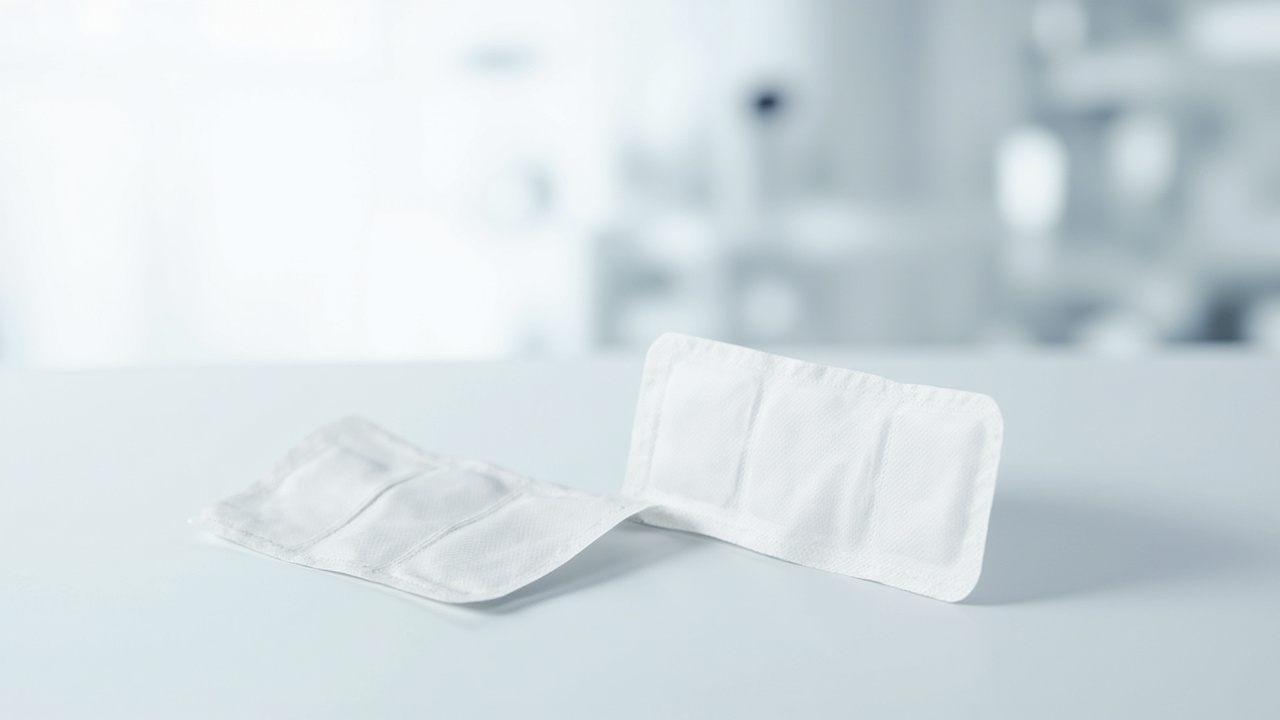
Welcome to the definitive guide on GCC patch registration and labeling for wellness patches. As the Middle East patch market experiences robust growth, driven by increasing consumer demand for convenient and effective wellness solutions, navigating the regulatory landscape is crucial for B2B success. In this comprehensive article, we’ll explore the intricacies of GCC medical device regulations, specifically focusing on transdermal patches, and provide actionable insights for manufacturers, distributors, and brand owners looking to enter or expand in the region. With over three decades of experience as an OEM partner, Kongdy Health has helped numerous clients achieve compliance and market access. Let’s dive into the essential steps and considerations for successful GCC market entry.
Key Takeaways
- Understanding the GCC Medical Device Regulatory Landscape
- Market Potential for Wellness Patches in the GCC
- Registration Pathways for Transdermal Patches in GCC Countries
- Labeling Requirements for Wellness Patches in the GCC
- Step-by-Step Guide to GCC Patch Registration
- Common Challenges and How to Overcome Them
Key Takeaways
- GCC medical device registration is mandatory for all wellness patches and requires compliance with each member state’s regulations, often harmonized through the Gulf Central Drug Registration system.
- Labeling must be in Arabic and English, include specific information such as manufacturer details, batch number, expiry date, and storage conditions, and comply with GSO standards.
- The Middle East patch market is projected to grow at a CAGR of around 7% from 2023 to 2030, driven by rising health awareness and aging populations.
- Partnering with an experienced OEM like Kongdy Health can streamline the registration process, ensuring compliance and faster market access.
- Common pitfalls include incomplete documentation, inadequate labeling, and failure to appoint a local authorized representative.
- Leveraging international certifications such as ISO 13485, FDA, and CE can facilitate GCC registration but does not replace local requirements.
Understanding the GCC Medical Device Regulatory Landscape
The Gulf Cooperation Council (GCC) comprises six countries: Bahrain, Kuwait, Oman, Qatar, Saudi Arabia, and the United Arab Emirates. Each has its own regulatory authority, but there’s a growing trend toward harmonization. The Gulf Health Council (GHC) and the Gulf Standardization Organization (GSO) play key roles in setting standards. For medical devices, including transdermal patches, the GCC operates under a centralized system called the Gulf Central Drug Registration (GCDR) for pharmaceuticals, but medical devices are regulated separately. However, many countries follow the GSO’s medical device regulations, which are largely based on the International Medical Device Regulators Forum (IMDRF) and ISO 13485. In Saudi Arabia, the Saudi Food and Drug Authority (SFDA) is the primary regulator, while the UAE has the Ministry of Health and Prevention (MOHAP) and the Emirates Authority for Standardization and Metrology (ESMA). Understanding these authorities is the first step.
Wellness patches, often classified as medical devices or borderline products, must comply with the specific classification rules of each country. For instance, in the UAE, patches that deliver substances through the skin may be considered medicinal products if they have a pharmacological action, whereas those that act physically (e.g., heating patches) are devices. This classification determines the registration pathway. The SFDA in Saudi Arabia has a clear medical device classification system based on risk (Class A to D). Most wellness patches fall into Class A or B, but this can vary. It’s essential to determine the correct classification early, as it affects the conformity assessment route and the amount of data required.
Moreover, the GCC has been working on a unified medical device regulation, but as of 2024, it’s not fully implemented. Therefore, companies must navigate a patchwork of national requirements. A common strategy is to start with one market, such as the UAE or Saudi Arabia, and then expand. However, each country requires its own registration, although some accept approvals from reference countries. For example, the UAE MOHAP may accept CE or FDA approvals as part of the assessment, but you still need to submit a local application. The SFDA has its own online portal (GHAD) for medical device registration. It’s crucial to stay updated on evolving regulations, as the region is dynamic.
Market Potential for Wellness Patches in the GCC
The Middle East patch market is on an upward trajectory, driven by factors such as increasing health consciousness, a growing aging population, and a rise in chronic diseases like diabetes and obesity. According to a 2023 report by Grand View Research, the global transdermal patch market size was valued at USD 7.1 billion in 2022 and is expected to expand at a compound annual growth rate (CAGR) of 6.7% from 2023 to 2030. The Middle East and Africa region is anticipated to witness significant growth due to improving healthcare infrastructure and rising demand for non-invasive drug delivery. Specifically, the GCC countries are investing heavily in healthcare, with Saudi Arabia’s Vision 2030 aiming to increase private sector participation and enhance healthcare services.
Wellness patches, including pain relief, sleep aid, and vitamin patches, are gaining popularity as consumers seek convenient, discreet, and long-lasting solutions. The COVID-19 pandemic has further accelerated the adoption of self-care products. A 2022 survey by the Gulf Health Council indicated that 65% of consumers in the GCC prefer non-oral dosage forms for certain conditions, citing ease of use and reduced side effects. This presents a lucrative opportunity for B2B players. However, to capitalize on this, manufacturers must ensure their products meet local regulatory standards and are appropriately labeled to build trust.
Key market drivers include government initiatives to localize manufacturing, such as Saudi Arabia’s National Industrial Development and Logistics Program (NIDLP), which encourages local production of medical devices. This can be advantageous for OEMs looking to establish a presence. Additionally, the region’s high per capita healthcare spending and growing medical tourism contribute to market growth. For instance, the UAE has a high healthcare expenditure per capita, estimated at over USD 1,800 in 2021 (World Bank). These factors make the GCC an attractive market for wellness patch manufacturers.
Registration Pathways for Transdermal Patches in GCC Countries
Registering a transdermal patch in the GCC involves several steps, which can vary by country. Generally, the process includes determining the classification, preparing a technical file, appointing a local authorized representative, submitting the application to the regulatory authority, and obtaining approval. The technical file should include product description, intended use, design and manufacturing information, risk analysis, clinical evaluation (if required), labeling, and quality management system certificates (e.g., ISO 13485). For Class A devices, a self-declaration may suffice in some countries, but Class B and above typically require review by a notified body or the authority itself.
In Saudi Arabia, the SFDA requires registration through the GHAD system. The process involves creating an account, submitting the medical device marketing authorization application, and paying fees. The SFDA may request additional information or an audit. For Class A devices, the review time is typically shorter (around 30 working days), while Class B may take up to 60 days. In the UAE, the MOHAP regulates medical devices, and registration is done via the MOHAP portal. The UAE also has free zones like Dubai Healthcare City that have their own regulatory processes. It’s important to note that the UAE accepts CE and FDA approvals for some devices, which can expedite the process.
Other GCC countries like Kuwait, Qatar, Oman, and Bahrain have their own ministries of health. They often require registration with the GCC Central Drug Registration for pharmaceuticals, but for devices, they may accept approvals from Saudi Arabia or the UAE as reference. However, it’s always best to check current requirements. A common approach is to obtain approval in Saudi Arabia or the UAE first, as these are the largest markets, and then use that to facilitate entry into other GCC states. Working with a local regulatory consultant or an experienced OEM partner like Kongdy Health can help navigate these complexities efficiently.
Labeling Requirements for Wellness Patches in the GCC
Labeling is a critical component of GCC patch registration. All labels must be in Arabic and English, with Arabic being the primary language. The information must be clear, legible, and indelible. Key labeling requirements include: product name, intended use, manufacturer’s name and address, country of origin, batch number, expiry date, storage conditions, and any warnings or precautions. For transdermal patches, specific instructions on application, duration, and disposal must be included. Additionally, the label should indicate if the product is sterile or single-use. The GSO has published standards such as GSO ISO 13485 and GSO 5:2013 for medical device labeling, which provide detailed guidance.
In Saudi Arabia, the SFDA has specific labeling requirements outlined in the Medical Devices Interim Regulation. Labels must include the SFDA registration number, and for certain devices, a unique device identification (UDI) may be required. The UAE MOHAP also mandates Arabic labeling, and the label must not contain any misleading claims. Wellness patches making therapeutic claims may be subject to stricter scrutiny. It’s advisable to have labels reviewed by a local regulatory expert to avoid rejections. Common pitfalls include incorrect translations, missing information, and non-compliant symbols. For example, the symbol for ‘do not reuse’ must be used where applicable, and it should be explained in the legend if not universally understood.
Moreover, packaging must also comply with GSO standards. The immediate and outer packaging should bear the same information as the label, and any inserts (patient information leaflets) must be provided in Arabic and English. For electronic instructions, the GCC generally requires paper copies unless otherwise approved. Companies should also consider cultural sensitivities; for instance, images and symbols should be appropriate for the region. Ensuring compliance from the start saves time and resources. Kongdy Health assists clients with label design and translation to meet these requirements, leveraging our experience with 120+ countries.
Step-by-Step Guide to GCC Patch Registration
To help you navigate the registration process, here is a detailed step-by-step guide:
- Determine Product Classification: Identify whether your wellness patch is a medical device, medicinal product, or borderline. This determines the regulatory pathway. Consult with local authorities or experts if unsure.
- Appoint a Local Authorized Representative: Most GCC countries require a local representative to act on your behalf. This entity must be licensed in the country and will handle communication with the authority.
- Prepare Technical Documentation: Compile a comprehensive technical file including product specifications, manufacturing process, quality control, biocompatibility, clinical evaluation (if needed), and risk assessment. Ensure it complies with ISO 13485 and other relevant standards.
- Conduct Testing: Depending on the country, you may need to perform local testing or provide test reports from accredited labs. This could include stability testing, skin irritation tests, and performance tests.
- Develop Compliant Labeling: Create labels and packaging in Arabic and English as per GSO and national requirements. Include all mandatory information and symbols.
- Submit Application: File the registration application with the respective authority (e.g., SFDA, MOHAP) through their online portals. Pay the required fees.
- Respond to Queries: The authority may request additional information or clarifications. Respond promptly to avoid delays.
- Obtain Approval: Once approved, you will receive a registration certificate. Note the validity period and renewal requirements.
- Maintain Post-Market Surveillance: After registration, you must monitor the product’s performance and report adverse events. Establish a post-market surveillance system.
This process can take anywhere from 3 to 12 months, depending on the country and classification. Working with an experienced partner can significantly reduce timelines.
Common Challenges and How to Overcome Them
Entering the GCC market comes with challenges. One major hurdle is the lack of harmonization; each country has its own requirements, leading to duplicated efforts. To overcome this, prioritize markets and leverage approvals from reference countries. Another challenge is the language barrier and cultural differences. Ensuring accurate Arabic translations and culturally appropriate labeling is essential. Missteps can lead to rejection or negative brand perception.
Additionally, the regulatory landscape is constantly evolving. For instance, the SFDA has been updating its medical device regulations, with new requirements for UDI and electronic labeling. Staying informed through official channels and industry associations is crucial. Another challenge is the cost and time associated with registration. Fees vary; for example, SFDA registration fees for Class A devices are around SAR 1,000, while Class B may be higher. Budgeting for these costs and potential delays is important.
Finally, finding a reliable local partner can be difficult. Your authorized representative must be trustworthy and proactive. Conduct due diligence and consider working with a well-established OEM like Kongdy Health that has a network of partners in the region. We can connect you with reliable local representatives and guide you through the entire process, from product development to registration and beyond.
Leveraging OEM Partnerships for GCC Market Entry
Partnering with an experienced OEM/ODM manufacturer can be a game-changer for GCC market entry. Kongdy Health, with over 30 years of experience, offers end-to-end solutions including product development, regulatory support, and manufacturing. We hold ISO 13485, FDA, and GMP certifications, and our products are trusted in 120+ countries. For the GCC, we assist with registration dossiers, labeling, and local compliance. Our team stays updated on the latest regulations and can help you navigate the complexities efficiently.
By leveraging our expertise, you can focus on marketing and distribution while we handle the technical and regulatory aspects. We also offer flexible OEM services, allowing you to customize formulations, patch sizes, and packaging to meet local preferences. For example, we can develop patches with halal-certified ingredients, which is important for Muslim consumers in the GCC. Our manufacturing facilities adhere to strict quality standards, ensuring your product meets the highest benchmarks.
Moreover, we have established relationships with local regulatory consultants and authorized representatives in the GCC, which can expedite the registration process. Whether you are a startup or an established brand, our team can tailor a solution to your needs. To learn more about how we can support your GCC market entry, visit our OEM/ODM services page.
Frequently Asked Questions
Q1: What is the difference between GCC patch registration and other medical device registrations?
GCC patch registration specifically refers to the process of obtaining marketing authorization for transdermal patches within the Gulf Cooperation Council countries. While it shares similarities with other medical device registrations, such as the need for technical documentation and quality management system certification, it also has unique requirements like Arabic labeling and the involvement of local authorized representatives. Additionally, each GCC country has its own regulatory authority and specific forms, though there is a trend toward harmonization. Understanding these nuances is key to successful registration.
Q2: How long does it take to register a wellness patch in the GCC?
The timeline for registering a wellness patch in the GCC varies by country and device classification. In Saudi Arabia, Class A devices may be approved within 30 working days, while Class B can take up to 60 days, not including the time for dossier preparation. In the UAE, the process can take 3 to 6 months. Other GCC countries may have similar or longer timelines. Factors such as completeness of the application and responsiveness to queries can affect the duration. Working with an experienced regulatory partner can help streamline the process and avoid delays.
Q3: Do I need a local partner to register a patch in the GCC?
Yes, most GCC countries require a local authorized representative to submit and maintain the registration. This representative must be a legal entity established in the country and is responsible for communication with the regulatory authority. They also play a role in post-market surveillance and adverse event reporting. While it is possible to appoint a distributor as your representative, it’s often advisable to have a dedicated regulatory representative to avoid conflicts of interest. An OEM like Kongdy Health can help you identify and appoint a suitable local partner.
Sources
- Grand View Research – Transdermal Patch Market Size Report, 2023
- MarketsandMarkets – Transdermal Patch Market Global Forecast, 2023
- Saudi Food and Drug Authority (SFDA) – Medical Devices Regulations
- ISO 13485:2016 – Medical devices — Quality management systems