
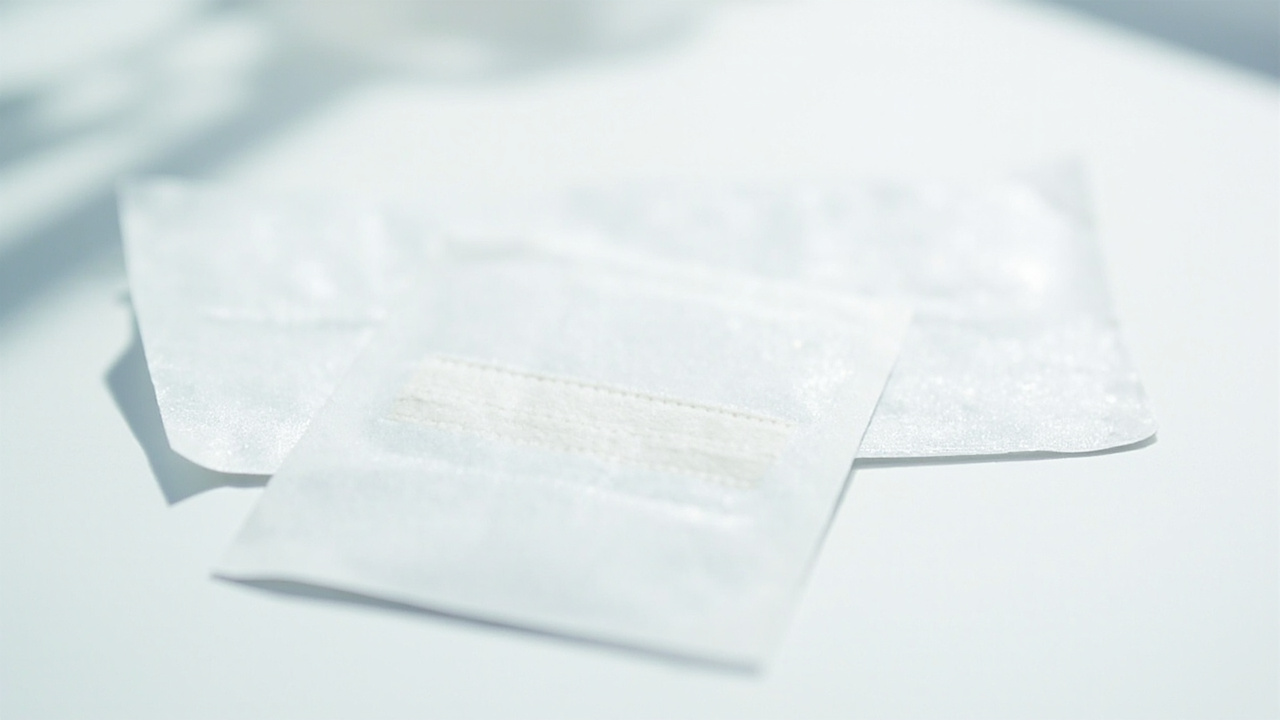
Fever is one of the most common childhood ailments, affecting millions of parents worldwide. While medication remains the primary treatment, fever patches for kids have emerged as a popular non-invasive adjunct for soothing discomfort. For B2B buyers—from retail brands to healthcare distributors—understanding the intricacies of fever patch kids OEM is crucial to delivering safe, effective, and market-winning products. This comprehensive guide dives deep into safety standards, material science, and the OEM process, empowering you to make informed decisions and partner with a manufacturer that prioritizes quality above all.
Key Takeaways
- Understanding Fever Patches: Mechanism and Benefits
- Safety Standards and Regulatory Compliance
- Materials Science: What Makes a Safe and Effective Cooling Patch?
- OEM Manufacturing Process: From Concept to Delivery
- Quality Assurance and Testing
- Choosing the Right OEM Partner: Key Considerations
Key Takeaways
- The global fever patch market is projected to reach $1.2 billion by 2027, growing at a CAGR of 5.8% (Grand View Research, 2023).
- Regulatory compliance (FDA, ISO 13485, GMP) is non-negotiable for children’s products; a reputable OEM will hold these certifications.
- Hydrogel-based cooling patches are the industry standard due to their superior cooling duration and skin compatibility.
- Material safety is paramount—patches must be free from harmful chemicals like phthalates, BPA, and latex.
- OEM partners offer customization in size, shape, adhesion, and branding, allowing you to differentiate your product in a crowded market.
- Quality assurance processes, including stability testing and dermatological testing, are essential to ensure product safety and efficacy.
Now, let’s explore the critical aspects of fever patch kids OEM in detail.
Understanding Fever Patches: Mechanism and Benefits
Fever patches are hydrogel-based cooling pads that adhere to the skin, typically on the forehead or other pulse points. They work through a physical cooling mechanism: the hydrogel absorbs body heat and evaporates moisture, creating a cooling sensation that helps soothe the child and reduce distress. Unlike oral medications, fever patches do not lower core body temperature but provide symptomatic relief, making them an excellent complementary tool during fever episodes.
The benefits extend beyond temperature comfort. Fever patches are non-invasive, drug-free, and can be applied while a child sleeps, offering continuous relief without waking them. They are particularly useful for infants and toddlers who may resist oral medication. Additionally, they can help reduce the frequency of crying and improve overall comfort, which is a significant relief for parents. This dual benefit—physical cooling and emotional soothing—has driven their popularity, with the market witnessing a steady growth.
For B2B buyers, this translates into a high-demand product with a clear value proposition. However, the efficacy and safety of these patches depend heavily on the materials used and the manufacturing standards. This is where partnering with an experienced OEM like Kongdy Health becomes critical.
Safety Standards and Regulatory Compliance
When it comes to children’s products, safety is paramount. Fever patches for kids are classified as medical devices in many jurisdictions, subject to stringent regulations. In the United States, the FDA regulates them as Class I medical devices, requiring compliance with Good Manufacturing Practices (GMP) and, in some cases, 510(k) premarket notification. In the European Union, they must meet the requirements of the Medical Device Regulation (MDR) and carry the CE mark. Additionally, international standards like ISO 13485 for quality management systems are essential for demonstrating a commitment to quality.
A reputable OEM should possess these certifications and be transparent about them. For instance, Kongdy Health holds FDA registration, ISO 13485 certification, and GMP compliance, ensuring that every patch manufactured meets international safety and quality benchmarks. This is not just a regulatory formality; it ensures that the patches are safe, effective, and consistent in quality, reducing liability for the brand owner.
Beyond certifications, the manufacturing process must adhere to strict hygiene standards, including controlled cleanroom environments, to prevent contamination. Raw materials must be sourced from approved suppliers and undergo rigorous testing for purity and safety. For example, the hydrogel used in patches must be non-toxic, non-irritating, and hypoallergenic, especially for sensitive infant skin. By choosing an OEM with a robust quality management system, you mitigate risks and build trust with your end consumers.
Materials Science: What Makes a Safe and Effective Cooling Patch?
The performance and safety of a fever patch hinge on its materials. The primary component is the hydrogel, which is a cross-linked polymer network that can hold a large amount of water. High-quality hydrogels offer several key properties: high water content for sustained cooling, optimal adhesion to skin without causing irritation, and durability to prevent tearing. The cooling effect is achieved through the evaporation of water from the gel, which absorbs heat from the skin.
In addition to the hydrogel, the backing layer and release liner play crucial roles. The backing is typically a non-woven fabric or film that provides structural integrity and prevents the gel from drying out. The release liner is a protective film that is removed before application; it must be easy to peel without damaging the patch. All these materials must be safe for skin contact, free from latex, phthalates, and other harmful substances. They should also be hypoallergenic and dermatologically tested to minimize the risk of allergic reactions.
Furthermore, the pH of the hydrogel should be close to that of the skin (around 5.5) to maintain skin health. Some patches also incorporate natural ingredients like menthol or botanical extracts for additional soothing effects, but these must be carefully selected to avoid irritation. As an OEM buyer, you should request detailed material specifications and safety data sheets from your manufacturer. Kongdy Health, for example, uses medical-grade hydrogel and conducts extensive stability and compatibility testing to ensure that every batch meets the highest standards.
OEM Manufacturing Process: From Concept to Delivery
Partnering with an OEM for fever patch kids involves a structured process that ensures your product meets market needs and regulatory requirements. Here’s a step-by-step overview:
- Consultation and Requirement Analysis: The process begins with a detailed discussion of your product vision, target market, and regulatory requirements. You’ll define the patch size, shape, color, and packaging preferences, as well as any special features like scented patches or custom branding.
- Formulation and Prototyping: The OEM’s R&D team formulates the hydrogel and creates prototypes. You’ll receive samples for testing and feedback. This stage allows for adjustments in cooling duration, adhesion strength, and material thickness.
- Regulatory and Safety Testing: The prototype undergoes rigorous testing to ensure compliance with safety standards. This includes skin irritation tests, stability tests (to determine shelf life), and performance tests. Documentation is prepared for regulatory submissions if required.
- Pilot Production and Scale-Up: Once the prototype is approved, a pilot batch is produced to validate the manufacturing process. This helps identify any issues and ensures the final product is consistent with the approved sample.
- Mass Production and Quality Control: After pilot approval, mass production begins. Throughout production, strict quality control measures are in place, including in-process inspections and final batch testing. The finished products are then packaged and prepared for shipment.
- Logistics and After-Sales Support: The OEM handles packaging, labeling, and global shipping. After delivery, they provide ongoing support for any issues and can assist with reorders and product enhancements.
Choosing an experienced OEM like Kongdy Health streamlines this process, as they have established procedures and a proven track record of delivering high-quality medical devices. Their expertise can help you navigate regulatory complexities and accelerate time-to-market.
Quality Assurance and Testing
Quality assurance is the backbone of any medical device manufacturing. For fever patches, this involves multiple layers of testing to ensure safety and efficacy. First, raw materials are tested upon receipt to verify their specifications. The hydrogel is checked for viscosity, pH, and water content. The backing and liner materials are tested for strength and peel adhesion.
During production, in-process checks monitor the consistency of the gel thickness, the integrity of the patches, and the packaging seals. Finished products undergo final testing, including microbial limits, skin irritation tests (using in vitro models or human patch tests), and stability studies under various temperature and humidity conditions. These studies determine the product’s shelf life, typically 2-3 years, and ensure it maintains its cooling properties over time.
Reputable OEMs maintain detailed documentation of all tests and quality control measures, providing you with a Certificate of Analysis (COA) for each batch. This transparency is vital for your own quality assurance and regulatory compliance. Kongdy Health, for instance, adheres to ISO 13485 standards, which mandate a comprehensive quality management system. They also conduct regular audits to ensure continuous improvement.
Choosing the Right OEM Partner: Key Considerations
Selecting the right OEM partner is a strategic decision that can impact your brand’s success. Here are some critical factors to consider:
- Certifications and Compliance: Verify that the OEM holds relevant certifications (FDA, ISO 13485, GMP) and has experience with children’s products.
- R&D Capabilities: A strong R&D team can innovate and customize products to meet your specific needs, such as faster cooling or longer-lasting patches.
- Production Capacity: Ensure the OEM can handle your order volume and scale up as your business grows.
- Quality Control Systems: Ask about their testing procedures and request documentation to ensure they meet high standards.
- Communication and Support: A responsive and transparent partner makes the collaboration smoother. Look for a single point of contact and clear communication channels.
- Cost and Lead Time: Compare pricing but don’t compromise quality for cost. Consider lead times, especially if you have launch deadlines.
By evaluating potential partners against these criteria, you can find a manufacturer that aligns with your brand values and quality expectations. Kongdy Health, with over 30 years of experience, offers a comprehensive OEM/ODM service that covers everything from product development to global shipping, making them a reliable partner for entering or expanding in the fever patch market.
Market Trends and Opportunities
The global fever patch market is experiencing robust growth, driven by increasing awareness about non-pharmaceutical fever management and the rising demand for safe, convenient healthcare solutions for children. According to a report by Grand View Research (2023), the market size was valued at $850 million in 2022 and is expected to expand at a CAGR of 5.8% from 2023 to 2030. This growth is fueled by the increasing prevalence of fever due to infections and the growing preference for drug-free alternatives among parents.
Another trend is the shift towards eco-friendly and sustainable materials. Consumers are becoming more environmentally conscious, and there is a growing demand for biodegradable or recyclable patches. OEMs that can offer eco-friendly options without compromising performance will have a competitive edge. Additionally, smart patches with temperature sensors or integrated cooling technology are emerging, but these are still in the early stages.
For B2B buyers, these trends present opportunities to innovate and differentiate. By partnering with an OEM that stays ahead of market trends, you can introduce products that meet evolving consumer expectations. For instance, offering patches with fun designs, child-friendly shapes, or natural ingredients can appeal to modern parents. Kongdy Health continually invests in R&D to bring new materials and features to the market, ensuring their clients remain competitive.
Frequently Asked Questions
Q1: Are fever patches safe for infants?
Yes, fever patches are generally safe for infants when used as directed. However, it is essential to choose patches specifically designed for children and to follow the manufacturer’s age recommendations. Most patches are suitable for babies over 3 months old. Always test the patch on a small area of skin first to check for any allergic reaction, and never leave the patch on for longer than the recommended duration (usually 8 hours). If the fever persists or the child shows signs of distress, consult a pediatrician.
Q2: How long does a fever patch last?
The cooling effect of a fever patch typically lasts between 6 to 8 hours, depending on the brand and the ambient temperature. Some high-quality patches, like those manufactured by Kongdy Health, are designed to provide up to 10 hours of cooling. The duration is influenced by the hydrogel’s water content and the evaporation rate. It’s important to replace the patch after the recommended time to maintain effectiveness. Always check the product packaging for specific duration instructions.
Q3: Can fever patches be used with medication?
Yes, fever patches can be used in conjunction with oral fever-reducing medications, such as acetaminophen or ibuprofen. They are a complementary therapy that provides additional comfort without interfering with the medication’s effects. However, it’s crucial to follow the dosing guidelines for the medication and to consult a healthcare professional if you have any concerns. Fever patches do not lower core body temperature, so they should not be used as a substitute for medical treatment when a fever is high or persistent.
Sources
- Grand View Research – Fever Patch Market
- FDA – Medical Device Classification
- ISO 13485 – Medical Devices
- WHO – Medical Devices
Ready to bring a safe and effective fever patch to market? Partner with Kongdy Health, a trusted OEM with 30+ years of expertise. Explore our OEM/ODM services and let’s create a product that parents trust.