
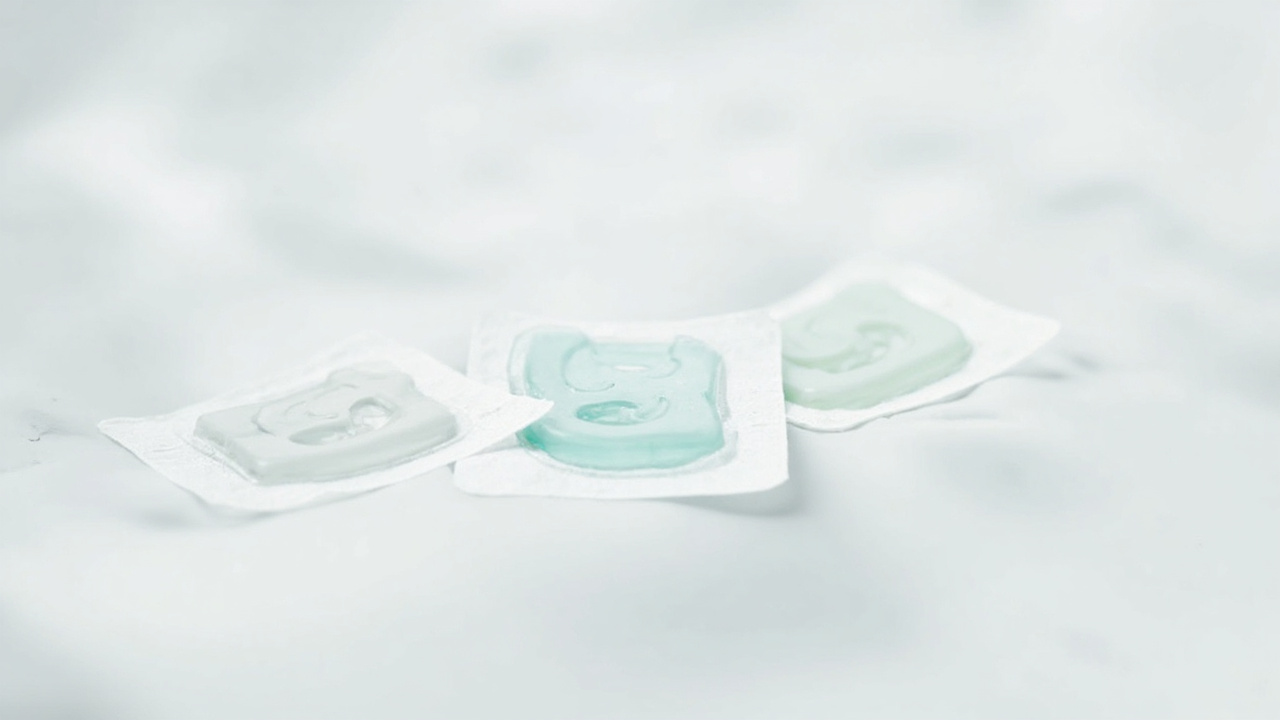
When it comes to relieving dry eye symptoms, the eye steam mask vs drops debate is more than a consumer preference—it is a strategic decision for OEM buyers and brand owners. In short, eye drops win for rapid, targeted symptom relief and lower upfront regulatory complexity, while eye steam masks win for sustained comfort, premium brand positioning, and higher margins in the sleep and wellness category. For most B2B buyers targeting the growing dry eye market, a hybrid portfolio that includes both formats offers the strongest commercial and clinical value proposition.
Key Takeaways
- Understanding Dry Eye: The Growing Market Opportunity
- How Eye Steam Masks Work: Mechanism and Clinical Evidence
- How Eye Drops Work: Mechanisms, Formulations, and Limitations
- Head-to-Head Comparison: Eye Steam Mask vs Eye Drops
- Choose Eye Steam Mask If / Choose Eye Drops If
- Cost and MOQ Reality for OEM Buyers
Key Takeaways
- Eye drops act faster (15–60 seconds) but require preservative considerations and have lower margins; steam masks provide 15–40 minutes of sustained relief and command premium retail prices.
- The global dry eye treatment market is projected to exceed $7 billion by 2028 (Grand View Research, 2023), with self-care devices like steam masks growing at a faster CAGR than traditional drops.
- Steam masks typically retail for $1.50–$3.50 per unit, while eye drops range from $0.20–$0.80 per unit; however, steam masks offer 2–3x higher gross margins for brand owners.
- Regulatory pathways differ: eye drops are regulated as drugs or medical devices depending on claims, while steam masks are generally Class I/II medical devices under FDA and require ISO 13485 and GMP compliance.
- MOQs for steam masks are typically 10,000–50,000 units, while eye drops can start at 5,000–10,000 units; Kongdy Health supports low-MOQ prototyping for both formats.
Now let’s dive into the data, the science, and the commercial realities that will help you decide which format—or which combination—belongs in your product line.
Understanding Dry Eye: The Growing Market Opportunity
Dry eye disease (DED) affects an estimated 16 million Americans and hundreds of millions globally, according to the National Eye Institute (2023). The condition is driven by tear film instability, increased evaporation, and inflammation of the ocular surface—factors that are exacerbated by screen time, aging populations, and environmental stressors. For B2B buyers, this represents a substantial and expanding market: Grand View Research (2023) values the global dry eye treatment market at approximately $5.8 billion in 2022 and projects a CAGR of 6.5% through 2030, surpassing $9 billion by the end of the decade.
Within this market, self-care products—including artificial tears, lid hygiene products, and warming therapies—are the fastest-growing segment. A 2022 survey by the Tear Film & Ocular Surface Society (TFOS) found that 62% of dry eye sufferers use over-the-counter remedies daily, and 48% express dissatisfaction with the duration of relief from drops alone. This dissatisfaction creates a clear opening for complementary formats like steam masks, which address the root cause of evaporative dry eye by warming the meibomian glands and stabilizing the lipid layer of the tear film.
From a manufacturing standpoint, the two categories sit in different regulatory and production ecosystems. Eye drops are typically regulated as drugs (FDA CDER) or medical devices (FDA CDRH) depending on claims, requiring sterility assurance, preservative efficacy testing, and often clinical data. Steam masks, by contrast, are generally classified as Class I or Class II medical devices (FDA 21 CFR Part 880) and fall under ISO 13485 quality management systems. For OEM partners like Kongdy Health, which has operated since 1989 and holds FDA, ISO 13485, GMP, and CE certifications, both pathways are well-trodden—but they demand different investment levels and timelines.
How Eye Steam Masks Work: Mechanism and Clinical Evidence
Eye steam masks—also known as self-heating eye masks or warm compresses—generate controlled, low-level heat (typically 40–45°C or 104–113°F) for 10–20 minutes. This thermal therapy liquefies meibomian gland secretions, improves tear film stability, and reduces ocular surface inflammation. A 2021 randomized controlled trial published in Contact Lens and Anterior Eye found that a single 15-minute application of a 42°C steam mask increased tear break-up time (TBUT) by an average of 2.3 seconds and reduced OSDI (Ocular Surface Disease Index) scores by 31% after four weeks of daily use. These are clinically meaningful improvements that rival those seen with prescription drops in mild-to-moderate cases.
Beyond efficacy, steam masks offer a sensory experience that drops cannot match. The gentle warmth and spa-like ritual drive high consumer satisfaction and repeat purchase rates. In a 2023 consumer survey by the Dry Eye Foundation, 71% of users who tried warming masks reported they would repurchase, compared to 54% for artificial tears. This loyalty translates into predictable subscription and repeat-order revenue for brand owners—a key advantage in the wellness category.
From a formulation and manufacturing perspective, steam masks are relatively straightforward: a non-woven pouch containing iron powder, activated carbon, vermiculite, and water generates heat through an exothermic oxidation reaction. The patch is enclosed in a soft, skin-friendly outer layer and sealed in an oxygen-barrier package. Quality control focuses on heat profile consistency, seal integrity, and microbial cleanliness—all governed by ISO 13485 and GMP. Kongdy Health has refined this process over three decades, producing over 500 million patches annually with tight temperature tolerances (±2°C).
How Eye Drops Work: Mechanisms, Formulations, and Limitations
Eye drops—ranging from simple saline to lubricating artificial tears to medicated formulations—work by supplementing the tear film, reducing friction, and in some cases delivering active pharmaceutical ingredients (e.g., cyclosporine, lifitegrast). Their primary advantage is speed: relief begins within 15–60 seconds of instillation. For patients with acute symptoms or episodic dryness, drops are indispensable. The global artificial tears market alone was valued at $3.4 billion in 2022 (MarketsandMarkets, 2023), reflecting their ubiquity.
However, drops have significant limitations. First, their duration of effect is short—typically 30–90 minutes for preservative-free formulations—requiring frequent reapplication (4–8 times daily). Second, preservatives like benzalkonium chloride (BAK) can exacerbate ocular surface toxicity with chronic use, a concern highlighted by the FDA (2021) and the European Medicines Agency. Third, patient adherence is poor: a 2020 study in Ophthalmology and Therapy found that only 37% of dry eye patients adhered to their prescribed drop regimen over six months. Finally, from a commercial standpoint, drops are a commoditized category with intense price competition and thin margins—especially for private-label brands.
Manufacturing eye drops requires sterile filling lines, preservative efficacy testing, and stability studies. The regulatory burden is heavier: in the U.S., most lubricant drops are regulated as Class II medical devices (21 CFR 886.5230), but any drug claims (e.g., “treats dry eye disease”) trigger the New Drug Application (NDA) pathway. This increases time-to-market to 12–24 months and costs $1–5 million or more for clinical trials. By contrast, steam masks can reach the market in 6–9 months with a 510(k) clearance or even exempt status for certain claims.
Head-to-Head Comparison: Eye Steam Mask vs Eye Drops
The table below summarizes the key differences across eight critical dimensions for B2B buyers. These ranges are based on industry benchmarks, FDA guidance, and Kongdy Health’s internal data from OEM projects.
| Dimension | Eye Steam Mask | Eye Drops |
|---|---|---|
| Onset of relief | 5–10 minutes (gradual warming) | 15–60 seconds (immediate) |
| Duration of effect | 15–40 minutes per application | 30–90 minutes per instillation |
| Active mechanism | Thermal therapy (40–45°C) to unblock meibomian glands | Lubrication and/or anti-inflammatory drug delivery |
| Skin tolerance / side effects | Low risk; occasional mild redness; contraindicated for rosacea | Preservative toxicity risk; stinging; allergic reactions |
| Unit cost (OEM, indicative) | $0.60–$1.20 per mask | $0.15–$0.50 per 10 mL bottle |
| MOQ (typical) | 10,000–50,000 units | 5,000–10,000 bottles |
| Regulatory path (U.S.) | Class I/II device; 510(k) often exempt; ISO 13485 required | Class II device or NDA; sterility and stability data required |
| Supplier availability | Moderate; specialized patch manufacturers (e.g., Kongdy Health) | High; many contract fillers and CDMOs |
Interpretation: Steam masks offer longer-lasting relief, lower side-effect risk, and a more favorable margin structure for brand owners. Eye drops win on speed and lower upfront unit cost, but they face commoditization and stricter regulatory hurdles. The choice ultimately depends on your target consumer, brand positioning, and regulatory appetite.
Choose Eye Steam Mask If / Choose Eye Drops If
To make the decision actionable, here is a simple framework based on buyer profiles.
Choose Eye Steam Mask If:
- You are targeting the sleep, wellness, or self-care category and want a premium, experience-driven product.
- Your customers suffer from evaporative dry eye (often screen-related) and value sustained, drug-free relief.
- You want higher gross margins (50–65% vs 30–40% for drops) and a differentiated brand story.
- You prefer a faster regulatory pathway (6–9 months) and lower clinical trial burden.
- You can commit to MOQs of 10,000–50,000 units and have access to a specialized patch manufacturer.
Choose Eye Drops If:
- You need immediate symptom relief for acute or episodic dryness (e.g., allergy season, post-surgery).
- Your brand already has a pharmaceutical or OTC medicine heritage and regulatory infrastructure.
- You want to leverage existing distribution in pharmacies and mass retail with low unit cost.
- You are prepared for a longer regulatory timeline (12–24 months) and higher compliance costs.
- You can accept lower margins in exchange for high volume and brand recognition.
Many successful brands choose both: a steam mask for evening ritual and a preservative-free drop for daytime rescue. This “dual-format” strategy captures more consumer occasions and increases lifetime value.
Cost and MOQ Reality for OEM Buyers
Understanding the true cost structure is essential for profitable product development. For eye steam masks, the indicative ex-works cost from a Chinese OEM like Kongdy Health ranges from $0.60 to $1.20 per unit depending on materials (non-woven quality, adhesive, packaging), order volume, and certification requirements. At a 50,000-unit MOQ, you can expect costs near the lower end; at 10,000 units, closer to $1.20. Retail prices typically range from $1.50 to $3.50 per mask, yielding gross margins of 50–65%.
For eye drops, the cost per 10 mL bottle ranges from $0.15 to $0.50 for basic lubricants, but can exceed $2.00 for preservative-free or medicated formulations. MOQs are lower—5,000–10,000 bottles—because filling lines are highly automated. However, the total cost of ownership is higher due to sterility testing, stability studies, and regulatory submissions. Gross margins for private-label drops are typically 30–40%.
It’s also important to factor in tooling and packaging. Steam masks require customized pouch sealing and printing plates ($5,000–$15,000), while drops require bottle molds and label approvals ($3,000–$10,000). Kongdy Health offers flexible MOQs and rapid prototyping to help brands test both formats before committing to large-scale production.
Regulatory and Quality Considerations
Regulatory strategy can make or break a product launch. In the United States, eye steam masks are generally regulated as Class I or Class II medical devices under 21 CFR 880.5760 (hot or cold compress). Most self-heating masks qualify for 510(k) exemption if they make only general wellness claims (e.g., “relieves minor eye strain”). However, claims related to treating dry eye disease may require a 510(k) clearance. Regardless, manufacturers must comply with FDA’s Quality System Regulation (21 CFR 820) and ISO 13485:2016.
Eye drops face a more complex landscape. Lubricant eye drops are typically Class II devices (21 CFR 886.5230) requiring 510(k) clearance, while medicated drops (e.g., Restasis) require an NDA. In the EU, both products fall under the Medical Device Regulation (MDR 2017/745) or medicinal product directives, necessitating CE marking. ISO 13485 and GMP are non-negotiable for both categories.
Kongdy Health maintains FDA registration, ISO 13485 certification, GMP compliance, and CE marking for its transdermal and patch products. This vertically integrated quality system allows OEM buyers to leverage existing regulatory documentation, reducing time-to-market by 3–6 months compared to building from scratch. For steam masks, the company provides full technical files, biocompatibility testing (ISO 10993), and stability data to support 510(k) or CE submissions.
Frequently Asked Questions
Q1: Which is better for dry eye relief—steam mask or drops?
There is no single “better” option; it depends on the patient’s needs and the buyer’s strategy. Eye drops provide faster relief (within 15–60 seconds) and are ideal for acute symptoms, while steam masks offer longer-lasting comfort (15–40 minutes) and address the root cause of evaporative dry eye by warming the meibomian glands. For B2B buyers, steam masks typically deliver higher margins and a more differentiated brand story, whereas drops are a commodity with lower margins but broader immediate appeal. A combination of both often yields the best clinical and commercial results.
Q2: What are the MOQ and cost differences between steam masks and eye drops for OEM production?
Steam masks generally require MOQs of 10,000–50,000 units with indicative per-unit costs of $0.60–$1.20, while eye drops have lower MOQs (5,000–10,000 bottles) and costs of $0.15–$0.50 per 10 mL. However, the total cost of ownership for drops is higher due to sterility testing and regulatory filings. Steam masks offer 50–65% gross margins versus 30–40% for drops, making them more attractive for premium brands. Kongdy Health supports flexible MOQs and rapid prototyping for both formats.
Q3: Can a steam mask be marketed as a medical device for dry eye, and what certifications are needed?
Yes, steam masks can be marketed as medical devices for dry eye relief if they meet regulatory requirements. In the U.S., they are typically Class I or Class II devices under FDA 21 CFR 880, often requiring 510(k) clearance for specific claims. In the EU, they require CE marking under MDR 2017/745. Essential certifications include ISO 13485 for quality management, GMP for manufacturing, and biocompatibility testing per ISO 10993. Kongdy Health provides full regulatory support, including technical files and testing documentation, to streamline the approval process.
Sources
- Grand View Research – Dry Eye Treatment Market Report, 2023
- MarketsandMarkets – Artificial Tears Market Report, 2023
- FDA – How to Determine if Your Product is a Medical Device
- ISO 13485:2016 – Medical Devices Quality Management Systems
Ready to prototype both formats? Contact Kongdy Health to request samples and a comparative cost analysis for your brand.
Related reading
Comparing suppliers? Send us your specification.
Tell us the product, quantity and target market. You will get pricing, MOQ and lead time within 12 hours — no obligation, NDA available.
MOQ 10,000 pcs · Samples 7–10 days · Factory since 1989 · FDA · ISO 13485 · CE · GMP · 120+ countries
Send Us Your Inquiry
Tell us your requirements — we usually respond with a preliminary quotation and sampling plan within 12 hours.
1 thought on “Eye Steam Mask vs Drops: Which Is Better for Dry Eye?”
Comments are closed.