
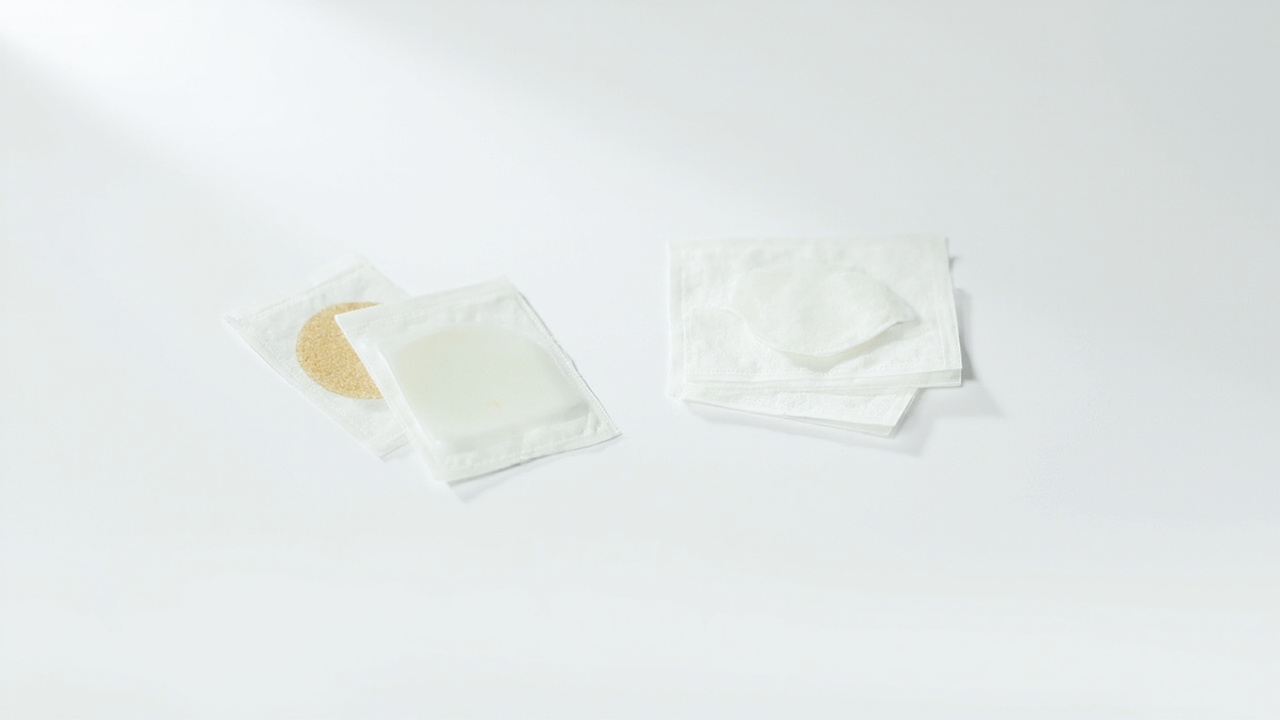
Collagen patches have surged in popularity, but for brands seeking a competitive edge, the strategic decision of positioning—skincare versus wellness—can make or break a product line. As a collagen patch OEM, understanding these distinct pathways is critical to capturing the right audience and maximizing market potential. With the global collagen market projected to reach $9.2 billion by 2025 (Grand View Research, 2021), and transdermal patches gaining traction as a delivery system, the opportunities are immense. This guide dives deep into the nuances of collagen patch positioning, offering data-driven insights for beauty patch brands and wellness companies alike.
Key Takeaways
- Understanding Collagen Patches: A Convergence of Beauty and Health
- Skincare Positioning: Capitalizing on the Beauty Boom
- Wellness Positioning: Tapping into the Self-Care Revolution
- Market Data: The Numbers Behind the Positioning Decision
- Key Considerations for Brands: A Step-by-Step Approach
- Formulation and Ingredient Strategies for Each Positioning
Key Takeaways
- Skincare positioning emphasizes cosmetic benefits like anti-aging and hydration, while wellness positioning focuses on overall health, sleep, and joint support.
- Market data shows the collagen supplement market growing at 6.5% CAGR, with patches capturing a niche but expanding share (MarketsandMarkets, 2022).
- Regulatory pathways differ: skincare patches often fall under cosmetics (FDA, CE), whereas wellness patches may require medical device or supplement regulations.
- Successful brands tailor marketing, ingredients, and claims to align with either skincare or wellness positioning, leveraging OEM partnerships for customization.
- Kongdy Health, with 30+ years of OEM experience and ISO 13485/GMP certifications, supports brands in navigating both positioning strategies.
Understanding Collagen Patches: A Convergence of Beauty and Health
Collagen patches are transdermal delivery systems infused with collagen, a protein renowned for its role in skin elasticity, joint health, and overall vitality. Traditionally, collagen was consumed orally or applied topically, but patches offer a sustained-release mechanism that bypasses the digestive system, potentially enhancing bioavailability. This dual functionality allows brands to position collagen patches either as skincare heroes or wellness essentials.
The skincare angle capitalizes on collagen’s cosmetic benefits: reducing wrinkles, improving hydration, and boosting firmness. In contrast, the wellness positioning highlights systemic benefits such as joint support, sleep improvement, and recovery. According to a 2023 report by Grand View Research, the global collagen market size was valued at $8.6 billion in 2022 and is expected to expand at a CAGR of 9.0% from 2023 to 2030, driven by increasing consumer awareness of collagen’s benefits across both beauty and health sectors.
For OEMs, this duality presents both a challenge and an opportunity. The formulation, patch design, and regulatory classification can vary significantly based on the intended positioning. As a result, brands must carefully consider their target audience, competitive landscape, and regulatory environment before committing to a strategy.
Skincare Positioning: Capitalizing on the Beauty Boom
Skincare positioning frames collagen patches as a premium anti-aging or hydration solution. This approach taps into the booming beauty and personal care market, which was valued at $579.2 billion in 2023 and is projected to grow at 6.1% annually (Statista, 2023). Collagen patches in this space often include additional ingredients like hyaluronic acid, vitamin C, and peptides to enhance efficacy and justify premium pricing.
Marketing for skincare-positioned patches emphasizes visible results: smoother skin, reduced fine lines, and a radiant complexion. Brands often leverage clinical studies or before-and-after imagery to build credibility. Distribution channels include beauty retailers, e-commerce platforms, and subscription boxes. The target demographic skews towards women aged 30-60 with high disposable income, though the male grooming segment is growing.
Regulatory-wise, skincare patches are typically classified as cosmetics, which simplifies market entry. In the US, the FDA regulates cosmetics under the Federal Food, Drug, and Cosmetic Act, requiring safety substantiation but no pre-market approval. In the EU, compliance with the Cosmetics Regulation (EC) No 1223/2009 is necessary. However, if claims cross into drug territory (e.g., “treats eczema”), the regulatory burden increases. Therefore, OEMs must work closely with brands to ensure claims align with cosmetic regulations.
Wellness Positioning: Tapping into the Self-Care Revolution
Wellness positioning presents collagen patches as part of a holistic health regimen. This strategy aligns with the global wellness economy, valued at $5.6 trillion in 2023 (Global Wellness Institute, 2024). Collagen patches in this category often target specific concerns: sleep support (with melatonin), joint health (with turmeric or MSM), or recovery (with CBD or arnica).
The marketing narrative shifts from cosmetic to functional: “improve your sleep quality,” “reduce joint discomfort,” or “enhance post-workout recovery.” This positioning appeals to a broader demographic, including athletes, seniors, and health-conscious consumers. Distribution channels include pharmacies, health food stores, and online wellness platforms.
Regulatory pathways are more complex. If a patch makes therapeutic claims, it may be regulated as a drug or medical device. In the US, the FDA oversees such products under the Food, Drug, and Cosmetic Act or the Medical Device Amendments. In the EU, the Medical Device Regulation (MDR) applies. For wellness patches that are not drugs, they might fall under general consumer product safety regulations. OEMs must navigate these nuances, ensuring compliance with ISO 13485 for medical devices and GMP for supplements where applicable.
Market Data: The Numbers Behind the Positioning Decision
Data-driven decision-making is essential. The global transdermal patch market was valued at $7.3 billion in 2022 and is expected to reach $10.5 billion by 2030, growing at a CAGR of 4.7% (Grand View Research, 2023). Within this, collagen patches are a niche but growing segment, driven by the collagen craze.
Regionally, North America dominates the collagen market, with a 35% share in 2022 (Grand View Research, 2023), due to high consumer awareness and disposable income. However, Asia Pacific is the fastest-growing region, with a CAGR of 10.2%, fueled by rising beauty standards and aging populations. For brands, these figures highlight the importance of aligning positioning with regional preferences: skincare in mature markets, wellness in emerging ones.
Consumer surveys indicate that 62% of consumers are willing to pay a premium for collagen products with proven efficacy (NutraIngredients, 2022). This underscores the need for robust clinical backing, regardless of positioning. OEMs can support this by offering formulation expertise and access to efficacy studies.
Key Considerations for Brands: A Step-by-Step Approach
Choosing between skincare and wellness positioning requires a structured evaluation. Below is a numbered list of critical steps for brands to follow:
- Define Your Target Audience: Determine whether your core customers are beauty enthusiasts seeking anti-aging solutions or health-conscious individuals looking for functional benefits. This will guide product development and marketing.
- Analyze the Competitive Landscape: Identify competitors in each space. Skincare is crowded with established beauty brands, while wellness is fragmented with niche players. Assess where your brand can differentiate.
- Evaluate Regulatory Requirements: Understand the classification of your intended product. Skincare patches may be simpler to launch, but wellness patches with therapeutic claims require more rigorous testing and approvals.
- Select Ingredients and Delivery System: Work with your OEM to choose active ingredients that align with your positioning. For skincare, focus on collagen peptides, hyaluronic acid, and antioxidants. For wellness, consider melatonin, CBD, or herbal extracts.
- Develop Marketing Claims: Ensure claims are compliant with regulations. Skincare claims should focus on appearance, while wellness claims can address function but must be substantiated.
- Choose Distribution Channels: Skincare patches thrive in beauty retail and DTC e-commerce. Wellness patches perform well in pharmacies, health stores, and wellness subscription services.
- Partner with a Reputable OEM: Collaborate with a manufacturer experienced in both skincare and wellness patches to navigate formulation, regulatory, and production challenges.
Formulation and Ingredient Strategies for Each Positioning
The formulation of collagen patches varies significantly based on positioning. For skincare, the focus is on cosmetic actives that improve skin appearance. Common ingredients include hydrolyzed collagen, hyaluronic acid, vitamin C, vitamin E, and peptides. The patch matrix may be designed for sustained release over 8-12 hours, often worn overnight.
For wellness, the formulation targets systemic effects. Collagen may be combined with melatonin for sleep, curcumin for inflammation, or glucosamine for joints. The delivery system might be optimized for transdermal absorption of larger molecules, which is a technical challenge. OEMs like Kongdy Health invest in R&D to enhance penetration enhancers and patch adhesives for optimal performance.
Additionally, the physical design of the patch can influence consumer perception. Skincare patches often feature clear, discreet films, while wellness patches may be larger and applied to different body areas (e.g., lower back for joint pain).
Regulatory and Compliance Landscape
Regulatory compliance is a critical differentiator. Skincare patches are generally regulated as cosmetics, which requires safety substantiation but not pre-market approval. However, claims must not cross into drug territory. In the EU, cosmetic products must comply with EC 1223/2009 and be notified via the Cosmetic Products Notification Portal (CPNP).
Wellness patches, if making therapeutic claims, may be regulated as drugs or medical devices. In the US, the FDA’s Center for Drug Evaluation and Research (CDER) or Center for Devices and Radiological Health (CDRH) oversees such products. Medical device patches require 510(k) clearance or PMA approval, depending on risk class. In the EU, the Medical Device Regulation (MDR) 2017/745 applies, necessitating CE marking.
For wellness patches without therapeutic claims, they may fall under general consumer product safety. However, the line is blurry. OEMs must guide brands through these complexities, ensuring compliance with ISO 13485 for medical devices and GMP for nutraceuticals. Kongdy Health’s certifications (FDA, ISO 13485, GMP) enable brands to navigate these pathways efficiently.
Marketing and Branding: Communicating Your Positioning
Effective marketing hinges on clear, consistent messaging. Skincare positioning should emphasize beauty benefits, using visuals of radiant skin and testimonials. Influencer partnerships with beauty bloggers and dermatologists can boost credibility. Packaging should convey luxury and efficacy.
Wellness positioning requires a different tone: focus on holistic health, scientific backing, and lifestyle integration. Collaborations with fitness influencers, nutritionists, and wellness coaches can resonate. Packaging might highlight natural ingredients and functional benefits.
In both cases, transparency about ingredients and sourcing is key. A 2023 consumer survey found that 73% of consumers read labels and seek clean ingredients (Nielsen, 2023). OEMs can support brands by providing detailed documentation and certifications.
Case Studies: Successful Brand Strategies
Several brands have successfully leveraged collagen patches with distinct positioning. For example, a US-based beauty brand launched a collagen-infused eye patch as a skincare product, emphasizing reduction of puffiness and fine lines. It retails at $50 for 30 pairs and is sold through Sephora and Amazon. The brand leveraged clinical studies showing improved skin hydration after 4 weeks.
On the wellness side, a European brand introduced a collagen patch with melatonin for sleep support. Positioned as a natural sleep aid, it gained traction in pharmacies and health food stores. The brand cited a study showing 68% of users reported better sleep quality. The patch is CE-marked as a medical device, adding credibility.
These examples illustrate that success is achievable in both camps, provided the positioning is backed by science, regulatory compliance, and targeted marketing.
Frequently Asked Questions
Q1: What are the key differences between skincare and wellness positioning for collagen patches?
Skincare positioning focuses on cosmetic benefits such as reducing wrinkles, improving hydration, and enhancing skin firmness. Marketing emphasizes appearance and youthfulness, targeting beauty consumers. Wellness positioning, on the other hand, highlights systemic health benefits like better sleep, joint support, or recovery. It appeals to health-conscious individuals and often involves therapeutic claims that require more stringent regulatory approval. The choice impacts formulation, claims, distribution channels, and regulatory pathways.
Q2: Which regulatory standards apply to collagen patches in the US and EU?
In the US, skincare patches are regulated as cosmetics under the FDA’s Federal Food, Drug, and Cosmetic Act, requiring safety but no pre-market approval. Wellness patches with therapeutic claims may be regulated as drugs or medical devices, necessitating FDA clearance. In the EU, skincare patches must comply with EC 1223/2009, while wellness patches may fall under the Medical Device Regulation (MDR) 2017/745, requiring CE marking. Compliance with ISO 13485 and GMP is often expected for medical devices and supplements, respectively.
Q3: How can an OEM partner like Kongdy Health help brands with collagen patch positioning?
Kongdy Health brings over 30 years of OEM/ODM experience, serving 120+ countries with FDA, ISO 13485, and GMP certifications. We assist brands in formulating collagen patches tailored to either skincare or wellness positioning, ensuring regulatory compliance and optimal delivery systems. Our team provides end-to-end support from R&D to manufacturing, helping brands navigate complex regulations and bring effective products to market. Whether you’re targeting beauty or wellness, we offer customizable solutions to meet your brand’s vision.
Sources
- Grand View Research – Collagen Market Size Report, 2023
- MarketsandMarkets – Collagen Market Forecast, 2022
- FDA – Cosmetics Laws & Regulations
- ISO – ISO 13485 Medical Devices
Ready to position your collagen patch for success? Partner with Kongdy Health for expert OEM/ODM services and bring your vision to life.