
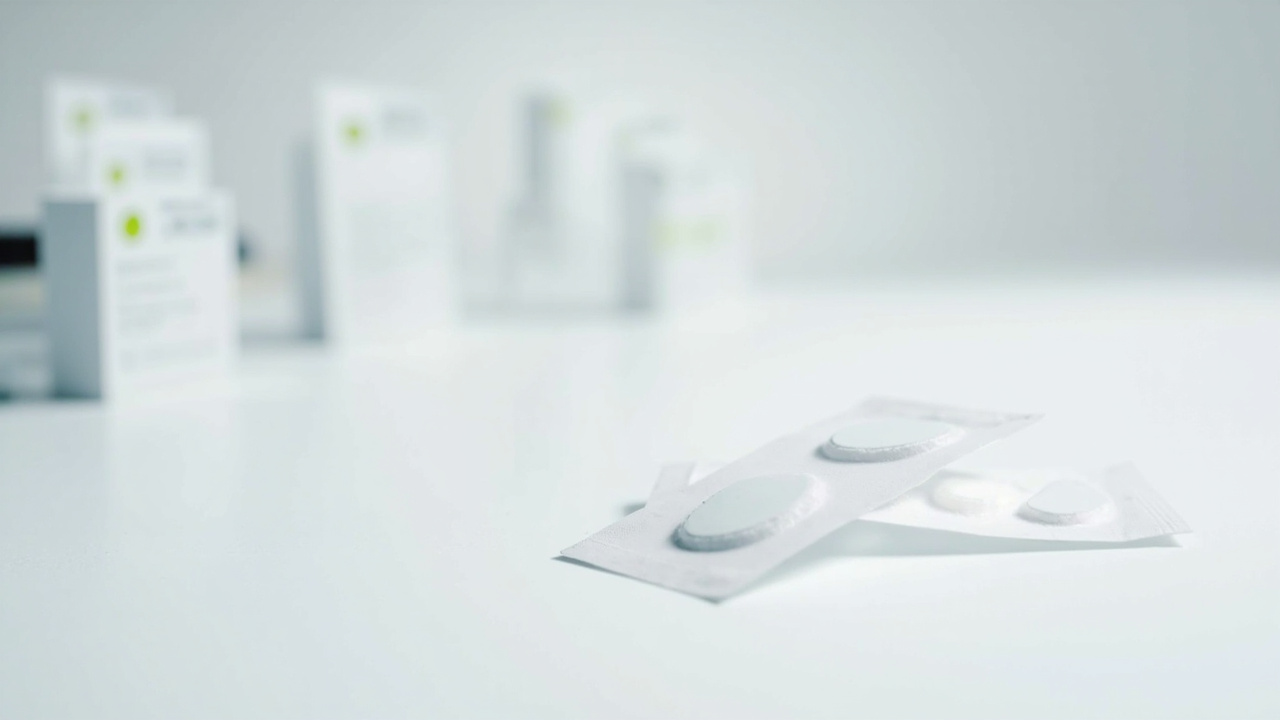
In the rapidly evolving landscape of pain management, transdermal patches have emerged as a preferred delivery method for both over-the-counter and prescription medications. For businesses looking to enter this market or expand their product lines, partnering with an experienced OEM (Original Equipment Manufacturer) is often the most efficient and cost-effective strategy. However, navigating the complexities of OEM pain relief patch manufacturing can be daunting. This comprehensive guide answers the top 10 questions we receive from potential partners, providing the expert insights you need to make informed decisions. From regulatory compliance to customization options, we delve into the critical aspects of bringing a custom pain patch to market.
Key Takeaways
- 1. What Exactly Are OEM Pain Relief Patches?
- 2. What Are the Key Benefits of Using an OEM for Pain Patches?
- 3. What Active Ingredients Can Be Used in Custom Pain Patches?
- 4. How Does the Customization Process Work?
- 5. What Regulatory Standards Must OEM Pain Patch Manufacturers Meet?
- 6. What Is the Minimum Order Quantity (MOQ) for Custom Patches?
1. What Exactly Are OEM Pain Relief Patches?
OEM pain relief patches are transdermal patches manufactured by a specialized company (the OEM) that are then branded and sold by another company (the buyer). This business model allows brands to leverage the manufacturer’s existing expertise, production facilities, and regulatory certifications without having to build their own factory or navigate complex approval processes from scratch. As a buyer, you can specify everything from the active ingredients and patch size to the adhesive type and packaging, creating a product that is uniquely yours.
For example, a wellness brand might partner with an OEM to create a custom lidocaine patch for back pain, complete with their own logo and marketing claims. The OEM handles the formulation, manufacturing, quality control, and often even assists with regulatory filings. This approach is particularly attractive because it significantly reduces the time-to-market and capital investment required to launch a new pain relief product.
2. What Are the Key Benefits of Using an OEM for Pain Patches?
The advantages of using an OEM for your pain patch line are manifold. First and foremost is cost efficiency. Setting up a pharmaceutical-grade manufacturing facility involves millions of dollars in equipment, cleanrooms, and skilled personnel. By partnering with an OEM, you bypass these overheads and only pay for the production you need. Secondly, you gain access to specialized expertise. A reputable OEM like Kongdy Health, with over 30 years of experience, has refined its formulations and processes to ensure optimal drug delivery, adhesion, and skin compatibility.
Another critical benefit is regulatory navigation. Getting a medical device or drug approved by the FDA or obtaining CE marking is a complex, time-consuming process. An experienced OEM will have regulatory affairs teams that can guide you through the necessary submissions, ensuring compliance with ISO 13485 and Good Manufacturing Practices (GMP). Finally, OEMs offer scalability. Whether you need 10,000 units for a pilot launch or 10 million for a national rollout, your manufacturing partner can adjust production volumes accordingly, ensuring you never have excess inventory or stockouts.
3. What Active Ingredients Can Be Used in Custom Pain Patches?
The choice of active ingredients for your custom pain patch depends on the therapeutic target and the regulatory classification of your product. The most common categories include:
- Local Anesthetics: Lidocaine is the most widely used, typically in 4% or 5% concentrations, for localized pain relief. It works by numbing the nerve endings in the skin.
- NSAIDs (Non-Steroidal Anti-Inflammatory Drugs): Diclofenac, ketoprofen, and methyl salicylate are popular for their anti-inflammatory properties, targeting muscle and joint pain.
- Counterirritants: Menthol, camphor, and capsaicin create a heating or cooling sensation that distracts from pain signals.
- Analgesics: Some patches combine multiple ingredients for a synergistic effect, such as lidocaine with menthol.
- Natural Extracts: For wellness-focused products, ingredients like arnica, eucalyptus, or CBD (where legal) are gaining popularity.
Your OEM partner can help you select the right ingredient matrix based on your target market, regulatory pathway, and desired clinical outcomes. It’s crucial to work with a manufacturer that has experience with your chosen ingredient, as formulation and compatibility are key to stability and efficacy.
4. How Does the Customization Process Work?
The customization process for OEM pain relief patches is a collaborative journey that typically follows these steps:
- Consultation & Requirement Gathering: You start by discussing your vision, target market, and specific requirements with the OEM’s technical team. This includes the type of pain, desired ingredients, patch size, shape, and wear time.
- Formulation & Prototyping: The OEM’s R&D department will develop a prototype patch based on your specifications. This involves selecting the appropriate adhesive, backing material, and release liner, and optimizing the drug concentration for optimal skin permeation.
- Stability & Compatibility Testing: The prototype undergoes rigorous testing to ensure it remains stable under various temperature and humidity conditions, and that the active ingredients remain effective throughout the product’s shelf life.
- Regulatory Support: If required, the OEM will assist you in preparing the necessary documentation for FDA 501(k) clearance, NDA, or CE marking. They will provide data on safety, efficacy, and manufacturing consistency.
- Pilot Production & Scale-Up: Once the prototype is approved, a small pilot batch is produced for clinical evaluation or market testing. After successful validation, production is scaled up to full commercial volumes.
- Packaging & Branding: Finally, the patches are packaged with your branding, including custom printing on the pouch or box, user instructions, and any required labeling.
Throughout this process, clear communication and transparency are vital. A reliable OEM will keep you informed at every stage, ensuring the final product meets your exact expectations.
5. What Regulatory Standards Must OEM Pain Patch Manufacturers Meet?
Regulatory compliance is non-negotiable in pain patch manufacturing. In the United States, the FDA regulates transdermal patches as either drugs (if they contain pharmaceutical actives like lidocaine) or medical devices (if they are physical barriers). For drugs, a New Drug Application (NDA) or Abbreviated New Drug Application (ANDA) may be required, while devices need 510(k) clearance or Premarket Approval (PMA). In Europe, the CE mark is mandatory, and compliance with the Medical Device Regulation (MDR) or the European Pharmacopoeia is needed.
Beyond these, international standards such as ISO 13485 (Quality Management Systems for Medical Devices) and Good Manufacturing Practices (GMP) are benchmarks of a reliable OEM. These standards ensure consistent quality, traceability, and safety throughout the production process. When evaluating a potential partner, always verify their certifications and audit their facilities. A manufacturer that proudly displays its FDA registration, ISO certificate, and GMP compliance is more likely to deliver a product that meets your regulatory requirements and consumer expectations.
6. What Is the Minimum Order Quantity (MOQ) for Custom Patches?
Minimum Order Quantities (MOQs) vary widely among OEMs and depend on several factors, including the complexity of the formulation, the production technology used, and the type of packaging. For standard patches with common ingredients, MOQs might start around 10,000 units. However, for highly specialized formulations or unique designs, MOQs can be higher, sometimes reaching 50,000 or 100,000 units.
It’s important to discuss MOQs early in your negotiations. Some manufacturers offer lower MOQs for initial pilot runs, allowing you to test the market with a smaller investment before committing to a full-scale launch. At Kongdy Health, we strive to provide flexible solutions, and our sales team can work with you to determine a feasible MOQ based on your specific product and business plan.
7. How Long Does It Take to Develop and Manufacture a Custom Pain Patch?
The timeline for developing a custom pain patch from concept to market is 6-8 weeks for standard formulations (7-10 days for sampling and 25-35 days for production after sample approval). Where regulatory approval is required, the process can range from 6 to 18 months, depending on the complexity of the product and the regulatory pathway. A simple, non-prescription patch with commonly used ingredients can be developed and produced in 6-8 weeks, while a novel drug patch requiring clinical trials could take 2-3 years.
The development phase includes formulation, stability testing, and scale-up, which typically takes 3-6 months. Regulatory approval, if required, adds another 3-12 months, depending on the jurisdiction and the completeness of your application. To expedite the process, choose an OEM with a proven track record and a regulatory affairs team that can anticipate and address potential issues.
8. What Quality Control Measures Are in Place?
Quality control is the backbone of any reputable OEM. Rigorous testing is conducted at every stage of production, from raw material inspection to finished product release. Key quality control measures include:
- Raw Material Testing: All active ingredients and excipients are tested for identity, purity, and potency.
- In-Process Monitoring: Parameters such as coating weight, drying temperature, and adhesive thickness are continuously monitored to ensure consistency.
- Finished Product Testing: Each batch is tested for drug content, uniformity, dissolution, adhesion strength, and microbial limits.
- Stability Studies: Patches are stored under various temperature and humidity conditions to determine their shelf life and packaging requirements.
- Traceability: A robust batch record system ensures that every component and process step is documented, allowing for full traceability in case of any issue.
When interviewing potential OEM partners, ask about their quality assurance procedures and request to see their batch records and audit reports. A transparent manufacturer will be happy to share this information.
9. What Are the Costs Associated with OEM Pain Patch Manufacturing?
The cost of OEM pain patch manufacturing is influenced by multiple factors: the active ingredients (some are more expensive than others), the complexity of the formulation, the patch size and materials, the packaging, and the volume of production. Generally, you can expect to pay anywhere from $0.10 to $1.00 per patch for standard products, with higher costs for advanced formulations or small batches.
In addition to unit costs, there may be one-time fees for development, tooling, and regulatory submissions. It’s crucial to obtain a detailed quotation that breaks down all costs, including any hidden fees. A trustworthy OEM will provide a transparent cost structure, allowing you to accurately forecast your margins. Remember, the cheapest option is not always the best; consider the OEM’s experience, quality standards, and reliability when making your decision.
10. How Do I Choose the Right OEM Partner for My Pain Patch Project?
Selecting the right OEM partner is a strategic decision that can make or break your product launch. Here are key criteria to consider:
- Experience and Expertise: Look for a manufacturer with a proven track record in transdermal patches specifically, not just general pharmaceuticals. Ask about their experience with your target ingredients and their success stories.
- Certifications: Verify that they hold relevant certifications like FDA registration, ISO 13485, and GMP compliance. These are non-negotiable for quality and regulatory acceptance.
- Technical Capabilities: Assess their R&D capabilities, including in-house formulation, analytical testing, and pilot-scale production. A partner with strong technical resources can help you overcome challenges.
- Communication and Support: Choose a partner who communicates clearly and promptly, and who offers comprehensive support throughout the project, from concept to post-launch.
- Reputation: Check client testimonials, case studies, and industry reputation. A company like Kongdy Health, with over 30 years of experience and clients in 120+ countries, has a proven global track record.
Frequently Asked Questions
Q1: Can I add my own branding to the pain patches?
Absolutely. One of the primary benefits of OEM manufacturing is that the final product is yours to brand. This includes printing your logo, product name, and marketing messages on the patch itself, as well as on the packaging. Your OEM partner will work with you to ensure that the printing is high-quality and compliant with regulatory labeling requirements. This allows you to build brand recognition and customer loyalty without investing in your own production line.
Q2: Are custom pain patches regulated as drugs or medical devices?
The regulatory classification depends on the intended use and the active ingredients. If your patch contains a pharmaceutical active ingredient like lidocaine, it is typically regulated as a drug. If it’s a physical barrier or uses only inert materials, it may be classified as a medical device. Some patches combine both mechanisms and may be classified as combination products. Your OEM partner should have the regulatory expertise to guide you through the appropriate classification and approval process in your target markets.
Q3: What is the typical shelf life of an OEM pain relief patch?
The shelf life of a pain relief patch is determined by stability studies and can vary from 18 to 36 months, depending on the formulation and packaging. Factors that affect stability include the chemical stability of the active ingredients, the adhesive’s properties, and the permeability of the packaging materials. A reputable OEM will conduct thorough stability testing to establish a valid shelf life and recommend appropriate storage conditions. It’s essential to follow these guidelines to ensure the product’s efficacy and safety for the entire shelf life.