
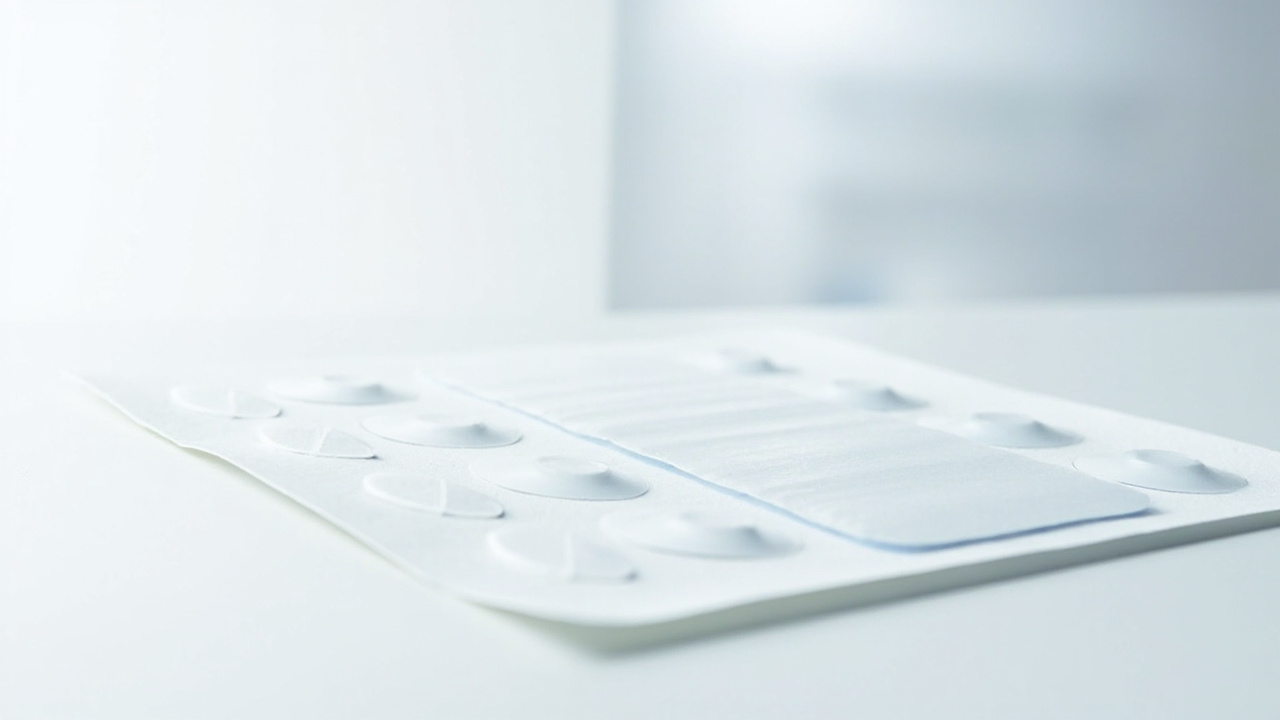
Private label cooling patches represent a fast-growing segment in the consumer health and wellness market. As consumers increasingly seek non-invasive, drug-free relief for fevers, headaches, hot flashes, and muscle discomfort, the demand for high-quality cooling patches has surged. For entrepreneurs and established brands looking to enter this space, private labeling offers a streamlined path to market without the heavy investment in R&D and manufacturing infrastructure. This guide provides a data-driven roadmap for launching your own brand of cooling patches, covering everything from market analysis and product customization to regulatory compliance and supplier selection. With the global cooling patch market projected to exceed $2.5 billion by 2027 (Grand View Research, 2023), the opportunity is substantial—but success requires careful planning and a knowledgeable manufacturing partner.
Why Private Label Cooling Patches? Market Demand and Consumer Trends
The cooling patch market has experienced robust growth, driven by increasing awareness of fever management without medication, particularly among parents and caregivers. According to a 2022 industry report by MarketsandMarkets, the fever patch segment alone is expected to grow at a CAGR of 6.8% from 2022 to 2027. This growth is fueled by a shift toward natural and non-pharmaceutical solutions for minor ailments. Additionally, the rise of e-commerce has made it easier for niche brands to reach targeted audiences, further expanding the market for private label cooling patches.
Consumers today are more informed and selective. They look for products that are safe, effective, and backed by certifications. Private label brands can differentiate themselves by offering unique formulations, such as patches infused with menthol, eucalyptus, or even CBD for enhanced cooling and soothing effects. The key is to align your product with specific consumer needs: fever reduction for infants, headache relief for adults, or cooling comfort for athletes. Understanding these segments allows you to tailor your marketing and product features accordingly.
Moreover, the COVID-19 pandemic heightened awareness of fever management, leading many households to stock cooling patches as a staple. This behavioral shift is likely to persist, creating a stable demand base. For brands, entering the cooling patch market now means capitalizing on this sustained interest while building customer loyalty through quality and innovation.
Understanding Private Label vs. White Label vs. Custom OEM
Before diving into manufacturing, it’s crucial to distinguish between private label, white label, and custom OEM (Original Equipment Manufacturer) options. Private label involves selling a product manufactured by one company under your own brand name. The manufacturer typically offers pre-existing formulations and designs that you can brand as your own. White label is similar but often refers to generic products that multiple companies sell under their own brands, usually with minimal customization. Custom OEM, on the other hand, allows you to develop a unique product from scratch—tailoring the patch size, shape, adhesive, active ingredients, and packaging to your specifications.
For most brands entering the cooling patch market, private label or semi-custom OEM offers the best balance of speed and differentiation. A reputable manufacturer like Kongdy Health can provide a range of base formulations (e.g., fever-reducing gel patches, cooling gel sheets) that have been tested for safety and efficacy. You can then customize elements such as the patch dimensions, fragrance (or unscented), and packaging design. This approach reduces time-to-market significantly—often to 4-8 weeks from concept to launch—compared to 6-12 months for a fully custom product.
However, if you have a unique ingredient or delivery mechanism in mind, custom OEM is the route to take. This involves more extensive R&D, stability testing, and regulatory documentation, but it results in a proprietary product that competitors cannot easily replicate. The choice depends on your budget, timeline, and brand strategy. A trusted partner can guide you through the trade-offs and help you select the best option for your goals.
Key Regulatory Standards for Cooling Patches (FDA, ISO 13485, GMP, CE)
Compliance with regulatory standards is non-negotiable when launching private label cooling patches. In the United States, cooling patches intended for fever reduction are typically classified as medical devices (e.g., for symptomatic relief of fever) or as over-the-counter (OTC) drug products if they contain active ingredients like menthol. The FDA regulates these products under the Federal Food, Drug, and Cosmetic Act. For medical device classification, compliance with 21 CFR Part 820 (Quality System Regulation) is required, and many manufacturers also hold ISO 13485 certification, which is the international standard for medical device quality management systems.
In Europe, cooling patches must comply with the Medical Device Regulation (MDR) or be registered as cosmetics, depending on their claims. CE marking is essential for market access. Good Manufacturing Practices (GMP) are a baseline requirement across all markets, ensuring consistent quality and safety. When selecting a manufacturing partner, verify their certifications: FDA registration, ISO 13485, and GMP compliance are strong indicators of a reliable supplier. Kongdy Health, for instance, holds these certifications, which streamlines the regulatory process for your brand.
Beyond initial compliance, ongoing quality control is critical. This includes raw material testing, in-process checks, and finished product validation. A manufacturer with robust quality systems will provide documentation that supports your product registrations and helps you avoid costly recalls. Additionally, consider labeling requirements: your packaging must list ingredients, usage instructions, warnings, and lot numbers. Working with an experienced OEM partner can help you navigate these complexities efficiently.
Step-by-Step Process to Launch Your Private Label Cooling Patch Brand
- Market Research and Niche Identification: Analyze competitors, identify gaps (e.g., organic patches, pediatric-specific sizes, or patches for athletic recovery), and define your target audience. Use tools like Google Trends and Amazon reviews to understand consumer pain points.
- Select a Manufacturing Partner: Evaluate potential OEMs based on certifications, production capacity, minimum order quantities (MOQs), and customization options. Request samples to assess patch quality—adhesive strength, cooling duration, and skin-friendliness are key.
- Product Customization and Prototyping: Work with your manufacturer to finalize patch specifications: size (e.g., 50mm x 70mm for children, 100mm x 140mm for adults), thickness, active ingredients (if any), and backing material. Develop prototypes and conduct stability testing.
- Design Branding and Packaging: Create a memorable brand name, logo, and packaging that communicates the product’s benefits. Ensure packaging complies with regulatory labeling requirements and includes necessary symbols (e.g., CE, FDA registration number).
- Regulatory Submission and Testing: Depending on your market, submit required documentation for product registration. This may include a 510(k) premarket notification in the US or a technical file for CE marking. Conduct biocompatibility tests (ISO 10993) and performance tests (e.g., cooling capacity per ASTM F1868).
- Production and Quality Assurance: Once regulatory approvals are in place, proceed with mass production. Implement batch testing and retain samples for auditing. A good OEM will provide a Certificate of Analysis for each batch.
- Launch and Distribution: Plan your go-to-market strategy—e-commerce (Amazon, Shopify), retail partnerships, or B2B channels. Leverage digital marketing, influencer partnerships, and educational content to build brand awareness.
Customization Options: From Patch Design to Packaging
One of the greatest advantages of private labeling is the ability to differentiate your product through customization. Cooling patches can be tailored in numerous ways:
- Size and Shape: Standard rectangular patches are common, but you can opt for contoured shapes for better adherence on the forehead, neck, or joints. Sizes range from small (for children) to large (for adults or multiple body areas).
- Active Ingredients: While many cooling patches rely on hydrogels for a cooling sensation without active ingredients, you can add menthol, camphor, eucalyptus oil, or even lidocaine for enhanced relief. Ensure any active ingredients are approved in your target market.
- Adhesive and Backing: Choose from medical-grade acrylic or silicone adhesives for sensitive skin. The backing material can be non-woven fabric, clear film, or breathable cloth. Some patches feature a peel-off layer for easy application.
- Fragrance: Unscented is the safest option for allergy-prone users, but light scents like lavender or mint can enhance the user experience.
- Packaging: Options include individual pouches, multi-packs, or resealable bags. Packaging can be customized with your branding, usage instructions, and QR codes linking to online resources.
- Sustainability: Eco-friendly materials, such as biodegradable backings or recyclable packaging, are increasingly popular. Discuss these options with your manufacturer to align with consumer values.
Each customization choice impacts cost, manufacturing complexity, and regulatory requirements. A seasoned OEM can help you balance innovation with practicality, ensuring your final product is both unique and compliant.
Cost Considerations and Minimum Order Quantities (MOQs)
Launching a private label cooling patch involves several cost components: tooling and mold fees (if custom shapes are required), raw materials, manufacturing, packaging, labeling, testing, and shipping. MOQs vary widely among manufacturers. Some offer low MOQs of 5,000-10,000 units for standard private label options, while custom OEM projects may require 50,000 units or more. Discuss MOQs early in your negotiations to ensure they align with your budget and sales forecast.
Pricing per unit typically decreases with higher volumes. For example, a standard 5cm x 7cm cooling patch might cost $0.15-$0.30 per unit at an MOQ of 10,000, but could drop to $0.08-$0.12 per unit at 100,000 units. Additional costs include regulatory filing fees (FDA 510(k) can cost $5,000-$15,000 depending on complexity), biocompatibility testing ($2,000-$10,000), and packaging design.
To manage upfront costs, consider starting with a smaller product line (e.g., one SKU for fever patches) and expanding as sales grow. A reliable OEM can provide cost breakdowns and help you forecast margins. Remember that investing in quality—better adhesives, higher-grade gels—can justify a premium price point and build brand trust.
Marketing Your Private Label Cooling Patches
Effective marketing is essential to stand out in the crowded cooling patch market. Start by identifying your unique selling proposition (USP). Is it a hypoallergenic formulation? A patented cooling technology? A focus on pediatric safety? Use this USP in all your messaging. Content marketing—blog posts, videos, and social media—can educate consumers on the benefits of cooling patches versus traditional methods. For example, highlight that cooling patches provide consistent, drug-free fever relief without the risk of overmedication.
Leverage e-commerce platforms like Amazon and Walmart, where cooling patches are popular. Optimize your product listings with high-quality images, keyword-rich titles (e.g., “Private Label Cooling Patches for Fever – 10 Pack, Drug-Free, Hypoallergenic”), and detailed descriptions that address common questions. Encourage reviews to build social proof. Additionally, consider partnering with parenting bloggers, fitness influencers, or healthcare professionals to endorse your product.
B2B channels should not be overlooked. Hospitals, clinics, and pharmacies often stock cooling patches for patient use. Offering private label options with bulk pricing can open a steady revenue stream. Trade shows and industry events are also valuable for networking and showcasing your product.
Why Choose Kongdy Health as Your OEM Partner?
With over three decades of experience, Kongdy Health has been a trusted partner for brands worldwide since 1989. Our state-of-the-art facility is FDA-registered and ISO 13485 certified, ensuring every patch meets stringent quality standards. We offer flexible private label and custom OEM solutions with MOQs as low as 5,000 units, allowing even startups to launch their own line of cooling patches. Our team provides end-to-end support, from formulation development and regulatory assistance to packaging design and logistics. Whether you need standard fever patches or a unique custom cooling patch, we have the expertise to bring your vision to life. Contact Kongdy Health today to request samples and a free consultation.
Frequently Asked Questions
Q1: What is the typical MOQ for private label cooling patches?
Most manufacturers, including Kongdy Health, offer MOQs starting at 5,000 to 10,000 units for private label cooling patches. For fully custom OEM products, MOQs are higher, often 50,000 units or more, due to tooling and setup costs. However, some suppliers may offer lower MOQs for standard designs with limited customization. It’s important to discuss your volume requirements upfront to find a solution that fits your budget and sales projections.
Q2: How long does it take to launch a private label cooling patch brand?
The timeline depends on the level of customization and regulatory requirements. For a standard private label product with minimal changes (e.g., branding and packaging), the process can take 4-8 weeks from order placement to shipment. If you opt for custom formulations or unique patch designs, expect 12-20 weeks to allow for prototyping, stability testing, and regulatory submissions. Working with an experienced OEM can help streamline these steps and avoid delays.
Q3: Are cooling patches regulated as medical devices or cosmetics?
In most markets, cooling patches intended for fever reduction are classified as medical devices because they provide a therapeutic benefit (cooling the body). In the US, they typically require FDA 510(k) clearance if they are marketed as fever patches. In the EU, they may fall under the Medical Device Regulation (MDR) or be classified as cosmetics if they make only cosmetic claims (e.g., cooling sensation without medical benefit). It’s crucial to work with a regulatory consultant or an experienced manufacturer to determine the correct classification and ensure compliance.