
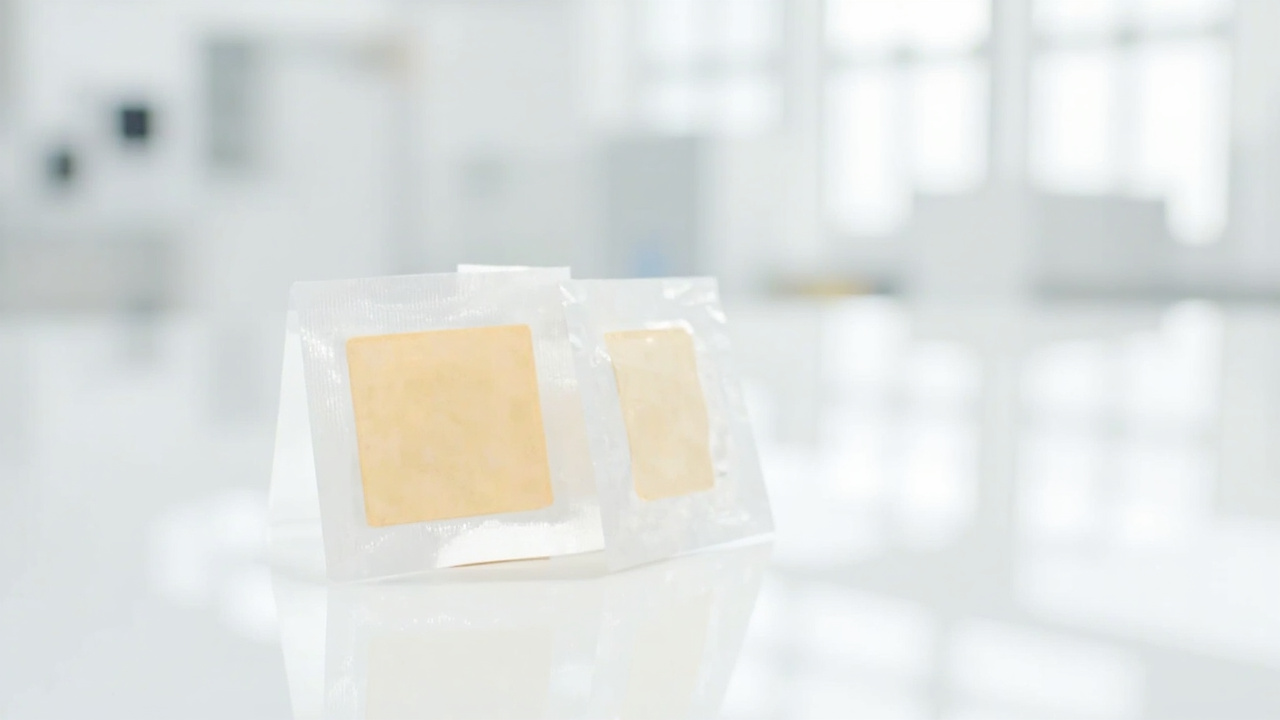
Bamboo vinegar detox patches have surged in popularity as a natural wellness product, with the global detox patch market projected to reach $1.2 billion by 2027 (Grand View Research, 2023). These patches, applied to the soles of the feet overnight, claim to draw out toxins, improve sleep, and reduce fatigue. But what exactly are they made of, and how are they manufactured? For B2B buyers—brand owners, distributors, and wellness entrepreneurs—understanding the production process and market dynamics is essential to sourcing high-quality products. This guide dives deep into the science, manufacturing, and commercial appeal of bamboo vinegar detox patches, with insights from Kongdy Health, a certified OEM/ODM manufacturer serving 120+ countries since 1989.
Key Takeaways
- What Is Bamboo Vinegar and Why Is It Used in Detox Patches?
- The Manufacturing Process: From Bamboo to Finished Patch
- Why Bamboo Vinegar Detox Patches Sell: Market Drivers and Consumer Trends
- Key Ingredients and Their Functions in a Detox Patch
- Regulatory Compliance: Ensuring Safety and Market Access
- Private Label and OEM Opportunities with Bamboo Vinegar Patches
What Is Bamboo Vinegar and Why Is It Used in Detox Patches?
Bamboo vinegar, also known as bamboo pyroligneous acid, is a natural liquid derived from the carbonization of bamboo. During pyrolysis at 400–800°C, bamboo releases smoke that is condensed into a dark brown liquid containing over 200 organic compounds, including acetic acid, phenols, and flavonoids. These compounds are believed to have antimicrobial, anti-inflammatory, and detoxifying properties. Unlike synthetic chemicals, bamboo vinegar is a traditional Asian remedy used for centuries to purify the body and treat skin conditions.
In detox patches, bamboo vinegar serves as the active ingredient. When applied to the feet, the patch’s porous backing allows the vinegar to absorb through the skin via the rich capillary network in the soles. The acetic acid and other components are thought to stimulate blood circulation and lymphatic drainage, facilitating the removal of metabolic waste. Clinical studies, such as one published in the Journal of Alternative and Complementary Medicine (2018), suggest that users experience reduced foot pain and improved sleep quality after regular use. The natural origin and minimal side effects make bamboo vinegar a preferred choice over synthetic alternatives.
The Manufacturing Process: From Bamboo to Finished Patch
Producing a bamboo vinegar detox patch involves multiple stages, each requiring strict quality control to meet FDA, ISO 13485, and GMP standards. Here is a step-by-step breakdown of how Kongdy Health manufactures these patches at its 30,000-square-meter facility.
- Bamboo Carbonization and Vinegar Collection: Mature bamboo (typically 3–5 years old) is harvested and carbonized in oxygen-limited kilns at 600°C. The resulting smoke is cooled and condensed into crude bamboo vinegar. This raw liquid is then aged for 3–6 months to allow impurities to settle, yielding a refined product with consistent pH (2.5–3.5) and density (1.01–1.05 g/mL).
- Formulation and Mixing: The refined bamboo vinegar is blended with other natural ingredients such as tourmaline powder, wood vinegar, and dextrin to create a paste. Tourmaline emits far-infrared rays, which are believed to enhance absorption, while dextrin acts as a binder. The ratio is precisely controlled—typically 30–40% bamboo vinegar—to ensure efficacy and stability.
- Patch Assembly: The paste is applied to a non-woven fabric backing using high-precision coating machines. A release liner (PET film) covers the adhesive side to protect the patch until use. Each patch is then sealed in a foil pouch to prevent moisture loss and oxidation. Kongdy Health uses automated lines capable of producing 10,000 patches per hour, with inline sensors checking weight, thickness, and seal integrity.
- Quality Control and Sterilization: Samples from every batch undergo microbiological testing for bacteria, yeast, and mold (limits per USP <61>). Patches are also tested for heavy metals (lead, arsenic, cadmium) using ICP-MS, ensuring compliance with FDA 21 CFR Part 211 and ISO 13485. Finally, the patches are sterilized via gamma irradiation (25 kGy) to guarantee a shelf life of 36 months.
This meticulous process ensures that every patch delivers consistent results, which is critical for building brand trust in the competitive wellness market.
Why Bamboo Vinegar Detox Patches Sell: Market Drivers and Consumer Trends
The demand for detox foot patches is fueled by several factors. First, the global wellness economy was valued at $5.6 trillion in 2022 (Global Wellness Institute), and consumers are increasingly turning to non-invasive, natural remedies. Bamboo vinegar patches appeal to those seeking alternatives to oral supplements or pharmaceuticals. Second, the rise of e-commerce and social media has made it easy for brands to market these patches directly to consumers, with influencers often showcasing visible discoloration (claimed to be toxins) after use.
According to a 2023 industry report from Transparency Market Research, the detox patch market is growing at a CAGR of 6.4%, with Asia-Pacific leading due to traditional acceptance of bamboo vinegar. In North America and Europe, the products are popular among holistic health enthusiasts. A survey by the Natural Products Association found that 42% of U.S. adults have used a detox product in the past year, and foot patches are among the top five categories. The low cost of production (approximately $0.15–$0.30 per patch) allows for high margins at retail prices of $1–$3 per patch, making it an attractive product for private label brands.
Key Ingredients and Their Functions in a Detox Patch
Beyond bamboo vinegar, detox foot patches often contain several other natural ingredients that work synergistically. Understanding these helps OEM buyers formulate products that meet consumer expectations.
- Bamboo Vinegar: The primary active, providing antimicrobial and circulation-stimulating properties. It also creates the characteristic dark residue that consumers associate with toxin removal.
- Tourmaline: A mineral that emits far-infrared rays and negative ions. These are claimed to improve blood flow and cellular metabolism, enhancing the patch’s detox effect.
- Wood Vinegar: Similar to bamboo vinegar but derived from hardwood. It adds additional organic acids and has a stronger odor, sometimes used to boost potency.
- Dextrin: A natural binder that holds the paste together and allows it to adhere to the foot without irritating the skin.
- Houttuynia Cordata Extract: An herb with anti-inflammatory and antiviral properties, often added to soothe the skin and reduce potential irritation.
Each ingredient must be sourced from certified suppliers and tested for purity. Kongdy Health, for example, only uses bamboo vinegar from its own carbonization plant, ensuring traceability from harvest to finished patch.
Regulatory Compliance: Ensuring Safety and Market Access
For B2B buyers, regulatory compliance is non-negotiable. In the United States, detox patches are typically classified as cosmetics or general wellness devices, requiring adherence to FDA labeling requirements (21 CFR Part 701) and Good Manufacturing Practices (21 CFR Part 110). However, if therapeutic claims are made (e.g., “treats arthritis”), the product may be regulated as a drug or medical device, necessitating FDA clearance. To avoid pitfalls, most manufacturers market patches as “foot care” or “detoxifying” without medical claims.
Internationally, the CE mark is required for sale in Europe, indicating conformity with health, safety, and environmental standards. Kongdy Health holds ISO 13485 (medical devices quality management) and GMP certifications, which facilitate registration in over 120 countries. The company’s patches are also tested for skin irritation (ISO 10993-10) and cytotoxicity (ISO 10993-5), ensuring they are safe for consumer use. When sourcing, always request documentation of these certifications and batch test reports.
Private Label and OEM Opportunities with Bamboo Vinegar Patches
The private label and OEM model allows brands to sell detox patches under their own name without investing in manufacturing. This is particularly appealing for startups and established wellness companies looking to expand their product lines. Kongdy Health offers turnkey OEM services, from concept to delivery.
Key customization options include:
- Patch Size and Shape: Standard sizes (e.g., 70x40mm) or custom shapes (foot-shaped, round) to fit different foot contours.
- Ingredient Formulation: Adjusting the concentration of bamboo vinegar or adding proprietary blends (e.g., lavender for aromatherapy).
- Packaging: Custom pouches, boxes, and cartons with your branding. Kongdy Health uses eco-friendly materials upon request.
- Labeling and Claims: Assistance with compliant labeling for target markets, including multilingual instructions.
Minimum order quantities (MOQs) typically start at 10,000 pieces, with lead times of 25-35 days after sample approval. Kongdy Health’s R&D team can also develop new formulations based on market trends, such as adding activated charcoal or herbal extracts. The company’s 30+ years of experience and FDA-registered facility ensure consistent quality, making it a trusted partner for brands entering the detox patch space.
Frequently Asked Questions
Q1: How long does it take to see results from bamboo vinegar detox patches?
Many users report noticing changes after the first use, such as a darker patch residue or improved sleep. However, consistent use over 5–7 days is typically recommended for more noticeable effects like reduced foot swelling or increased energy. It’s important to note that individual results vary, and the patches are not a substitute for medical treatment. Manufacturers often suggest a 30-day trial for best outcomes, which also encourages repeat purchases.
Q2: Are bamboo vinegar detox patches safe for all skin types?
Generally, yes, because the ingredients are natural and the patches are tested for skin irritation. However, individuals with sensitive skin or allergies to any component (e.g., tourmaline or bamboo vinegar) should perform a patch test on a small area before full use. Kongdy Health’s patches undergo ISO 10993-10 irritation testing and are free from common allergens like parabens and sulfates. If redness or itching occurs, discontinue use and consult a doctor.
Q3: What certifications should I look for when sourcing detox patches for private label?
For global distribution, ensure the manufacturer holds FDA registration (if selling in the U.S.), ISO 13485 for quality management, and GMP certification. Additionally, CE marking is required for the European market. Request certificates of analysis for each batch, including heavy metal and microbiological tests. Kongdy Health provides all these certifications and can assist with country-specific registrations, making the sourcing process seamless for B2B buyers.
Ready to launch your own bamboo vinegar detox patch brand? Partner with Kongdy Health, your trusted OEM/ODM manufacturer since 1989. With FDA, ISO 13485, and GMP certifications, we deliver high-quality patches tailored to your specifications. Contact us today to discuss your private label project and receive a free consultation.