
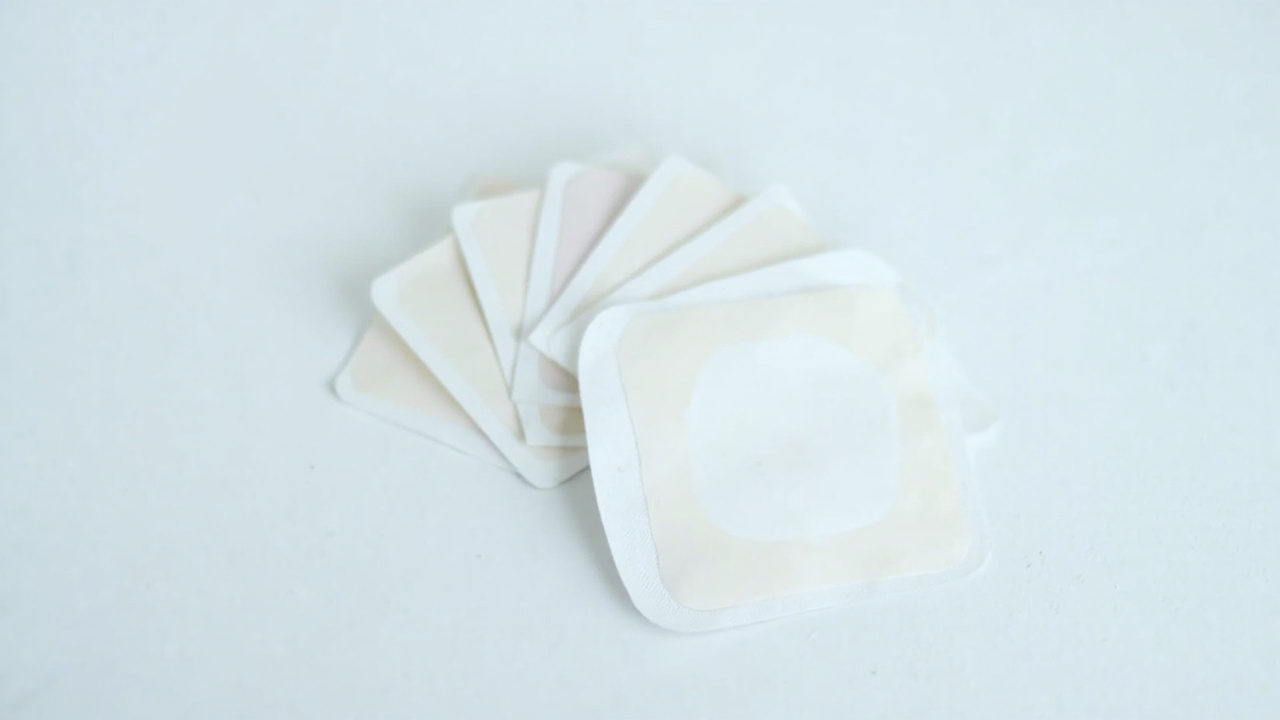
Private label cooling patches represent a rapidly growing segment in the consumer healthcare market, driven by increasing demand for non-invasive, drug-free fever relief and cooling comfort. Whether you’re a pharmacy chain, wellness brand, or e-commerce entrepreneur, launching your own line of cooling patches offers a compelling opportunity to capture market share. This comprehensive guide walks you through every step of the process—from understanding the market and selecting the right manufacturer to navigating regulatory requirements and executing a successful launch. We’ll also show you how partnering with an experienced OEM like Kongdy Health can streamline your journey and ensure your custom cooling patch meets the highest quality standards.
Key Takeaways
- Market Opportunity for Private Label Cooling Patches
- Understanding the Manufacturing Process
- Key Considerations for Customization
- Regulatory and Compliance Roadmap
- Step-by-Step Launch Process
- Quality Assurance and Certifications
Market Opportunity for Private Label Cooling Patches
The global cooling patch market has experienced robust growth, with a projected compound annual growth rate (CAGR) of approximately 8.5% from 2023 to 2030 (Grand View Research). This expansion is fueled by rising awareness of fever management in children, increased prevalence of heat-related conditions, and a growing preference for non-invasive therapeutic products. In 2022, the fever patch segment alone accounted for over 35% of total cooling patch revenue, highlighting strong consumer demand for safe, effective fever relief solutions.
Private labeling allows brands to enter this lucrative market without heavy R&D investments. By leveraging established manufacturing expertise—such as Kongdy Health’s 35+ years of experience—you can focus on branding, marketing, and distribution while your OEM partner handles formulation, production, and regulatory compliance. This model reduces time-to-market and minimizes upfront costs, making it accessible for startups and established companies alike.
Moreover, the rise of e-commerce and direct-to-consumer channels has lowered barriers to entry. A well-positioned private label cooling patch can generate significant online sales, especially during flu seasons and summer months. The key is to differentiate your product through unique features, targeted marketing, and consistent quality—all achievable with the right OEM partner.
Understanding the Manufacturing Process
Manufacturing a custom cooling patch involves several critical steps, each requiring precision and expertise. The process begins with formulation development, where the active ingredients (such as menthol, camphor, or natural cooling agents) are combined with a hydrogel or adhesive matrix. The formulation must balance cooling efficacy, skin adhesion, and safety—particularly for sensitive skin. Kongdy Health, for instance, uses advanced hydrogel technology that provides sustained cooling for up to 8 hours without causing irritation.
Next, the formulation is coated onto a backing material (typically non-woven fabric or polyethylene film) and laminated with a release liner. The resulting sheet is then die-cut into specific shapes and sizes—standard options include rectangular patches (e.g., 5 cm x 10 cm) for forehead application, or smaller sizes for targeted areas. Quality control checks are performed at every stage: raw material inspection, in-process testing for viscosity and pH, and final product testing for adhesion strength, microbial limits, and stability.
Choosing a manufacturer with certifications like FDA, ISO 13485, and GMP is non-negotiable. These certifications ensure your product meets international safety and quality standards, which is crucial for consumer trust and regulatory approval in different markets. Kongdy Health holds all these certifications and more, including CE marking, making them a reliable partner for global distribution.
Key Considerations for Customization
When developing your private label cooling patch, you have several customization options that can set your brand apart. Here are the primary areas where you can differentiate:
- Active Ingredients: Choose from menthol, camphor, eucalyptus oil, or natural cooling agents like peppermint extract. Consider hypoallergenic formulas for sensitive skin or fragrance-free options for medical settings.
- Patch Design: Opt for standard rectangular shapes or custom shapes (e.g., round, oval, or animal shapes for children). Size can vary from 3 cm x 5 cm to 10 cm x 14 cm depending on application area.
- Packaging: Select from individual pouches, multi-pack boxes, or resealable bags. Custom printing with your brand logo, instructions, and regulatory information is essential. Consider child-resistant packaging if targeting pediatric use.
- Adhesive and Backing: Medical-grade adhesives ensure secure attachment without residue. Breathable backings improve comfort during extended wear.
- Regulatory Compliance: Depending on your target market, you may need FDA 510(k) clearance (for medical claims in the US), CE marking (for EU), or other local registrations. Your OEM should guide you through this process.
By carefully selecting these features, you can create a product that appeals to your specific audience—whether that’s parents seeking gentle fever relief for infants, athletes needing muscle cooling, or elderly individuals managing hot flashes.
Regulatory and Compliance Roadmap
Navigating the regulatory landscape is one of the most critical—and complex—aspects of launching a private label cooling patch. The requirements vary by country and intended use. In the United States, cooling patches marketed for fever reduction are classified as medical devices (often Class I or II) and require FDA compliance, including establishment registration, device listing, and possibly 510(k) premarket notification if you make specific claims. For cosmetic or general cooling purposes (e.g., for comfort), less stringent regulations may apply, but you must still adhere to labeling and safety standards under the FDA’s authority.
In the European Union, cooling patches fall under the Medical Device Regulation (MDR) if they have a medical purpose, or the General Product Safety Directive if they are general wellness products. CE marking is required for medical devices, involving conformity assessment and technical documentation. Similarly, in other regions like Australia (TGA), Canada (Health Canada), and Japan (PMDA), specific registrations are needed.
Partnering with an experienced OEM like Kongdy Health simplifies this process. Their regulatory team can help you prepare the necessary documentation, conduct biocompatibility testing (ISO 10993), and ensure your labeling complies with local requirements. They also maintain certifications that can be leveraged for your product’s registration, accelerating time to market.
Step-by-Step Launch Process
Launching your private label cooling patch involves a series of well-defined steps. Follow this numbered list to ensure a smooth process:
- Market Research and Positioning: Identify your target audience (e.g., parents, athletes, elderly), analyze competitors, and define your unique selling proposition (USP). Decide on product features, pricing, and distribution channels.
- Select an OEM Partner: Choose a manufacturer like Kongdy Health with proven expertise, certifications, and a track record of successful private label projects. Request samples and evaluate quality, communication, and lead times.
- Develop Your Formulation and Design: Work with the OEM’s R&D team to finalize the formulation, patch design, and packaging. Conduct stability testing and pilot batches to validate performance.
- Regulatory Submission: Prepare and submit required regulatory documents for your target markets. Your OEM should provide technical files, test reports, and certificates of analysis.
- Branding and Packaging: Design your brand identity, including logo, color scheme, and packaging artwork. Ensure all regulatory information (ingredients, warnings, instructions) is included.
- Production and Quality Control: Place your initial order (minimum order quantities vary, typically 10,000–50,000 pieces). Monitor production through batch records and third-party testing if desired.
- Warehousing and Logistics: Arrange for warehousing and shipping. Many OEMs offer fulfillment services or can recommend logistics partners.
- Marketing and Launch: Execute your marketing plan—online ads, social media, influencer partnerships, and trade shows. Consider offering samples to build awareness.
- Post-Launch Monitoring: Collect customer feedback, monitor sales data, and address any quality issues promptly. Use insights to refine your product and strategy for future SKUs.
Each step requires careful planning and collaboration with your OEM. Kongdy Health offers end-to-end support from concept to delivery, ensuring you don’t miss critical details.
Quality Assurance and Certifications
Quality assurance is paramount in the healthcare industry. A single quality incident can damage your brand’s reputation and lead to costly recalls. When sourcing private label cooling patches, ensure your manufacturer adheres to stringent quality management systems. Look for certifications such as ISO 13485 (medical devices), GMP (Good Manufacturing Practices), and FDA registration. These certifications indicate that the manufacturer follows standardized processes for design, production, and quality control.
Kongdy Health, for example, operates a state-of-the-art facility that is FDA-registered and ISO 13485:2016 certified. Their quality control includes raw material testing (identity, purity, microbial limits), in-process checks (weight variation, thickness, adhesion), and finished product testing (cooling duration, skin irritation potential). They also conduct stability studies to ensure product integrity throughout its shelf life (typically 2-3 years). By choosing a certified partner, you can confidently market your product as safe and effective.
Additionally, consider requesting certificates of analysis for each batch and conducting independent third-party testing for peace of mind. Transparent quality practices build trust with retailers and consumers alike.
Marketing Your Private Label Cooling Patches
Effective marketing is crucial to stand out in the competitive cooling patch market. Start by defining your brand’s voice and target audience. For example, if you’re targeting parents, emphasize safety, pediatrician recommendations, and natural ingredients. For athletes, highlight rapid cooling, long duration, and portability. Use your packaging and online content to communicate these benefits clearly.
Leverage e-commerce platforms like Amazon, Shopify, and Walmart Marketplace. Optimize your product listings with relevant keywords such as “private label cooling patches,” “custom cooling patch,” and “fever patch wholesale.” Include high-quality images, videos demonstrating application, and detailed descriptions. Encourage customer reviews and respond promptly to questions.
Consider B2B channels as well—supply to pharmacies, hospitals, clinics, and schools. Offer wholesale pricing and bulk discounts. Attend trade shows like the National Association of Chain Drug Stores (NACDS) or the International Consumer Goods Fair to connect with buyers. Your OEM partner may also provide marketing support, such as sample kits, product brochures, and co-branding opportunities.
Frequently Asked Questions
Q1: What is the minimum order quantity (MOQ) for private label cooling patches?
MOQs vary by manufacturer but typically range from 10,000 to 50,000 pieces per SKU. For a custom cooling patch, factors like patch size, packaging, and formulation complexity can influence the MOQ. Kongdy Health offers flexible MOQs starting from 10,000 pieces for standard designs, with options for smaller trial runs. It’s important to discuss your volume needs early to align with production planning and budget.
Q2: How long does it take to develop and launch a private label cooling patch?
The timeline depends on the complexity of your product and regulatory requirements. Generally, the process takes 6-8 weeks from sample approval to first shipment. This includes sampling (7-10 days), production (25-35 days after sample approval), and packaging (1-2 weeks). Where stability testing (4-6 weeks) and regulatory submissions (4-8 weeks, depending on market) are required, the total process can extend to 3 to 6 months. Working with an experienced OEM like Kongdy Health can streamline the timeline through their established processes and regulatory expertise.
Q3: Can I sell cooling patches globally with one manufacturer?
Yes, if your OEM has the necessary certifications and experience to meet international standards. Kongdy Health holds FDA, ISO 13485, GMP, and CE certifications, enabling distribution in the US, EU, and many other regions. However, you may still need to register your product in each target country (e.g., Health Canada, TGA). Your OEM should provide technical documentation to support these registrations. It’s advisable to discuss your target markets early to ensure all requirements are met.
Launching a private label cooling patch brand is a strategic move in a growing market. By partnering with a reliable OEM like Kongdy Health, you can bring a high-quality product to market efficiently and confidently. Their decades of experience, comprehensive certifications, and end-to-end services make them the ideal partner for your brand launch. Contact Kongdy Health today to discuss your project and take the first step toward a successful cooling patch line.