
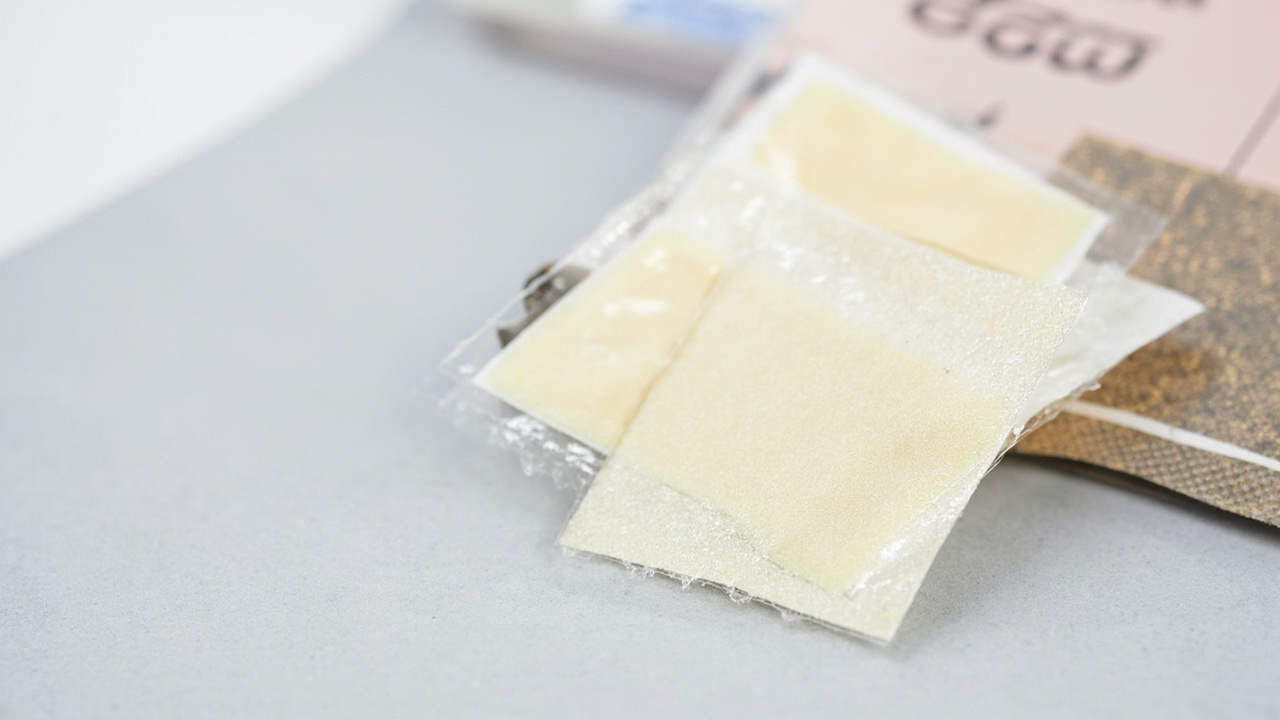
When developing a transdermal patch, the first strategic decision is often whether to classify it as a cosmetic or a medical device. This choice dictates regulatory pathways, marketing claims, development timelines, and even manufacturing partners. In short, if your patch makes therapeutic claims or delivers active ingredients systemically, it is a medical device; if it only cleanses, beautifies, or alters appearance, it is a cosmetic. For most B2B buyers seeking a fast, low-risk entry into the market with a patch that improves skin appearance, the cosmetic path wins. For those targeting pain relief, smoking cessation, or hormone delivery, the medical device path is unavoidable despite higher costs and longer timelines.
Key Takeaways
- Regulatory Definitions: What Makes a Patch Cosmetic or Medical?
- Head-to-Head Comparison: Cosmetic vs Medical Device Patch
- Choose Cosmetic If / Choose Medical Device If
- Cost and MOQ Reality: What B2B Buyers Should Budget
- Real-World Examples: Same Patch, Two Paths
- How to Decide: A Step-by-Step Framework
Key Takeaways
- Classification hinges on claims and mode of action: Cosmetic patches act on the skin’s surface; medical device patches act systemically or treat disease.
- Cosmetic patches reach market 3–6 months faster and cost 40–60% less to develop than medical device patches, but cannot make therapeutic claims.
- Medical device patches require FDA 510(k) clearance or CE marking, with timelines of 12–24 months and costs exceeding $100,000.
- MOQs for cosmetic patches typically start at 10,000–50,000 units, while medical device patches often require 50,000–100,000 units due to regulatory overhead.
- Kongdy Health offers OEM/ODM services for both classifications, with FDA, ISO 13485, and GMP certifications to support your chosen path.
Understanding the regulatory distinction is critical because the same physical patch—a hydrogel or adhesive matrix—can be classified either way depending on its intended use and labeling. This guide breaks down the cosmetic vs medical device patch decision, providing data-driven comparisons and practical advice for B2B buyers.
Regulatory Definitions: What Makes a Patch Cosmetic or Medical?
The U.S. Food and Drug Administration (FDA) defines cosmetics as articles intended to be rubbed, poured, sprinkled, or sprayed on the human body for cleansing, beautifying, promoting attractiveness, or altering appearance, without affecting the body’s structure or function. Medical devices, by contrast, are intended to diagnose, cure, mitigate, treat, or prevent disease, or to affect the structure or function of the body. A transdermal patch that delivers caffeine to reduce puffiness under the eyes is cosmetic; one that delivers lidocaine to numb pain is a medical device.
In the European Union, the distinction is similarly based on claims and mode of action. Cosmetic products fall under Regulation (EC) No 1223/2009, while medical devices are governed by the Medical Device Regulation (MDR) 2017/745. The key is the principal intended action: if the action is pharmacological, immunological, or metabolic, it is a medicinal product; if it is physical, it may be a device. For patches, the line can blur—for example, a patch containing salicylic acid for acne is cosmetic if it merely exfoliates, but medical if it claims to treat acne vulgaris.
This regulatory divergence means that B2B buyers must define their product’s claims before selecting a manufacturer. A patch manufactured in an ISO 13485-certified facility can be sold as a cosmetic if the labeling avoids medical claims, but the same facility can also produce a medical device if the appropriate clearances are obtained. Kongdy Health, with its ISO 13485 and GMP certifications, is equipped to handle both scenarios.
Head-to-Head Comparison: Cosmetic vs Medical Device Patch
The table below summarizes the key differences across critical parameters. Use this as a quick reference when evaluating your product strategy.
| Parameter | Cosmetic Patch | Medical Device Patch |
|---|---|---|
| Regulatory Path (US) | No pre-market approval; FDA cosmetic registration (voluntary) and compliance with MoCRA | FDA 510(k) clearance or De Novo/PMA; establishment registration and listing |
| Regulatory Path (EU) | CPNP notification; Responsible Person required; no CE mark | CE marking under MDR 2017/745; Notified Body involvement for most classes |
| Time to Market | 3–6 months (formulation to launch) | 12–24 months (including clinical evaluation and regulatory review) |
| Development Cost | $15,000–$50,000 (formulation, testing, regulatory) | $100,000–$500,000+ (clinical trials, regulatory fees, consultants) |
| Typical MOQ | 10,000–50,000 units | 50,000–100,000 units |
| Per-Unit Cost (at MOQ) | $0.10–$0.50 | $0.50–$2.00 |
| Allowed Claims | Cleansing, beautifying, altering appearance; no disease claims | Treatment, prevention, diagnosis of disease; structure/function claims |
| Active Ingredient Examples | Vitamin C, hyaluronic acid, caffeine, retinol | Lidocaine, nicotine, fentanyl, estradiol |
| Skin Tolerance Requirements | Primary irritation and sensitization testing (HRIPT) | Biocompatibility testing per ISO 10993; rigorous clinical safety data |
Data sources: FDA guidance documents, European Commission MDR, and industry benchmarks from Grand View Research (2023).
Choose Cosmetic If / Choose Medical Device If
To simplify the decision, consider these two profiles:
Choose a Cosmetic Patch If:
- Your product targets appearance improvement (e.g., anti-aging, hydration, brightening) without treating a medical condition.
- You want fast time-to-market (under 6 months) and lower upfront investment.
- Your target audience includes beauty retailers, spas, and e-commerce where claims are cosmetic.
- You plan to test multiple SKUs with lower MOQs to gauge market response.
- You are comfortable with self-certification and post-market surveillance under cosmetic regulations.
Choose a Medical Device Patch If:
- Your patch delivers a drug systemically (e.g., nicotine, hormones, pain relievers).
- You need to make therapeutic claims (e.g., “relieves pain,” “reduces inflammation”).
- You are targeting pharmacies, hospitals, or clinical channels that require regulatory clearance.
- You have the budget and timeline for clinical trials and regulatory submissions.
- You seek reimbursement from insurance providers, which often requires device classification.
Cost and MOQ Reality: What B2B Buyers Should Budget
Budgeting for a transdermal patch project requires understanding both development and production costs. For cosmetic patches, development costs typically range from $15,000 to $50,000, covering formulation, stability testing, and safety assessments. MOQs from manufacturers like Kongdy Health start at 10,000 units for standard shapes and sizes, with per-unit costs between $0.10 and $0.50 depending on complexity and volume. These figures make cosmetic patches accessible for startups and established brands alike.
Medical device patches, however, involve significantly higher investments. Development costs can exceed $100,000, driven by biocompatibility testing (ISO 10993), clinical evaluations, and regulatory submissions. For a Class II device in the U.S., a 510(k) submission alone can cost $30,000–$100,000 in consultant and testing fees, plus FDA review time. MOQs are higher—typically 50,000 to 100,000 units—because manufacturers need to amortize the cost of validation and quality control. Per-unit costs range from $0.50 to $2.00, influenced by active pharmaceutical ingredient (API) costs and specialized manufacturing.
These numbers underscore the importance of aligning your classification with your business model. A cosmetic patch with a lower barrier to entry allows for market testing and iteration, while a medical device patch demands a longer-term commitment but offers higher barriers to competition.
Real-World Examples: Same Patch, Two Paths
Consider a hydrogel patch containing caffeine. Marketed as a cosmetic under-eye patch to reduce puffiness, it falls under cosmetic regulations. The same patch, if labeled to treat periorbital edema caused by a medical condition, would require medical device clearance. Similarly, a patch with salicylic acid can be a cosmetic acne treatment if it exfoliates, but a medical device if it claims to treat acne vulgaris.
Another example: a lidocaine patch. As a medical device, it requires FDA approval for pain relief. But a cosmetic patch with a tingling agent for “refreshing” sensations can avoid medical claims. These examples highlight that the line is drawn by claims, not ingredients alone. Manufacturers must carefully craft labeling and marketing to stay on the desired side.
Kongdy Health has helped clients navigate these decisions for over 36 years, leveraging its ISO 13485 and GMP certifications to produce both cosmetic and medical device patches. The company’s experience with 120+ countries ensures compliance with diverse regulatory frameworks.
How to Decide: A Step-by-Step Framework
To make an informed decision, follow this structured approach:
- Define your intended use and claims: Write down exactly what you want your patch to do and what claims you will make on the label. This is the single most important factor.
- Assess the regulatory landscape in your target markets: Determine whether your claims trigger medical device classification in the U.S., EU, or other regions. Consult regulatory experts if unsure.
- Evaluate your budget and timeline: Compare the development costs and time-to-market for each path against your resources.
- Consider your sales channels: Will you sell through cosmetic retailers, pharmacies, or clinics? Each channel has different expectations for regulatory status.
- Select a manufacturing partner with dual capabilities: Choose a partner like Kongdy Health that can produce both cosmetic and medical device patches, allowing flexibility if your strategy evolves.
- Plan for post-market compliance: Understand ongoing obligations, such as adverse event reporting for medical devices or cosmetic product safety reporting.
This framework helps mitigate risks and ensures alignment between product, market, and regulatory strategy.
Frequently Asked Questions
Q1: Can a cosmetic patch be reclassified as a medical device later?
Yes, but it requires a new regulatory submission and may necessitate reformulation or additional testing. If you initially launch as a cosmetic and later want to make medical claims, you must obtain the appropriate clearances (e.g., 510(k) in the U.S. or CE marking in the EU) and ensure your manufacturing process meets medical device quality standards, such as ISO 13485. This transition can be costly and time-consuming, so it’s wise to plan ahead. Kongdy Health can assist in evaluating the feasibility of reclassification and guide you through the process.
Q2: What are the labeling requirements for cosmetic vs medical device patches?
Cosmetic patches must comply with cosmetic labeling regulations, including ingredient lists, net quantity, and manufacturer information, but cannot include drug claims. Medical device patches require labels that include intended use, indications, contraindications, warnings, and instructions for use, and must bear the CE mark or FDA clearance number where applicable. Both types must avoid false or misleading claims. Working with an experienced OEM partner ensures your labeling meets all regulatory requirements.
Q3: How does Kongdy Health support both cosmetic and medical device patch projects?
Kongdy Health operates under ISO 13485 and GMP certifications, which are required for medical device manufacturing, and also follows cosmetic good manufacturing practices. This dual capability allows the company to produce patches for either classification from the same facility, streamlining the development process. With over 36 years of experience and a presence in 120+ countries, Kongdy Health provides end-to-end OEM/ODM services, from formulation to regulatory support. Whether you choose the cosmetic or medical device path, Kongdy Health can tailor its services to your needs.
Ready to Prototype Both Options?
The best way to decide between cosmetic and medical device classification is to test both. Kongdy Health offers a unique dual-prototype service that allows you to compare a cosmetic version and a medical device version of your patch side-by-side. This hands-on approach provides invaluable insights into formulation, performance, and regulatory implications before committing to a path. With FDA, ISO 13485, and GMP certifications, Kongdy Health ensures that both prototypes meet the highest quality standards. Contact us today to discuss your project and request a dual prototype comparison. Visit Kongdy Health OEM/ODM Services to learn more and get started.
Sources
- FDA: Cosmetics Laws & Regulations
- FDA: Medical Devices
- Grand View Research: Transdermal Patches Market Analysis
- ISO 13485:2016 Medical Devices Quality Management
Related reading
Comparing suppliers? Send us your specification.
Tell us the product, quantity and target market. You will get pricing, MOQ and lead time within 12 hours — no obligation, NDA available.
MOQ 10,000 pcs · Samples 7–10 days · Factory since 1989 · FDA · ISO 13485 · CE · GMP · 120+ countries
Send Us Your Inquiry
Tell us your requirements — we usually respond with a preliminary quotation and sampling plan within 12 hours.
2 thoughts on “Cosmetic vs Medical Device Patch: Which Classification Wins?”
Comments are closed.